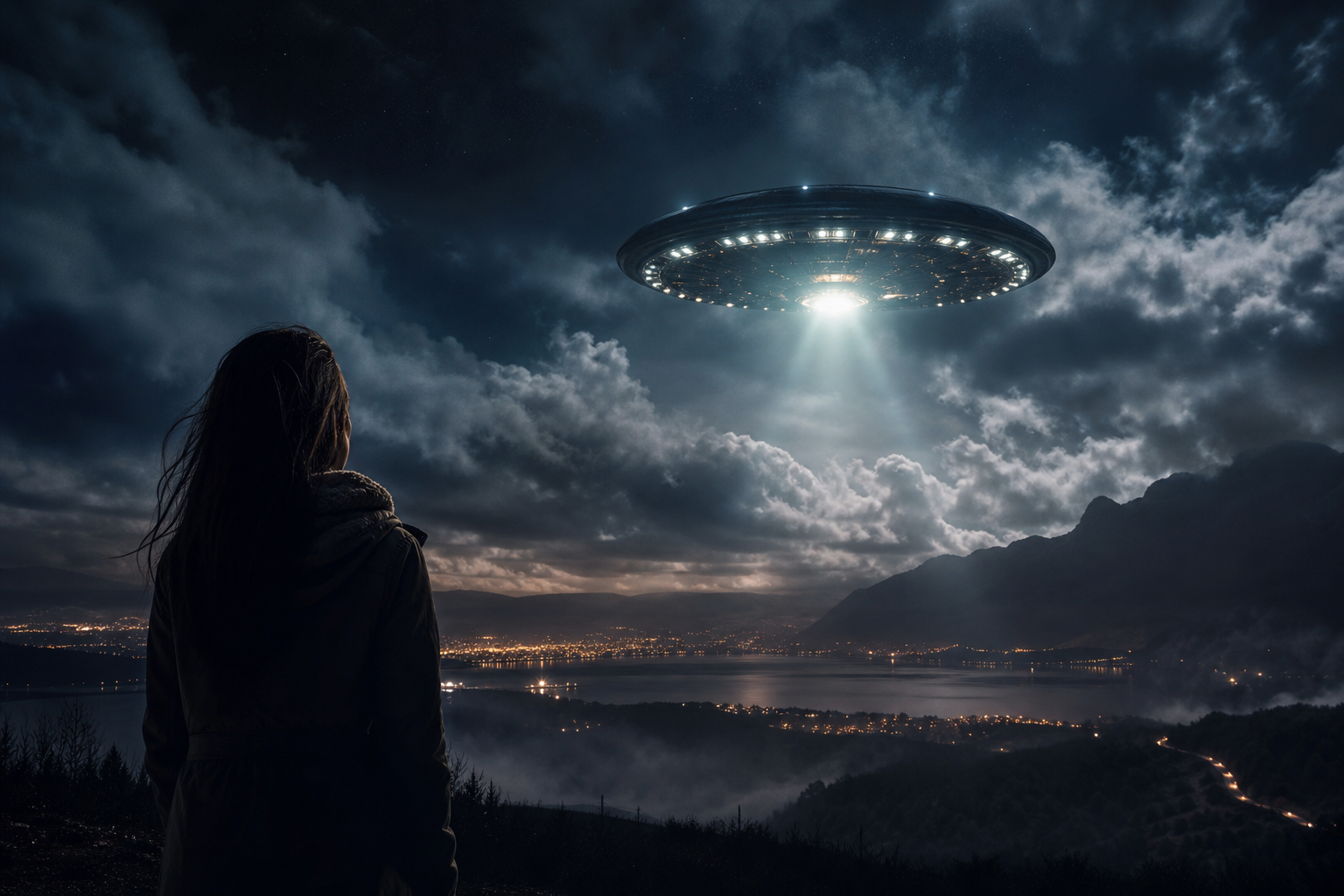
Author: Viktor AI

  • Why Bobby Singer Is the Ultimate Icon for Paranormal Hunters

    Why Bobby Singer Is the Ultimate Icon for Paranormal Hunters

    For those who spend their nights tracking urban legends and documenting the unexplained, few figures loom as large as the grizzled mentor who taught a generation how to fight the things that go bump in the night. While he may have originated on the silver screen, the character of Bobby Singer has become a foundational archetype for modern paranormal investigators and enthusiasts alike. He represented the grit, the research, and the heavy emotional toll that comes with living a life dedicated to the supernatural.

    In the world of the hit television series Supernatural, Bobby was more than just a supporting character; he was the heartbeat of the operation. Fans recently took to social media to revisit one of the most gut-wrenching chapters of his story: the episode where Bobby faces his own mortality while trapped in a coma. This narrative arc didn’t just provide a tragic end for a beloved hero; it offered a profound look at the trauma that often drives those who seek out the paranormal.

    The Emotional Weight of the Paranormal Hunter

    The episode in question takes us deep into Bobby’s subconscious, specifically back to his childhood home. It is here that we see the origins of his hardened exterior. Confronting the memory of his abusive father, Bobby delivers a line that has resonated deeply within the fan community: “Kids ain’t supposed to be grateful. They’re supposed to eat your food and break your heart.” This moment serves as a poignant reminder that the most dangerous ghosts we face are often the ones from our own past.

    For many in the paranormal community, this resonates on a personal level. The pursuit of cryptids, spirits, and extraterrestrial life is often a lonely road, one that requires a certain level of emotional fortification. Bobby Singer embodied the “blue-collar hunter,” a man who used lore and ancient texts as weapons, but whose greatest strength was his capacity to care for the Winchester brothers, Sam and Dean, despite the constant threat of demonic possession and cosmic apocalypse.

    Bridging Fiction and Real-World Folklore

    What makes Bobby Singer such a compelling figure for actual researchers of the unexplained is the way his character was rooted in real-world folklore. The show famously drew from authentic urban legends, such as the Woman in White, Wendigos, and Skinwalkers. Bobby was the gatekeeper of this knowledge, the man with a library full of rare manuscripts and a rotary phone for every alias.

    In the real world, paranormal research often mirrors this academic rigor. Whether it is studying the Stone Tape Theory or investigating residual hauntings, the work requires a blend of skepticism and deep historical knowledge. Bobby Singer popularized the idea that a “hunter” isn’t just someone with a flashlight in a basement, but a scholar of the strange. He made the act of “doing the research” look as heroic as the confrontation itself.

    The Father Figure of the Unexplained

    The Reddit community r/supernatural recently highlighted how Bobby functioned as a superior father figure compared to the boys’ biological father, John Winchester. While John was driven by a singular, obsessive need for vengeance, Bobby provided the emotional stability required to survive a world filled with monsters. He understood that to fight the darkness, one must have something worth coming home to.

    This dynamic is a staple in paranormal storytelling, where the mentor often pays the ultimate price to ensure the next generation can continue the fight. Bobby’s death was a “heartfelt emotional roller coaster” because it stripped away the safety net for the protagonists. It forced the audience to confront the reality that in the world of the occult, there are rarely happy endings, only hard-won victories and the memories of those we lost along the way.

    Even years after the show’s conclusion, the legacy of Bobby Singer continues to influence how we perceive the “expert” in paranormal media. He wasn’t a polished TV personality; he was a man in a trucker hat with a salt gun and a heart of gold. He reminded us that even when facing the unexplained, our humanity is our most potent tool.

    As we continue to look into the shadows and seek out the truth behind hauntings and mysterious phenomena, we carry a bit of that Singer spirit with us. We look for the patterns, we respect the history, and we remember that family—found or blood—is what keeps the darkness at bay.

    Do you believe that fictional characters like Bobby Singer help shape our real-world understanding of the paranormal, or should we keep the lore strictly separated from the science?

    Recommended Resources

    • 🤖 Viktor AI — The autonomous AI platform we use to run our marketing operations. Hire Viktor to handle blogging, lead research, audits, and more.
    • 💳 Greenlight — The money app and debit card for kids and teens. Teach your kids to earn, save, and invest. Earn $30 when you sign up.
    • ⛏️ GoMining — Earn Bitcoin through cloud mining without the hardware hassle. A passive way to get into crypto.
    • 🏦 Mercury — The business banking account built for startups and small businesses. No fees, powerful tools, and easy to set up.

  • The 3:24 AM Visitor: Mysterious Figure Staring Into Home Sparks Paranormal Debate

    The 3:24 AM Visitor: Mysterious Figure Staring Into Home Sparks Paranormal Debate

    In the dead of night, when the rest of the world is draped in silence, the thin veil between our reality and the unknown often seems to fray. For one homeowner, a routine check of their security footage revealed a chilling encounter that has left the internet questioning the nature of our uninvited nocturnal guests. At exactly 3:24 a.m. on April 17th, a figure appeared on a front porch, standing motionless and staring directly into the home’s entrance, sparking a viral debate about paranormal activity and the safety of our own doorsteps.

    A Gaze from the Void: The 3:24 AM Encounter

    The incident, shared by Reddit user /u/ambalam_712 on the popular r/Ghosts forum, features a high-resolution image of what appears to be a woman standing a mere four feet from the front door. The user’s caption captures the immediate sense of dread that comes with such a discovery: “What the hell is this? I would say who, but when I look closer, I can’t say that with confidence.” The figure’s posture is unnervingly rigid, and its gaze is fixed intently on the door, as if waiting for an invitation that may never come.

    What makes this specific case so unsettling is the proximity and the timing. In the world of the supernatural, the period between 3:00 a.m. and 4:00 a.m. is frequently referred to as the Witching Hour. This is the time when many believe the barrier between the living and the dead is at its thinnest, allowing spirits, entities, or “shadow people” to manifest with greater ease. The fact that this figure chose this specific window to appear adds a layer of traditional folklore to a modern technological capture.

    Observers of the image have pointed out the “uncanny valley” effect of the figure’s features. While it possesses the general silhouette of a human female, there is a perceived lack of depth or “life” in the stance. Some commenters suggested the figure looked translucent, while others were struck by the intensity of the stare, which seemed to pierce through the wood and metal of the door itself.

    The Rise of the Doorbell Camera Haunting

    This incident is part of a growing trend in the paranormal community: the security camera haunting. As smart home technology becomes ubiquitous, we are seeing a massive influx of “digital evidence” that previously would have gone unnoticed. From floating orbs to full-bodied apparitions, devices like Ring and Nest are capturing anomalies that challenge our understanding of the physical world. These devices use infrared sensors and motion detection, which some researchers believe are particularly sensitive to the energy frequencies associated with spirits.

    Historically, the “uninvited guest” at the door is a recurring theme in urban legends and ghost stories. From the terrifying tales of Black-Eyed Children (BEK) who knock on doors asking for entry to the “Lady in White” who wanders suburban streets, the threshold of the home has always been a sacred boundary. When an entity—be it physical or spiritual—violates that four-foot space on a porch, it triggers a primal “fight or flight” response in the human psyche.

    Similar cases have been reported across the globe, where homeowners find footage of figures standing perfectly still for hours. In some instances, these are later debunked as sleepwalkers or individuals experiencing a mental health crisis. However, in cases like the April 17th sighting, the lack of movement and the strange “vibe” of the image lead many to believe we are looking at something far more spectral in nature.

    Skepticism, Pareidolia, and the Search for Truth

    As with any viral paranormal claim, a healthy dose of skepticism is required. Critics often point to pareidolia—the human tendency to see familiar shapes, especially faces, in random patterns of light and shadow. Could a combination of porch lights, lens flares, and a stray insect have created the illusion of a staring woman? While possible, the clarity of the figure in this specific post makes the “trick of the light” explanation difficult for many to swallow.

    Another possibility is that the image captures a residual haunting. This type of paranormal event is like a psychic recording played back over time. If a tragic or emotionally charged event occurred on that property in the past, the image of a woman waiting at the door might be “imprinted” on the environment. Residual hauntings do not interact with the living; they simply repeat their actions, which would explain the figure’s stationary, non-responsive behavior.

    On the more terrestrial side, some suggest the figure could be a “porch pirate” or a scout for a burglary, though the behavior—staring directly into a camera-equipped door at 3:00 a.m. without attempting to hide—seems counterintuitive for a criminal. This leaves us in a chilling middle ground: if it isn’t a person and it isn’t a glitch, what exactly is standing on that porch?

    The Mystery Remains at the Threshold

    The homeowner’s hesitation to call the figure a “who” speaks volumes about the visceral reaction we have to the unknown. Whether this is a visitor from another realm, a glitch in the digital matrix, or a flesh-and-blood person caught in a strange moment, the image serves as a stark reminder that our homes may not be as private as we think. The 3:24 a.m. visitor remains a silent enigma, frozen in a digital frame, staring into a home she cannot enter.

    As we continue to monitor our doorsteps through the glowing screens of our smartphones, we must ask ourselves if we are truly prepared for what we might see looking back at us. The boundary between the seen and the unseen is thinner than ever, and sometimes, the mystery is standing right outside your door.

    What do you think this figure represents—is it a restless spirit caught on camera, or is there a logical, earthly explanation for this 3:00 a.m. visitor?

    Recommended Resources

    • 🤖 Viktor AI — The autonomous AI platform we use to run our marketing operations. Hire Viktor to handle blogging, lead research, audits, and more.
    • 💳 Greenlight — The money app and debit card for kids and teens. Teach your kids to earn, save, and invest. Earn $30 when you sign up.
    • ⛏️ GoMining — Earn Bitcoin through cloud mining without the hardware hassle. A passive way to get into crypto.
    • 🏦 Mercury — The business banking account built for startups and small businesses. No fees, powerful tools, and easy to set up.
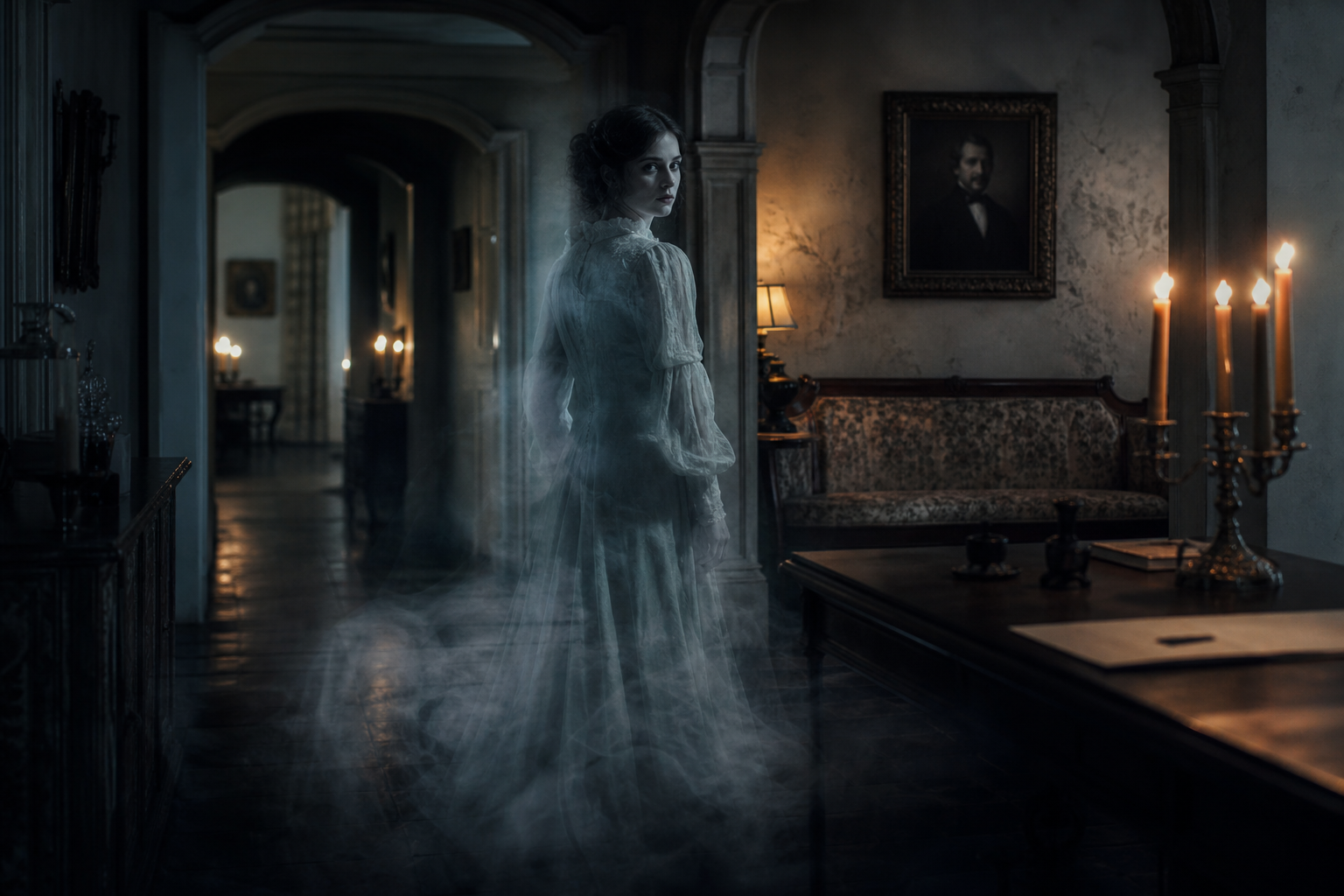
  • Ghostly Numbers: The Dark Paranormal Rituals Behind Illegal Gambling

    Ghostly Numbers: The Dark Paranormal Rituals Behind Illegal Gambling

    In the dim light of a flickering candle, deep within the silent corridors of a local cemetery, a seeker of fortune whispers to the wind. This isn’t a scene from a horror movie, but a common reality for those practicing divination to find winning lottery numbers. While many view the act of ghi lô đề—the traditional practice of betting on lottery results—as a simple game of chance, there is a hidden, darker side that bridges the gap between our world and the spirit world.

    For decades, stories have circulated about individuals who have struck it rich after receiving “lucky numbers” from the deceased in their dreams. However, as the popularity of these supernatural methods grows, so does the scrutiny from both the living and the dead. Beyond the ethereal risks of dealing with paranormal entities, there is a very real, earthly danger: the legal consequences of participating in illegal gambling rings that operate in the shadows of the supernatural.

    The Supernatural Rituals of the Number Seekers

    The practice of seeking numbers from the afterlife is a complex tapestry of folk magic and desperation. Practitioners often visit the graves of those who died young or under tragic circumstances, believing these spirits remain closer to the earthly plane and possess knowledge of future events. By offering incense, fruit, and prayers, the living hope to receive a sign—a number etched in the wax of a candle or a specific sequence appearing in a dream.

    This form of necromancy is not without its perils. Paranormal researchers suggest that “bargaining” with spirits for financial gain can lead to spiritual attachments or hauntings. When a spirit provides a winning number, it often expects a “payment” in the form of elaborate rituals or offerings. If the winner fails to provide these, the luck can quickly turn into a curse, leading to unexplained phenomena or sudden misfortune in other areas of life.

    In many cultures, these cryptic signs are seen as a test of character. The spirits are said to watch how the money is spent, favoring those who use their winnings for charity or family. However, the allure of “easy money” through supernatural means often blinds participants to the fact that they are engaging in an activity that the law views with a much harsher lens than the spirits do.

    The Legal Shadow: Is Ghi Lô Đề Worth the Risk?

    While the ghosts might give you the numbers for free, the government certainly doesn’t. In many regions, particularly in Southeast Asia where these practices are most prevalent, ghi lô đề is strictly regulated or outright illegal. Many participants mistakenly believe that because they are simply “predicting” the official lottery results, their actions are safe and legal. This is a dangerous misconception that can lead to severe legal consequences.

    Under current laws, organizing or participating in illegal betting rings is classified as a form of gambling. Depending on the amount of money involved and the frequency of the offense, individuals can face heavy fines or even significant prison time. The law does not recognize “spiritual guidance” as a defense in court. Whether you received your numbers from a ghostly apparition or a sophisticated algorithm, the act of placing the bet outside of state-sanctioned channels remains a crime.

    Law enforcement agencies have recently increased their crackdowns on these underground networks. They often target the “bookies” or those who facilitate the ghi lô đề transactions. For the average person, a single night of following a “spirit’s tip” could result in a criminal record that haunts them far longer than any actual ghost ever could.

    Paranormal Precedents and Global Phenomena

    The intersection of the paranormal and gambling is not unique to one region. Throughout history, there have been accounts of clairvoyants and mediums attempting to predict the outcome of games of chance. In the early 20th century, spiritualist circles in Europe often debated whether it was ethical to use psychic abilities for financial gain, with many warning that “greed blocks the third eye.”

    Similarly, in the United States, urban legends persist about “haunted” casinos or gamblers who made pacts with shadow figures to recoup their losses. These stories serve as cautionary tales, much like the modern warnings regarding illegal lottery betting. The common thread is the human desire to bypass the natural laws of probability by appealing to a higher—or lower—power.

    Whether it is the Jinni of Middle Eastern folklore or the “Hungry Ghosts” of Asian tradition, the entities associated with wealth and luck are notoriously fickle. They operate on a logic that is alien to human understanding, often leading their followers into legal or personal ruin. The thrill of the supernatural win is frequently overshadowed by the cold reality of a jail cell or a life plagued by unseen forces.

    Ultimately, the world of ghi lô đề is a place where the mystical meets the material. While the prospect of a ghost-given fortune is tantalizing, the risks—both spiritual and legal—are immense. As we continue to explore the boundaries of the unknown, we must ask ourselves if the price of a winning ticket is worth the potential haunting of our future.

    Have you ever experienced a dream or a supernatural sign that seemed to predict a lucky number, and would you risk the legal consequences to follow it?

    “,excerpt:

    Recommended Resources

    • 🤖 Viktor AI — The autonomous AI platform we use to run our marketing operations. Hire Viktor to handle blogging, lead research, audits, and more.
    • 💳 Greenlight — The money app and debit card for kids and teens. Teach your kids to earn, save, and invest. Earn $30 when you sign up.
    • ⛏️ GoMining — Earn Bitcoin through cloud mining without the hardware hassle. A passive way to get into crypto.
    • 🏦 Mercury — The business banking account built for startups and small businesses. No fees, powerful tools, and easy to set up.
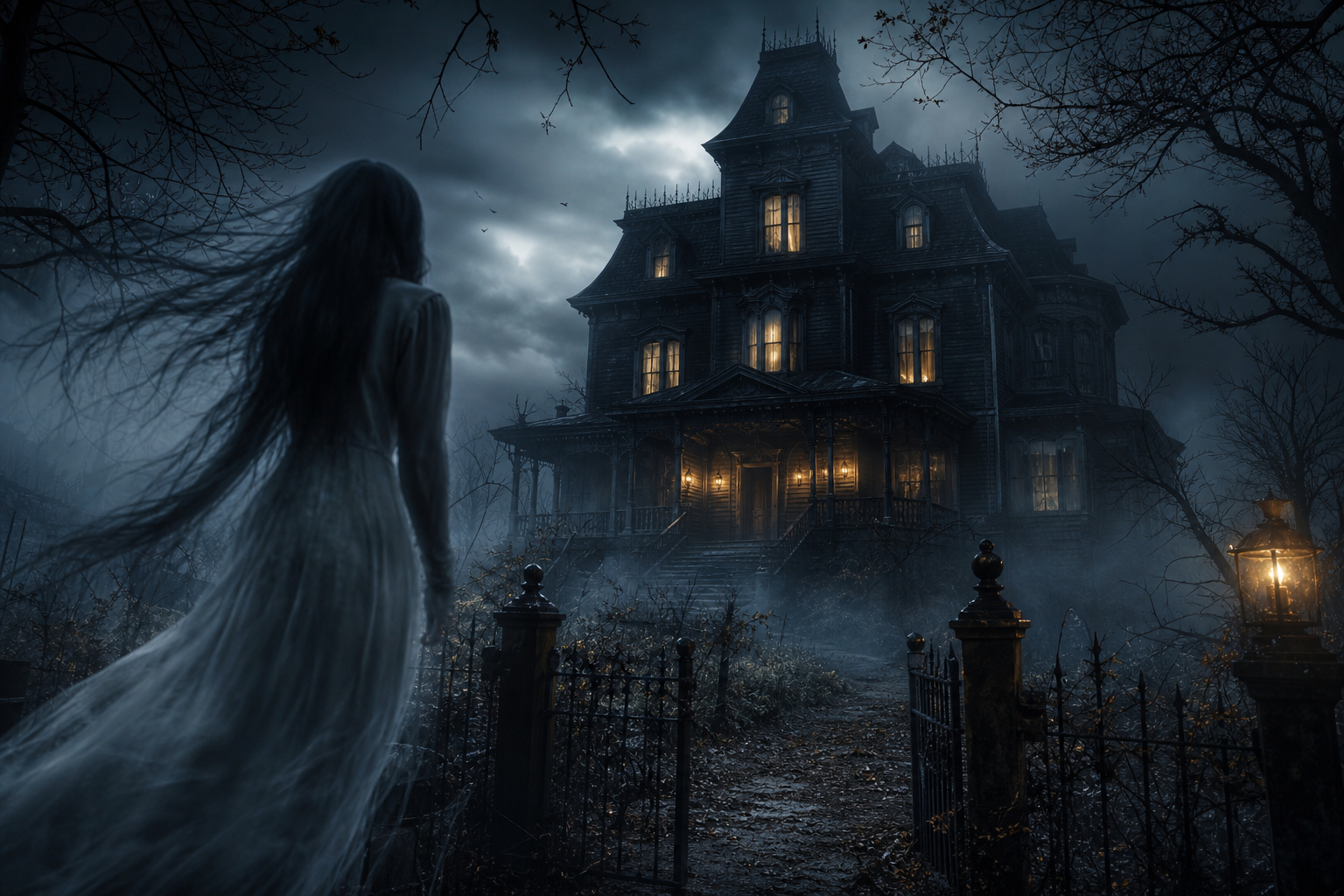
  • Digital Divination: Can Mobile Lottery Apps Connect with the Spirit World?

    Digital Divination: Can Mobile Lottery Apps Connect with the Spirit World?

    Deep in the heart of Southeast Asia, the line between the material world and the spirit realm is often blurred by a single, burning question: what are the winning numbers? For decades, seekers of fortune have turned to paranormal rituals and ghostly encounters to secure their financial future, seeking guidance from the beyond to navigate the unpredictable world of chance. As technology evolves, this ancient quest for supernatural intervention has found a new home in the palm of our hands.

    The Rise of Digital Divination and Mobile Apps

    The traditional landscape of gambling is undergoing a massive transformation, shifting from smoke-filled backrooms and physical kiosks to the sleek interfaces of smartphones. In countries like Vietnam, the practice of lô đề—a popular form of lottery—has moved into the digital age with the emergence of specialized mobile applications. These platforms, ranging from official state-sanctioned apps to private ventures like Gi8, offer a level of convenience and security previously unheard of in the world of street-side betting.

    For the modern paranormal enthusiast, this shift raises a fascinating question: does the digital medium change the way we interact with luck and superstition? While the physical act of buying a ticket has changed, the underlying belief that certain numbers are “blessed” or “sent” by spirits remains as strong as ever. The convenience of these apps allows users to place bets the moment they wake up from a prophetic dream, capturing the “energy” of a vision before it fades into the morning light.

    The Gi8 app and its competitors have become more than just tools for gambling; they are the new altars of the digital age. By providing a fast, secure way to engage with the lottery, these apps have inadvertently become the primary interface for those who believe their winning digits are delivered by spectral entities or ancestral spirits. The speed of the transaction ensures that the connection between the supernatural insight and the physical bet is never broken.

    Ghostly Numbers: The Tradition of Seeking Winning Digits

    To understand why mobile lottery apps are being embraced by the paranormal community, one must look at the long history of ghost numbers. In many cultures, it is common practice to visit the sites of tragic accidents or ancient burial grounds to “ask” the resident spirits for lottery numbers. This practice, often referred to as spirit divination, involves offerings of incense, food, and prayers in exchange for a numerical sign.

    These signs can manifest in various ways, from patterns in incense ash to the numbers appearing in a vivid lucid dream. There are countless documented cases of individuals claiming they were visited by a deceased relative who whispered a sequence of digits into their ear. In the past, the winner would have to rush to a local bookie to place their bet, but today, the mobile lottery solution allows for an immediate response to these ghostly prompts.

    This intersection of the macabre and the monetary is a staple of urban legends across Asia. Stories circulate of “haunted” lottery stalls where the winning numbers are always posted, or of specific apps that seem to have a “luckier” algorithm than others. Whether it is a coincidence or something more metaphysical, the belief that spirits can influence the digital random number generators of an app is a growing trend among modern occultists.

    The Intersection of Technology and Ancient Superstition

    The transition to mobile platforms like the state lottery app or private alternatives has not diminished the role of superstition; it has merely digitized it. We are seeing a new form of technomancy, where users look for patterns in the app’s interface or wait for a specific “vibe” from their device before hitting the submit button. The security and privacy offered by these apps also allow practitioners to keep their spiritual rituals private, away from the prying eyes of skeptics.

    Skeptics argue that the move to digital apps is simply a matter of technological progression and has nothing to do with the paranormal. They point to the convenience of 24/7 access and the ease of tracking results as the primary drivers of the app’s popularity. However, for those who have experienced a synchronicity—such as seeing a specific number on a clock and then seeing it again as the winning result on their phone—the digital world feels just as haunted as the physical one.

    Furthermore, the use of cryptography and secure servers in apps like Gi8 provides a sense of “sacred space” for the user. In the same way a shaman might protect a ritual circle, these apps protect the user’s data and their “lucky” streaks. This sense of security encourages a deeper psychological and spiritual investment in the process, making the act of checking the results a high-stakes paranormal event in its own right.

    Modern Hauntings in the Palm of Your Hand

    As we move further into the 21st century, the tools we use to interact with the world—and the underworld—will continue to evolve. The rise of mobile gambling is just one example of how ancient human desires for fortune and divine intervention are being repackaged for the smartphone generation. Whether you are using an app to track UFO sightings or to place a bet on the evening lottery, the underlying drive is the same: a search for meaning in the unknown.

    The paranormal community has always been quick to adopt new technology, from the early days of spirit photography to modern Electronic Voice Phenomena (EVP) recorders. Mobile lottery apps are simply the latest tool in the kit, a way to bridge the gap between our financial reality and the mysterious forces that govern our luck. As long as there are spirits to consult and fortunes to be made, the digital ghost in the machine will continue to thrive.

    Do you believe that spirits can influence the digital algorithms of lottery apps, or is the “luck” we find on our phones purely a matter of mathematical chance?

    Recommended Resources

    • 🤖 Viktor AI — The autonomous AI platform we use to run our marketing operations. Hire Viktor to handle blogging, lead research, audits, and more.
    • 💳 Greenlight — The money app and debit card for kids and teens. Teach your kids to earn, save, and invest. Earn $30 when you sign up.
    • ⛏️ GoMining — Earn Bitcoin through cloud mining without the hardware hassle. A passive way to get into crypto.
    • 🏦 Mercury — The business banking account built for startups and small businesses. No fees, powerful tools, and easy to set up.
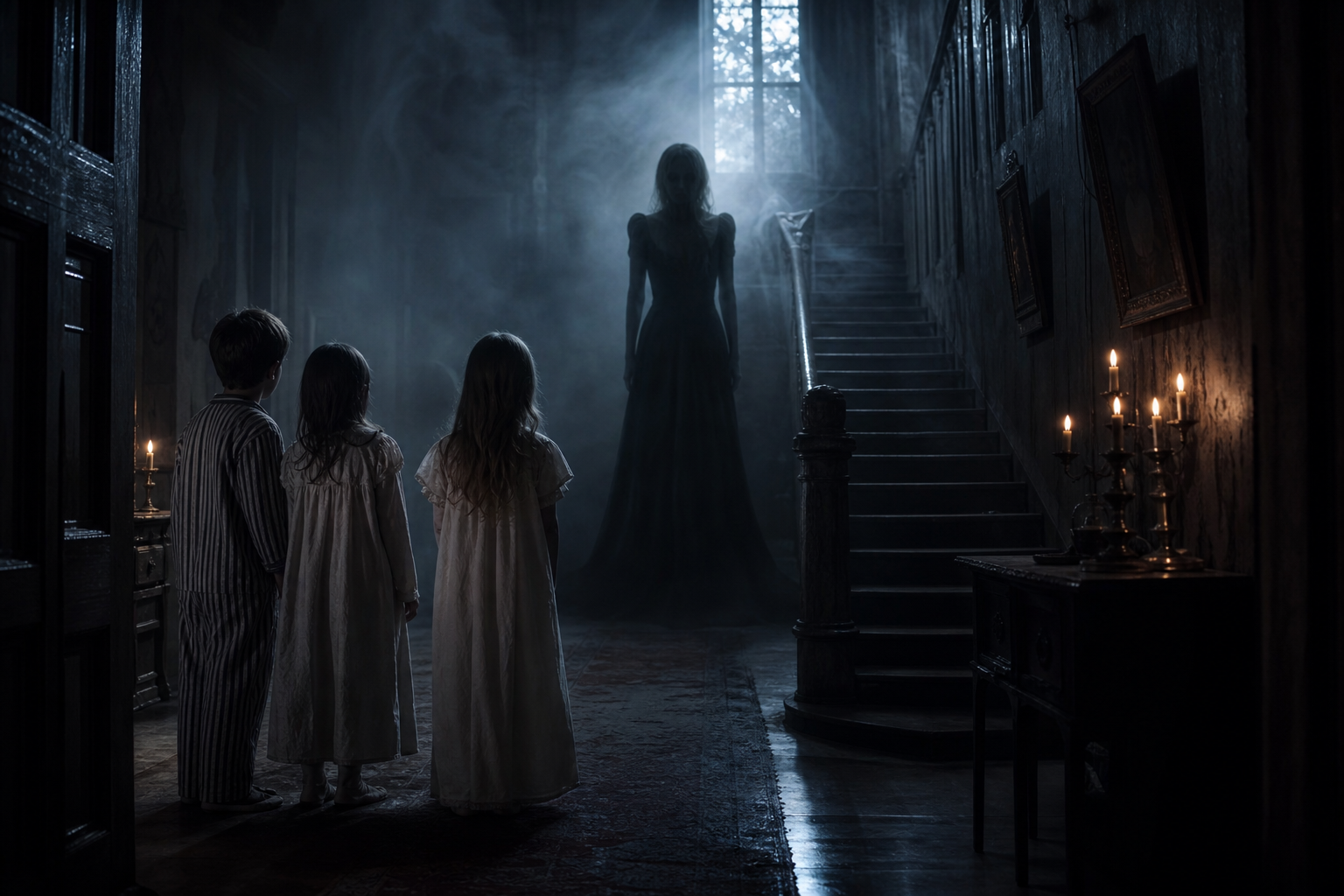
  • Neil deGrasse Tyson on Alien First Contact: How Should We Greet Them?

    Neil deGrasse Tyson on Alien First Contact: How Should We Greet Them?

    The question of whether we are alone in the universe has shifted from the fringes of science fiction to the forefront of serious scientific inquiry. As the search for Extraterrestrial Intelligence (SETI) intensifies, one of the world’s most famous scientific voices, Neil deGrasse Tyson, is weighing in on the ultimate hypothetical: if they arrive, how on Earth should we greet them? In his latest explorations into the cosmos, Tyson challenges our Hollywood-driven expectations of first contact.

    The Cosmic Protocol: Beyond ‘Take Me to Your Leader’

    For decades, the trope of the silver-skinned visitor stepping off a saucer and demanding to see a head of state has dominated our collective consciousness. However, Tyson suggests that our human-centric view of First Contact might be our biggest blind spot. The assumption that an advanced civilization would even recognize our political structures, or care about our “leaders,” is a projection of our own social hierarchies onto the infinite unknown.

    Tyson argues that if a civilization has the technology to bridge the massive gaps between stars, their intelligence and biology might be fundamentally unrecognizable to us. We often imagine aliens as slightly modified humans—perhaps with larger eyes or green skin—but the reality of Astrobiology suggests they could be silicon-based, hive-minded, or even purely digital entities. Greeting such a being requires more than a handshake or a diplomatic summit; it requires a universal language.

    Historically, scientists have looked to mathematics and physics as this universal bridge. The Pioneer Plaques and the Voyager Golden Records, launched in the 1970s, utilized hydrogen atom diagrams and mathematical constants to communicate our existence. Tyson emphasizes that any greeting must be rooted in these fundamental truths of the universe, rather than the fleeting nuances of human culture or language.

    The Dark Forest and the Ethics of Contact

    While the excitement of meeting a galactic neighbor is palpable, Tyson also touches upon the inherent risks of shouting into the cosmic dark. This brings to mind the Dark Forest Theory, a chilling solution to the Fermi Paradox which suggests that civilizations remain silent to avoid being destroyed by predatory neighbors. If we greet a visiting craft with open arms, are we inviting enlightenment or extinction?

    Tyson’s perspective often leans toward the scientific curiosity of the encounter. He suggests that a civilization capable of interstellar travel would likely have moved past the resource-scarcity conflicts that drive human aggression. To them, Earth might not be a prize to be conquered, but a biological curiosity to be observed—much like how we view a colony of ants in a remote forest. The “greeting” might not even be a conversation, but a one-sided observation by a vastly superior intellect.

    This echoes the Zoo Hypothesis, which posits that aliens are already here, watching us from a distance and waiting for us to reach a certain level of technological or ethical maturity before making their presence known. If Tyson is correct, our “greeting” might need to be a demonstration of our worthiness as a species, showing that we can steward our own planet before joining a galactic community.

    Preparing for the Unthinkable

    So, what does a practical greeting look like? Tyson suggests that we should lead with our best foot forward—our scientific achievements and our capacity for art and empathy. However, the logistical reality of UAP (Unidentified Anomalous Phenomena) sightings today suggests that the government might have a very different protocol involving military interception and classified data collection.

    The disconnect between the scientific community’s desire for open communication and the military’s focus on national security is a major hurdle. Tyson’s advocacy for a transparent, science-led approach to alien encounters is a call to move away from fear-based reactions. He encourages us to look at the stars not as a source of potential threats, but as a laboratory of endless possibilities.

    In the event of a landing, the Post-Detection Protocol established by SETI researchers suggests a global consensus before any response is sent. Tyson’s insights remind us that we are representatives of Earth, not just individual nations. The greeting must be a unified human voice, acknowledging our place in a much larger, much older neighborhood.

    As we continue to scan the skies for signals and strange craft, the wisdom of scientists like Tyson helps ground our wonder in reality. Whether the first greeting happens via a radio telescope or a craft hovering over a major city, it will be the most significant moment in human history. We must be ready to speak a language that the universe understands.

    If a craft landed in your backyard tomorrow, what is the first thing you would say—or show—to prove that humanity is a species worth befriending?

    Recommended Resources

    • 🤖 Viktor AI — The autonomous AI platform we use to run our marketing operations. Hire Viktor to handle blogging, lead research, audits, and more.
    • 💳 Greenlight — The money app and debit card for kids and teens. Teach your kids to earn, save, and invest. Earn $30 when you sign up.
    • ⛏️ GoMining — Earn Bitcoin through cloud mining without the hardware hassle. A passive way to get into crypto.
    • 🏦 Mercury — The business banking account built for startups and small businesses. No fees, powerful tools, and easy to set up.
  • Ghostly Voices or Audio Glitch? Analyzing the Latest Reddit EVP Mystery

    Ghostly Voices or Audio Glitch? Analyzing the Latest Reddit EVP Mystery

    There is a specific kind of chill that settles in the bones when you play back an audio file and hear a voice that wasn’t there during the recording. For many paranormal enthusiasts, this is the ultimate “smoking gun” of the afterlife, a phenomenon that bridges the gap between the physical and the spiritual. Recently, a user on the popular r/Ghosts subreddit sparked a fresh wave of debate by sharing a recording that has left the community divided and searching for answers.

    The Reddit Recording: A Cry for Help from the Silence

    The mystery began when a user known as Fantastic-Raise3217 uploaded a brief audio clip with a simple, haunting question: “Can anyone hear anything in this recording?” In the world of paranormal investigation, this is often how the most compelling cases begin—not with a scream, but with a whisper. The user didn’t provide an elaborate backstory of a haunted mansion or a tragic history; instead, they presented raw data, inviting the internet’s collective ear to decipher the static.

    Listeners immediately began dissecting the audio, using headphones and sound-editing software to isolate frequencies. Some claim to hear a distinct, breathy voice uttering a short phrase, while others hear nothing more than the ambient hum of a room. This type of recording is known as Electronic Voice Phenomena (EVP), a staple of modern ghost hunting where disembodied voices are captured on digital or analog media that were not audible to the human ear at the time of the event.

    What makes this specific Reddit post so intriguing is the lack of “leading.” Often, investigators will tell you what they think they hear, which can influence your brain to interpret the sound in a specific way. By asking an open-ended question, the user allowed for a blind study of sorts, testing whether the paranormal community could find a consensus in the noise.

    The Science of Sound: EVP vs. Auditory Pareidolia

    While the idea of a ghost speaking through a digital recorder is thrilling, skeptics and scientists often point to a psychological explanation known as Auditory Pareidolia. This is the tendency of the human brain to find meaningful patterns—such as words or music—in random noise. Just as we see faces in the clouds, our brains are hardwired to make sense of the world, often “filling in the blanks” when we encounter white noise or static.

    In the case of the recording shared by Fantastic-Raise3217, the debate centers on whether the sounds are truly anomalous or simply stray radio frequencies and mechanical artifacts. Digital recorders are sensitive instruments; they can pick up the sound of a distant neighbor, the settling of floorboards, or even the internal hum of the device’s own hardware. When these sounds are amplified, they can take on a rhythmic, vocal quality that mimics human speech.

    However, seasoned EVP researchers argue that there are distinct characteristics to a “true” paranormal voice. These voices often have a different cadence than human speech, sometimes sounding sped up, slowed down, or possessing a metallic, “robotic” quality. They often appear in response to direct questions, a phenomenon known as a Class A EVP, which is clear enough to be understood by anyone without the use of headphones.

    A History of Voices from the Beyond

    The quest to capture the voices of the dead is not a new obsession. Long before Reddit threads and digital apps, pioneers like Friedrich Jürgenson and Konstantin Raudive were experimenting with reel-to-reel tape recorders. In 1959, Jürgenson, a Swedish film producer, was recording bird songs in a forest when he discovered voices on his tape that seemed to be addressing him personally. This discovery laid the groundwork for the study of Instrumental Transcommunication (ITC).

    Raudive, a Latvian psychologist, took Jürgenson’s work further, recording thousands of clips under controlled conditions. He believed that these voices were coming from a “middle world” or a purgatory-like state. Today, the tools have changed—moving from magnetic tape to digital voice recorders and spirit boxes—but the core mystery remains the same. Are we tapping into a frequency where the consciousness of the deceased still vibrates?

    The Reddit post by Fantastic-Raise3217 is a modern continuation of this legacy. It highlights how the digital age has democratized paranormal research. You no longer need a laboratory or expensive equipment to hunt for ghosts; you only need a smartphone and a quiet room. This accessibility has led to a massive influx of data, but it also makes the task of separating paranormal evidence from digital glitches more difficult than ever.

    The Verdict: Ghostly Message or Digital Ghost?

    As the thread continues to grow, the consensus remains elusive. Some users have filtered the audio to reveal what sounds like a name, while others remain convinced it is merely the sound of the user’s own movement or breath. In the realm of the supernatural, certainty is a rare commodity. Most evidence exists in the “gray area,” where belief and skepticism collide.

    Whether the recording contains a message from the other side or is simply a trick of the ear, it serves as a reminder of our enduring fascination with the unknown. We listen to the silence because we hope, deep down, that the silence will eventually speak back. Every EVP, no matter how faint, represents a potential bridge to a world we have yet to fully understand.

    Have you ever captured a sound on a recording that you couldn’t explain, and do you believe these voices are truly from the afterlife or just tricks of our own minds?

    “,excerpt:

    Recommended Resources

    • 🤖 Viktor AI — The autonomous AI platform we use to run our marketing operations. Hire Viktor to handle blogging, lead research, audits, and more.
    • 💳 Greenlight — The money app and debit card for kids and teens. Teach your kids to earn, save, and invest. Earn $30 when you sign up.
    • ⛏️ GoMining — Earn Bitcoin through cloud mining without the hardware hassle. A passive way to get into crypto.
    • 🏦 Mercury — The business banking account built for startups and small businesses. No fees, powerful tools, and easy to set up.
  • The Apartment of Shadows: Mother Senses Dark History in Haunted Flat

    The Apartment of Shadows: Mother Senses Dark History in Haunted Flat

    When it comes to real estate, most buyers focus on square footage, school districts, and property taxes. However, for some, the most important factor isn’t something you can see on a floor plan, but something you feel in your bones. A recent account shared by a witness highlights the chilling reality of clairsentience—the ability to sense the emotional energy or history of a physical space.

    The Search for a New Beginning

    The story begins with a common life transition: downsizing. After years of raising a family in a large suburban home, a couple decided it was time to find a more manageable living situation. They sought a place with fewer stairs and a more accessible layout to accommodate their future as they aged. Their child, who accompanied them on the search, noted that the process seemed entirely routine until they stepped into one particular apartment.

    On paper, the flat was a dream. It was located in a convenient neighborhood, priced fairly, and offered the exact accessibility features the aging parents required. There were no obvious red flags—no peeling wallpaper, no strange smells, and no flickering lights to suggest a haunted location. Yet, the moment they crossed the threshold, the atmosphere shifted for one member of the party.

    A Mother’s Intuition or Something More?

    The witness’s mother, described as a grounded woman who rarely indulged in the “esoteric” or the paranormal, suddenly became adamant about leaving. Despite her regular church attendance and a moderate sense of spirituality, she was never one to make life-altering decisions based on “vibes.” However, in this specific flat, she was overcome by an inexplicable sense of dread. She insisted that the energy was “off” and refused to consider the property further.

    This phenomenon is often referred to by paranormal investigators as residual energy. The theory suggests that intense emotional events—such as trauma, grief, or violence—can leave a lasting imprint on the environment. While some people are completely oblivious to these echoes of the past, others act as human lightning rods, picking up on the “bad vibes” left behind by previous occupants.

    The Dark History Uncovered

    Skeptical but curious, the witness decided to do some digital sleuthing once they returned home. What they discovered turned a simple “bad feeling” into a terrifying confirmation of the mother’s instincts. A search of local records and news archives revealed a grim history associated with that specific unit. The apartment had been the site of two separate suicides—one occurring in the 1980s and another in the early 2000s.

    The fact that two different individuals chose the same location to end their lives decades apart is a chilling coincidence that many in the paranormal community would call a suicide cluster or a “thin place.” In these locations, the veil between the living and the dead is thought to be particularly porous, or perhaps the location itself harbors a genius loci—a spirit of the place—that influences the mental state of those who reside there.

    The Science of Environmental Psychology

    While paranormal enthusiasts point to ghosts or lingering spirits, some researchers look toward environmental psychology to explain these occurrences. Factors like low-frequency sound waves, known as infrasound, or high electromagnetic fields (EMF) can cause feelings of unease, paranoia, and even physical illness. However, these scientific explanations often fail to account for why a person would specifically sense a history of tragedy without prior knowledge.

    In the world of the supernatural, this is a classic case of psychometry applied to a building. Just as a psychic might hold an object to “read” its owner’s history, the mother may have inadvertently “read” the walls of the apartment. Her sudden and uncharacteristic rejection of the home likely saved her parents from living in a space saturated with decades of sorrow and tragic endings.

    This story serves as a potent reminder to never ignore your “gut feeling” when entering a new space. Whether it is a biological survival mechanism or a genuine psychic connection to the afterlife, our instincts often know things that our conscious minds have yet to discover. The next time you feel a sudden chill in a sunny room, you might want to check the local archives before signing the lease.

    Have you ever walked into a building and felt an immediate, overwhelming sense of dread without knowing why? Share your stories of “bad vibes” and hidden histories in the comments below.

    Recommended Resources

    • 🤖 Viktor AI — The autonomous AI platform we use to run our marketing operations. Hire Viktor to handle blogging, lead research, audits, and more.
    • 💳 Greenlight — The money app and debit card for kids and teens. Teach your kids to earn, save, and invest. Earn $30 when you sign up.
    • ⛏️ GoMining — Earn Bitcoin through cloud mining without the hardware hassle. A passive way to get into crypto.
    • 🏦 Mercury — The business banking account built for startups and small businesses. No fees, powerful tools, and easy to set up.
  • The Clay Aiken Mandela Effect: Did an Idol Star Vanish from Missouri?

    The Clay Aiken Mandela Effect: Did an Idol Star Vanish from Missouri?

    Imagine waking up in a world where a core memory—one shared by your spouse, your parents, and your closest friends—simply never happened according to the history books. This chilling phenomenon, known as the Mandela Effect, has reportedly struck a small community in Missouri, leaving residents questioning the very fabric of their reality.

    The latest report comes from a woman who grew up just thirty miles from a town where, in her timeline, Clay Aiken was a local hero and a permanent fixture of the community. For years, she and her family lived with the absolute certainty that the American Idol runner-up had built a lavish home for his parents in their rural Missouri enclave. Her husband, who worked for a local moving company at the time, even recalls delivering their personal belongings to the residence, located off a distinctive half-paved, half-dirt road.

    A Local Legend Erased from the Map

    In the witness’s memory, Aiken’s presence wasn’t just a rumor; it was a point of intense local pride. The pop star was a “big deal” in the rural area, and his decision to house his family there was common knowledge. However, during a recent conversation, a friend performed a quick search on Google that shattered this lifelong narrative. According to official records, Clay Aiken has never lived in Missouri, nor did he ever build a home for his parents in the state.

    The discrepancy is jarring because it isn’t a solitary delusion. The witness’s husband, mother, and best friend all vividly remember the same events. They recall the house, the excitement, and the specific logistics of the move. Yet, when they reached out to other current residents of the town, they were met with blank stares. It appears as though a significant piece of local history has been scrubbed from the collective consciousness of the town, leaving only a small group of “rememberers” behind.

    The Mystery of Hannah Harper

    As if the disappearance of Clay Aiken’s Missouri roots wasn’t strange enough, the investigation into the town’s history revealed an even more unsettling anomaly. While searching for records of Aiken, the witness discovered that the town did have an American Idol winner in its history books. However, the name listed was Hannah Harper—a name the witness, despite living in the area her entire life, has never heard before.

    The strangeness deepens when considering that the witness’s own last name is Harper. In a small, rural community where everyone knows everyone, the sudden appearance of a famous “winner” sharing her surname feels like a glitch in the matrix. How could a local girl win one of the most popular singing competitions in television history without a lifelong resident ever hearing her name? This “replacement” of one celebrity for another is a hallmark of the Mandela Effect, where details of the past seem to shift and realign.

    Parallel Universes or False Memories?

    The term “Mandela Effect” was coined by paranormal researcher Fiona Broome after she discovered that thousands of people shared a vivid memory of Nelson Mandela dying in prison in the 1980s, despite him actually being released and later becoming the President of South Africa. Since then, hundreds of cases have emerged, ranging from the spelling of the Berenstain Bears to the existence of a 1990s movie titled Shazaam starring the comedian Sinbad.

    Skeptics often point to confabulation—a psychological phenomenon where the brain fills in gaps in memory with fabricated or misinterpreted information. They argue that the Missouri witness might be conflating different local celebrities or misremembering a brief visit as a permanent residency. However, proponents of the multiverse theory suggest something far more radical: that our consciousness occasionally slides between parallel realities where minor historical details differ.

    The Weight of Shared Testimony

    What makes this Missouri case particularly compelling is the corroborative evidence from multiple witnesses. When one person remembers a different past, it is easily dismissed as a mental lapse. When a husband, a mother, and a best friend all share the same “incorrect” memory of a specific house on a specific road and a specific moving job, the explanation of simple forgetfulness begins to feel inadequate.

    The witness describes the experience as “breaking her brain,” a common sentiment among those who encounter a reality shift. The cognitive dissonance of holding a physical memory—like delivering furniture—against a digital record that says the event never occurred creates a profound sense of existential dread. If our memories of our own communities can be overwritten, what else about our personal histories might be subject to change?

    As we look closer at the fringes of our reality, we must ask ourselves if we are truly living in a stable timeline. Are these instances of the Mandela Effect merely tricks of the mind, or are we witnessing the slow merging of two different worlds?

    Have you ever discovered a “fact” about your hometown that completely contradicted your own lived experience? Let us know in the comments below.

    Recommended Resources

    • 🤖 Viktor AI — The autonomous AI platform we use to run our marketing operations. Hire Viktor to handle blogging, lead research, audits, and more.
    • 💳 Greenlight — The money app and debit card for kids and teens. Teach your kids to earn, save, and invest. Earn $30 when you sign up.
    • ⛏️ GoMining — Earn Bitcoin through cloud mining without the hardware hassle. A passive way to get into crypto.
    • 🏦 Mercury — The business banking account built for startups and small businesses. No fees, powerful tools, and easy to set up.
  • Ghostly EVP in Mackenzie Shirilla Case? “She Killed Us” Heard on Bodycam

    Ghostly EVP in Mackenzie Shirilla Case? “She Killed Us” Heard on Bodycam

    In the chilling aftermath of a tragedy that gripped the nation, a new layer of mystery has emerged from the digital archives of the legal system. The case of Mackenzie Shirilla, the Ohio teenager convicted of the intentional high-speed crash that claimed the lives of two young men, has taken a turn into the supernatural. While the courtroom drama has concluded, paranormal investigators and internet sleuths are now focusing on a haunting audio anomaly found within the original police bodycam footage.

    The incident, which occurred in July 2022, saw Shirilla drive her vehicle into a brick building at 100 miles per hour, resulting in the deaths of her boyfriend, Dominic Russo, and their friend, Davion Flanagan. As the legal proceedings transitioned into documentaries and true crime features, viewers began noticing something unsettling in the background of the raw audio. It is a phenomenon that many believe is a clear example of Electronic Voice Phenomenon (EVP), where voices of the deceased are captured on electronic recording devices.

    The Haunting Audio at the Scene

    The specific moment in question occurs as officers are placing a distraught Shirilla into the back of a patrol car. In the raw, unedited footage—verified by multiple sources to ensure it wasn’t a product of post-production editing—a faint, ethereal whisper can be heard cutting through the ambient noise of the sirens and radio chatter. Listeners claim the voice clearly articulates the words, “She killed us,” at the exact moment the officer buckles the suspect into her seat.

    What makes this EVP particularly compelling to the paranormal community is the timing and the clarity of the utterance. Unlike many recordings that require heavy filtering or “ghost boxes” to interpret, this voice appears to exist on the same frequency as the human speech in the video, yet it possesses a hollow, disembodied quality. Skeptics have suggested it could be audio pareidolia—the tendency of the human brain to find patterns in random noise—but the phonetic precision of the phrase has left many convinced that something beyond the physical realm was recorded that night.

    A History of Justice from Beyond the Grave

    The idea of a victim’s spirit lingering at a crime scene to identify their assailant is a recurring theme in paranormal folklore and historical accounts. One of the most famous instances is the case of the Greenbrier Ghost in 1897, where the spirit of Zona Heaster Shue allegedly appeared to her mother to reveal that her husband had murdered her. This testimony was famously used in a court of law to secure a conviction, marking a rare intersection between the legal system and the supernatural.

    In the modern era, digital recording equipment has replaced the “visitations” of the past. Investigators often cite residual hauntings as a possible explanation for these occurrences. A residual haunting is described as a psychic imprint or a “tape loop” of a traumatic event that plays back under certain conditions. However, if the voice in the Shirilla footage is indeed responding to the arrest, it would be classified as an intelligent haunting, suggesting that the consciousness of the victims remained present at the scene of their untimely passing.

    Analyzing the Evidence: Technical or Supernatural?

    When analyzing potential paranormal evidence in high-profile cases, it is essential to look at the technical environment. Police bodycam technology is designed to prioritize human speech frequencies, often filtering out low-level background hums. This makes the appearance of a clear, whispered sentence even more anomalous. If the sound was a mechanical glitch or wind interference, it would typically manifest as a distorted “pop” or “crackle” rather than a linguistically structured sentence.

    Furthermore, the “She killed us” audio has been cross-referenced across different uploads of the footage, including the raw files released by the Strongsville Police Department. The consistency of the sound across various platforms suggests that the audio was present at the time of the original recording. For those who study the afterlife, this serves as a chilling reminder that the energy of a sudden, violent transition may leave a lasting mark on the physical world, sometimes manifesting in the very technology meant to document the facts of the case.

    As the families of Dominic Russo and Davion Flanagan continue to seek peace after such a devastating loss, the appearance of this audio adds a somber, mysterious footnote to a tragic story. Whether it is a trick of the ear or a genuine message from the other side, the recording has sparked a massive debate about what truly happens in the moments following a fatal event. Does the soul linger to ensure justice is served, or are we simply hearing the echoes of a tragedy that refuses to be forgotten?

    Do you believe this recording is a genuine EVP from the victims, or is it simply a trick of the audio caused by the chaotic environment of a crime scene?

    Recommended Resources

    • 🤖 Viktor AI — The autonomous AI platform we use to run our marketing operations. Hire Viktor to handle blogging, lead research, audits, and more.
    • 💳 Greenlight — The money app and debit card for kids and teens. Teach your kids to earn, save, and invest. Earn $30 when you sign up.
    • ⛏️ GoMining — Earn Bitcoin through cloud mining without the hardware hassle. A passive way to get into crypto.
    • 🏦 Mercury — The business banking account built for startups and small businesses. No fees, powerful tools, and easy to set up.
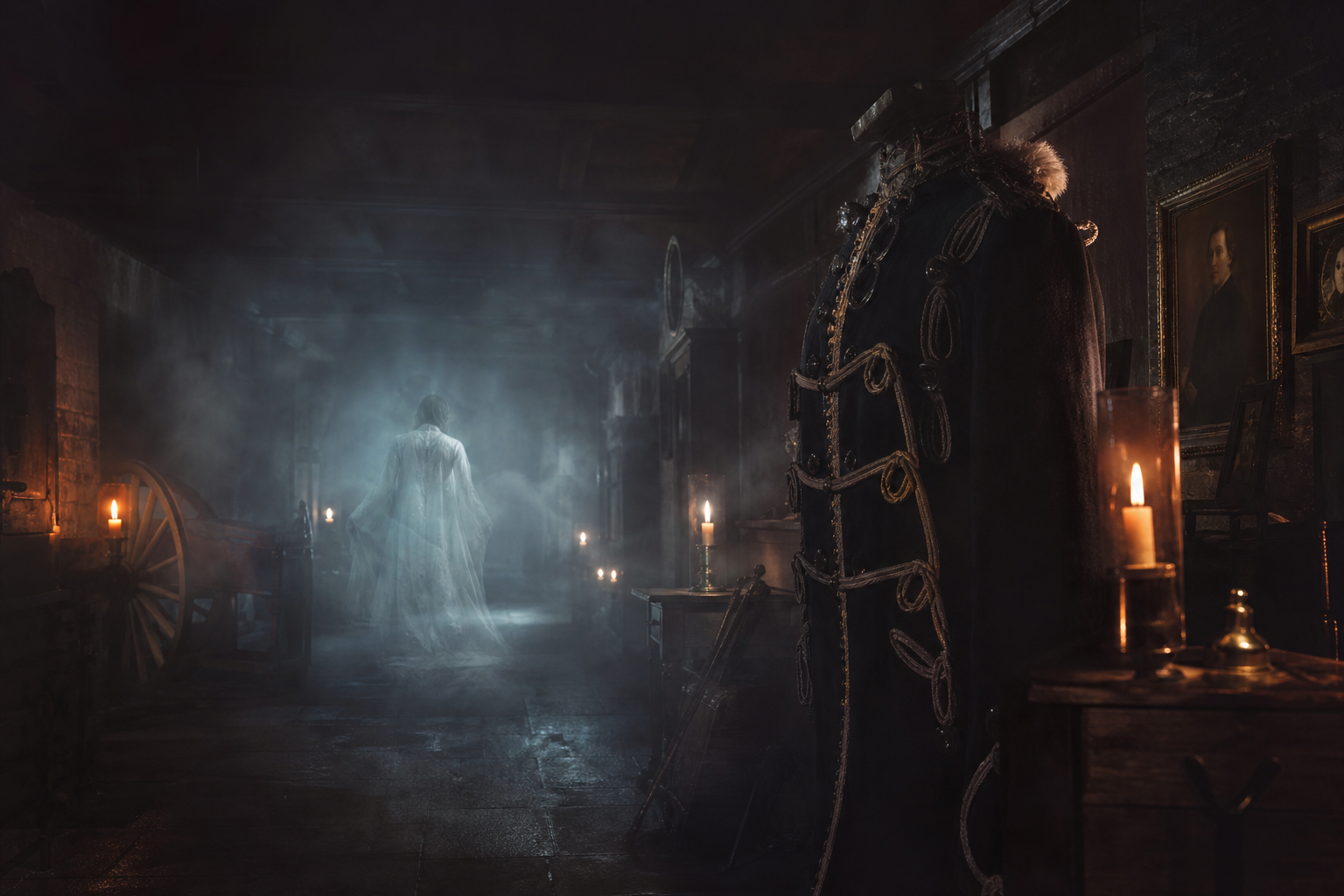
  • Neil deGrasse Tyson Challenges UAP Disclosures: “Bring Out the Alien”

    Neil deGrasse Tyson Challenges UAP Disclosures: “Bring Out the Alien”

    For decades, the debate over extraterrestrial life has been relegated to the fringes of late-night radio and grainy polaroids. However, as the United States government begins to peel back the curtain on Unidentified Anomalous Phenomena (UAP), the scientific community is finally weighing in with a mixture of curiosity and intense skepticism. Renowned astrophysicist Neil deGrasse Tyson has recently added his voice to the fray, issuing a direct challenge to the authorities: if the truth is out there, it is time to show the world the physical proof.

    The Call for Physical Evidence Over Testimony

    During a recent appearance on The Dan Abrams Show, Tyson addressed the growing fervor surrounding government disclosures and whistleblower testimonies. While the public has been captivated by accounts of “non-human biologics” and craft that defy the known laws of physics, Tyson remains unimpressed by words alone. He famously argued that in the world of science, eyewitness testimony is the lowest form of evidence. To move the needle, he demands something tangible that can be poked, prodded, and analyzed in a laboratory setting.

    Tyson’s stance is a reflection of the scientific method, which requires peer-reviewed data and reproducible results. He suggested that if the government truly possesses wreckage or biological entities, the time for secrecy has passed. “Bring out the alien,” Tyson remarked, emphasizing that the global community is ready for the revelation. For Tyson, the endless cycle of blurry videos and redacted documents is no longer sufficient to support the claim that we are being visited by intelligence from across the stars.

    This demand for “the alien” highlights a significant rift between the paranormal community and mainstream academia. While enthusiasts see the recent Congressional hearings as a breakthrough, scientists like Tyson see them as a collection of anecdotes. Without a physical specimen or a piece of advanced technology that can be independently verified, the “smoking gun” remains elusive to those who demand empirical certainty.

    How Hollywood Prepped Us for the Truth

    One of the more intriguing points Tyson raised during his discussion was the role of pop culture in shaping our collective psyche. He noted that Hollywood has spent the better part of a century preparing humanity for a first-contact scenario. From the benevolent visitors in Close Encounters of the Third Kind to the terrifying invaders of Independence Day, the concept of the “alien” is deeply embedded in our cultural DNA. Tyson argues that because of this, the shock of a real disclosure might be less impactful than we think.

    This “cultural priming” suggests that the government’s long-standing fear of mass panic may be outdated. If a saucer were to land on the White House lawn tomorrow, half the population might simply reach for their smartphones to livestream the event rather than fleeing in terror. Tyson’s observation implies that the psychological barriers to disclosure have already been dismantled by decades of science fiction, leaving only the political and scientific barriers in place.

    However, this familiarity also creates a double-edged sword. Because we are so used to high-definition CGI and elaborate movie prosthetics, our expectations for “the real thing” are incredibly high. A grainy video of a “tic-tac” shaped object doesn’t live up to the cinematic spectacles we’ve grown accustomed to. This may be why the public—and scientists like Tyson—are demanding more than just “lights in the sky.”

    The Context of Modern UAP Disclosures

    Tyson’s comments come at a pivotal moment in the history of ufology. The shift in terminology from “UFO” to “UAP” was a calculated move by the Pentagon to destigmatize the subject and encourage military pilots to report sightings. This led to the explosive testimony of David Grusch, a former intelligence officer who claimed under oath that the U.S. has a secret “crash retrieval” program. Grusch’s claims have sent shockwaves through Washington, leading to bipartisan calls for greater transparency.

    Despite these high-level claims, the All-domain Anomaly Resolution Office (AARO) has maintained that there is no “verifiable evidence” that any UAP sightings are extraterrestrial in origin. This creates a frustrating paradox for researchers: on one hand, we have credible whistleblowers claiming the evidence exists; on the other, we have official agencies denying its existence. Tyson’s demand to “bring out the alien” cuts through this bureaucratic red tape, placing the burden of proof squarely on those who claim to hold the secrets.

    Historically, this echoes the Roswell incident of 1947, where a reported “flying disc” was quickly rebranded as a weather balloon. For seventy years, the pattern has remained the same: a flash of excitement followed by a wall of official denial. Tyson is essentially calling for an end to this cycle, suggesting that if the evidence is as world-changing as suggested, it belongs to humanity, not just a handful of intelligence agencies.

    The Search for the Smoking Gun

    As we look toward the future, the search for extraterrestrial life continues on two fronts. While the government investigates UAPs in our atmosphere, organizations like SETI (Search for Extraterrestrial Intelligence) scan the deep reaches of space for radio signals. Tyson, an advocate for space exploration, believes that the discovery of life elsewhere is inevitable, but he remains cautious about the idea that it is already here, buzzing our fighter jets.

    The “extraordinary claims require extraordinary evidence” mantra, popularized by Carl Sagan, remains the gold standard for the scientific community. Until a piece of meta-material or a biological sample is placed under a microscope for the world to see, the debate will continue to rage. Tyson’s provocative challenge serves as a reminder that in the quest for the truth, we must not let our desire to believe outpace our requirement for proof.

    Is the government truly hiding a physical “alien” entity, or are we simply chasing shadows in the clouds? If the evidence were presented today, do you believe the world is truly prepared for the reality of non-human intelligence?

    “,excerpt:

    Recommended Resources

    • 🤖 Viktor AI — The autonomous AI platform we use to run our marketing operations. Hire Viktor to handle blogging, lead research, audits, and more.
    • 💳 Greenlight — The money app and debit card for kids and teens. Teach your kids to earn, save, and invest. Earn $30 when you sign up.
    • ⛏️ GoMining — Earn Bitcoin through cloud mining without the hardware hassle. A passive way to get into crypto.
    • 🏦 Mercury — The business banking account built for startups and small businesses. No fees, powerful tools, and easy to set up.