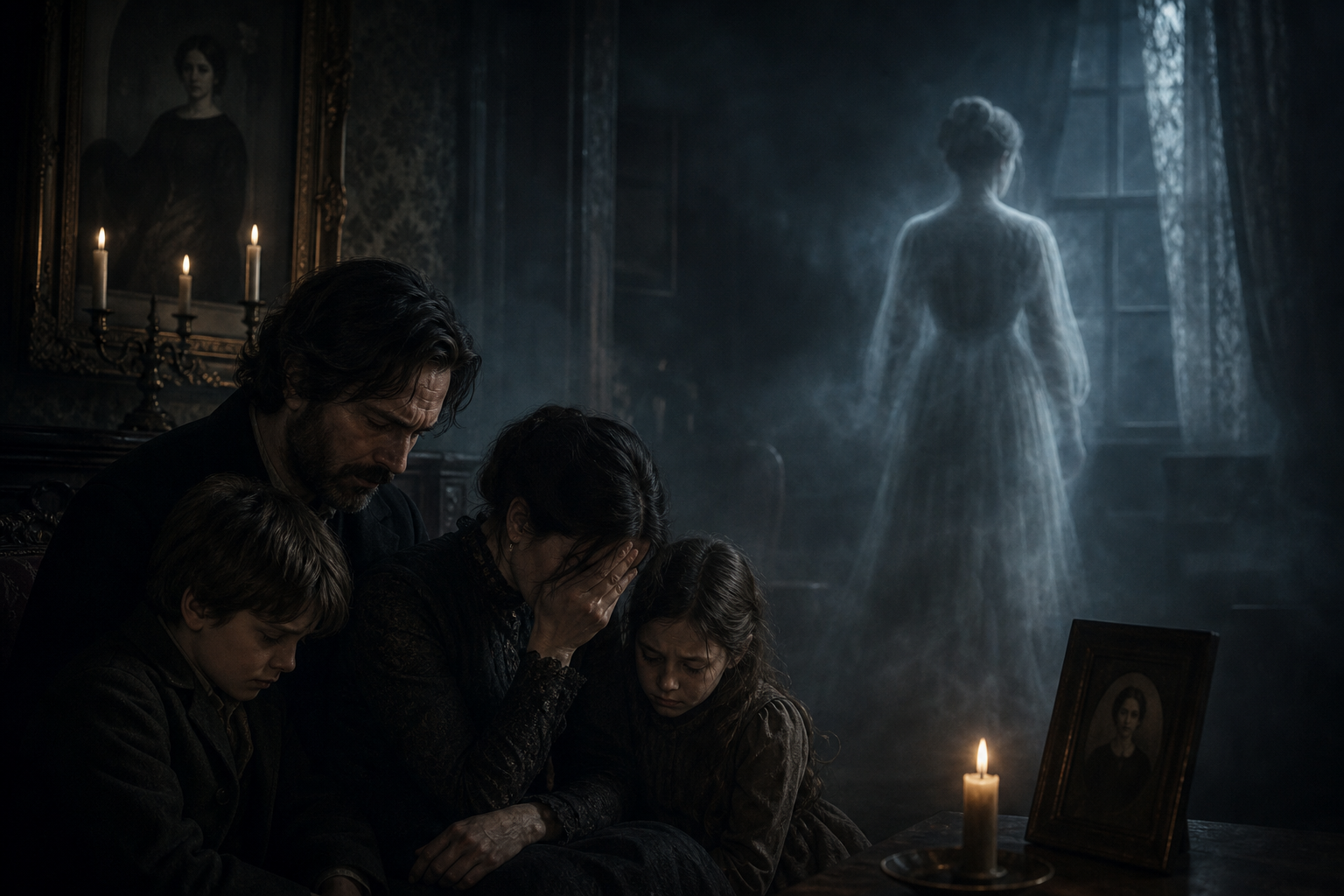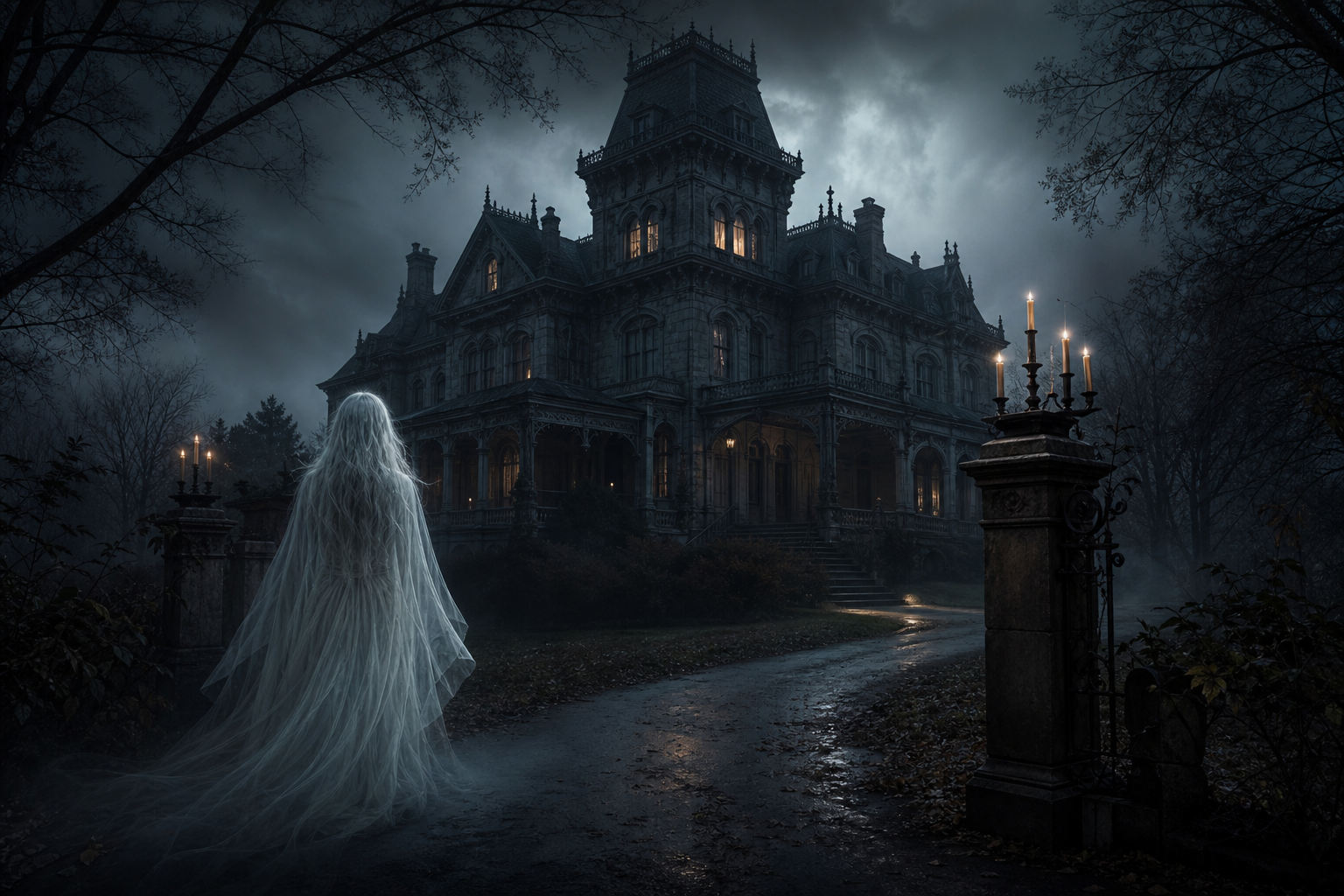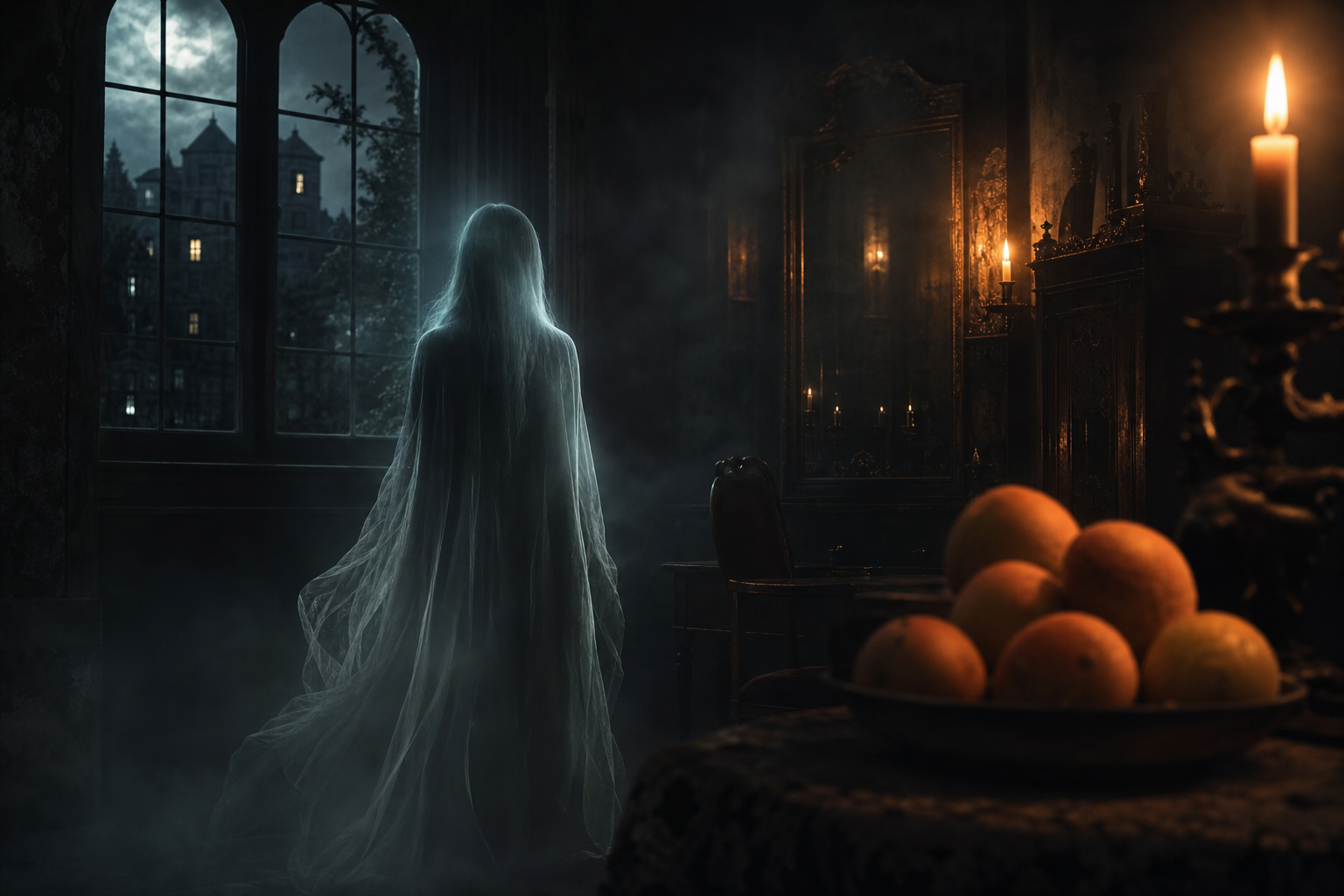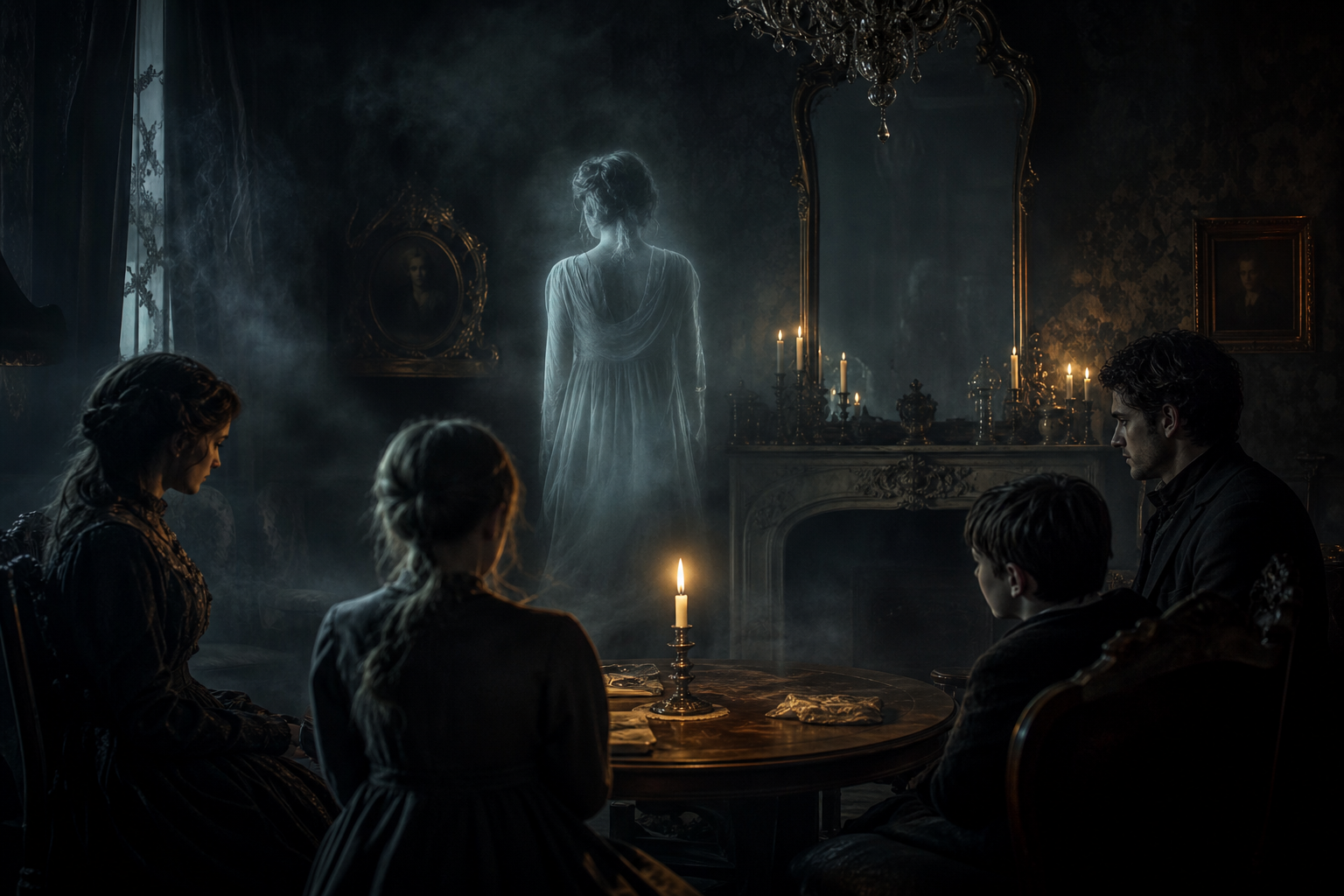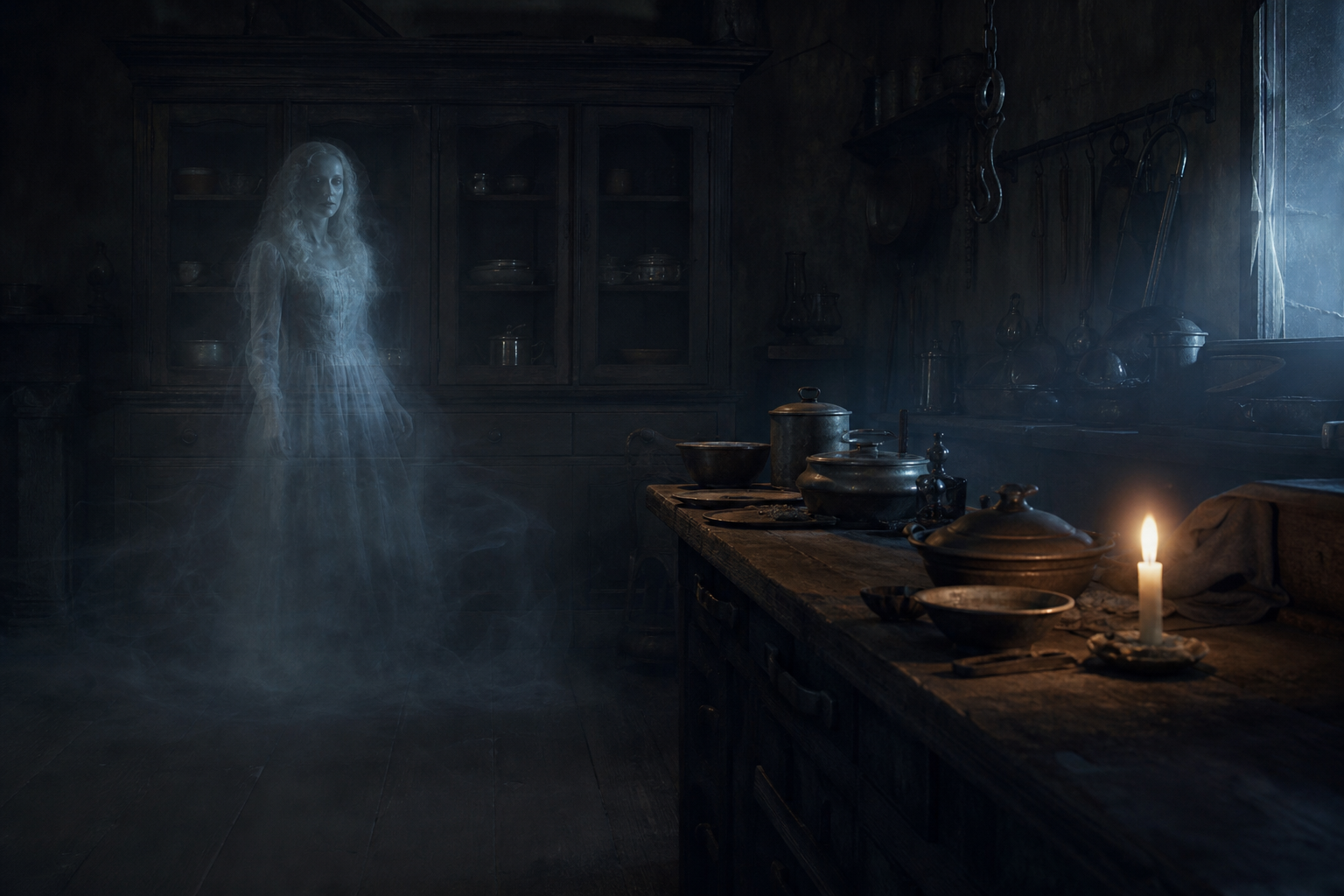
The quiet of a suburban street at 1:00 AM is usually a source of comfort, a time when the world slows down and the hum of daily life fades into a peaceful silence. However, for one family living in a rental home backed by a dark, wooded railway embankment, that silence was shattered by something far more sinister than a passing train. What began as a routine trip to the kitchen for a glass of water transformed into a chilling encounter with a mimic—a paranormal entity capable of stealing the voices of the living to lure unsuspecting victims into the dark.
The Shadow of the Railway Embankment
The setting for this unsettling event was a seemingly charming rental house, identical in style to the family’s previous home just across the street. While the architecture felt familiar and safe, the geography of the backyard told a different story. Unlike their old home, which backed onto friendly neighbors, this property bordered a steep, densely wooded slope leading up to abandoned tracks and sprawling farmers’ fields. During the day, the greenery was picturesque, but as the sun dipped below the horizon, the woods took on a heavy, watchful atmosphere.
In the world of paranormal research, locations near old railways or transitional spaces like embankments are often cited as “liminal spaces.” These areas are believed to act as conduits for spiritual energy, where the veil between our world and the unknown is at its thinnest. It was in this environment, amidst the emotional upheaval of a family divorce, that the entity chose to make its presence known. Many experts believe that high-stress environments can act as a battery, providing the ectoplasmic energy necessary for a spirit to manifest or vocalize.
A Voice from the Darkness
The incident occurred on a weekend night around 2019. While the mother slept soundly in front of the television, the witness retreated to the kitchen to grab a drink. After finishing the task, they turned off the light and pulled the door shut, plunging the room into total darkness. Immediately, a voice rang out from the pitch-black kitchen. It was unmistakable: the voice of their younger brother, clear and calm, saying, “I’m in here.”
The response was instinctual. Assuming the brother had slipped into the room unnoticed and was now trapped in the dark, the witness apologized and flicked the light switch back on. The kitchen was empty. There was no place to hide, no back door left ajar, and no sign of the boy. A quick check of the bedrooms confirmed the terrifying reality: the younger brother was fast asleep in his bed, tucked away in a different part of the house. He hadn’t moved an inch, yet his auditory double had just spoken from the shadows.
The Phenomenon of the Paranormal Mimic
What the witness experienced is a classic example of a mimic, a type of haunting that is as baffling as it is terrifying. Unlike a standard residual haunting, where a sound or scene plays back like a recording, a mimic appears to interact with the living in real-time. These entities often use the voices of loved ones—mothers, children, or siblings—to create a false sense of security or to draw a person into a specific room.
In this particular case, the mimicry was followed by a sudden physical disturbance. As the witness stood in the empty kitchen, a stack of plates on the draining board suddenly shifted and crashed to the floor. While the family was used to precarious dish-stacking, the timing was too perfect to ignore. In poltergeist theory, the movement of objects often follows a vocalization, suggesting that the entity is gaining enough strength to manipulate the physical environment. Was the voice a distraction, or was the crash a reaction to being discovered?
Historical Context and Similar Encounters
The “I’m in here” or “Help me” vocalization is a recurring theme in cryptid and ghost lore. From the legendary Fleshgait of North American folklore to the Vardøger of Scandinavian myth—a spirit predecessor that performs a person’s actions before they arrive—the idea of a vocal double is deeply embedded in human history. These stories often warn that responding to or following these voices can lead to misfortune, as the entity behind the voice is rarely benevolent.
In modern accounts, mimics are frequently reported in homes that are near “wild” borders, such as the wooded embankment in this story. These spirits seem to “learn” the sounds of the household, practicing the pitch and cadence of the residents until they can replicate them perfectly. For this family, the rental house was no longer just a home; it had become a hunting ground for a voice that didn’t belong to the living.
Have you ever heard a loved one call your name, only to find out they weren’t even home at the time?
Recommended Resources
- 🤖 Viktor AI — The autonomous AI platform we use to run our marketing operations. Hire Viktor to handle blogging, lead research, audits, and more.
- 💳 Greenlight — The money app and debit card for kids and teens. Teach your kids to earn, save, and invest. Earn $30 when you sign up.
- ⛏️ GoMining — Earn Bitcoin through cloud mining without the hardware hassle. A passive way to get into crypto.
- 🏦 Mercury — The business banking account built for startups and small businesses. No fees, powerful tools, and easy to set up.