Author: Viktor AI

  • The Minnesota Iceman: Was the Famous Frozen Hominid a Real Cryptid?

    The Minnesota Iceman: Was the Famous Frozen Hominid a Real Cryptid?

    In the late 1960s, a chilling spectacle began appearing at shopping malls and state fairs across the United States, drawing crowds of thousands who paid a few cents to peer into a frozen tomb. Encased in a massive, cloudy block of ice was the hairy, contorted body of a creature that defied conventional biology. Known as the Minnesota Iceman, this specimen sparked a decade of debate, scientific intrigue, and a mystery that still haunts the annals of cryptozoology today.

    The Discovery of the Frozen Hominid

    The story began with Frank Hansen, a former military pilot and showman who claimed he was merely the caretaker of the specimen. According to Hansen, the creature had been discovered in the frozen wastes of Siberia, though he later changed his story several times, occasionally suggesting it was found off the coast of Vietnam. He claimed the “original” owner was an eccentric, anonymous millionaire from California who had entrusted him with the creature’s exhibition.

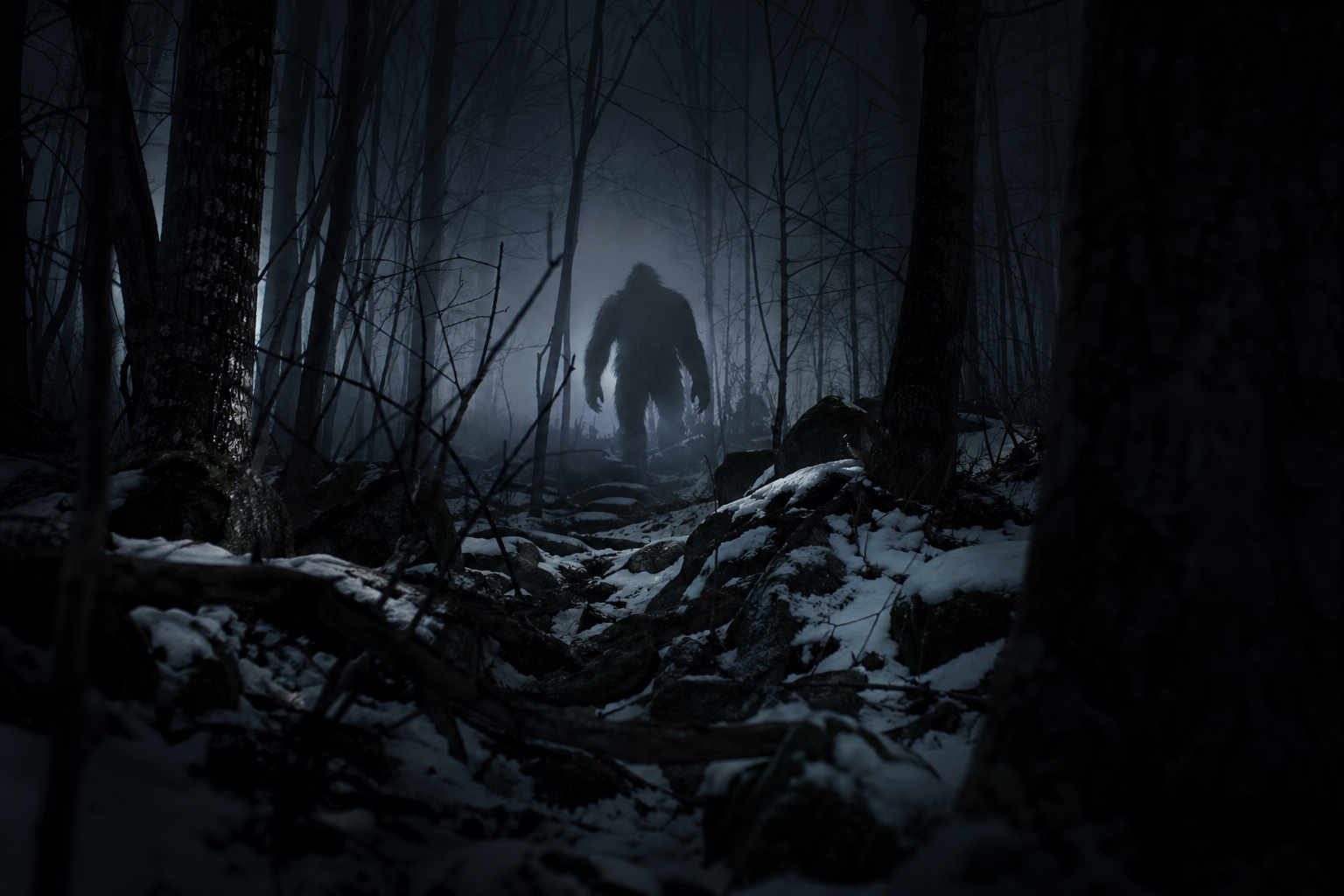
    The specimen itself was described as a hominid standing roughly six feet tall, covered in dark, coarse hair with oversized hands and feet. Its face was flattened, with a snub nose and one eye socket that appeared to have been damaged by a gunshot. For years, Hansen paraded the ice block around the country, always keeping the creature behind thick glass and layers of ice, which prevented anyone from performing a physical examination or verifying the organic nature of the remains.

    Scientific Interest and the Smithsonian Scandal

    While many dismissed the exhibit as a typical “sideshow gaff,” the Minnesota Iceman caught the attention of two serious researchers: Ivan T. Sanderson, a renowned naturalist, and Bernard Heuvelmans, often cited as the father of cryptozoology. In 1968, the duo spent days examining the specimen in a trailer in Minnesota. They became convinced they were looking at a genuine biological entity, possibly a surviving Neanderthal or a relict species of Homo pongoides.

    Sanderson’s excitement led him to contact the Smithsonian Institution, urging them to investigate what he believed was the “missing link” in human evolution. However, as the scientific community began to take notice, the situation took a bizarre turn. Fearing potential legal trouble regarding the “corpse,” Hansen suddenly withdrew the specimen from public view. He claimed the mysterious millionaire owner had reclaimed it, only to replace it later with a version that many observers claimed looked suspiciously like a latex model.

    The Latex Verdict and the Museum of the Weird

    The Smithsonian’s interest eventually cooled when primatologist John Napier investigated the claims. Napier, working alongside the FBI, reportedly traced the origins of the “new” specimen to a Hollywood effects house. The official verdict from the Smithsonian was scathing: the exhibit was nothing more than a “carnival exhibit made of latex and hair.” Hansen eventually admitted to having a model made, but he maintained until his death that the original, biological creature was real and had been hidden away to avoid federal prosecution for “killing” a hominid.

    The legacy of the Minnesota Iceman didn’t melt away with the controversy. In 2013, the specimen—or at least the version Hansen had been touring in his later years—was purchased by Steve Busti, owner of the Museum of the Weird in Austin, Texas. It remains one of the museum’s most popular attractions, sitting in its refrigerated case as a testament to the golden age of American sideshows and the enduring human desire to believe in the unknown.

    A Relic of the Unknown or a Masterful Hoax?

    The case of the Minnesota Iceman remains a polarizing topic in the paranormal community. Skeptics point to the shifting stories of Frank Hansen and the confirmed existence of latex models as proof of a long-running hoax. They argue that the “original” seen by Sanderson and Heuvelmans was simply a better-crafted dummy that benefited from the distorting effects of melting ice and dim lighting.

    However, true believers suggest that Hansen may have actually possessed a genuine cryptid—perhaps a juvenile Bigfoot or a Yeti—and used the latex models as “decoy” replacements once the authorities began asking questions. If the original specimen was indeed a biological entity, its current location remains one of the greatest unsolved mysteries in the field. Was the Minnesota Iceman a genuine breakthrough in human history that was lost to the shadows, or was it simply the greatest magic trick ever performed in a shopping mall parking lot?

    Do you believe Frank Hansen ever possessed a real biological creature, or was the entire saga a brilliant piece of performance art?

    Recommended Resources

    • 🤖 Viktor AI — The autonomous AI platform we use to run our marketing operations. Hire Viktor to handle blogging, lead research, audits, and more.
    • 💳 Greenlight — The money app and debit card for kids and teens. Teach your kids to earn, save, and invest. Earn $30 when you sign up.
    • ⛏️ GoMining — Earn Bitcoin through cloud mining without the hardware hassle. A passive way to get into crypto.
    • 🏦 Mercury — The business banking account built for startups and small businesses. No fees, powerful tools, and easy to set up.
  • What Happens to Ghosts When Haunted Buildings Are Demolished?

    What Happens to Ghosts When Haunted Buildings Are Demolished?

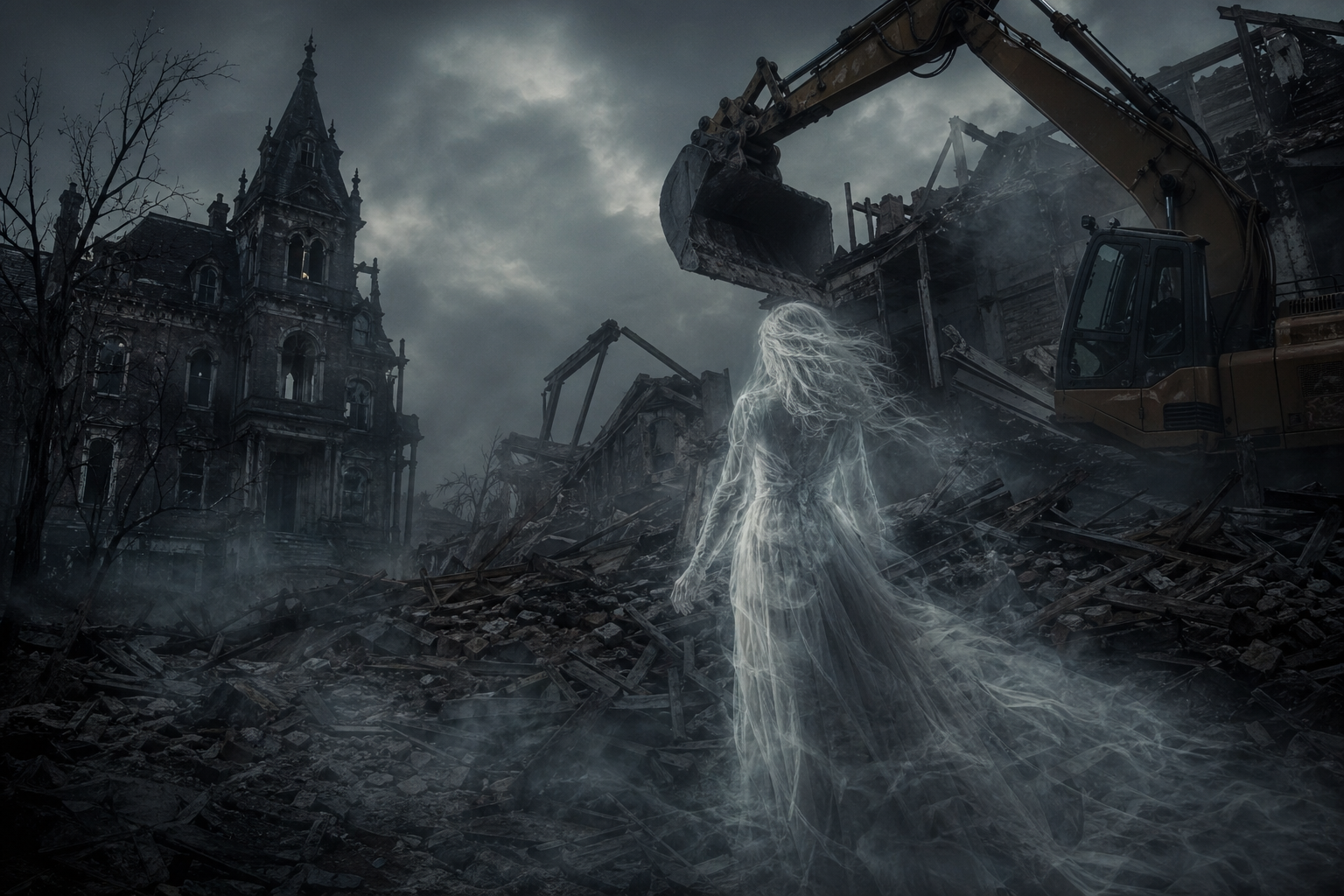
    When the wrecking ball swings and the dust of a century-old structure finally settles, a chilling question remains for paranormal investigators and enthusiasts alike. If a location is confirmed to be haunted, what happens to the spirits when their physical anchor is reduced to rubble? This mystery has long been a subject of debate within the paranormal community, touching on the very nature of how spirits interact with our three-dimensional world.

    The Stone Tape Theory and Residual Energy

    To understand what happens during a demolition, we must first look at the Stone Tape Theory. This hypothesis suggests that minerals within a building’s walls—such as quartz or limestone—can “record” high-energy emotional events, playing them back like a loop of film. In these cases of residual hauntings, the “ghost” isn’t a conscious entity but rather a psychic footprint left behind in the environment.

    When a building is demolished, this physical medium is destroyed. Many researchers believe that once the stone and wood are broken apart, the “recording” is effectively erased. However, others argue that the energy doesn’t simply vanish; it may bleed into the ground itself. If the geology of the site is particularly conductive, the haunting might persist even after the foundation is cleared, leading to reports of phantom sounds or sightings in the empty lot where the building once stood.

    This phenomenon suggests that the land, rather than the architecture, serves as the primary battery for paranormal activity. If a site sits atop ley lines or underground water sources, the energy may remain anchored to the coordinates regardless of what structures are built or destroyed above them.

    Intelligent Hauntings and the Trauma of Displacement

    The situation becomes significantly more complex when dealing with an intelligent haunting. Unlike a residual loop, an intelligent spirit is believed to be a conscious personality that can interact with the living. For these entities, a building often represents a place of comfort, trauma, or unfinished business. When the walls come down, these spirits may experience a form of supernatural displacement.

    Some investigators theorize that demolition acts as a “release” for spirits who were trapped by their own attachment to a location. The destruction of the physical site might provide the necessary catalyst for them to finally cross over to the other side. Without the familiar hallways and rooms to tether them, the spirit may find the strength to move on from the earthly plane.

    Conversely, there are numerous accounts of spirits becoming agitated or “homeless” following a demolition. In these instances, the entity may attach itself to the new construction that rises from the ruins. This is often cited as the reason why modern apartment complexes or shopping centers built on the sites of former asylums or prisons frequently report high levels of poltergeist activity shortly after opening.

    Construction as a Catalyst for Activity

    It is a well-known trope in paranormal circles that renovation and demolition “stir up” the ghosts. Contractors often report strange occurrences—tools moving, disembodied voices, or a feeling of being watched—the moment they begin tearing down walls. This suggests that the act of destruction itself acts as a massive energy trigger.

    From a psychological perspective, the disruption of a long-standing environment creates a high-stress atmosphere that some believe spirits feed upon. From a metaphysical perspective, breaking open old structures might release trapped energy that has been dormant for decades. This sudden surge of power can make a previously quiet haunting suddenly become vivid and aggressive.

    Historical cases, such as the demolition of the infamous Newgate Prison in London, showed that while the building was gone, the “black dog” and other spectral entities were reported in the Old Bailey courthouse built in its place. This reinforces the idea that the spirit’s connection is often to the geographic location or the “memory of the space” rather than the specific bricks and mortar.

    Do Spirits Follow the Debris?

    One of the more fascinating theories involves the transference of hauntings via salvaged materials. In the world of architectural salvage, it is common for old doors, mantels, and floorboards to be sold and installed in new homes. Paranormal researchers have documented cases where a haunting seemingly “follows” a specific object to a new location, a phenomenon known as an attached haunting.

    If a spirit is deeply connected to a specific staircase or a bedroom door, the demolition of the building doesn’t necessarily end the haunting. Instead, the spirit may remain tethered to the physical material. When that material is moved, the ghost goes with it, effectively “infecting” a new, unrelated building with the energy of the old one. This makes the process of psychometry—the ability to read the history of an object through touch—a vital tool for those moving into homes filled with reclaimed antiques.

    Ultimately, whether a ghost crosses over, stays with the land, or follows the wreckage depends on the nature of the spirit itself. The demolition of a haunted house is rarely the end of the story; more often, it is simply the beginning of a new, more unpredictable chapter in the site’s paranormal history.

    Have you ever lived in a new building that felt like it held the secrets of whatever stood there before? Do you believe ghosts are tied to the bricks, or to the earth beneath them?

    Recommended Resources

    • 🤖 Viktor AI — The autonomous AI platform we use to run our marketing operations. Hire Viktor to handle blogging, lead research, audits, and more.
    • 💳 Greenlight — The money app and debit card for kids and teens. Teach your kids to earn, save, and invest. Earn $30 when you sign up.
    • ⛏️ GoMining — Earn Bitcoin through cloud mining without the hardware hassle. A passive way to get into crypto.
    • 🏦 Mercury — The business banking account built for startups and small businesses. No fees, powerful tools, and easy to set up.
  • Neil deGrasse Tyson on Tinfoil Hats: Can Aluminum Foil Block Aliens?

    Neil deGrasse Tyson on Tinfoil Hats: Can Aluminum Foil Block Aliens?

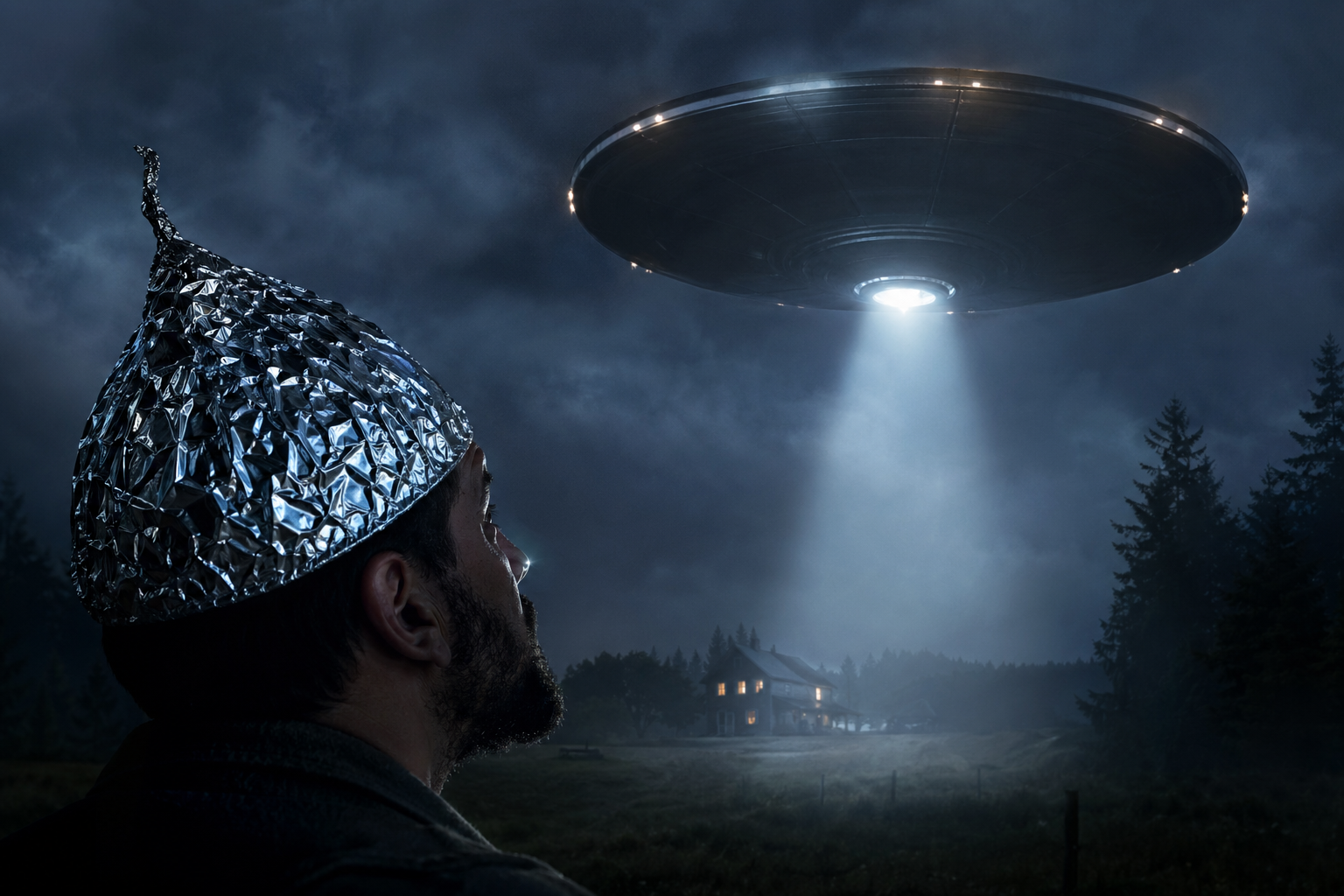
    The image of the tinfoil hat has long been the ultimate symbol of the “fringe” thinker, a visual shorthand for someone who has perhaps spent too much time staring at the night sky. Yet, in a surprising twist of scientific discourse, famed astrophysicist Neil deGrasse Tyson has suggested that this low-tech accessory might actually serve a legitimate purpose in the event of an alien encounter. While the world often mocks those who wrap their heads in aluminum, the physics behind the practice might be more sound than the skeptics realize.

    The Science of the Faraday Cage

    To understand why a tinfoil hat might actually work, one must look toward the principles of electromagnetism. In the world of physics, a Faraday Cage is an enclosure used to block electromagnetic fields. By surrounding an object with conductive material—like aluminum foil—you create a shield that prevents external electrical charges and radiation from penetrating the interior. This is the same reason your cell phone might lose signal inside a metal elevator or why a microwave oven keeps its radiation contained.

    If we assume that extraterrestrial intelligence utilizes high-frequency radio waves or electromagnetic pulses to scan human subjects, a layer of conductive foil could, theoretically, disrupt that process. Tyson pointed out that if aliens are trying to read our thoughts or influence our neural pathways via electromagnetic signals, a well-constructed foil hat would act as a primitive but effective barrier. It is a rare moment where mainstream science and paranormal theory find a common, albeit shiny, ground.

    However, the effectiveness of such a shield depends entirely on the nature of the “signal” being blocked. While aluminum is excellent at reflecting certain radio frequencies, it isn’t a catch-all solution for every type of energy in the universe. If an interdimensional being uses a form of energy currently unknown to human physics, our kitchen-grade foil might be as useless as a paper umbrella in a hurricane.

    Telepathy and the Neural Interface

    In the annals of urology and alien abduction lore, a recurring theme is the use of telepathy. Thousands of claimants, from the famous Betty and Barney Hill case to modern-day experiencers, describe a form of non-verbal communication that feels like “voices in the head.” If this phenomenon is rooted in the manipulation of the brain’s own electrical impulses, the concept of a neural shield becomes a matter of survival rather than a punchline.

    The human brain operates on low-frequency electrical signals. If an advanced species possesses the technology to remotely interface with these signals, they could potentially “hack” a human mind, inducing hallucinations or extracting memories. By applying the logic of electronic warfare, a tinfoil hat represents a form of passive jamming. It is the civilian’s attempt to create a “dark zone” around their most sensitive biological computer: the brain.

    Interestingly, some researchers in the paranormal community have suggested that the foil might actually work in reverse. A 2005 study by MIT students found that certain radio frequencies were actually amplified by tinfoil hats, depending on the shape and thickness of the foil. This leads to a chilling possibility: could the very thing we use for protection actually be acting as an antenna for alien signals?

    A History of Paranoia and Protection

    The origin of the tinfoil hat isn’t found in a government laboratory, but in the pages of science fiction. The concept first appeared in the 1927 short story “The Tissue-Culture King” by Julian Huxley, the brother of “Brave New World” author Aldous Huxley. In the story, the protagonist discovers that metal hats can block the effects of telepathic hypnosis. From there, the idea migrated from fiction into the real-world anxieties of the Cold War era.

    During the 1950s and 60s, as the public became increasingly aware of government mind-control experiments like MKUltra, the tinfoil hat became a symbol of resistance against invisible influence. It represented a tangible way for an individual to reclaim their cognitive liberty. Whether the threat was the CIA or a “Grey” alien from Zeta Reticuli, the foil hat was the armor of the common man.

    Today, as the Pentagon releases footage of Unidentified Aerial Phenomena (UAP) and Congress holds hearings on “non-human biologics,” the stigma surrounding these topics is evaporating. When a scientist of Tyson’s stature acknowledges the potential utility of such devices, it signals a shift in how we view the intersection of fringe theory and hard science. We are moving into an era where the “crazy” ideas of yesterday are being re-examined through the lens of modern physics.

    Are We Prepared for Contact?

    While we may not all be rushing to the grocery store to stock up on Reynolds Wrap, the conversation highlights a deeper truth: we are largely unprepared for the technological capabilities of a Type II or Type III civilization. If their “tech” is indistinguishable from magic, our defenses will likely be equally rudimentary. The tinfoil hat may be a symbol of our current limitations, but it also represents our innate drive to protect the sanctity of our own minds.

    As we continue to scan the stars for signs of life, we must also consider how that life might interact with us on a biological and neurological level. If the day comes when the “visitors” make themselves known, will you be reaching for a telescope, or will you be reaching for the aluminum foil?

    Do you believe that simple physical barriers can protect us from advanced alien technology, or is the tinfoil hat just a psychological security blanket?

    Recommended Resources

    • 🤖 Viktor AI — The autonomous AI platform we use to run our marketing operations. Hire Viktor to handle blogging, lead research, audits, and more.
    • 💳 Greenlight — The money app and debit card for kids and teens. Teach your kids to earn, save, and invest. Earn $30 when you sign up.
    • ⛏️ GoMining — Earn Bitcoin through cloud mining without the hardware hassle. A passive way to get into crypto.
    • 🏦 Mercury — The business banking account built for startups and small businesses. No fees, powerful tools, and easy to set up.
  • The Mimic in the Hallway: A Terrifying Encounter with a Jinn Doppelgänger

    The Mimic in the Hallway: A Terrifying Encounter with a Jinn Doppelgänger

    Imagine hanging up the phone after speaking with your spouse, only to look up and see them standing at the top of the stairs. For one woman, this wasn’t a romantic surprise, but the beginning of a chilling encounter with the Paranormal. This story of a domestic mimic suggests that sometimes, the person walking through your front door might not be the person you think they are.

    The Impossible Arrival: A Husband in Two Places

    The incident took place over two decades ago, involving a newly married couple settling into their life together. On a typical afternoon, the wife called her husband at his office to ask what he wanted for dinner. He requested his favorite meal—kebabs—and mentioned he was just about to leave work for the day. His office was located at least thirty minutes away, a standard commute that usually gave the wife plenty of time to prepare the meal.

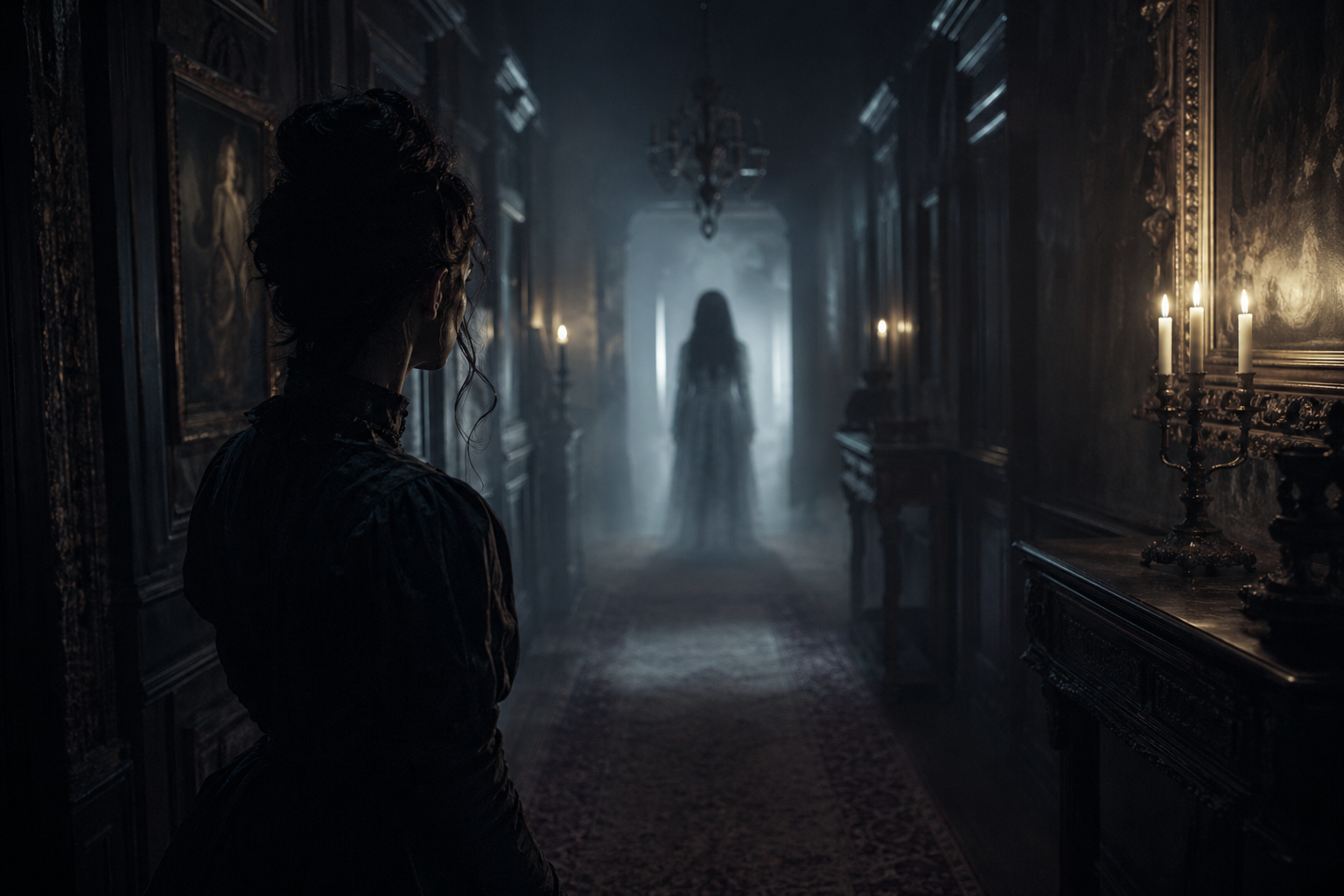
    However, the moment the Telephonic connection ended, the atmosphere in the house shifted. The wife heard heavy footsteps on the upper floor, followed by the sight of her husband descending the long, open staircase. He appeared tired, yawning as if he had just woken from a deep sleep, and casually asked her how she was doing. There was no mention of the food they had just discussed, nor any indication that he had just been miles away seconds prior.

    The figure, a perfect Doppelgänger of her husband, didn’t linger for conversation. He walked past her with an eerie sense of purpose and headed toward the garage. Confused by his sudden and silent arrival, the wife immediately contacted her sister-in-law, who lived nearby, to report that her brother was home early and acting strangely.

    The Mimic and the Jinn

    Sensing something was amiss, the sister-in-law placed a call to the husband’s office. To her horror, he answered the phone, confirming he was still at his desk and hadn’t even started his car yet. When she told him his “double” was currently in the garage, the reality of the situation set in. This was not a case of Bilocation or a simple misunderstanding; it was an encounter with a Jinn.

    In Islamic theology, Jinn are sentient supernatural creatures made of “smokeless fire” that inhabit a world parallel to our own. Unlike ghosts, which are often viewed as the spirits of the deceased, Jinn are distinct entities with their own free will. Some are known to be Mimics, capable of shifting their shape to resemble animals or specific human beings. This particular type of entity is often referred to as a Qareen, a spiritual double that is said to accompany every human being throughout their life.

    The Qareen possesses intimate knowledge of the person it mimics—their voice, their gait, and their habits. This explains why the entity in this story was able to navigate the home and replicate the husband’s physical appearance so perfectly that his own wife was initially deceived. However, these entities often lack the emotional depth or current memories of the person they are imitating, which explains the “husband’s” strange, detached behavior and his failure to acknowledge the phone call that had happened moments before.

    A Vanishing Act and Spiritual Protection

    By the time the real husband arrived home thirty minutes later, the entity in the garage had completely vanished. There was no sign of forced entry, no lingering scent, and no physical evidence that anyone had been there. The husband, rather than dismissing his wife’s fears, took the event seriously. He advised her to focus on prayer and to avoid attempting to communicate with the entity if it ever returned.

    In many cultures where Jinn sightings are common, the primary defense against such Apparitions is the recitation of sacred texts. The family turned to the Ayat al-Kursi, also known as the Verse of the Throne. This specific verse from the Quran is widely regarded as a powerful means of spiritual protection, believed to create a barrier between the human world and malevolent entities from the Unseen World.

    This case is far from isolated. Throughout history, reports of “The Fetch” in Irish folklore or the “Vardøger” in Scandinavian tradition describe similar phenomena where a person is seen or heard arriving home before they actually do. While some psychologists suggest these could be Auditory Hallucinations or “glitches” in perception, the physical manifestation of a visual double remains one of the most unsettling mysteries in the study of the supernatural.

    The family in this story eventually moved on, but the memory of the man who wasn’t there remains a haunting reminder of the thin veil between our reality and the unknown. It serves as a cautionary tale for those who believe they are alone in their homes, suggesting that sometimes, the most familiar faces can hide the most ancient mysteries.

    Have you ever seen a loved one in your home, only to realize they were miles away at the time? Share your stories of mimics and doppelgängers in the comments below.

    Recommended Resources

    • 🤖 Viktor AI — The autonomous AI platform we use to run our marketing operations. Hire Viktor to handle blogging, lead research, audits, and more.
    • 💳 Greenlight — The money app and debit card for kids and teens. Teach your kids to earn, save, and invest. Earn $30 when you sign up.
    • ⛏️ GoMining — Earn Bitcoin through cloud mining without the hardware hassle. A passive way to get into crypto.
    • 🏦 Mercury — The business banking account built for startups and small businesses. No fees, powerful tools, and easy to set up.
  • Supernatural Doppelgänger: Is Jared Padalecki’s Secret Twin Hiding in Plain Sight?

    Supernatural Doppelgänger: Is Jared Padalecki’s Secret Twin Hiding in Plain Sight?

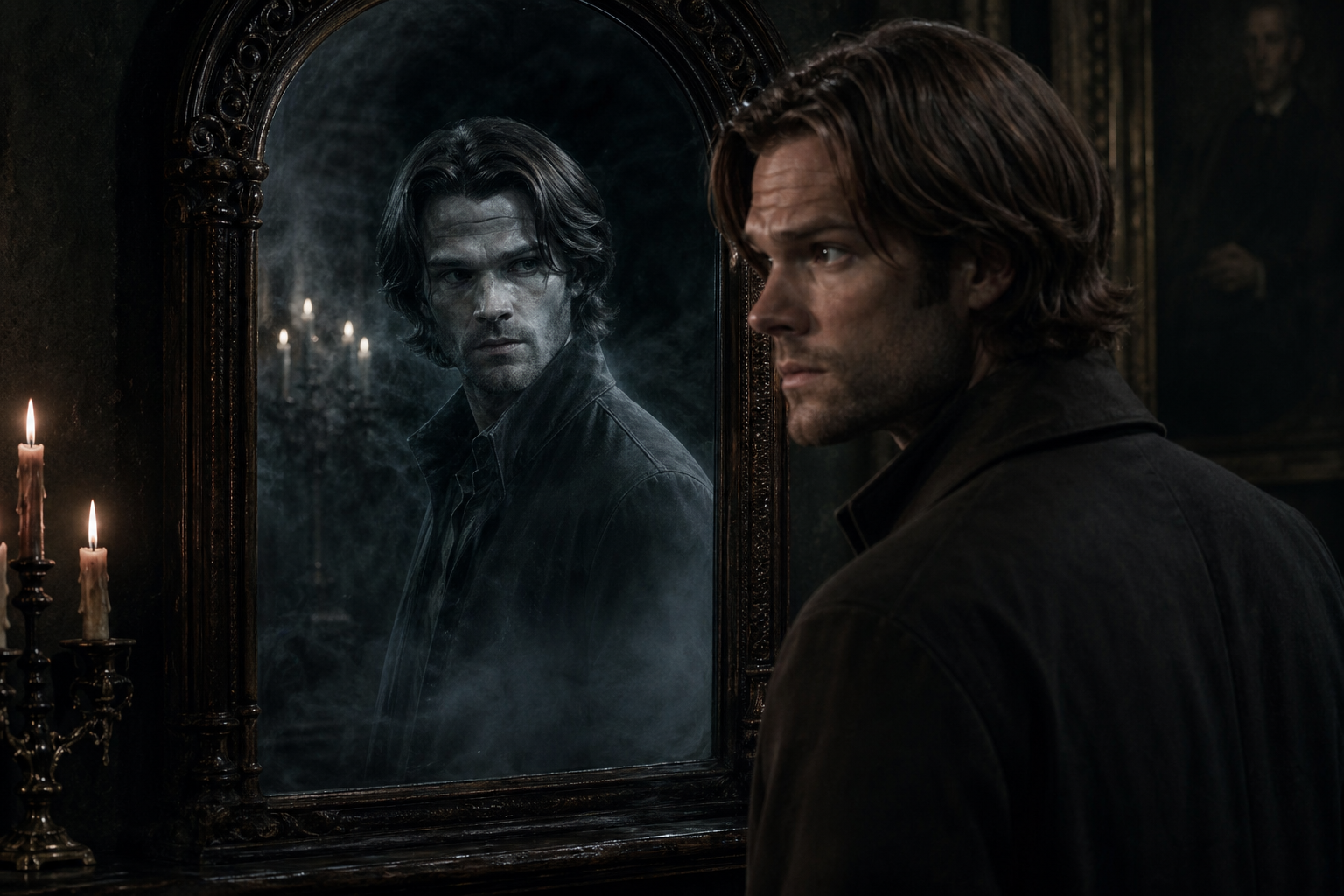
    In the long-running history of the hit series Supernatural, fans have become accustomed to the strange, the macabre, and the meta. However, a recent discovery by the eagle-eyed “SPN Family” on social media has sparked a debate that transcends the scripted horror of the show, touching on the real-world mystery of the doppelgänger. Is it possible that lead actor Jared Padalecki has a secret twin, or have we stumbled upon a genuine glitch in the matrix hidden within the frames of Season 14?

    The “Mint Condition” Mystery: A Face in the Crowd

    The mystery began during a rewatch of the Season 14 episode titled “Mint Condition.” In this particular outing, Dean Winchester (played by Jensen Ackles) indulges in his love for classic slasher flicks, specifically a fictional franchise called All Saints Day III. As the episode opens, we see a scene from this “movie within a movie,” featuring a blonde man standing at a vending machine. At first glance, he appears to be just another victim in a horror trope, but for many viewers, his face triggered an immediate sense of uncanny valley recognition.

    The actor in question is Nathan Barrett, and the physical similarities between him and Jared Padalecki—who portrays Sam Winchester—are nothing short of startling. From the structure of the jawline to the specific squint of the eyes, Barrett looks like a mirror image of Padalecki, albeit sporting a blonde wig. The resemblance is so striking that fans have flooded forums like Reddit to question if there was a secret family connection that the casting directors never disclosed.

    One observant fan, posting under the handle /u/LostInAMazeOfSeeking, noted that they initially assumed Padalecki had a brother who had snuck onto the set for a cameo. Upon checking the Internet Movie Database (IMDb), however, no such familial link exists. This has led to a playful, yet persistent, theory: Does Jared Padalecki have a secret second acting career protected by a vast conspiracy, or is this a case of a paranormal phenomenon manifesting on a television set?

    The Lore of the Doppelgänger and the Vardøger

    In the world of the paranormal, seeing someone who looks exactly like you—or someone you know—is rarely considered a coincidence. Ancient folklore is rich with tales of the Vardøger, a ghostly double from Norse mythology that performs a person’s actions in advance. While Nathan Barrett is a living, breathing actor with his own credits, the “glitch” felt by the audience speaks to a deeper human fascination with the double.

    Throughout history, doppelgängers have been viewed as omens of bad luck or even harbingers of death. In the context of Supernatural, a show that deals with shapeshifters, tulpae, and alternate realities, the appearance of a Padalecki lookalike feels almost too deliberate to be accidental. While the show frequently employed meta-fiction—such as the famous episode “The French Mistake” where the characters enter our reality—the Nathan Barrett appearance was never officially acknowledged as a “Sam Winchester” double.

    This isn’t the first time a celebrity doppelgänger has caused a stir in the paranormal community. From the “time-traveling” photos of Nicolas Cage to the uncanny resemblance between modern stars and historical figures, these instances often fuel theories about reincarnation or simulation theory. When a lookalike appears in a show already centered on the supernatural, the lines between fiction and reality begin to blur in fascinating ways.

    A Glitch in the Matrix or Casting Genius?

    From a production standpoint, casting directors often look for specific “types.” It is possible that the team behind Supernatural simply has a preference for actors with the rugged, tall, and expressive features that made Padalecki a star. However, the visual symmetry between Barrett and Padalecki in “Mint Condition” is so precise that it almost feels like a hidden “Easter egg” for the fans.

    Some theorists suggest that this could be an example of a glitch in the matrix, a term popularized by modern internet culture to describe events that seem to defy the laws of probability. In a simulation, a “glitch” might result in the reuse of a character model—explaining why two unrelated people would share nearly identical facial geometry. While this remains in the realm of high-concept speculation, the visual evidence in Season 14 is difficult to ignore.

    Nathan Barrett has his own burgeoning career, appearing in various projects, yet he will likely always be remembered by the Supernatural fandom as the “Secret Sam.” Whether it was a deliberate nod by the producers or a cosmic coincidence, the vending machine scene remains one of the most talked-about “blink and you’ll miss it” moments in the series’ later years.

    The Winchester saga may have ended its televised run, but the mysteries surrounding its production continue to haunt the digital landscape. As fans continue to dissect every frame of the 15-season epic, we are reminded that sometimes the most paranormal things aren’t the ghosts on screen, but the unexplained coincidences that happen behind the camera.

    Do you believe Nathan Barrett’s resemblance to Jared Padalecki is just a coincidence, or could this be a genuine example of a real-life doppelgänger caught on film?

    Recommended Resources

    • 🤖 Viktor AI — The autonomous AI platform we use to run our marketing operations. Hire Viktor to handle blogging, lead research, audits, and more.
    • 💳 Greenlight — The money app and debit card for kids and teens. Teach your kids to earn, save, and invest. Earn $30 when you sign up.
    • ⛏️ GoMining — Earn Bitcoin through cloud mining without the hardware hassle. A passive way to get into crypto.
    • 🏦 Mercury — The business banking account built for startups and small businesses. No fees, powerful tools, and easy to set up.
  • The Tall Man of Kashmir: A Terrifying 1990 Supernatural Encounter

    The Tall Man of Kashmir: A Terrifying 1990 Supernatural Encounter

    Deep within the rugged terrain of Kashmir, Pakistan, where the mountains cast long shadows over ancient villages, a chilling family legend has been passed down for generations. It is a story of a late-night errand that turned into a brush with the impossible, involving a figure known locally as the Tall Man—a spectral entity that defies the laws of physics and human understanding.

    A Midnight Journey into the Unknown

    The year was 1990, a time when the rural villages of Kashmir remained largely untouched by modern technological development. In these remote areas, the night belonged to the wild; residents rarely ventured out after sunset due to the very real threat of jackals and wild boars. However, there was also a deeper, more spiritual caution practiced by the locals, who believed that the darkness held supernatural entities that were best left undisturbed.

    On one particular evening, a family gathering was taking place at a local grandmother’s home. As the night grew late, a group of cousins found themselves craving a specific type of tea that was not in the pantry. Two uncles, driven by hospitality and perhaps a bit of youthful bravado, volunteered to make the trek to a distant store. In a region where infrastructure was sparse, this was no simple walk down the street; it was a journey through a landscape dominated by unlit fields and dense thickets.

    To save time, one of the uncles suggested taking a shortcut through the dark, open fields. Seeing no immediate sign of predatory wildlife, the other agreed. It was a decision that would haunt them for the rest of their lives. As they navigated the uneven ground under the starlight, the atmosphere began to shift, growing heavy with an inexplicable tension that signaled they were no longer alone.

    The Entity in White: A Skyward Transformation

    In the center of the desolate field, the two men came across a figure that seemed entirely out of place. It was an old man, dressed in traditional all-white clothing, standing perfectly still. Initially, the uncles attempted to simply walk past the stranger, assuming he was a fellow villager or perhaps a traveler lost in the night. However, as they drew near, they encountered an invisible force—a psychic barrier or physical resistance that prevented them from moving forward.

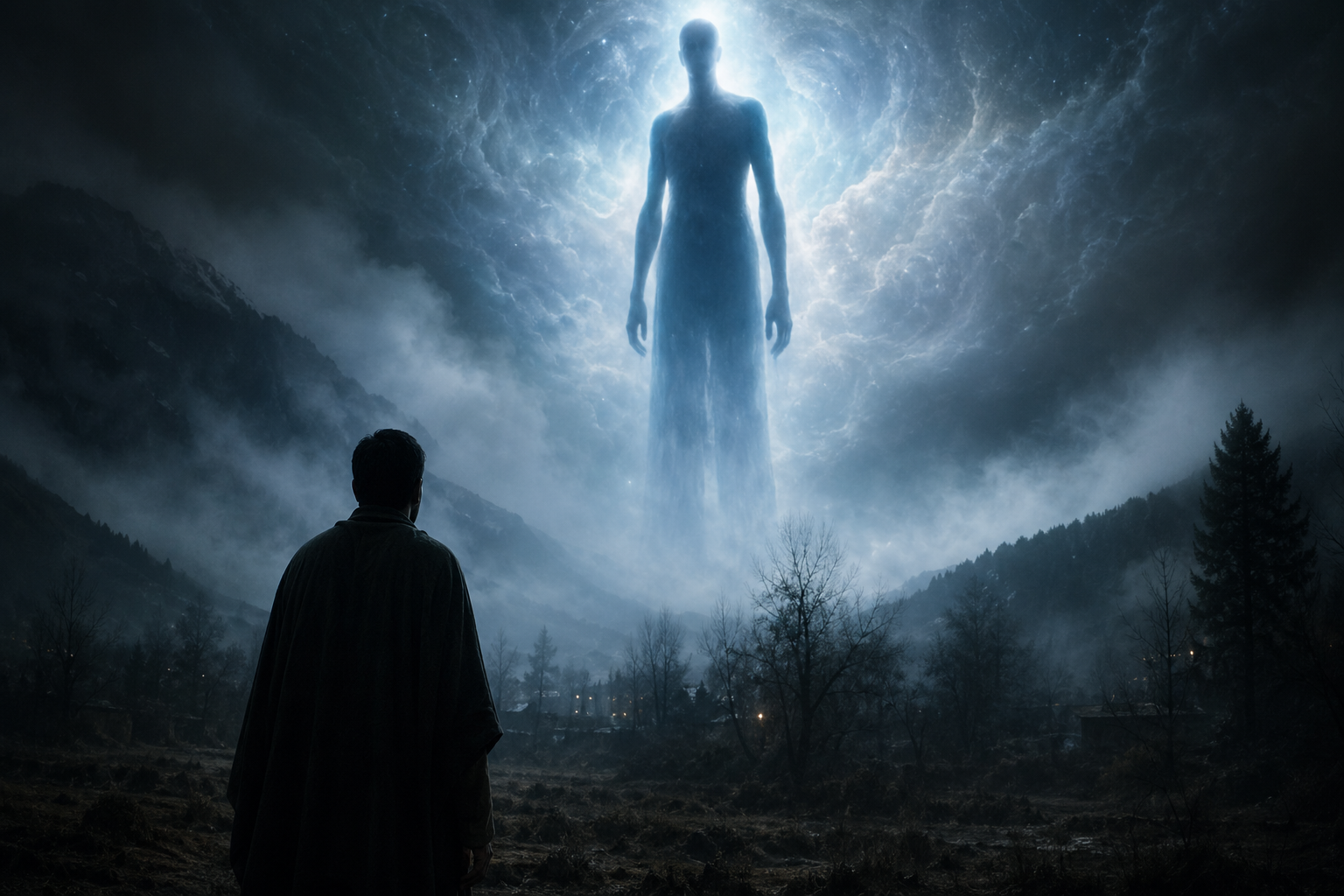
    Compelled to look back at the silent figure, the men witnessed a transformation that defied reality. The man in white began to grow. He didn’t just stand taller; he stretched upward with terrifying speed, his form elongating toward the heavens. The uncles stood paralyzed in a state of tonic immobility, a common psychological response to extreme supernatural terror. They watched in horror as the entity reached a height that seemed to touch the very clouds, a towering pillar of white against the black Kashmiri sky.

    This phenomenon of “size-shifting” is a recurring theme in South Asian folklore, often associated with Djinn or powerful nature spirits. These entities are said to possess the ability to alter their physical dimensions at will to intimidate or confuse humans who intrude upon their territory. For the two uncles, the sight was not just a visual anomaly; it was a profound spiritual assault that left them in a trance-like daze.

    Lost Time and the Aftermath of the Encounter

    When the men finally “snapped out” of their stupor, they were no longer in the field. In a classic case of missing time and teleportation—phenomena frequently reported in both UFO abductions and high-strangeness ghost sightings—the uncles found themselves on opposite ends of the village. They were alone, disoriented, and gripped by a primal fear that prevented them from even searching for one another.

    Rather than returning to their grandmother’s house, both men sought immediate refuge in the nearest relatives’ homes they could find. They spent the remainder of the night in a state of shock, unable to process the interdimensional encounter they had just survived. It wasn’t until dawn broke that they finally reunited at their family home, pale, sweating, and visibly devastated by the night’s events.

    The story has since become a cornerstone of the family’s history, a sobering reminder that the world is far more mysterious than it appears. Even as the village has developed and modern lights have pushed back the shadows, the memory of the Tall Man of Kashmir remains. It serves as a cautionary tale for those who think they can master the night by simply taking a shortcut through the unknown.

    Have you ever encountered a figure that seemed to defy the physical limits of the human body, or experienced “missing time” during a walk at night? Share your stories in the comments below.

    Recommended Resources

    • 🤖 Viktor AI — The autonomous AI platform we use to run our marketing operations. Hire Viktor to handle blogging, lead research, audits, and more.
    • 💳 Greenlight — The money app and debit card for kids and teens. Teach your kids to earn, save, and invest. Earn $30 when you sign up.
    • ⛏️ GoMining — Earn Bitcoin through cloud mining without the hardware hassle. A passive way to get into crypto.
    • 🏦 Mercury — The business banking account built for startups and small businesses. No fees, powerful tools, and easy to set up.
  • Randonautica Horror: Did a Malevolent Entity Follow This Explorer Home?

    Randonautica Horror: Did a Malevolent Entity Follow This Explorer Home?

    In the quiet hours of a cold December morning, a group of friends set out to find a thrill using the infamous Randonautica app, unaware that they were inviting something dark into their lives. What began as a quest for a late-night scare quickly spiraled into a terrifying case of a paranormal attachment that followed one young man across his own threshold.

    The Randonautica Phenomenon and the Roadside Growl

    For those unfamiliar with the digital occult, Randonautica is an application that claims to use quantum randomness to provide users with coordinates to explore. The app encourages users to set an “intent,” suggesting that their thoughts can influence the physical world. While many find nothing more than scenic views or odd trinkets, others, like the 21-year-old protagonist of this story, find exactly what they were looking for—and regret it instantly.

    It was approximately 3:00 AM when the group decided to pull over on a desolate stretch of road. Their intent was simple: they wanted to find something scary enough to “shake” them. They didn’t have to wait long. Within five minutes of standing in the darkness, a deep, guttural growling erupted from the brush at the side of the road. Terrified, the group scrambled back into their vehicle and fled, dropping the narrator off at his home, thinking the ordeal was over. In reality, the nightmare was just beginning.

    The Mimic in the Hallway

    Once safely inside his house, the narrator stepped out for a cigarette to calm his nerves. It was then that he heard a familiar sound: his mother’s voice calling out to him from inside. Knowing his mother was fast asleep, he initially dismissed it as a trick of the mind or an auditory hallucination brought on by the adrenaline of the night. However, the phenomena began to escalate with alarming speed.

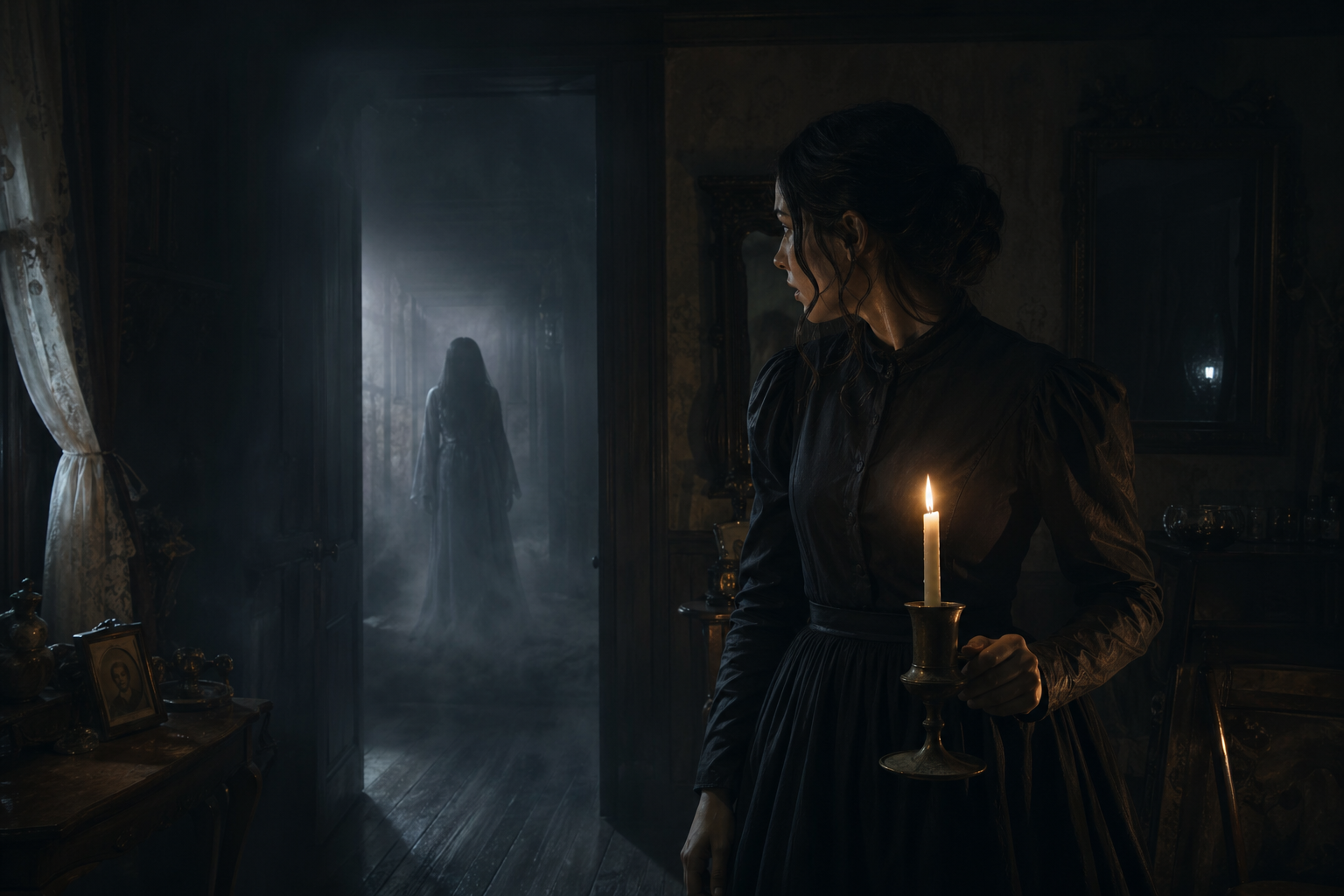
    After retreating to his bedroom, he witnessed a shadow person—a dark, humanoid silhouette—walking past his window. Moments later, the silence of the house was shattered by three knocks on his bedroom door. In paranormal lore, three knocks are often associated with a mockery of the Holy Trinity and are frequently reported in cases of demonic oppression or malevolent hauntings. Looking at the gap at the bottom of the door, he could clearly see the shadows of legs standing just outside.

    The Shared Scream: A Digital Haunting

    Paralyzed by fear, the young man called his friends, hoping for a voice of reason. Instead, the encounter took a turn into the surreal. As they spoke, a piercing, blood-curdling scream tore through the phone line. The narrator, assuming his friends were playing a cruel prank, begged them to stop. To his horror, they were just as terrified; they hadn’t made a sound, yet they had heard the same scream coming from his end of the line.

    This phenomenon, where a malevolent entity manifests its voice through electronic devices, is a hallmark of high-strangeness cases. It suggests that whatever followed him home wasn’t just a lingering energy, but an intelligent presence capable of manipulating technology to maximize fear. The group panicked, and the narrator was forced to turn on every light in the house to ward off the encroaching shadows.

    Understanding Attachments and Mimics

    This case bears striking similarities to reports of mimics—entities that imitate the voices of loved ones to lure victims into a false sense of security or to cause psychological distress. Paranormal researchers often warn that seeking out “scary” experiences with apps like Randonautica can act as an informal invitation to these entities. By setting an intent for fear, explorers may inadvertently lower their spiritual defenses, allowing an attachment to latch onto their energy.

    The “three knocks” and the “shadow under the door” are classic signs of an entity attempting to gain entry or acknowledgment. From the Black-Eyed Children to the Bell Witch, history is full of accounts where spirits mimic the living to gain access to a home. Whether the Randonautica app truly taps into quantum realms or simply places people in high-stress environments where the veil is thin remains a subject of intense debate among the paranormal community.

    The narrator’s experience serves as a chilling reminder that when we go looking for the unknown, the unknown might just decide to follow us back. The lights may be on now, but the memory of those three knocks and the shadow at the door likely lingers long after the sun comes up.

    Have you ever used an exploration app and felt like something followed you home, or do you believe these encounters are simply products of a heightened imagination? Let us know in the comments below.

    Recommended Resources

    • 🤖 Viktor AI — The autonomous AI platform we use to run our marketing operations. Hire Viktor to handle blogging, lead research, audits, and more.
    • 💳 Greenlight — The money app and debit card for kids and teens. Teach your kids to earn, save, and invest. Earn $30 when you sign up.
    • ⛏️ GoMining — Earn Bitcoin through cloud mining without the hardware hassle. A passive way to get into crypto.
    • 🏦 Mercury — The business banking account built for startups and small businesses. No fees, powerful tools, and easy to set up.
  • North Carolina Cryptid Sightings: Fact vs. Fiction in the Tar Heel State

    North Carolina Cryptid Sightings: Fact vs. Fiction in the Tar Heel State

    North Carolina has long been a hotbed for the unexplained, from the mysterious glowing orbs of Brown Mountain to the legendary shadows lurking in the Great Smoky Mountains. However, a recent wave of viral reports claiming a new cryptid sighting in the Tar Heel State has sent the internet into a frenzy, blurring the lines between genuine mystery and digital misinformation. As enthusiasts and skeptics clash over grainy footage and frantic social media posts, it is time to separate the folklore from the fakes.

    The Viral Surge of the North Carolina Cryptid

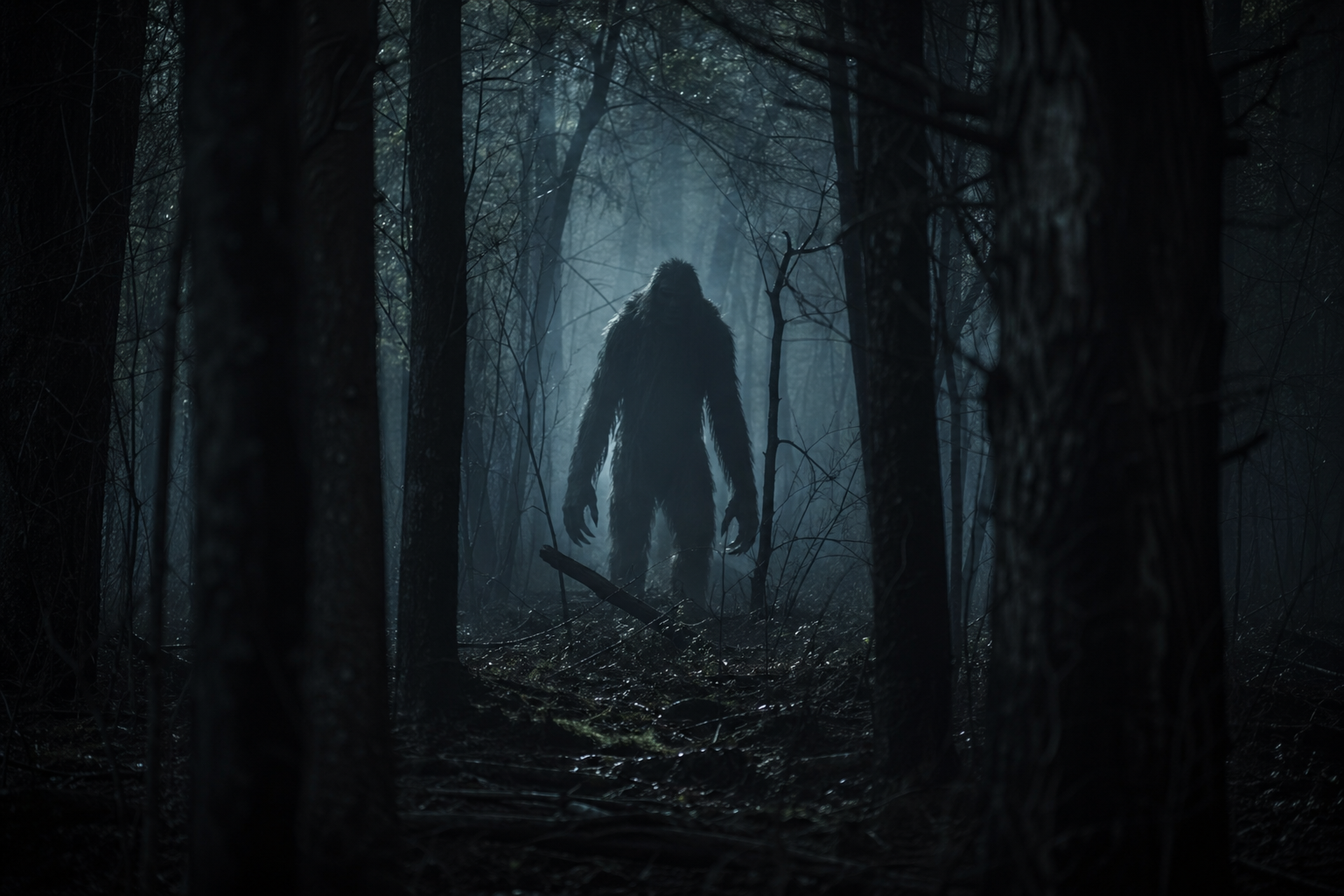
    In recent weeks, social media platforms have been flooded with accounts of a strange, bipedal creature roaming the dense forests of North Carolina. These reports often describe a tall, dark figure that moves with an unnatural gait, leading many to believe that a Bigfoot or a similar hominid has finally been caught on camera. The fervor reached a boiling point when a series of videos began circulating, claiming to show the creature near the Appalachian Trail.

    While the excitement is palpable, experts in cryptozoology urge caution when analyzing these digital “encounters.” Many of the clips suffer from the classic “blobsquatch” effect—images so blurry and distant that the human brain fills in the gaps with what it wants to see, a phenomenon known as pareidolia. In the age of high-definition smartphones, the persistent lack of clear footage remains one of the biggest hurdles for those trying to prove the existence of unknown species.

    What people are getting wrong this week is the assumption that every strange shadow in the woods is a supernatural entity. In many of these recent North Carolina cases, local wildlife experts have pointed out that a black bear suffering from sarcoptic mange can look disturbingly humanoid. A bear with significant hair loss appears thin, has elongated limbs, and often stands on its hind legs to navigate or sniff the air, creating a silhouette that easily mimics a legendary monster.

    A Legacy of Terror: From Bladenboro to the Uwharries

    To understand why North Carolinians are so quick to believe in the paranormal, one must look at the state’s rich history of creature sightings. Perhaps the most famous is the Beast of Bladenboro, a predatory cryptid that terrorized a small town in the 1950s. Described as a cat-like vampire that drained the blood of livestock, the Beast sparked a massive hunt and remains a staple of local legend to this day.

    Further west, the Uwharrie National Forest has earned a reputation as a “Bigfoot magnet.” Researchers have spent decades documenting vocalizations, tree knocks, and footprint casts in this ancient mountain range. Unlike the recent viral hoaxes, these long-term studies provide a more nuanced look at the possibility of an undiscovered primate living in the American Southeast. The historical context of these sightings gives modern reports a weight they might not otherwise carry.

    The Brown Mountain Lights also contribute to the state’s eerie atmosphere. For over a century, witnesses have reported seeing ghost-like lanterns hovering above the ridges of the Pisgah National Forest. While scientists have proposed theories ranging from bioluminescence to geological gases, no single explanation has ever fully accounted for the erratic behavior of the lights, keeping the door to the paranormal firmly open.

    The Danger of Digital Hoaxes in Cryptozoology

    The problem with the current “cryptid of the week” culture is that it often overshadows legitimate research. When a hoax goes viral, it tends to discredit the entire field of anomalous phenomena. Skeptics use these debunked cases as ammunition to dismiss all sightings, even those reported by credible witnesses like park rangers or seasoned hunters who know the local fauna intimately.

    In the recent North Carolina craze, several “leaked” photos were traced back to CGI renders or promotional stunts for independent horror films. This digital deception makes it increasingly difficult for actual investigators to find the signal through the noise. For a community built on the hope of discovery, these fabrications are more than just harmless fun; they are a barrier to scientific inquiry.

    However, the debunking of one specific video does not mean the woods are empty. North Carolina contains millions of acres of undeveloped wilderness, much of which is rarely traversed by humans. The possibility of a relict hominid or an unclassified predator remains a tantalizing prospect for those who believe that the world still holds secrets. The key is to maintain a balance of open-mindedness and rigorous skepticism.

    How to Spot a Real Mystery

    For those looking to join the hunt, it is essential to know what to look for. A genuine cryptid encounter usually involves more than just a visual sighting; it includes physical evidence like environmental DNA (eDNA), unique hair samples, or consistent trackways that cannot be attributed to known animals. When evaluating the next viral sensation, ask yourself if the source is reliable and if the behavior of the creature aligns with biological reality.

    North Carolina will undoubtedly continue to be a focal point for the strange and unusual. Whether it is a misidentified bear or something truly beyond our understanding, the allure of the unknown is a powerful force. As we move forward, we must be careful not to let the desire for a “viral moment” cloud our judgment of the mysteries that truly exist in the shadows of the pines.

    Do you believe the recent sightings in North Carolina are just misidentified wildlife, or is there something truly ancient and unknown hiding in the Appalachian wilderness?

    Recommended Resources

    • 🤖 Viktor AI — The autonomous AI platform we use to run our marketing operations. Hire Viktor to handle blogging, lead research, audits, and more.
    • 💳 Greenlight — The money app and debit card for kids and teens. Teach your kids to earn, save, and invest. Earn $30 when you sign up.
    • ⛏️ GoMining — Earn Bitcoin through cloud mining without the hardware hassle. A passive way to get into crypto.
    • 🏦 Mercury — The business banking account built for startups and small businesses. No fees, powerful tools, and easy to set up.
  • Supernatural Reunion in The Boys: Are the Winchesters Hunting Supes?

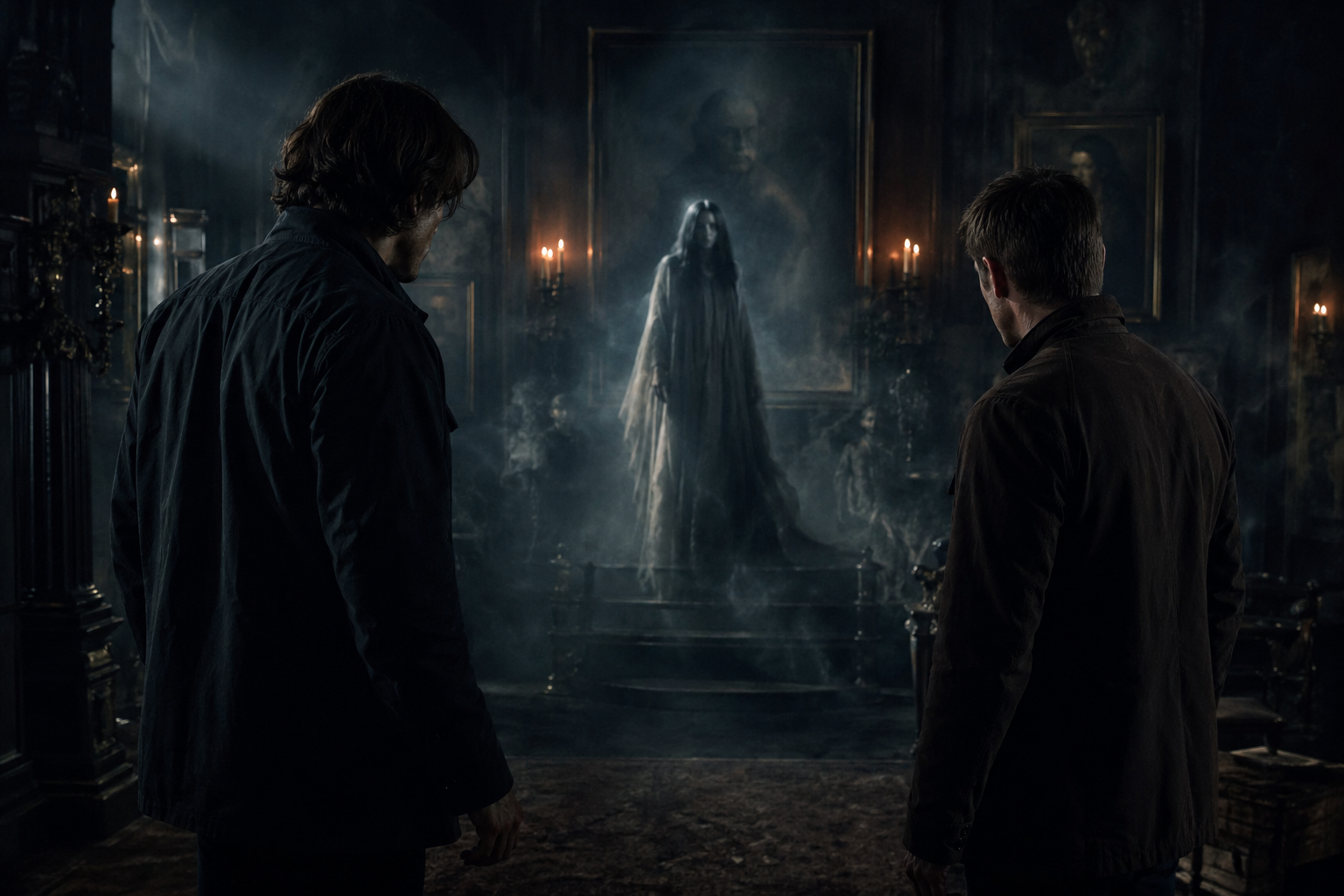
    Supernatural Reunion in The Boys: Are the Winchesters Hunting Supes?

    The boundary between our reality and the world of the unexplained has always been thin, but a recent announcement has sent shockwaves through the paranormal community and pop culture enthusiasts alike. For over fifteen years, the Winchester brothers served as our fictional guides through the dark woods of urban legends and demonic entities, and now, a long-awaited reunion is finally manifesting in the most unexpected of places.

    The digital corridors of the r/supernatural community recently buzzed with an unusual energy when moderators made a rare exception to their strict content rules. The cause for this disruption in the “salt and burn” status quo? The release of the final season trailer for the hit series The Boys, which confirms a massive crossover of talent that fans have dubbed the J2M phenomenon—referring to the powerhouse trio of Jared Padalecki, Jensen Ackles, and Misha Collins.

    The Winchester Legacy: From Hunting Ghosts to Hunting Supes

    For those who have spent years tracking ghost sightings and studying cryptid lore, the names Sam and Dean Winchester are more than just characters; they represent a cultural fascination with the things that go bump in the night. When Supernatural ended its historic run, many felt a void in the paranormal landscape. However, the transition of Jensen Ackles into the role of Soldier Boy in The Boys began a strange metamorphosis of the genre.

    In the world of The Boys, the “Supes” are not the traditional heroes we see in comic books. Instead, they are often portrayed as modern-day monsters—beings with terrifying powers who operate outside the laws of nature. This mirrors many reports of high-strangeness encounters where witnesses describe entities with superhuman speed or telekinetic abilities. The inclusion of the Supernatural alumni suggests a thematic bridge between hunting the paranormal and surviving the superhuman.

    The recent trailer has ignited theories that the final season will serve as a spiritual successor to the Winchester saga. With Jared Padalecki now confirmed to join his former co-stars, the “J2M” reunion is complete. To the paranormal investigator, this feels less like a casting choice and more like a synchronicity—a meaningful coincidence that suggests these actors are destined to remain at the forefront of our exploration of the fringe.

    The J2M Connection: A Paranormal Powerhouse Reunited

    The term J2M has become a shorthand for the chemistry between Jared, Jensen, and Misha. Their collective influence on the paranormal genre cannot be overstated. Throughout their careers, they have explored themes of purgatory, angelic warfare, and the multiverse, long before these concepts became mainstream staples of the Marvel or DC cinematic universes.

    Misha Collins, who portrayed the angel Castiel, brought a sense of cosmic dread and celestial mystery to the screen. His presence in the orbit of The Boys final season adds a layer of “divine” intervention to a show that is otherwise grounded in gritty, corporate corruption. Many fans are speculating whether his character will share a screen with Ackles and Padalecki, effectively recreating the “Team Free Will” dynamic that defined a generation of paranormal fiction.

    This reunion is particularly significant because it marks the first time all three have been involved in the same project since the Winchester brothers hung up their keys to the Impala. In the realm of the unexplained, we often look for patterns. The pattern here suggests that the audience’s hunger for stories involving secret societies and clandestine government projects—themes central to both shows—is stronger than ever.

    The “Supernatural” Curse: Why We Can’t Let Go

    Why does the paranormal community remain so obsessed with these specific actors? Perhaps it is because they spent over a decade validating our interest in folklore and mythology. They took the stories of the Bloody Mary and the Hookman and brought them into our living rooms, making the terrifying feel accessible. When we see them together again, it triggers a sense of nostalgia for the hunt.

    Furthermore, The Boys deals heavily with the concept of Compound V, a chemical that grants powers. This mirrors real-world conspiracy theories regarding black budget projects and genetic experimentation. Much like the UFO disclosure movement seeks the truth behind government secrets, the characters in The Boys are constantly trying to pull back the veil on Vought International. The parallels between hunting a wendigo in the woods and hunting a corrupt superhero in a skyscraper are closer than one might think.

    The Reddit community’s decision to allow this “unrelated” content speaks volumes. It acknowledges that the bond between these actors and the paranormal genre is unbreakable. Even when they aren’t playing the Winchesters, they carry the weight of that supernatural legacy with them. They are the faces of our modern mythology, the ones we trust to face the darkness, no matter what form it takes.

    The Final Season: A New Chapter in Paranormal Pop Culture

    As we look toward the final season of The Boys, the anticipation is palpable. Will we see a nod to the Men of Letters? Will there be a hidden Easter egg involving a 1967 Chevy Impala? While the show is firmly rooted in the superhero genre, the DNA of the paranormal is woven into its fabric. The “Supes” are, for all intents and purposes, the new monsters of the week.

    The trailer suggests a chaotic, high-stakes conclusion that will likely leave fans breathless. For those of us who track anomalous phenomena, it serves as a reminder that the stories we tell about the unknown are constantly evolving. We move from ghosts and demons to corporate-sponsored demigods, but the core question remains the same: how do ordinary humans stand against the extraordinary?

    The J2M reunion is more than just a marketing win; it is a homecoming for a fandom that has always looked toward the stars and the shadows with equal parts fear and wonder. As the final curtain falls on The Boys, we can only hope that these icons of the paranormal continue to explore the fringes of our imagination.

    Do you believe the “Supernatural” connection to The Boys is just a coincidence, or is there a deeper thematic link between hunting monsters and hunting superheroes?

    Recommended Resources

    • 🤖 Viktor AI — The autonomous AI platform we use to run our marketing operations. Hire Viktor to handle blogging, lead research, audits, and more.
    • 💳 Greenlight — The money app and debit card for kids and teens. Teach your kids to earn, save, and invest. Earn $30 when you sign up.
    • ⛏️ GoMining — Earn Bitcoin through cloud mining without the hardware hassle. A passive way to get into crypto.
    • 🏦 Mercury — The business banking account built for startups and small businesses. No fees, powerful tools, and easy to set up.
  • Did a 1940s Ouija Board Predict a Tragic Death? A Family’s Dark Secret

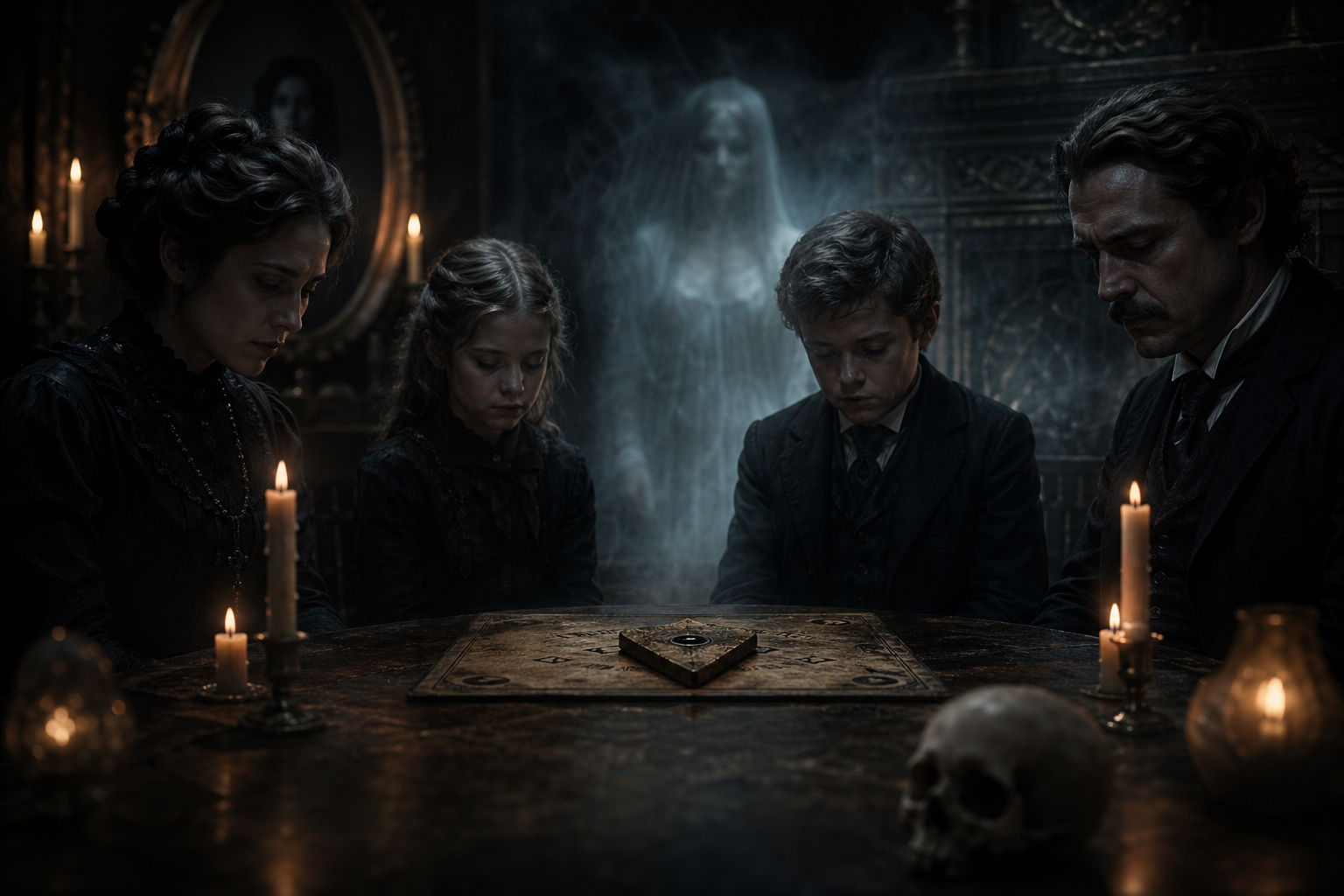
    Did a 1940s Ouija Board Predict a Tragic Death? A Family’s Dark Secret

    Some stories are passed down through generations not as entertainment, but as a survival guide for the soul. For musician Josh English, the most terrifying piece of family lore wasn’t a simple ghost story, but a grim warning from his grandmother about the dangers of the unknown. This account, rooted in the 1940s, suggests that some doors, once opened by a Ouija board, can never truly be closed.

    The paranormal often manifests in subtle ways—a cold draft, a fleeting shadow, or a rhythmic tapping behind the drywall. However, there are rare instances where the supernatural provides a direct, terrifying communication that alters the course of a family’s history. This is the story of a chilling prediction, a catastrophic event, and a secret that a grandmother carried to her grave as a cautionary tale for her descendants.

    The Rise of the Talking Board and the Spiritualist Movement

    To understand the weight of this story, one must look at the historical context of the era. By the 1940s, the Spiritualism movement had already left an indelible mark on Western culture. What began in the mid-19th century as a serious religious pursuit had evolved into a domestic pastime. Families often gathered around “talking boards” to seek comfort from deceased loved ones or to peer into the veil of the future.

    The planchette—the heart-shaped pointer used to navigate the board—became a household object. While many viewed it as a harmless parlor game, others warned that it was a tool for automatic writing and a gateway for entities that did not have the living’s best interests at heart. In the case of Josh English’s family, the board was treated with a mixture of curiosity and eventual, paralyzing fear.

    During this period, the world was reeling from the trauma of global conflict. People were desperate for answers, and the allure of mediumship was at an all-time high. It was in this atmosphere of heightened sensitivity that Joseph and Jane, Josh’s great-grandparents, found themselves entangled in a mystery that would haunt their lineage for decades.

    A House Divided: The 1940s Seance

    The setting was a modest home in the 1940s, occupied by Joseph, Jane, and their young daughter, Elizabeth. The family dynamic was complicated by the arrival of Caroline, Joseph’s daughter from a previous marriage. Caroline was a visitor in a home that wasn’t entirely her own, creating a backdrop of underlying tension—the perfect emotional conductor for paranormal activity.

    According to the family lore, a session with a Ouija board was initiated during Caroline’s stay. Whether it was born of boredom or a genuine desire to contact the “other side,” the atmosphere quickly shifted from playful to predatory. The board didn’t just provide vague answers; it allegedly began to target Caroline specifically, weaving a narrative of impending doom that the family was unprepared to handle.

    Witnesses of such sessions often describe a change in the room’s energy—a thickening of the air and a drop in temperature. For Elizabeth, who would grow up to be the “Nan” who told this story, the memory of that night remained vivid. The board reportedly spelled out a premonition of death so specific and so dark that it shattered the family’s sense of security.

    The Chilling Prediction and the Price of Curiosity

    While the exact mechanics of the tragedy remain a closely guarded family secret, the core of the lore is clear: the board predicted a catastrophic event involving Caroline, and that event came to pass with terrifying accuracy. This wasn’t a case of a “self-fulfilling prophecy,” but rather a glimpse into a timeline that the family felt powerless to change. The clairvoyance displayed by the board that night left Joseph and Jane in a state of perpetual mourning and regret.

    Skeptics often point to the ideomotor effect—a psychological phenomenon where subconscious muscle movements move the planchette—as the explanation for Ouija board “messages.” They argue that the participants are simply manifesting their own internal fears. However, for those who lived through the 1940s incident, the information provided by the board was far too specific to be attributed to the subconscious mind of a child or a grieving parent.

    The aftermath of the session led to a total ban on occult practices within the household. Elizabeth grew up with a profound respect for the boundaries between the living and the dead, a lesson she made sure to instill in her grandson, Josh. The “family secret” wasn’t just about the death itself, but about the realization that they had invited a dark force into their home that had successfully predicted their heartbreak.

    The Legacy of the Ouija: A Warning for Today

    Today, the story serves as a grim reminder that the paranormal is not always a source of wonder; sometimes, it is a source of warning. The 1940s account of Caroline and the talking board remains a cornerstone of the English family history, a “massive piece of lore” that survives even after the primary witnesses have passed away. It stands as a testament to the idea that some things are “best left well alone.”

    Whether you believe the board was a conduit for a poltergeist or a mirror for a tragic fate, the impact on the family was undeniably real. The fear that Elizabeth carried into her old age wasn’t born of superstition, but of a lived experience that defied rational explanation. It serves as a chilling footnote to the history of the occult in the mid-20th century.

    Do you believe a Ouija board can truly predict the future, or are these stories simply a way for families to process the trauma of unexplained tragedies?

    Recommended Resources

    • 🤖 Viktor AI — The autonomous AI platform we use to run our marketing operations. Hire Viktor to handle blogging, lead research, audits, and more.
    • 💳 Greenlight — The money app and debit card for kids and teens. Teach your kids to earn, save, and invest. Earn $30 when you sign up.
    • ⛏️ GoMining — Earn Bitcoin through cloud mining without the hardware hassle. A passive way to get into crypto.
    • 🏦 Mercury — The business banking account built for startups and small businesses. No fees, powerful tools, and easy to set up.