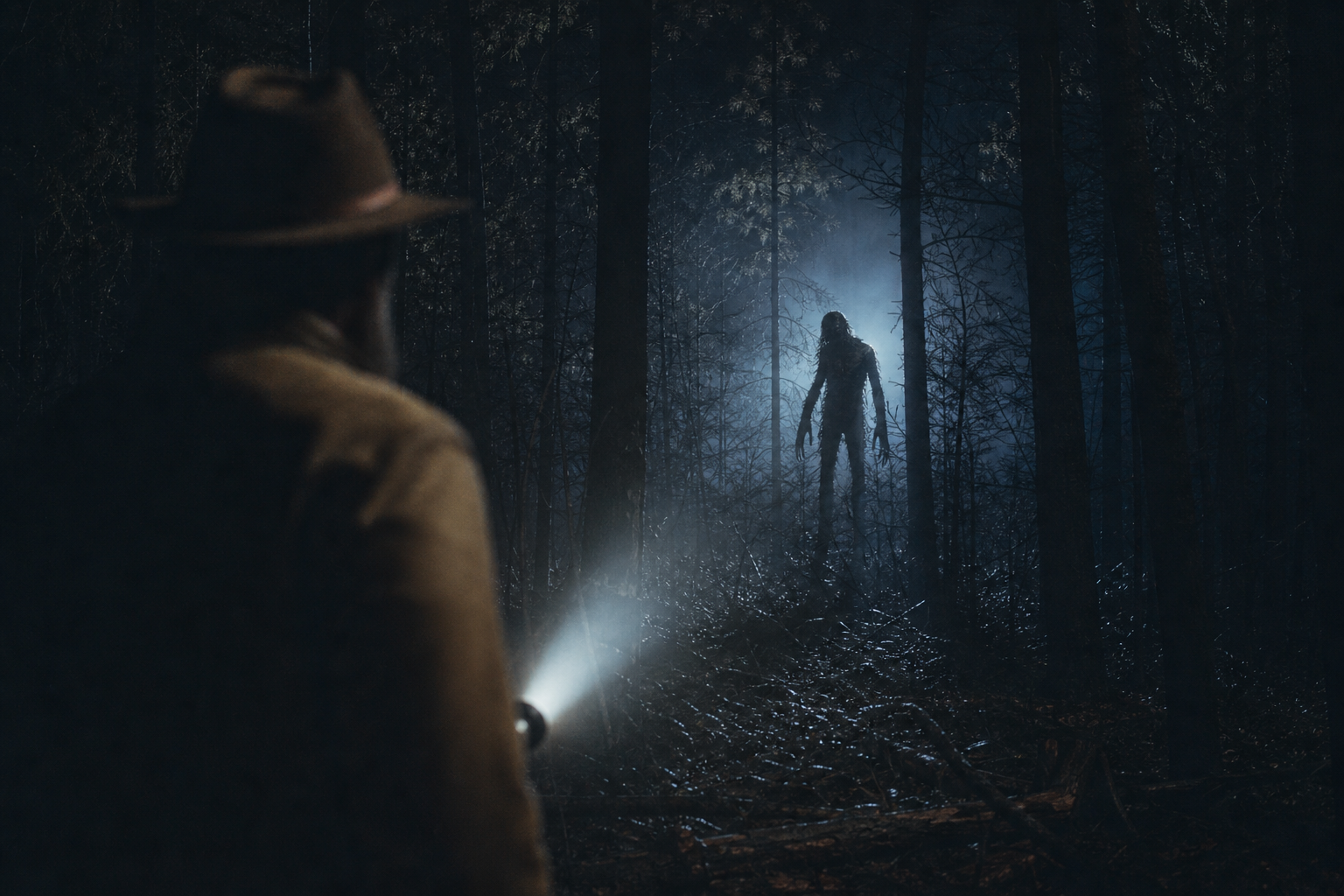
The world of the paranormal has always been deeply intertwined with the stories we tell around the campfire, but in the digital age, those campfires have moved to online forums and social media galleries. Recently, a fascinating intersection of high-brow cinema and low-light folklore has emerged, sparked by a viral reimagining of legendary monsters through a very specific directorial lens. When a digital artist recently shared their “Updated Coen Brothers Cryptids” on the popular r/Cryptids subreddit, it ignited a conversation about how our modern myths are being reshaped by the aesthetics of cult cinema.
The Cinematic DNA of Modern Folklore
For decades, the Coen Brothers—Joel and Ethan—have defined a specific brand of Americana characterized by desolate landscapes, quirky yet menacing characters, and an underlying sense of cosmic irony. From the snow-covered plains of Fargo to the sun-scorched deserts of No Country for Old Men, their films evoke a sense of place where something “other” could easily be hiding just out of sight. It is this exact atmosphere that makes the concept of a “Coen Brothers Cryptid” so compelling to the paranormal community.
The artist known as SJdport57 originally created these designs years ago, but their recent update highlights a growing trend in the paranormal world: the aesthetic evolution of monsters. We are no longer satisfied with blurry polaroids of a hairy man in the woods. Today’s enthusiasts crave a narrative, a “vibe” that suggests these creatures belong to a world that is as gritty and unforgiving as a neo-noir thriller. By blending the DNA of legendary beasts with the visual language of award-winning cinema, artists are breathing new life into tired tropes.
Consider the Mothman of Point Pleasant, West Virginia. In traditional lore, he is a harbinger of doom with glowing red eyes. But through a Coen-esque lens, he becomes something more existential—perhaps a silent observer standing on a rain-slicked bridge, possessing the same terrifying, stoic inevitability as Anton Chigurh. This shift in perspective changes how we perceive the paranormal; it moves the conversation from “does it exist?” to “what does its existence mean for the human condition?”
Digital Art as the New Field Research
In the past, cryptozoology relied heavily on eyewitness sketches and plaster casts of footprints. While those remain vital to the field, digital art has become a secondary form of “field research.” Artists like SJdport57 are essentially acting as modern-day court illustrators for the court of public imagination. By updating their designs, they reflect the way our collective understanding of these creatures matures over time.
The Jersey Devil or the Chupacabra are no longer just static images in an old encyclopedia of the unexplained. They are dynamic entities that evolve alongside our technology. When an artist revisits a design after several years, they bring new tools and a more refined eye to the subject, much like how a witness might remember more details of a sighting after years of reflection. This iterative process is crucial for keeping the mystery of cryptids alive in a world that is increasingly mapped and monitored by satellites and smartphones.
Furthermore, the community aspect of platforms like Reddit allows for a collaborative refinement of these myths. When an artist posts a “Coen Brothers” version of a Wendigo, the comments section becomes a breeding ground for new lore. Users discuss where such a creature would fit into a cinematic timeline, what its motivations might be, and how it would interact with the “ordinary” people who inhabit the Coen Brothers’ cinematic universe. This is folk horror in the making, happening in real-time across digital screens.
Why We Project Our Monsters Onto the Screen
There is a reason why we find the marriage of cinema and the paranormal so intoxicating. The paranormal is, by its very nature, elusive and unfilmable. We rarely get the “money shot” of a UFO or a Bigfoot. Cinema, however, provides the structure and the lighting that reality often lacks. By categorizing cryptids into “director styles,” we are attempting to make sense of the chaotic and the unknown.
The Coen Brothers’ style specifically deals with the absurdity of fate and the violence of the natural world. These are themes that resonate deeply with anyone who has ever looked into the dark woods and felt a chill. If a cryptid were to exist, it wouldn’t be a polished Hollywood monster; it would be something strange, slightly awkward, and profoundly dangerous—much like the characters that populate the Coens’ filmography. It would be a creature of the liminal spaces, the gas stations at 3:00 AM and the long stretches of highway where the radio only picks up static.
This artistic movement also highlights a shift in how we consume paranormal media. We are moving away from the “jump scare” culture of the early 2000s and toward a more atmospheric, psychological horror approach to cryptids. We want our monsters to have a pedigree, a style, and a reason for being. Whether it’s a Skinwalker reimagined as a drifter in a dusty trench coat or a Flatwoods Monster that looks like it stepped out of a 1950s sci-fi noir, the art is a testament to our enduring fascination with the things that go bump in the night.
As we continue to explore the fringes of our world, the lines between art, film, and folklore will only continue to blur. The work of digital creators reminds us that the monsters are still out there—they’ve just been given a cinematic makeover for a new generation of believers. The “Updated Coen Brothers Cryptids” are more than just drawings; they are a bridge between the stories we’ve always told and the new ways we’ve found to tell them.
Which famous film director’s style do you think best captures the true essence of a legendary cryptid sighting?
“,excerpt:
Recommended Resources
- 🤖 Viktor AI — The autonomous AI platform we use to run our marketing operations. Hire Viktor to handle blogging, lead research, audits, and more.
- 💳 Greenlight — The money app and debit card for kids and teens. Teach your kids to earn, save, and invest. Earn $30 when you sign up.
- ⛏️ GoMining — Earn Bitcoin through cloud mining without the hardware hassle. A passive way to get into crypto.
- 🏦 Mercury — The business banking account built for startups and small businesses. No fees, powerful tools, and easy to set up.
Leave a Reply