Category: Cryptids & Creatures

  • The Monsters of Lake Tanganyika: Are Prehistoric Giants Hiding in Africa?

    The Monsters of Lake Tanganyika: Are Prehistoric Giants Hiding in Africa?

    Deep within the heart of the Great Rift Valley lies a body of water so vast and ancient that it feels like a remnant of a forgotten world. Lake Tanganyika, the world’s longest freshwater lake, is not merely a geographical marvel; it is a place where the line between modern biology and ancient myth blurs into the murky depths. For centuries, locals and explorers alike have whispered of massive, prehistoric entities that patrol these waters, suggesting that something monstrous still calls this abyss home.

    The Reign of Gustave: A Real-Life River Monster

    Before diving into the realm of the supernatural, one must acknowledge the very real terror that has haunted the shores of Lake Tanganyika for decades. Gustave, a legendary Nile Crocodile, is perhaps the most famous “monster” associated with the region. Estimated to be over 20 feet long and weighing more than 2,000 pounds, Gustave is rumored to have claimed the lives of hundreds of people along the banks of the Ruzizi River and the northern shores of the lake.

    What makes Gustave a cryptid-adjacent figure is his near-mythical resilience. Witnesses and researchers have documented scars on his hide from machine-gun fire and deep lacerations from spears, yet the beast continues to survive. Unlike typical crocodiles that hunt for food, Gustave is often described by locals as a “demon” that hunts for sport, disappearing for years at a time only to resurface in a terrifying display of dominance. His existence proves that Lake Tanganyika possesses the ecosystem necessary to support predators of an impossible scale.

    Serpents of the Deep and the Lukwata Legend

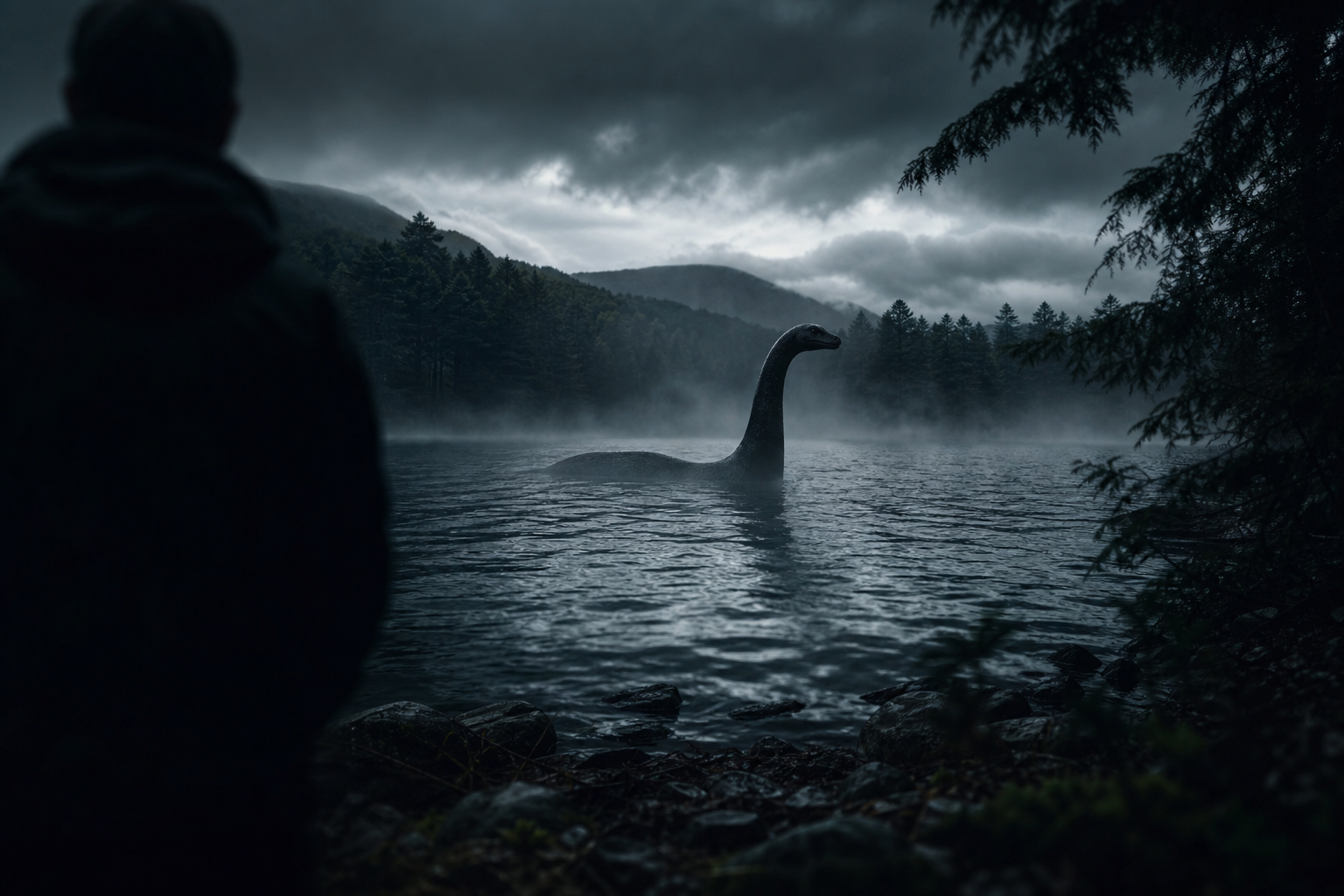
    Beyond the documented terror of giant crocodiles, the folklore of the region is steeped in tales of the Lukwata. While often associated with Lake Victoria, sightings of similar serpentine cryptids have frequently been reported in the deep trenches of Tanganyika. These creatures are described as having small heads, long necks, and dark, shimmering skin that allows them to vanish instantly into the dark water.

    Witnesses often describe these entities as being significantly larger than any known python or water snake. Some cryptozoologists speculate that these sightings could be a form of relict hominid or perhaps a surviving species of plesiosaur, much like the famous descriptions of the Loch Ness Monster. In a lake that reaches depths of nearly 5,000 feet, the possibility of a breeding population of large, unidentified aquatic vertebrates cannot be entirely ruled out by science.

    A Prehistoric Pocket in the Great Rift Valley

    To understand why Lake Tanganyika is such a hotspot for paranormal activity and cryptid sightings, one must look at its age. Formed over 12 million years ago, it is one of the oldest lakes on Earth. This extreme isolation and longevity have created a unique evolutionary laboratory where 98% of the cichlid fish species found there are endemic to the lake. If the fish have evolved in such specific ways, what else might have adapted to the benthic zones of the abyss?

    The lake’s sheer volume is staggering, holding roughly 18% of the world’s available freshwater. Much of the bottom is anoxic, meaning it lacks oxygen and cannot support most life, but the upper layers are a teeming paradise for predators. Cryptozoologists argue that the complex underwater cave systems and the sheer lack of human exploration in the deeper sections provide the perfect hiding spot for megafauna that the rest of the world believes to be extinct.

    The Cultural Impact of the Tanganyika Monsters

    For the communities living in Burundi, the Democratic Republic of the Congo, Tanzania, and Zambia, these monsters are more than just stories for tourists. They represent the primordial power of nature. Many local traditions involve making offerings to the water spirits to ensure safe passage across the lake, which is notorious for sudden, violent storms that can capsize large vessels in minutes.

    Whether these “spirits” are manifestations of the lake’s natural dangers or physical creatures yet to be classified by western science remains the ultimate mystery. The sightings continue to pour in, ranging from “giant logs” that suddenly submerge to massive wakes trailing behind invisible objects in the center of the lake. As technology improves and deep-water submersibles become more accessible, we may finally get a glimpse of what lies beneath the surface of Africa’s Great Rift.

    Do you believe that Lake Tanganyika hides a prehistoric survivor in its depths, or are these sightings simply the result of the lake’s treacherous and unpredictable nature? Let us know your theories in the comments below!

    Recommended Resources

    • 🤖 Viktor AI — The autonomous AI platform we use to run our marketing operations. Hire Viktor to handle blogging, lead research, audits, and more.
    • 💳 Greenlight — The money app and debit card for kids and teens. Teach your kids to earn, save, and invest. Earn $30 when you sign up.
    • ⛏️ GoMining — Earn Bitcoin through cloud mining without the hardware hassle. A passive way to get into crypto.
    • 🏦 Mercury — The business banking account built for startups and small businesses. No fees, powerful tools, and easy to set up.
  • Bigfoot in the Bayou? Massive Humanoid Tracks Found in Okefenokee Swamp

    Bigfoot in the Bayou? Massive Humanoid Tracks Found in Okefenokee Swamp

    Deep within the labyrinthine wetlands of the Okefenokee Swamp, a casual weekend hike recently transformed into a potential brush with the legendary. What began as a lighthearted excursion inspired by reality television and a budding interest in the paranormal has yielded photographic evidence that is currently sending ripples through the cryptid community. A hiker, venturing far off the beaten path, stumbled upon a series of massive, humanoid tracks that suggest something much larger than a human—and much more mysterious—is stalking the Georgia wilderness.

    The Discovery in the Deep Swamp

    The incident occurred when a local wildlife photographer and his companion decided to explore the back trails of the Okefenokee, a region notorious for its dense vegetation and treacherous terrain. While the duo initially set out as a “joke” to gather content for a new podcast, the atmosphere shifted as they moved deeper into the “middle of nowhere.” In areas where cell reception vanishes and the sounds of civilization are replaced by the prehistoric calls of the swamp, the reality of the Great Dismal Swamp’s cousin began to set in.

    The hikers were initially tracking standard local fauna, noting the presence of bobcat tracks, deer, and the tell-tale rooting of wild boars. However, as they approached a flooded clearing near a stand of cypress trees, the wildlife photographer spotted a group of sandhill cranes. As the birds took flight, his attention was drawn downward toward the soft, rain-soaked mud. There, adjacent to fresh deer tracks, lay a series of prints that defied easy explanation.

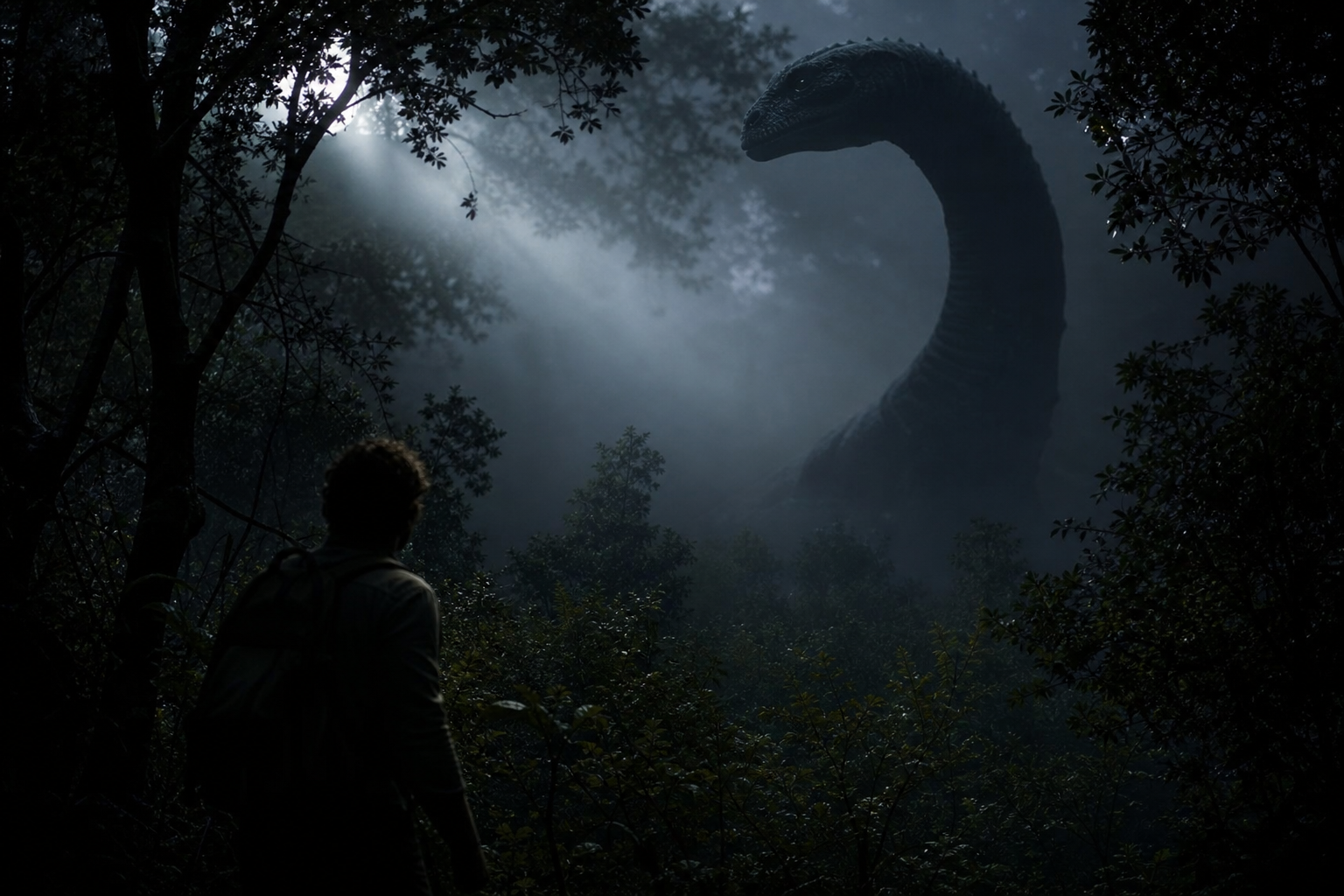
    The tracks were unmistakably humanoid in shape but possessed dimensions that far exceeded any standard human foot. The witness, who wears a size 11 Vans hiking shoe, noted that the prints were approximately three to four inches longer than his own footwear. This would place the creature’s foot at roughly 14 to 15 inches in length, a hallmark measurement often associated with Sasquatch sightings across North America.

    Analyzing the Evidence: Toes and Terrain

    What makes this particular find compelling to cryptozoologists is the detail captured in the mud. Unlike a boot print, which leaves a flat, uniform impression, these tracks reportedly showed distinct toe prints. The presence of dermal ridges or individual toe indentations is often the “smoking gun” that investigators look for to rule out hoaxes involving wooden stompers or oversized boots.

    The location of the find adds another layer of credibility. The Okefenokee is a massive peat-filled wetland straddling the Georgia-Florida line, spanning nearly 440,000 acres. It is a place where a large, undiscovered primate could theoretically thrive, hidden by the “blackwater” and dense canopy. The fact that these tracks were found following the path of deer and boar suggests a predatory behavior, a common theme in Bigfoot lore where the creature is described as an apex hunter following its primary food source.

    Furthermore, the witness emphasized that the area was remote and had recently experienced heavy rainfall. Fresh tracks in such a secluded environment are difficult to fake without leaving behind secondary evidence of human interference, such as vehicle tracks or additional foot traffic. In this case, the prints appeared solitary, emerging from the brush and following the natural game trails of the swamp.

    A History of the Skunk Ape

    While many associate Bigfoot with the Pacific Northwest, the American Southeast has its own rich history of “swamp apes.” In Florida and Georgia, this creature is often referred to as the Skunk Ape due to the pungent odor frequently reported by witnesses. The Okefenokee has been a hotspot for such reports for decades, with locals telling stories of the “Booger” or “Wildman” that inhabits the impenetrable islands within the swamp.

    Similar cases have been documented in the nearby Everglades and the Green Swamp. In many of these instances, the tracks found are remarkably similar to those discovered by the Reddit user: elongated, wide at the ball of the foot, and showing a heavy heel strike. The consistency of these reports across different decades and different witnesses suggests that if these are hoaxes, they are part of a remarkably coordinated effort—or, more likely, they represent a biological reality yet to be classified by mainstream science.

    The photographer’s account serves as a reminder that the wilderness still holds secrets. Even in an age of satellite mapping and constant connectivity, there are pockets of the world where the paranormal and the biological intersect. Whether these tracks belong to a relict hominid or a misidentified natural phenomenon, they provide a tangible link to the mysteries that keep us looking into the shadows of the forest.

    Do you believe these massive prints are definitive proof of a Sasquatch inhabiting the Georgia swamps, or is there a more conventional explanation for humanoid tracks in the deep wilderness?

    Recommended Resources

    • 🤖 Viktor AI — The autonomous AI platform we use to run our marketing operations. Hire Viktor to handle blogging, lead research, audits, and more.
    • 💳 Greenlight — The money app and debit card for kids and teens. Teach your kids to earn, save, and invest. Earn $30 when you sign up.
    • ⛏️ GoMining — Earn Bitcoin through cloud mining without the hardware hassle. A passive way to get into crypto.
    • 🏦 Mercury — The business banking account built for startups and small businesses. No fees, powerful tools, and easy to set up.
  • The Beast of Bladenboro: North Carolina’s Vampiric Cryptid Mystery

    The Beast of Bladenboro: North Carolina’s Vampiric Cryptid Mystery

    In the winter of 1954, a small North Carolina town became the epicenter of a predatory mystery that would capture the attention of the entire nation. The Beast of Bladenboro, a creature described as a vampiric feline with a taste for blood, emerged from the shadows of the swamp to terrorize local livestock and pets. Decades later, the legend of this shadowy predator remains one of the most chilling chapters in American cryptozoology.

    The First Encounters: A Winter of Terror

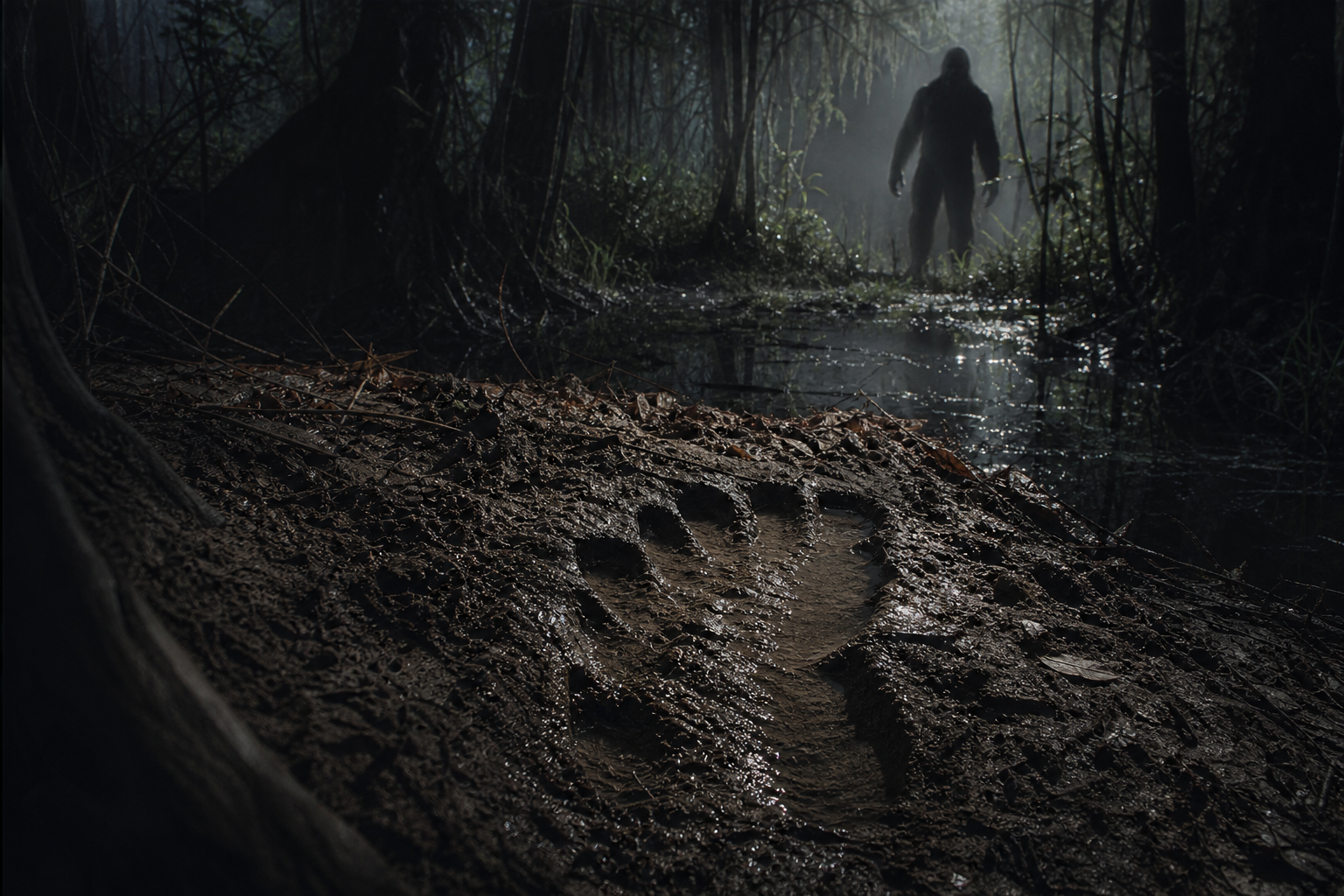
    The nightmare began on December 29, 1954, in the nearby community of Clarkton. A local farmer was startled by the frantic, panicked barking of her dogs in the dead of night. As she rushed outside to investigate, the barking suddenly stopped, replaced by a heavy, suffocating silence. In the dim light, she witnessed a massive, black cat-like creature clutching one of her dogs in its powerful jaws before vanishing into the dense treeline.

    Just three days later, on New Year’s Eve, the horror intensified. A Bladenboro farmer discovered two of his dogs dead, but the scene was unlike any typical predator attack. There was no evidence of consumption; instead, the animals appeared to have been completely drained of blood. When the local sheriff arrived, he dropped a bombshell: this wasn’t an isolated incident. Multiple reports had surfaced of dogs being found lifeless and “dry,” often accompanied by sightings of a hulking, shadowy beast.

    By January 1, 1955, the body count was rising. Two more dogs were found dead on a Bladenboro farm, followed by another the very next night. The town was gripped by a palpable sense of dread as the sun went down. Residents began to arm themselves, and the local authorities realized they were dealing with something far more dangerous than a common stray or a hungry wolf.

    The Autopsy and the Hunt for the Vampire Cat

    To understand what they were up against, an autopsy was performed on one of the canine victims. The results were harrowing. The veterinarian noted that there “wasn’t more than two or three drops of blood” left in the animal’s body. Furthermore, the physical violence exerted was immense; the victim’s bottom lip had been torn open and its jawbone smashed back with incredible force. This suggested a predator with massive jaw strength and a specific, almost surgical interest in blood.

    On January 4th, investigators discovered massive paw prints near a fresh kill site. The tracks were unlike any known animal in the region, leading Mayor Woodrow Grave Fusel to take drastic action. He authorized an all-out search, calling upon hunters and volunteers to track and kill the beast. The story hit the national wire services, and soon, Bladenboro was swarmed by hundreds of hunters from across the East Coast, all hoping to claim the trophy of the “Vampire Beast.”

    The atmosphere in town shifted from fear to a strange, carnivalesque chaos. Professional hunters brought packs of hounds, while amateur enthusiasts patrolled the swamps with shotguns. Despite the massive manpower and the presence of expert trackers, the creature remained elusive, seemingly mocking the efforts of those who sought to trap it in the Carolina bays.

    Theories: Cryptid, Cougar, or Something More?

    As the sightings eventually tapered off, the debate over the creature’s identity began. Many skeptics argued that the Beast of Bladenboro was simply a melanistic cougar or a mountain lion that had wandered far from its usual territory. However, the specific detail of the blood being drained led others to suggest something more supernatural or perhaps a relative of the Chupacabra, long before that legend became popular in the 1990s.

    Others pointed toward the possibility of a Hyena or a large escaped exotic pet. The description of the creature’s “screaming” cry, which many witnesses compared to a woman’s shriek, is a trait often associated with panthers or cougars. Yet, the sheer size and the “vampiric” nature of the kills remain unexplained by standard animal behavior. Predators typically kill for meat, not just for blood, making the Bladenboro case a true anomaly in the annals of paranormal history.

    The Beast of Bladenboro eventually faded back into the swamps, leaving behind a legacy of unanswered questions and a town that would never forget the winter the shadows came to life. Today, the town embraces its history with an annual “Beast Fest,” celebrating the mystery that put their small community on the map of the unexplained.

    Do you believe the Beast of Bladenboro was a misidentified natural predator, or does a blood-drinking cryptid still lurk in the North Carolina swamps?

    Recommended Resources

    • 🤖 Viktor AI — The autonomous AI platform we use to run our marketing operations. Hire Viktor to handle blogging, lead research, audits, and more.
    • 💳 Greenlight — The money app and debit card for kids and teens. Teach your kids to earn, save, and invest. Earn $30 when you sign up.
    • ⛏️ GoMining — Earn Bitcoin through cloud mining without the hardware hassle. A passive way to get into crypto.
    • 🏦 Mercury — The business banking account built for startups and small businesses. No fees, powerful tools, and easy to set up.
  • Cryptid Encounters: How Would You React to a Bigfoot in the Wild?

    Cryptid Encounters: How Would You React to a Bigfoot in the Wild?

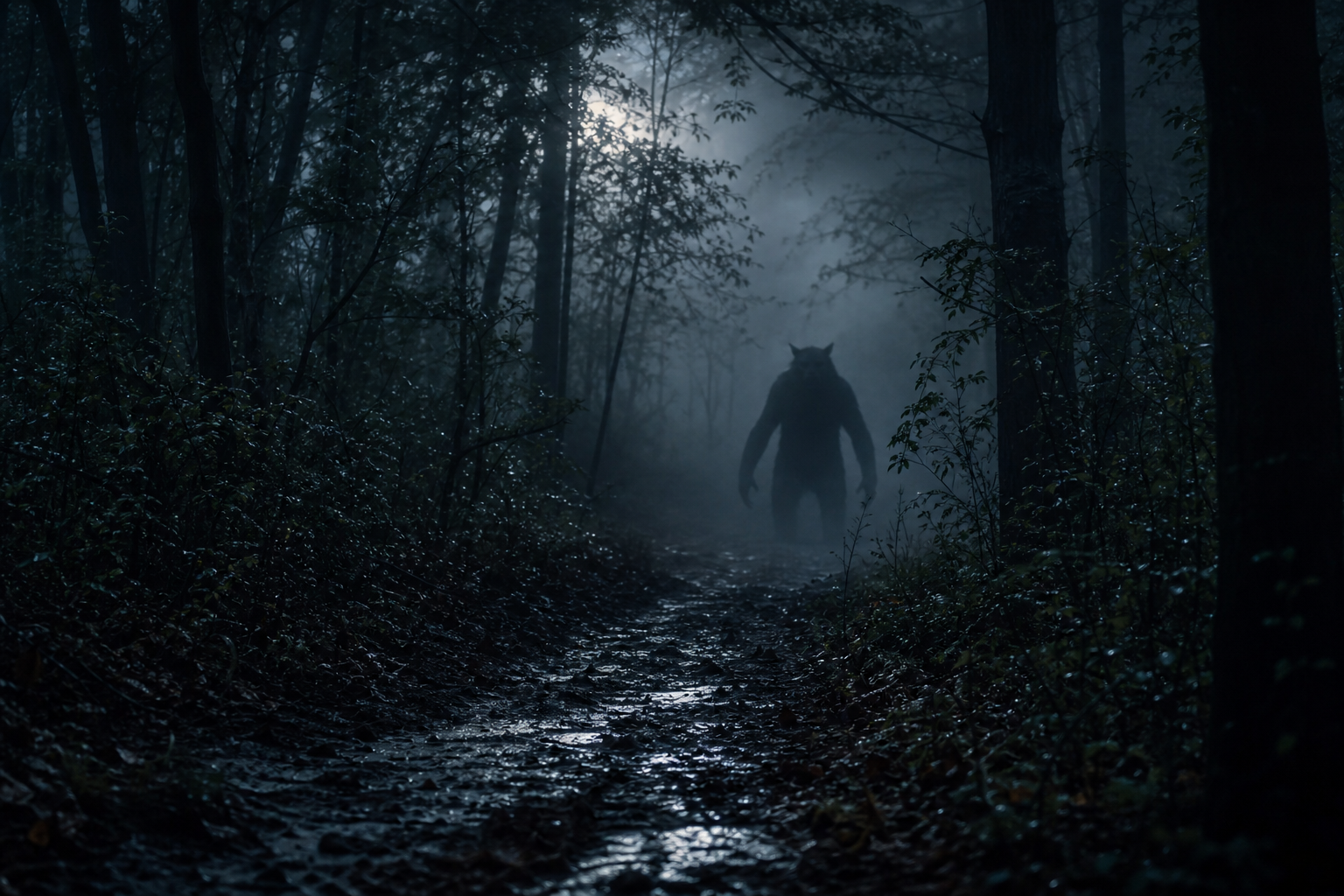
    Imagine walking through the dense, silent woods when the smell of damp earth and musk suddenly fills the air, and a massive, hairy figure steps onto the trail just yards away. It is the moment every paranormal enthusiast dreams of and dreads: a face-to-face encounter with a cryptid. While we often discuss these creatures from the safety of our screens, the reality of a physical confrontation raises a profound psychological question: how would you actually react?

    The Fight-or-Flight Response to the Unknown

    When humans encounter something that defies the laws of known biology, the brain’s amygdala triggers an immediate survival response. For many, the instinctual reaction to seeing a Bigfoot (also known as Sasquatch) would be a frantic retreat. This “flight” response is a biological imperative designed to protect us from apex predators, and in the deep wilderness, anything standing eight feet tall certainly qualifies as a threat.

    However, history shows us that not everyone runs. During the famous 1967 filming of the Patterson-Gimlin film at Bluff Creek, Roger Patterson and Bob Gimlin managed to maintain enough composure to pursue the creature with a camera. Their reaction was a rare blend of “fight” (in the form of pursuit) and scientific curiosity. Most modern witnesses report a state of “temporary paralysis,” where the sheer impossibility of the sight causes the mind to freeze while trying to process the visual data.

    The Reddit community recently debated this very topic, with many users wondering if they could overcome their fear long enough to establish a peaceful connection. While the idea of befriending a Sasquatch sounds like a scene from a heartwarming film, the reality of standing before a 500-pound primate is a different story entirely. Would you have the presence of mind to stay still, or would your boots be hitting the pavement before you could even grab your phone?

    Friendly Giants vs. Malevolent Entities

    Our reaction to a cryptid often depends on the “vibe” of the creature in question. There is a long-standing tradition in cryptozoology that suggests some entities are more dangerous than others. For instance, many researchers view Bigfoot as a reclusive, perhaps even spiritual, “forest person” who generally avoids conflict. In these cases, the idea of a peaceful encounter—perhaps even offering food—becomes a tempting thought for the bold explorer.

    On the other end of the spectrum are the more malevolent or “violent” cryptids that haunt American folklore. Encountering the Jersey Devil in the Pine Barrens or the Dogman in the Michigan wilds evokes a much sharper sense of dread. These creatures are often described as having an aggressive aura that triggers an immediate “get out now” sensation in the human gut, often referred to as infrasound—a low-frequency sound some believe cryptids emit to disorient prey.

    Historical accounts, such as the 1924 Ape Canyon incident, remind us that these encounters can turn hostile. A group of miners claimed they were besieged by “mountain devils” that threw rocks at their cabin throughout the night. In such a scenario, the “befriending” stage is skipped entirely in favor of barricading doors and praying for sunrise. The distinction between a “curious animal” and a “predatory monster” is a line every witness must draw in a split second.

    The Ethics of Reporting and Contact

    If you were to survive an encounter and perhaps even snap a blurry photo, what comes next? The debate over whether to alert the authorities is a hot topic among paranormal researchers. Some believe that reporting a sighting to local police or the Department of Natural Resources is the responsible thing to do, especially if the creature poses a threat to public safety. Others fear that government involvement would lead to the “containment” or even the destruction of the creature.

    Organizations like the BFRO (Bigfoot Field Researchers Organization) provide a platform for witnesses to share their stories without the fear of ridicule. However, the “Men in Black” trope remains a persistent fear in the community. Many witnesses choose to keep their encounters a secret, fearing that their lives will be upended by media scrutiny or government agents looking to suppress the truth about unidentified anomalous phenomena.

    There is also the ethical question of “habituating” these creatures. Some researchers, known as habituationists, believe in leaving food out to build trust with local cryptid populations. While this might lead to incredible sightings, it also risks domesticating a wild animal and making it dependent on humans—or worse, making it lose its natural fear of us, leading to dangerous confrontations in the future.

    Preparing for the Impossible

    So, how should one prepare for a potential cryptid encounter? Experts suggest the same rules apply as with any large predator: do not run, do not make direct eye contact, and back away slowly. Carrying bear spray is a practical precaution for any hiker, whether they believe in monsters or not. But beyond the physical tools, there is the mental preparation of accepting that the world is much stranger than we are taught.

    Whether you view these beings as undiscovered biological species, interdimensional travelers, or modern myths, the way we react to them says more about us than it does about them. Our fear, curiosity, and desire for connection are all part of the human experience when faced with the Great Unknown. The woods are vast, and the shadows are long; it is only a matter of time before the next hiker finds themselves staring into a pair of glowing eyes.

    If you were standing ten feet away from a Sasquatch in the middle of the woods, would you reach for your camera, your bear spray, or a peace offering?

    Recommended Resources

    • 🤖 Viktor AI — The autonomous AI platform we use to run our marketing operations. Hire Viktor to handle blogging, lead research, audits, and more.
    • 💳 Greenlight — The money app and debit card for kids and teens. Teach your kids to earn, save, and invest. Earn $30 when you sign up.
    • ⛏️ GoMining — Earn Bitcoin through cloud mining without the hardware hassle. A passive way to get into crypto.
    • 🏦 Mercury — The business banking account built for startups and small businesses. No fees, powerful tools, and easy to set up.
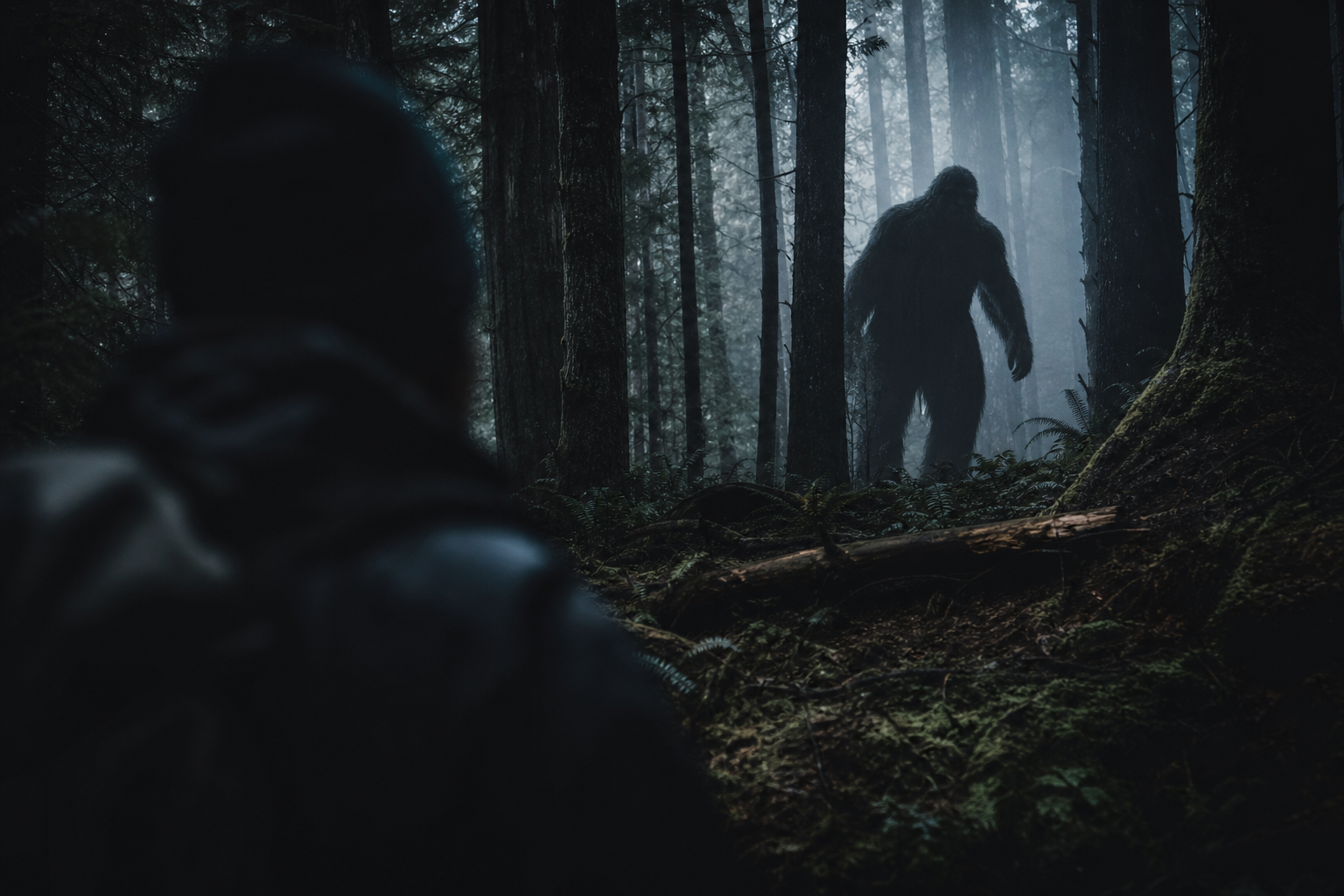
  • Mothman and Bigfoot: Why These Legendary Cryptids Still Haunt Our Summer Nights

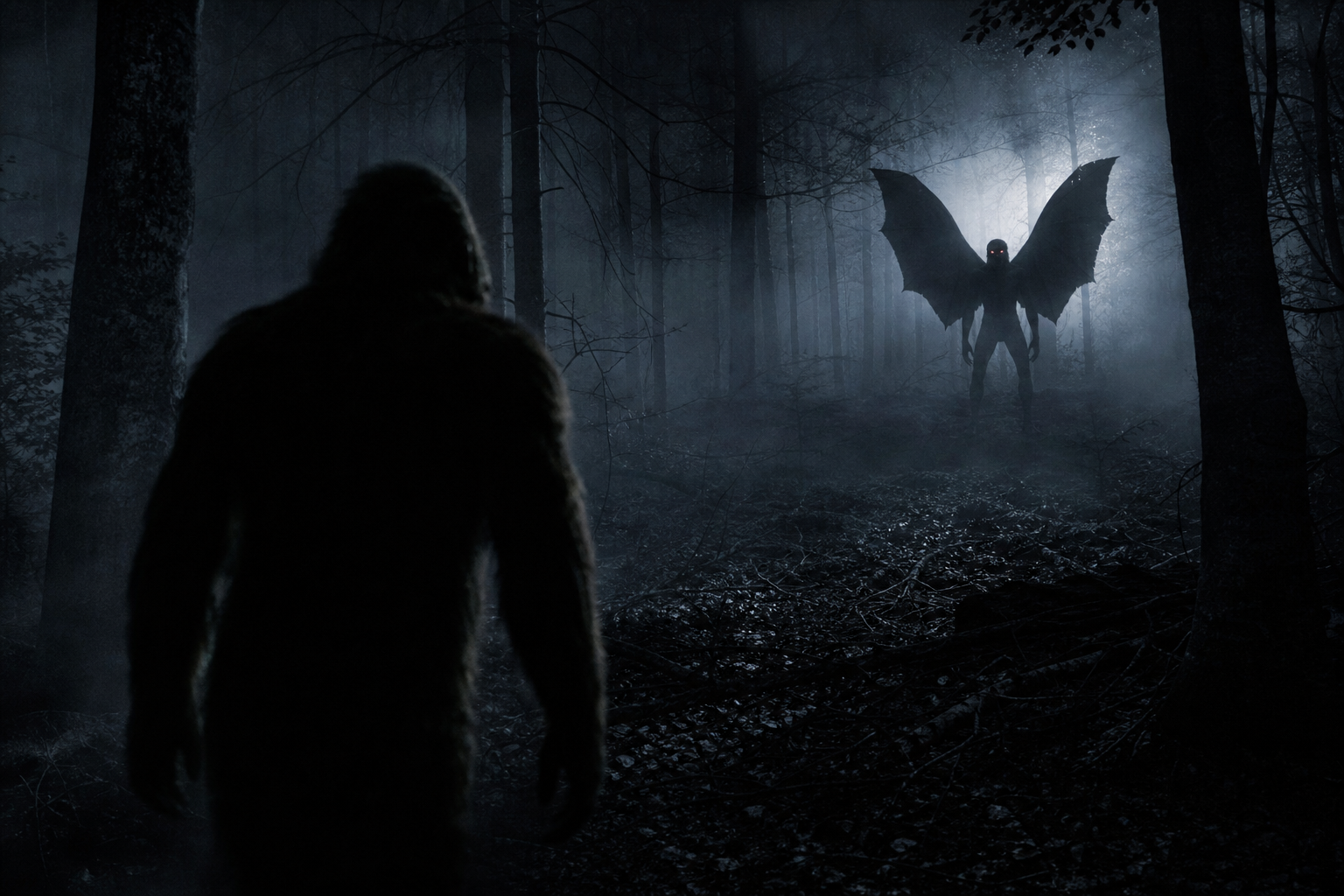
    Mothman and Bigfoot: Why These Legendary Cryptids Still Haunt Our Summer Nights

    As the sweltering heat of June settles over the landscape, a peculiar restlessness often grips the world of the unexplained. While most people are planning beach vacations and summer barbecues, enthusiasts of the Paranormal are looking toward the treeline and the shadows beneath rusted bridges. The arrival of summer marks a peak season for sightings of the “Big Two” of Cryptozoology: the elusive Bigfoot and the terrifying Mothman.

    The Mothman Prophecies: A Summer of Dread

    The legend of the Mothman first took flight in the mid-1960s in the quiet town of Point Pleasant, West Virginia. Described as a man-sized creature with glowing red eyes and massive, bird-like wings, the entity became a harbinger of doom for the local community. Witnesses reported the creature chasing cars at high speeds and lurking near the “TNT Area,” a sprawling complex of abandoned World War II explosives manufacturing facilities.

    While the most famous sightings occurred in the lead-up to the tragic collapse of the Silver Bridge in 1967, the Mothman has never truly left the public consciousness. In recent years, reports of a “winged humanoid” have surfaced as far away as Chicago, suggesting that this entity may be migratory or perhaps even interdimensional. The fascination with the Mothman often peaks in June, as the clear summer nights provide the perfect backdrop for spotting something unusual silhouetted against the moon.

    Modern interpretations of the Mothman have shifted from pure terror to a strange kind of cultural reverence. On platforms like Reddit, users frequently share “updates” on the creature, blending historical lore with modern artistic tributes. This digital folklore ensures that the Mothman remains a living legend, evolving with each generation of investigators who seek to understand the man behind the wings.

    Bigfoot: The Eternal Wanderer of the Woods

    If the Mothman is the phantom of the air, then Bigfoot—also known as Sasquatch—is the undisputed king of the earth. For decades, the dense forests of the Pacific Northwest have served as the primary stage for this towering, bipedal primate. However, June brings a unique spike in reports from across North America as hikers and campers venture deeper into the wilderness, inadvertently crossing paths with the unknown.

    The most famous evidence remains the 1967 Patterson-Gimlin film, which captured a female Sasquatch walking through Bluff Creek, California. Despite decades of skepticism and debunking attempts, the footage remains a cornerstone of the field. Researchers argue that the warming weather of June triggers a change in Bigfoot’s behavior, possibly following the migration of deer or the ripening of seasonal berries.

    What makes Bigfoot so enduring is the sheer consistency of the reports. From the “Skunk Ape” of the Florida Everglades to the “Yeti” of the Himalayas, the archetype of the wild man is a global phenomenon. In the modern era, high-definition cameras and thermal imaging have replaced grainy film, yet the creature remains just out of reach, a shadow in the periphery of our expanding civilization.

    The Intersection of Legends: When Cryptids Collide

    Interestingly, the paranormal community has recently seen a surge in “crossover” interest between these two distinct entities. While Bigfoot is often viewed as a biological mystery—a relict hominid—the Mothman is frequently associated with UFOs and the mysterious Indrid Cold, also known as the Smiling Man. Despite their different origins, they represent the two pillars of American mythology.

    This intersection is often celebrated in “Cryptid Core” culture, where artists and enthusiasts imagine these creatures inhabiting the same dark corners of our world. Whether it is through updated sightings or creative reimagining, the pairing of the winged harbinger and the forest giant speaks to a deeper human need to believe that the world is still full of secrets. June serves as a reminder that as the days grow longer, the mysteries of the night grow more profound.

    The “updates” we see in the community today are more than just stories; they are a testament to the enduring power of the Cryptid. As we move further into the digital age, the mystery doesn’t diminish; it simply finds new ways to manifest. Whether you are looking at the sky or the brush, the message is clear: we are not alone in the wilderness.

    As we head into the heart of the summer season, which of these legendary creatures do you believe is more likely to be proven real in our lifetime? Share your theories and any personal sightings in the comments below!

    Recommended Resources

    • 🤖 Viktor AI — The autonomous AI platform we use to run our marketing operations. Hire Viktor to handle blogging, lead research, audits, and more.
    • 💳 Greenlight — The money app and debit card for kids and teens. Teach your kids to earn, save, and invest. Earn $30 when you sign up.
    • ⛏️ GoMining — Earn Bitcoin through cloud mining without the hardware hassle. A passive way to get into crypto.
    • 🏦 Mercury — The business banking account built for startups and small businesses. No fees, powerful tools, and easy to set up.
  • Why Supernatural’s Unserious Moments Are Essential to the Lore

    Why Supernatural’s Unserious Moments Are Essential to the Lore

    For fifteen years, the Winchester brothers traversed the backroads of America, hunting things that go bump in the night and defining a generation’s understanding of urban legends. While the show was built on a foundation of grief, sacrifice, and the literal apocalypse, fans often find themselves returning to the series for a surprising reason: its unapologetic sense of humor. Even when the fate of the world hangs in the balance, the show’s ability to pivot into the absurd remains its most enduring trait.

    The Archangel Showdown: When Epic Lore Becomes Absurd

    In the high-stakes world of paranormal investigation and celestial warfare, few moments were anticipated as much as the final confrontation between the archangels. In the Season 13 finale, viewers finally witnessed the ultimate clash between Lucifer and Michael. However, instead of a gritty, grounded battle, the sequence featured the two powerful beings suspended in mid-air, swinging at one another in a display that many fans found unintentionally hilarious. As one Reddit user recently noted, the “airborne fight” caused them to burst out laughing, despite the gravity of the situation.

    This reaction highlights a fascinating phenomenon in paranormal media: the “uncanny valley” of special effects. When a show attempts to portray the incomprehensible power of celestial beings, the visual representation often struggles to match the terrifying weight of the lore. In the case of the Michael and Lucifer fight, the wires and slow-motion choreography stripped away the menace, replacing it with a moment of campy charm that has since become a meme within the community. It serves as a reminder that even the most serious depictions of the supernatural can sometimes stumble into the realm of the “unserious.”

    Castiel and the Human Experience

    Perhaps no character embodies the show’s comedic heart better than Castiel, the angel of the Lord who famously “gripped Sam and Dean tight and raised them from perdition.” While his introduction was one of the most chilling and impressive displays of angelic power in television history, his character arc quickly shifted toward a “fish out of water” narrative. His struggle to understand human social cues provided some of the series’ most iconic comedic beats, including the infamous scene where he watches adult films for the first time in an attempt to understand human “bonding.”

    This juxtaposition is essential to the show’s longevity. By grounding a powerful, ancient entity in awkward, everyday situations, the writers made the supernatural feel tangible and relatable. It’s a tactic often used in real-world ghost stories and cryptid sightings; the most believable accounts are often those that include mundane, human details. When Castiel fails to understand a joke or takes a metaphor literally, he becomes more than just a celestial warrior—he becomes a mirror for our own confusion when faced with the unknown.

    The Necessity of Gallows Humor in the Dark

    Why does a show about demons, shapeshifters, and the end of days lean so heavily into comedy? The answer may lie in the psychological concept of gallows humor. For those who deal with the dark and the macabre—whether they are fictional hunters or real-life paranormal researchers—humor acts as a necessary pressure valve. Without the occasional “unserious” moment, the weight of the darkness would become unbearable for both the characters and the audience.

    Episodes like “The French Mistake” or “Changing Channels” leaned entirely into the meta-commentary of the genre, proving that the show was at its best when it wasn’t taking itself too seriously. This balance allowed the series to explore deep philosophical questions about free will and destiny without becoming a joyless slog. It’s a lesson that many modern horror creators have taken to heart: the scariest moments are often more effective when they are preceded by a genuine laugh. The contrast sharpens the blade of the next jump scare.

    A Legacy of Light and Shadow

    Ultimately, the “unserious” nature of certain scenes doesn’t detract from the show’s legacy; it enhances it. The community’s ability to laugh at the awkward CGI of an archangel fight or the deadpan delivery of an angel’s confusion is what keeps the fandom alive years after the series finale. It creates a shared language among viewers, turning a show about monsters into a story about family and resilience. The Winchesters taught us that while the world is full of terrifying things, there is always room for a joke in the front seat of a ’67 Impala.

    As we continue to look for signs of the paranormal in our own world, perhaps we should take a page from the Winchester playbook. The unknown is certainly daunting, but it can also be profoundly ridiculous. Whether it’s a blurry photo of Bigfoot or a strange light in the sky, there is a certain joy in the mystery that transcends fear. After all, if the literal devil can look a bit silly while flying through the air, maybe the things that haunt our nightmares aren’t quite as invincible as they seem.

    Do you think humor helps or hurts the credibility of paranormal stories, and what is your favorite “unserious” moment from a supernatural encounter?

    Recommended Resources

    • 🤖 Viktor AI — The autonomous AI platform we use to run our marketing operations. Hire Viktor to handle blogging, lead research, audits, and more.
    • 💳 Greenlight — The money app and debit card for kids and teens. Teach your kids to earn, save, and invest. Earn $30 when you sign up.
    • ⛏️ GoMining — Earn Bitcoin through cloud mining without the hardware hassle. A passive way to get into crypto.
    • 🏦 Mercury — The business banking account built for startups and small businesses. No fees, powerful tools, and easy to set up.
  • Coen Brothers Cryptids: How Cinema and Folklore Collide in Digital Art

    Coen Brothers Cryptids: How Cinema and Folklore Collide in Digital Art

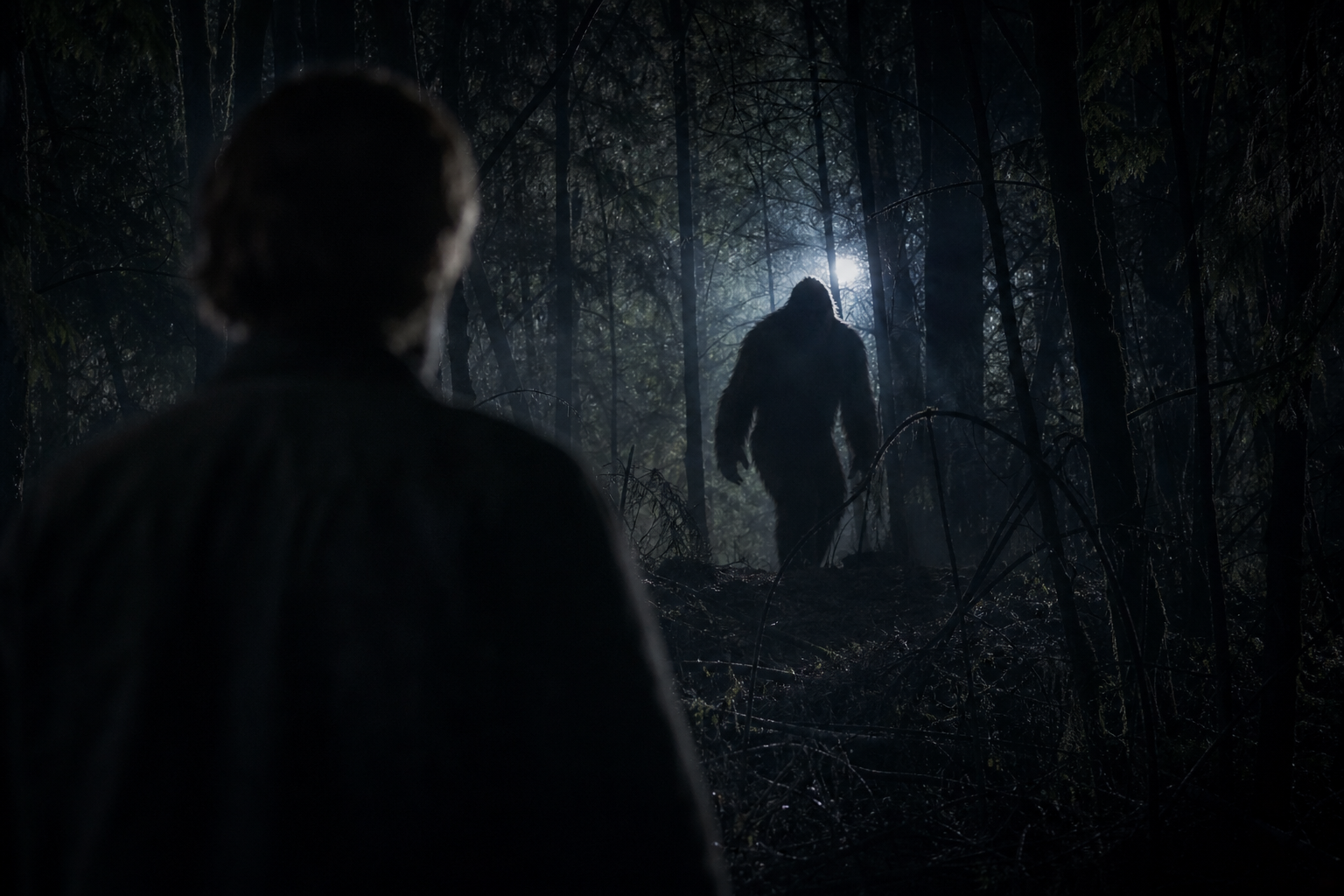
    The world of the paranormal has always been deeply intertwined with the stories we tell around the campfire, but in the digital age, those campfires have moved to online forums and social media galleries. Recently, a fascinating intersection of high-brow cinema and low-light folklore has emerged, sparked by a viral reimagining of legendary monsters through a very specific directorial lens. When a digital artist recently shared their “Updated Coen Brothers Cryptids” on the popular r/Cryptids subreddit, it ignited a conversation about how our modern myths are being reshaped by the aesthetics of cult cinema.

    The Cinematic DNA of Modern Folklore

    For decades, the Coen Brothers—Joel and Ethan—have defined a specific brand of Americana characterized by desolate landscapes, quirky yet menacing characters, and an underlying sense of cosmic irony. From the snow-covered plains of Fargo to the sun-scorched deserts of No Country for Old Men, their films evoke a sense of place where something “other” could easily be hiding just out of sight. It is this exact atmosphere that makes the concept of a “Coen Brothers Cryptid” so compelling to the paranormal community.

    The artist known as SJdport57 originally created these designs years ago, but their recent update highlights a growing trend in the paranormal world: the aesthetic evolution of monsters. We are no longer satisfied with blurry polaroids of a hairy man in the woods. Today’s enthusiasts crave a narrative, a “vibe” that suggests these creatures belong to a world that is as gritty and unforgiving as a neo-noir thriller. By blending the DNA of legendary beasts with the visual language of award-winning cinema, artists are breathing new life into tired tropes.

    Consider the Mothman of Point Pleasant, West Virginia. In traditional lore, he is a harbinger of doom with glowing red eyes. But through a Coen-esque lens, he becomes something more existential—perhaps a silent observer standing on a rain-slicked bridge, possessing the same terrifying, stoic inevitability as Anton Chigurh. This shift in perspective changes how we perceive the paranormal; it moves the conversation from “does it exist?” to “what does its existence mean for the human condition?”

    Digital Art as the New Field Research

    In the past, cryptozoology relied heavily on eyewitness sketches and plaster casts of footprints. While those remain vital to the field, digital art has become a secondary form of “field research.” Artists like SJdport57 are essentially acting as modern-day court illustrators for the court of public imagination. By updating their designs, they reflect the way our collective understanding of these creatures matures over time.

    The Jersey Devil or the Chupacabra are no longer just static images in an old encyclopedia of the unexplained. They are dynamic entities that evolve alongside our technology. When an artist revisits a design after several years, they bring new tools and a more refined eye to the subject, much like how a witness might remember more details of a sighting after years of reflection. This iterative process is crucial for keeping the mystery of cryptids alive in a world that is increasingly mapped and monitored by satellites and smartphones.

    Furthermore, the community aspect of platforms like Reddit allows for a collaborative refinement of these myths. When an artist posts a “Coen Brothers” version of a Wendigo, the comments section becomes a breeding ground for new lore. Users discuss where such a creature would fit into a cinematic timeline, what its motivations might be, and how it would interact with the “ordinary” people who inhabit the Coen Brothers’ cinematic universe. This is folk horror in the making, happening in real-time across digital screens.

    Why We Project Our Monsters Onto the Screen

    There is a reason why we find the marriage of cinema and the paranormal so intoxicating. The paranormal is, by its very nature, elusive and unfilmable. We rarely get the “money shot” of a UFO or a Bigfoot. Cinema, however, provides the structure and the lighting that reality often lacks. By categorizing cryptids into “director styles,” we are attempting to make sense of the chaotic and the unknown.

    The Coen Brothers’ style specifically deals with the absurdity of fate and the violence of the natural world. These are themes that resonate deeply with anyone who has ever looked into the dark woods and felt a chill. If a cryptid were to exist, it wouldn’t be a polished Hollywood monster; it would be something strange, slightly awkward, and profoundly dangerous—much like the characters that populate the Coens’ filmography. It would be a creature of the liminal spaces, the gas stations at 3:00 AM and the long stretches of highway where the radio only picks up static.

    This artistic movement also highlights a shift in how we consume paranormal media. We are moving away from the “jump scare” culture of the early 2000s and toward a more atmospheric, psychological horror approach to cryptids. We want our monsters to have a pedigree, a style, and a reason for being. Whether it’s a Skinwalker reimagined as a drifter in a dusty trench coat or a Flatwoods Monster that looks like it stepped out of a 1950s sci-fi noir, the art is a testament to our enduring fascination with the things that go bump in the night.

    As we continue to explore the fringes of our world, the lines between art, film, and folklore will only continue to blur. The work of digital creators reminds us that the monsters are still out there—they’ve just been given a cinematic makeover for a new generation of believers. The “Updated Coen Brothers Cryptids” are more than just drawings; they are a bridge between the stories we’ve always told and the new ways we’ve found to tell them.

    Which famous film director’s style do you think best captures the true essence of a legendary cryptid sighting?

    “,excerpt:

    Recommended Resources

    • 🤖 Viktor AI — The autonomous AI platform we use to run our marketing operations. Hire Viktor to handle blogging, lead research, audits, and more.
    • 💳 Greenlight — The money app and debit card for kids and teens. Teach your kids to earn, save, and invest. Earn $30 when you sign up.
    • ⛏️ GoMining — Earn Bitcoin through cloud mining without the hardware hassle. A passive way to get into crypto.
    • 🏦 Mercury — The business banking account built for startups and small businesses. No fees, powerful tools, and easy to set up.
  • Cryptid Valley National Park: Inside the Dream of a Wilderness Where Monsters Teach Safety

    Cryptid Valley National Park: Inside the Dream of a Wilderness Where Monsters Teach Safety

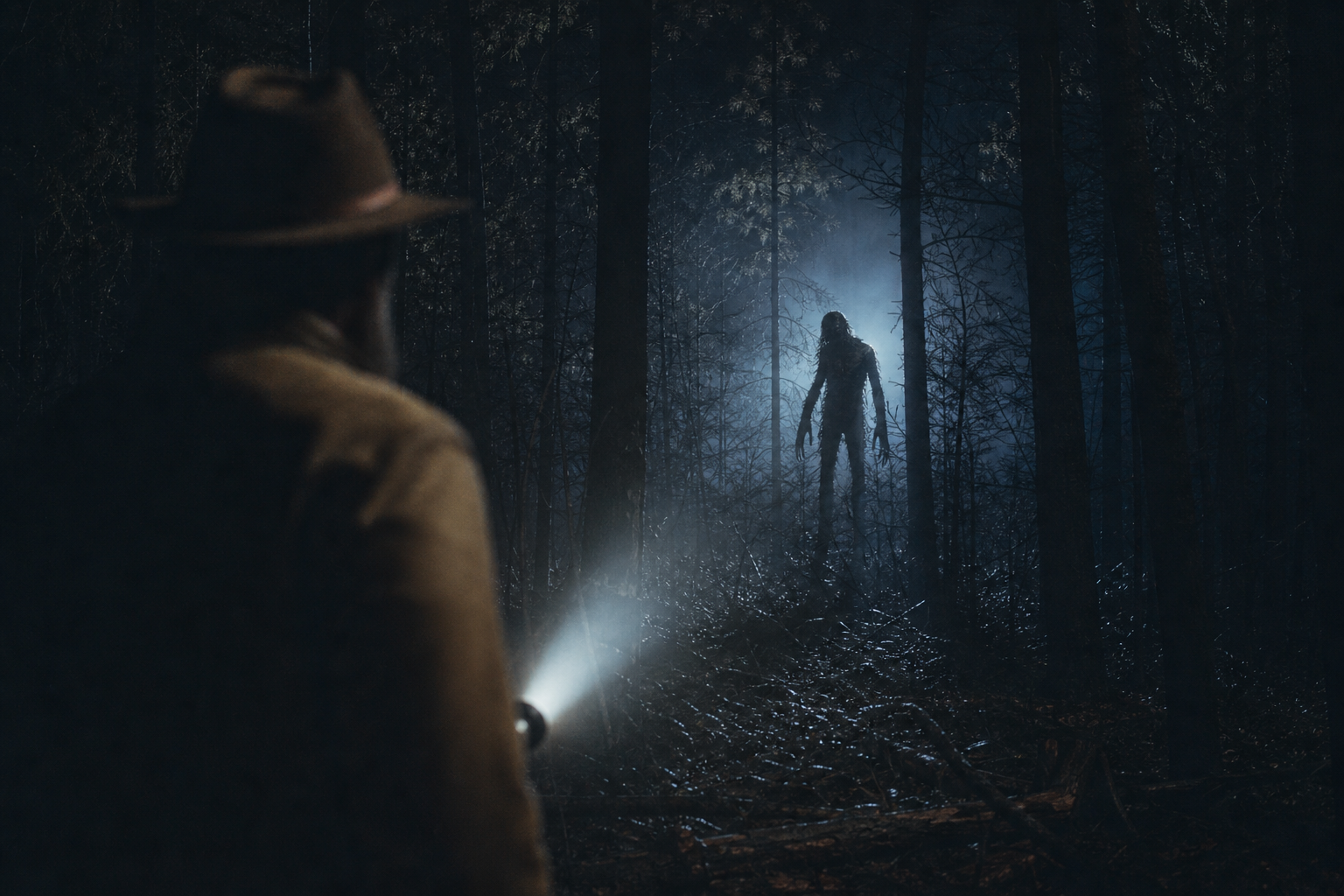
    Imagine a wilderness where the shadows lurking between the pines aren’t threats to be feared, but guardians of the trail. In a fascinating intersection of digital art and subconscious exploration, a new concept known as Cryptid Valley National Park has captured the imagination of the paranormal community, reimagining the world’s most elusive creatures as stewards of the environment. This vision transforms the terrifying legends of the deep woods into educational figures, teaching visitors about nature conservation, animal behavior, and essential camp safety.

    The Genesis of Cryptid Valley National Park

    The concept first emerged from the vivid dreams of a creative visionary known online as /u/trampstampcollector, who shared a series of striking illustrations on the popular r/Cryptids subreddit. The premise is as charming as it is eerie: a sprawling National Park where the staff consists entirely of legendary monsters. In this alternate reality, the National Park Service has partnered with the very beings that cryptozoologists have spent decades trying to prove exist.

    In the world of Cryptid Valley, the Mothman might lead a seminar on nocturnal navigation, while the Jersey Devil explains the delicate ecosystem of the Pine Barrens. It is a radical departure from the traditional “monster hunter” narrative, suggesting a world where humanity and the unknown have reached a peaceful, educational coexistence. The art accompanying the project depicts these creatures not as predators, but as wise, ancient mentors wearing park ranger hats and holding clipboards.

    Why We Are Drawn to Friendly Monsters

    This shift in how we perceive cryptids reflects a broader cultural trend often referred to as “Cryptidcore.” For decades, cryptozoology was defined by grainy footage of Bigfoot and terrifying accounts of the Chupacabra. However, a new generation of paranormal enthusiasts is looking at these entities through a lens of environmentalism and whimsy. By casting these creatures as protectors of the wild, we are perhaps expressing a collective desire to reconnect with the “untamed” parts of our world that are rapidly disappearing.

    Psychologically, the idea of a Sasquatch teaching fire safety is a powerful subversion of the “wild man” archetype. Instead of a beast that kidnaps hikers—a common trope in Missing 411 theories—this version of Bigfoot is a seasoned woodsman who knows the terrain better than any human ever could. It turns the “fear of the unknown” into a “respect for the unknown,” suggesting that if we listen to the forest, we might actually learn how to survive within it.

    Historical Legends and National Park Lore

    The connection between National Parks and the paranormal is deeply rooted in American history. From the “Great Smoky Mountains” to the “Everglades,” nearly every major park has its own resident legend. For instance, Yellowstone National Park has long been a hotspot for reported Bigfoot sightings, with some theorists suggesting that the vast, protected lands provide the perfect sanctuary for a breeding population of undiscovered primates.

    By framing these legends within the context of a “Cryptid Valley,” the project taps into the very real mystery of our public lands. There is a long-standing tradition of urban legends involving park rangers who claim to have seen things they cannot explain. By leaning into this folklore, Cryptid Valley National Park creates a bridge between the documented history of the park system and the speculative world of the supernatural. It asks the question: what if the rangers have been working alongside these creatures all along?

    The Power of Paranormal Art and Storytelling

    The visual medium is often where the most compelling paranormal theories take flight. The artwork for Cryptid Valley uses a nostalgic, mid-century aesthetic reminiscent of vintage WPA National Park posters. This choice is intentional, grounding the fantastical elements in a sense of official authority and historical weight. When we see a Flatwoods Monster depicted on a “Leave No Trace” sign, it forces us to reconsider the creature’s place in our cultural landscape.

    This project serves as a reminder that folklore is a living, breathing entity. It evolves with our society. Just as the terrifying fae of medieval Europe eventually became the whimsical fairies of Victorian literature, our modern monsters are undergoing a transformation. They are becoming symbols of the wilderness itself—mysterious, powerful, and in need of our protection. Cryptid Valley isn’t just a dream about a park; it’s a manifesto for a new kind of mythology.

    As we continue to explore the deepest corners of our planet, the line between discovery and imagination remains thin. Whether these creatures are flesh-and-blood animals or manifestations of our collective subconscious, they continue to teach us about our relationship with the earth. If you could spend a weekend at a park managed by the world’s most famous monsters, which cryptid would you want as your trail guide?

    Recommended Resources

    • 🤖 Viktor AI — The autonomous AI platform we use to run our marketing operations. Hire Viktor to handle blogging, lead research, audits, and more.
    • 💳 Greenlight — The money app and debit card for kids and teens. Teach your kids to earn, save, and invest. Earn $30 when you sign up.
    • ⛏️ GoMining — Earn Bitcoin through cloud mining without the hardware hassle. A passive way to get into crypto.
    • 🏦 Mercury — The business banking account built for startups and small businesses. No fees, powerful tools, and easy to set up.
  • Vintage Vibes and Urban Legends: Reimagining 6 Iconic Cryptids as Classic Cartoons

    Vintage Vibes and Urban Legends: Reimagining 6 Iconic Cryptids as Classic Cartoons

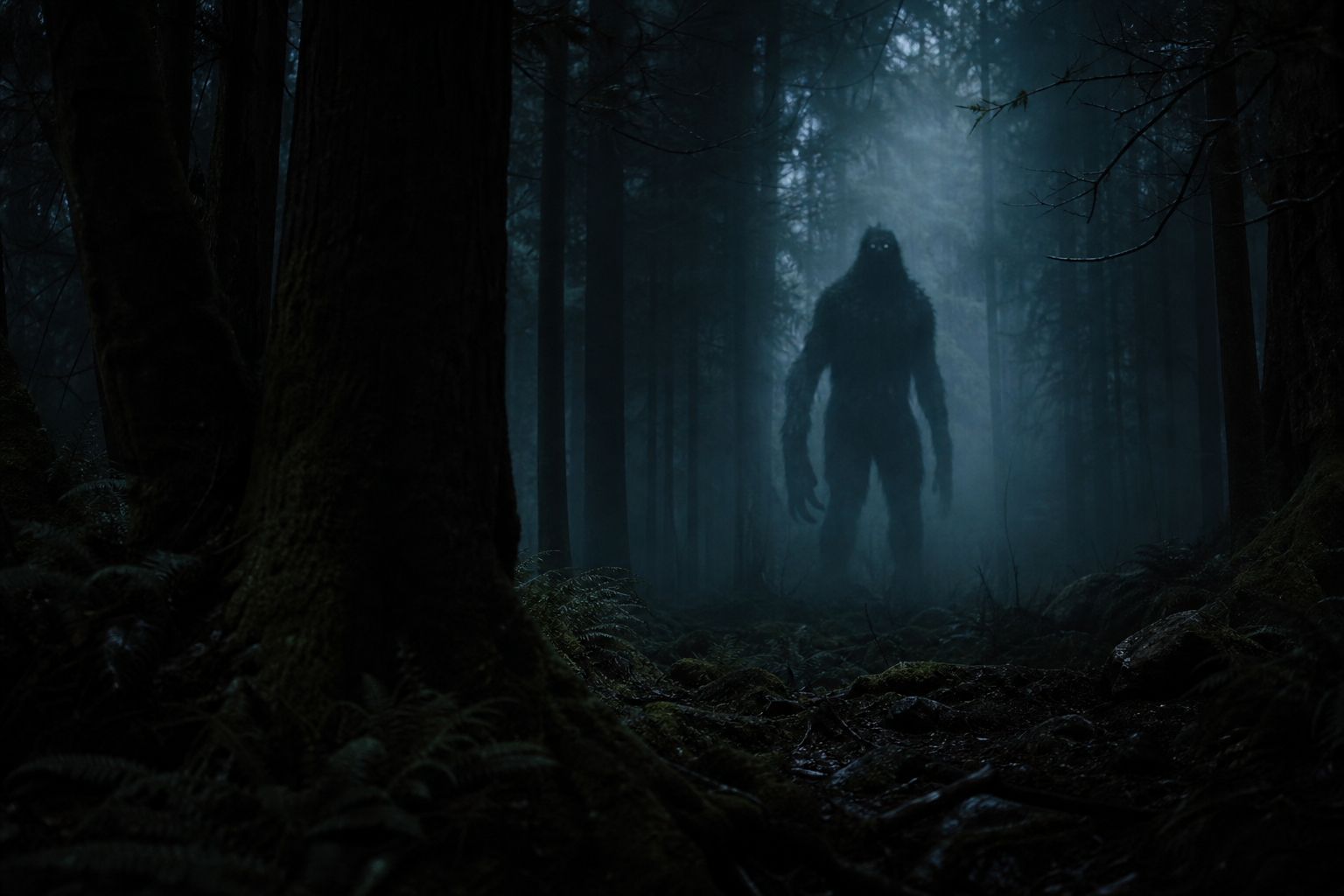
    In the digital age, the line between terrifying folklore and viral internet culture has become increasingly blurred. While many of us spent our childhoods fearing the shadows of the woods, a new wave of artists is transforming these legendary monsters into something unexpectedly nostalgic. Recently, a talented artist on the r/Cryptids subreddit, known as /u/goldholsoe, captured the internet’s imagination by reimagining six iconic creatures in the whimsical, “rubber hose” style of 1930s animation.

    The Intersection of Folklore and Vintage Animation

    There is a peculiar synergy between the world of Cryptozoology and the golden age of animation. Both rely on exaggerated features, silhouettes that are instantly recognizable, and a sense of the “uncanny” that sits right on the edge of comfort and creepiness. By stripping away the grainy, low-resolution aesthetic of traditional “blob-squatch” photos and replacing it with bold ink lines and pie-cut eyes, these artists are breathing new life into legends that have persisted for decades.

    This artistic trend highlights a shift in how we perceive the paranormal. No longer are these entities merely things to be feared in the dark; they have become cultural icons. From the Mothman of West Virginia to the elusive Bigfoot of the Pacific Northwest, these creatures have transitioned from terrifying eyewitness reports to beloved figures of modern mythology. Seeing them rendered in a style reminiscent of early Disney or Fleischer Studios reminds us that, like cartoons, these legends are timeless stories passed down through the generations.

    The Heavy Hitters: Mothman and Bigfoot

    Among the six cryptids featured in the viral artwork, the Mothman remains a perennial favorite. First sighted in Point Pleasant, West Virginia, in 1966, this winged humanoid with glowing red eyes has become a symbol of impending disaster—and, more recently, a quirky internet darling. In a vintage cartoon style, the Mothman’s terrifying features are softened, turning a harbinger of doom into a character that wouldn’t look out of place dancing alongside Mickey Mouse.

    Then there is Sasquatch, perhaps the most famous cryptid in the world. Since the 1967 Patterson-Gimlin film captured a hairy bipedal figure walking through Bluff Creek, the world has been obsessed with the idea of a “hidden ape” in the wilderness. When reimagined as a cartoon, the lumbering giant takes on a more friendly, misunderstood persona. This reflects a broader trend in the community where Bigfoot is often viewed as a guardian of the forest rather than a predatory beast.

    The Weird and the Wonderful: From Flatwoods to Fresno

    The artist also delved into the more “alien” side of the cryptid spectrum, featuring the Flatwoods Monster. This entity, which allegedly terrorized a group of boys in Braxton County, West Virginia, in 1952, is known for its spade-shaped head and metallic “skirt.” Its mechanical, otherworldly appearance translates perfectly to the surrealist nature of 1930s animation, where physics and biology are often treated as mere suggestions.

    Equally fascinating is the inclusion of the Fresno Nightcrawlers. These creatures, which first appeared on CCTV footage in California, are essentially a pair of long white legs with a small head. They are among the most bizarre sightings in modern paranormal history. Their simplistic, almost comical gait makes them the perfect candidates for a “rubber hose” makeover, emphasizing the inherent absurdity that often accompanies high-strung paranormal encounters.

    Why We Are Drawn to the Paranormal Aesthetic

    Why do we find such joy in seeing the Jersey Devil or the Chupacabra rendered in ink and paint? Perhaps it is because the paranormal represents the last great mystery in a world that feels increasingly mapped and explained. By turning these monsters into art, we are able to engage with the unknown on our own terms. We take the “spookiness” of the 18th-century Pine Barrens or the goat-farms of Puerto Rico and turn it into something tangible and expressive.

    Furthermore, the “old cartoon” aesthetic carries its own weight of mystery. Early animation was often dark, surreal, and slightly unsettling, much like the stories of Urban Legends themselves. This stylistic choice bridges the gap between the historical roots of these sightings and the modern digital platforms where they now thrive. It reminds us that whether it is a campfire story from 100 years ago or a Reddit post from yesterday, our fascination with the things that go bump in the night remains unchanged.

    As we continue to scan the skies for UFOs and the forests for footprints, art like this serves as a bridge between the skeptics and the believers. It celebrates the creativity of the human mind and the enduring power of a good mystery. Whether these creatures are flesh-and-blood animals or figments of our collective imagination, they have certainly earned their place in our cultural gallery.

    Which of these legendary cryptids do you think would make the best star of its own vintage animated series? Let us know your thoughts in the comments below!

    Recommended Resources

    • 🤖 Viktor AI — The autonomous AI platform we use to run our marketing operations. Hire Viktor to handle blogging, lead research, audits, and more.
    • 💳 Greenlight — The money app and debit card for kids and teens. Teach your kids to earn, save, and invest. Earn $30 when you sign up.
    • ⛏️ GoMining — Earn Bitcoin through cloud mining without the hardware hassle. A passive way to get into crypto.
    • 🏦 Mercury — The business banking account built for startups and small businesses. No fees, powerful tools, and easy to set up.
  • Cryptid Valley National Park: The Art of Tracking Hidden Legends

    Cryptid Valley National Park: The Art of Tracking Hidden Legends

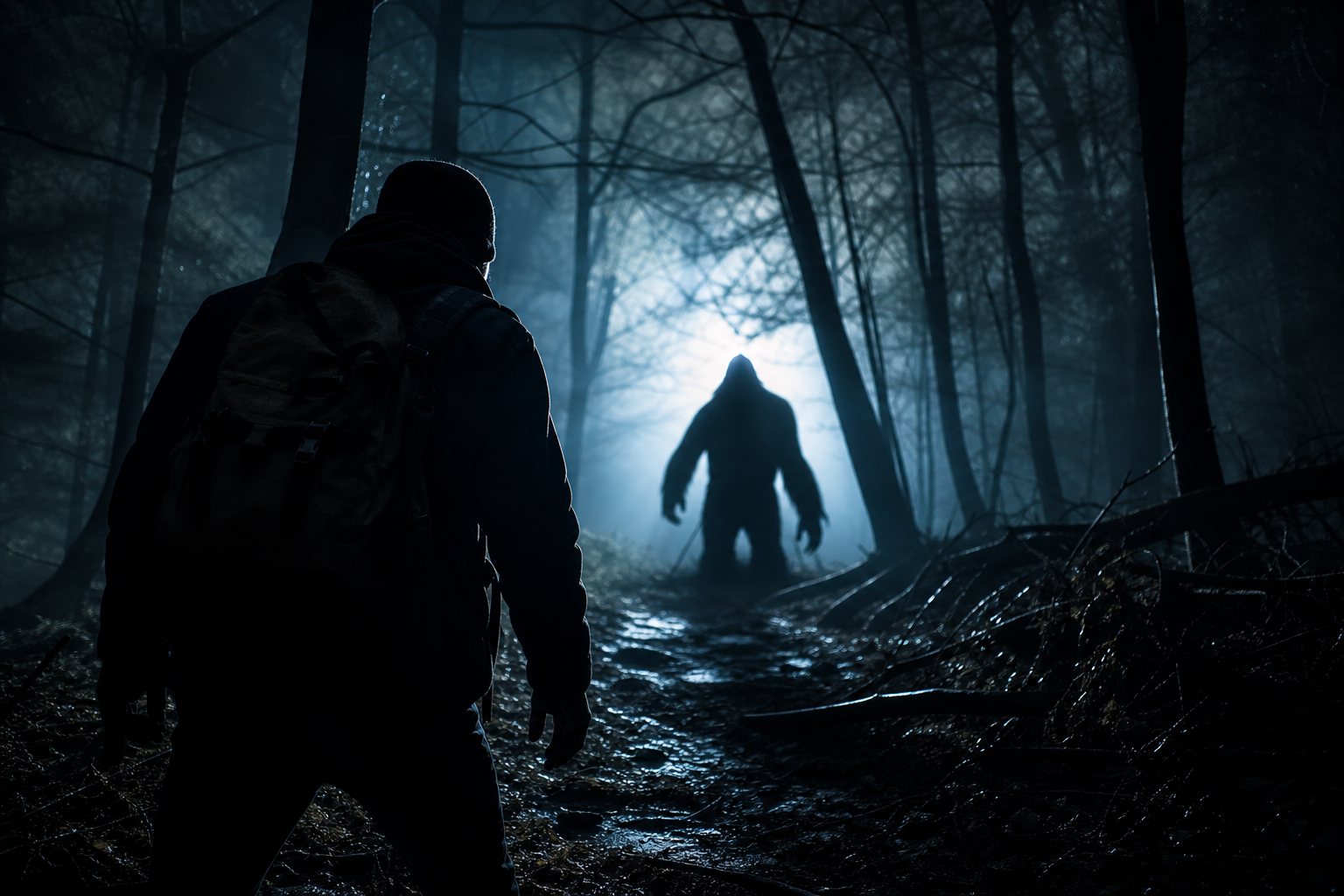
    Deep within the dense, fog-laden forests of the Pacific Northwest and the jagged peaks of the Appalachians, a specific kind of magic persists. It is the magic of the unknown, where the line between cryptozoology and reality blurs into the shadows of the treeline. For many enthusiasts, the dream of a dedicated sanctuary for these elusive beings has recently taken a creative turn through the concept of Cryptid Valley National Park.

    While you won’t find this specific destination on a standard government map, the lore surrounding it has captured the imagination of the paranormal community. A recent surge in interest sparked by digital artisans has brought this fictional park to life, offering a glimpse into a world where Bigfoot and the Mothman are the primary residents. These artistic endeavors, ranging from vintage-style travel posters to soft fabric prints, serve as a bridge between our modern world and the ancient mysteries that still haunt the wilderness.

    The Aesthetic of the Unexplained

    The recent emergence of “canvas cryptid creations” has redefined how we interact with urban legends. These pieces of art are designed to look at home in a weathered forest ranger’s office or a secluded lakeside cabin, evoking a sense of nostalgia for a time when the world felt much larger and more mysterious. By utilizing soft fabric textures and muted, earthy tones, creators are tapping into the “National Park Gothic” aesthetic that has become a staple of paranormal subcultures.

    This artistic movement does more than just decorate a room; it validates the shared experiences of those who claim to have seen something unexplainable in the brush. When we see a high-quality print of a Wendigo or a Jersey Devil styled as an official park mascot, it lends a layer of “fictional authority” to the legend. It asks the viewer to imagine a reality where the Department of the Interior acknowledges the existence of the supernatural, providing a safe haven for creatures that science has yet to categorize.

    National Parks: A Hotbed for High Strangeness

    The connection between the National Park Service and the paranormal is not merely a modern invention. For decades, researchers like David Paulides have documented the Missing 411 phenomenon, a series of unexplained disappearances in wildlands that often defy conventional logic. These cases frequently involve experienced hikers vanishing without a trace, only for their belongings to be found in areas previously searched, or for the individuals to reappear miles away in impossible terrain.

    Because of these real-world mysteries, the concept of a “Cryptid Valley” resonates deeply with the community. Many believe that our protected wilderness areas are the last strongholds for relict hominids and other prehistoric survivors. The vast, untouched acreage of places like Yellowstone or the Great Smoky Mountains provides the perfect cover for species that wish to remain hidden from the prying eyes of modern civilization. Art that celebrates these locations—even fictional ones—keeps the conversation about these anomalies alive.

    Preserving Folklore in the Digital Age

    In an era dominated by high-definition cameras and satellite surveillance, the “hidden” nature of cryptids is under constant threat. However, the rise of paranormal art on platforms like Reddit and Instagram has created a new sanctuary for these legends. By transforming terrifying encounters into tactile, beautiful objects, creators are ensuring that the stories of the Flatwoods Monster or the Skunk Ape are passed down to a new generation of seekers.

    These fabric prints and canvas works act as modern-day totems. They represent a refusal to let the wonder of the world be fully explained away by cold data. For the collector, owning a piece of Cryptid Valley National Park is a way to signal their membership in a community that still looks at the woods and wonders “what if?” It is a celebration of the uncanny and a reminder that there are still places on this map where the rules of biology and physics might not strictly apply.

    As we continue to explore the furthest reaches of our natural world, the legends of Cryptid Valley remind us to keep our eyes on the treeline and our hearts open to the impossible. Whether these creatures are flesh-and-blood animals or interdimensional travelers, they remain an integral part of our cultural landscape, prowling the borders of our perception and our dreams.

    If you could spend one night camping in a park known for its cryptid activity, which legendary creature would you hope to catch a glimpse of from your tent? Let us know in the comments below!

    Recommended Resources

    • 🤖 Viktor AI — The autonomous AI platform we use to run our marketing operations. Hire Viktor to handle blogging, lead research, audits, and more.
    • 💳 Greenlight — The money app and debit card for kids and teens. Teach your kids to earn, save, and invest. Earn $30 when you sign up.
    • ⛏️ GoMining — Earn Bitcoin through cloud mining without the hardware hassle. A passive way to get into crypto.
    • 🏦 Mercury — The business banking account built for startups and small businesses. No fees, powerful tools, and easy to set up.