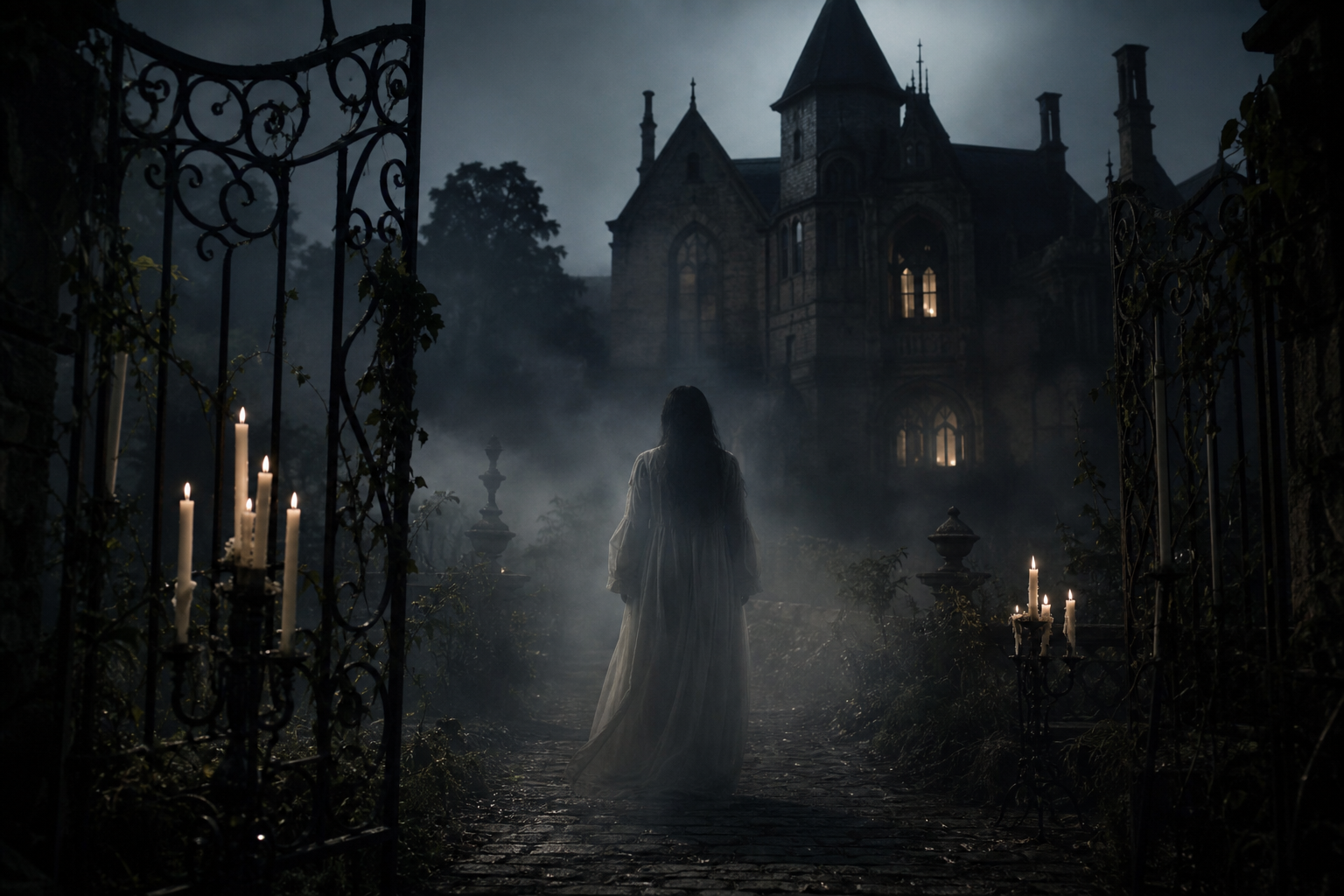
There is a specific kind of chill that runs down the spine when a horror film claims to be “based on a true story.” While many cinematic scares are born purely from the imagination of screenwriters, the upcoming film The Caged is drawing its terror from a much more tangible source: a real-life haunted location. This new entry into the folk horror genre promises to bridge the gap between historical legend and modern-day paranormal activity.
The recently released trailer for The Caged has sent ripples through the paranormal community, not just for its atmospheric dread, but for its connection to a documented haunted house. In the world of supernatural investigation, locations with a history of witchcraft and ritualistic practices are often considered “hot spots” for residual energy. By grounding its narrative in a real location, the film taps into a primal fear that these entities might not just be confined to the silver screen.
The Real-Life Inspiration Behind the Horror
While the specific identity of the house is often kept under wraps to prevent trespassing, the lore surrounding the location used for The Caged is steeped in witchcraft and local legend. Historically, houses that served as sites for occult practices or those built upon “unholy ground” are said to retain a psychic imprint of the events that occurred within their walls. This phenomenon, often referred to as the Stone Tape Theory, suggests that minerals in the building materials can “record” high-energy events and replay them for future inhabitants.
In the case of the house that inspired The Caged, reports from previous residents and local historians suggest a history of unexplained phenomena, including disembodied voices, sudden temperature drops, and the feeling of being watched by unseen eyes. These are classic hallmarks of a haunting, but when combined with the specific imagery of folk horror—think ancient symbols and ritualistic artifacts—the terror takes on a much more sinister, intentional tone.
The film’s production team reportedly chose this specific location to capture an authentic sense of unease that a soundstage simply cannot replicate. Actors and crew members often report strange occurrences on the sets of films based on real hauntings, adding a layer of metaphysical weight to the final product. Whether it is a marketing tactic or a genuine brush with the unknown, the history of the house remains a central character in the narrative.
The Resurgence of Folk Horror and Witchcraft Lore
The Caged arrives at a time when folk horror is experiencing a massive resurgence in popular culture. This subgenre typically focuses on isolation, the power of nature, and the dark side of ancient traditions. Unlike traditional ghost stories that might feature a Victorian lady in white, folk horror deals with the pagan roots of the land and the terrifying secrets buried in the soil of rural communities.
The “witch” archetype has always been a staple of the paranormal, representing a bridge between the human world and the spirit realm. In many real-life hauntings associated with witchcraft, investigators find evidence of “protection marks” or “witch bottles” hidden within the architecture of the home. These artifacts were intended to ward off evil, but in the context of a horror film, they often serve as a grim reminder of the forces that the previous occupants were so desperate to keep at bay.
By focusing on a witch-themed haunting, The Caged taps into the collective anxiety surrounding the unknown history of our own homes. It asks the viewer to consider what might be hidden behind their own drywall or buried beneath their floorboards. The paranormal isn’t always a distant spirit; sometimes, it is a legacy of the land itself, waiting for the right moment to manifest.
From History to Haunting: Cinematic Precedents
The tradition of basing horror films on real locations is a long and storied one. Perhaps the most famous example is The Conjuring, which brought the story of the Perron family and their haunted Rhode Island farmhouse to a global audience. Similarly, The Amityville Horror was based on the reported experiences of the Lutz family in a house with a dark, violent past. These films resonate because they suggest that the supernatural is a part of our physical reality.
What sets The Caged apart is its specific focus on the “caged” element—the idea of being trapped with an entity that has a claim to the property. In many poltergeist cases, the activity centers around a specific object or room, creating a sense of claustrophobia for the victims. When a house is “based on a true story,” the audience is forced to confront the possibility that the haunting didn’t end when the cameras stopped rolling.
As we wait for the full release of The Caged, the trailer serves as a haunting invitation to explore the darker corners of folk history. It reminds us that while we may build walls to keep the world out, we might accidentally be trapping something much older and more dangerous inside with us. The line between a home and a cage is thinner than we think.
Do you believe that a house can truly “remember” the dark rituals performed within its walls, or is it all just a trick of the mind? Let us know your thoughts in the comments below!
Recommended Resources
- 🤖 Viktor AI — The autonomous AI platform we use to run our marketing operations. Hire Viktor to handle blogging, lead research, audits, and more.
- 💳 Greenlight — The money app and debit card for kids and teens. Teach your kids to earn, save, and invest. Earn $30 when you sign up.
- ⛏️ GoMining — Earn Bitcoin through cloud mining without the hardware hassle. A passive way to get into crypto.
- 🏦 Mercury — The business banking account built for startups and small businesses. No fees, powerful tools, and easy to set up.
Leave a Reply