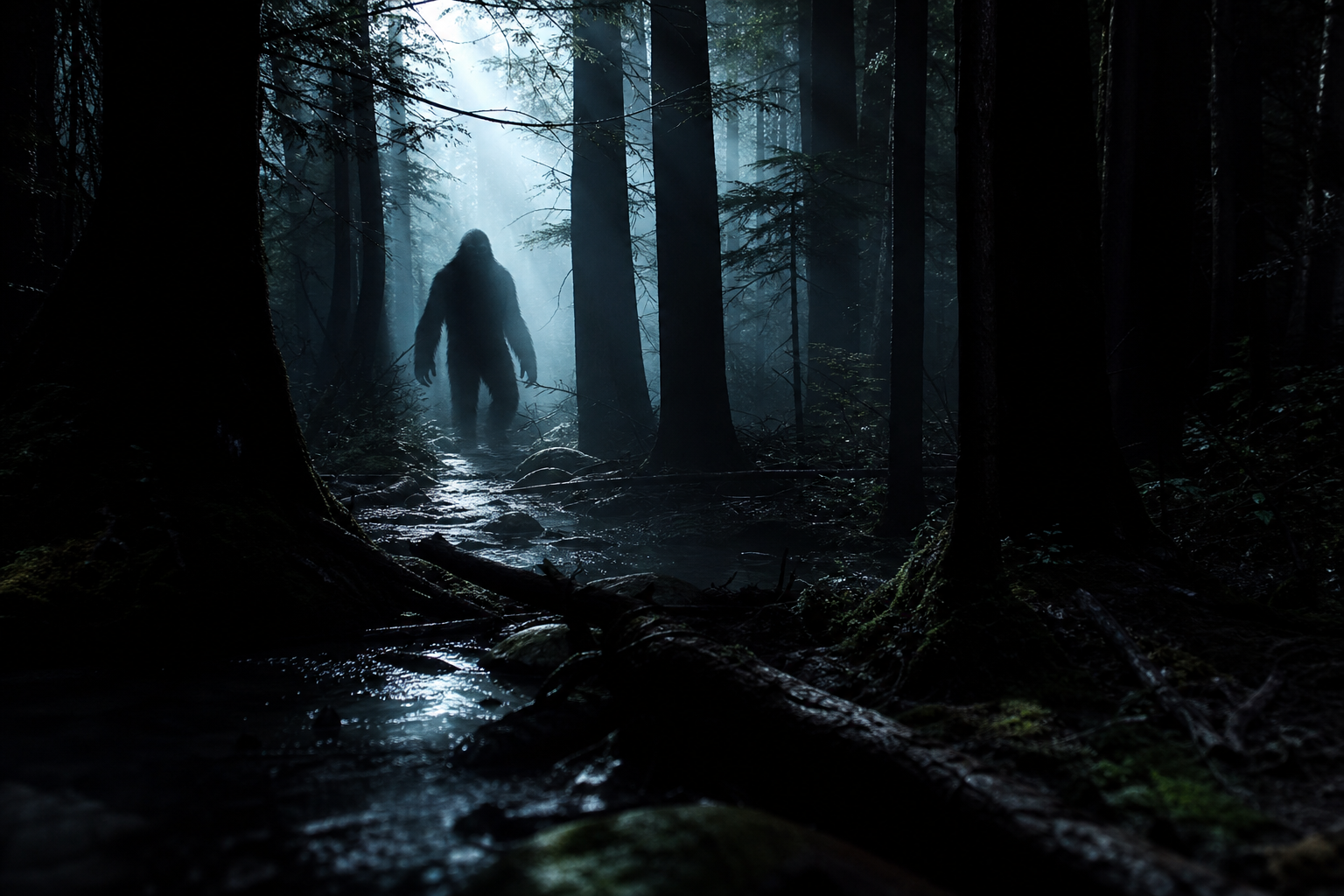
Category: Cryptids & Creatures

  • The Mystery of the Bortolan Lake Monster: Brazil’s Own Plesiosaur?

    The Mystery of the Bortolan Lake Monster: Brazil’s Own Plesiosaur?

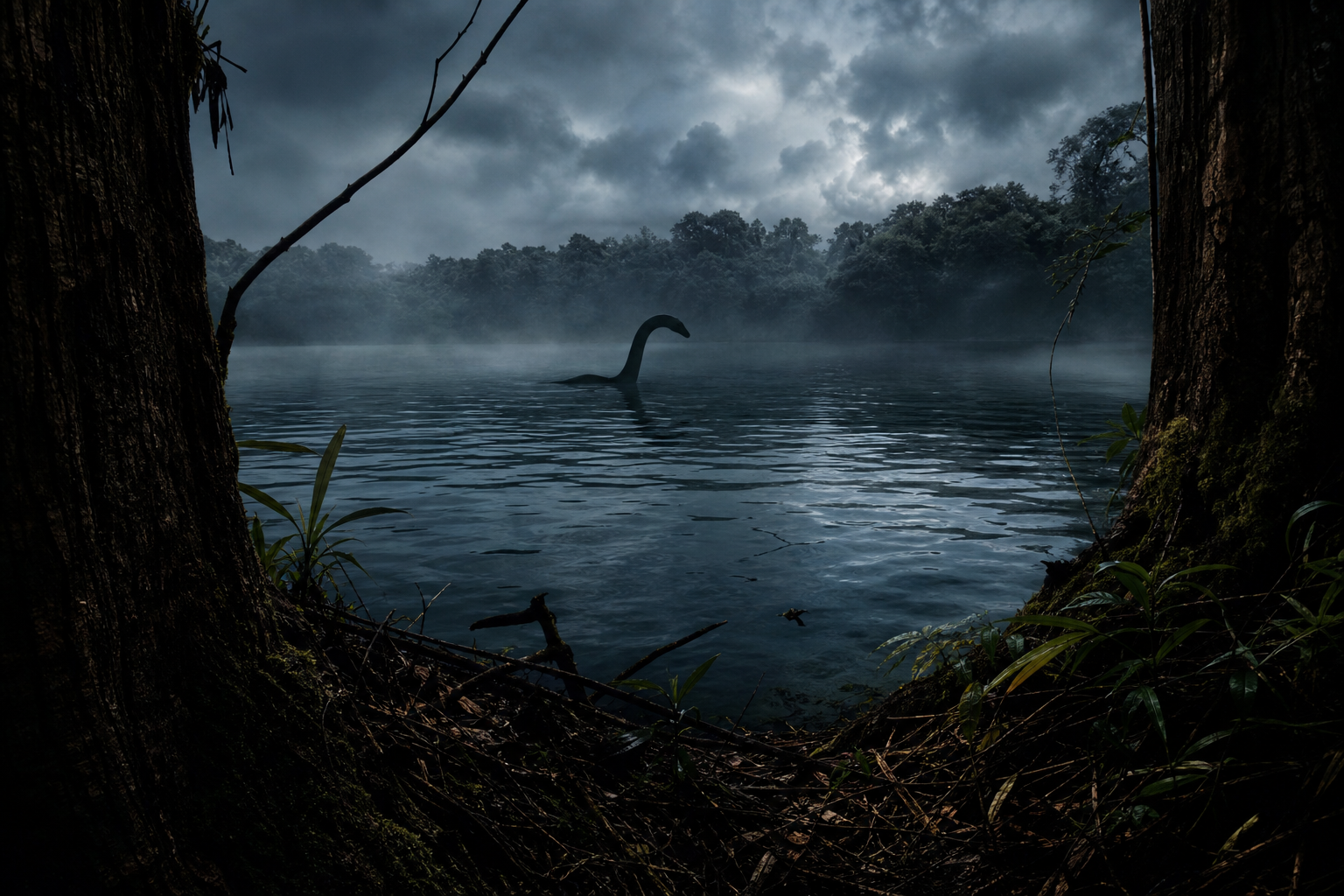
    Deep within the lush, rolling hills of Minas Gerais, Brazil, lies a body of water that holds a secret far older than the city surrounding it. While the region is famous for its thermal springs and volcanic history, locals and cryptozoologists alike have long whispered about a prehistoric inhabitant lurking beneath the surface of Represa Bortolan. Since the late 1980s, accounts of a long-necked creature have transformed this scenic reservoir into a hotspot for those searching for the impossible.

    The 1987 Sighting and the Birth of a Legend

    The mystery of the Bortolan Lake Monster truly began to capture the public imagination in 1987. During this time, the first documented reports of a Plesiosaur-like creature emerged, described by witnesses as having a serpentine neck and a massive, dark body that broke the surface of the water before silently submerged. Unlike many urban legends that fade with time, the story of the “Bortolan Beast” has persisted for decades, passed down through generations of residents in Poços de Caldas.

    Witnesses from the initial 1987 encounter described a sense of profound stillness before the creature appeared. The water, usually rippled only by the wind or local fishing boats, suddenly churned as a large, dark shape rose several feet into the air. For those who saw it, the image was unmistakable: it looked exactly like the prehistoric marine reptiles that supposedly went extinct 66 million years ago. This sparked an immediate comparison to the world’s most famous lake inhabitant, the Loch Ness Monster.

    Since that first sighting, sporadic reports have continued to trickle in. Boaters have claimed to see large wakes following their vessels when no other craft were nearby, and shore-side observers have occasionally photographed strange “humps” in the distance. While photographic evidence remains grainy and inconclusive, the consistency of the descriptions has kept the flame of the Cryptid community burning bright in South America.

    A Prehistoric Survivor in a Volcanic Crater?

    What makes the sightings at Lake Bortolan particularly intriguing is the unique geology of the region. Poços de Caldas is situated within a massive Alkaline Caldera, the remains of an ancient, collapsed volcano. This geological anomaly has created a landscape rich in minerals and thermal activity, leading some theorists to wonder if the unique environment could support a relict population of ancient creatures.

    The idea of a “living fossil” surviving in a secluded lake is a cornerstone of Cryptozoology. Proponents of the plesiosaur theory suggest that these creatures may have survived the mass extinction event by retreating into deep, underwater caverns or adapting to freshwater environments. If Lake Bortolan sits atop a network of flooded volcanic tubes, it could theoretically provide a hiding place for a large aquatic animal to remain undetected by modern sonar and satellite imaging.

    However, skeptics point out that a breeding population of large reptiles would require a massive amount of food and would likely be seen more frequently. They suggest that the “monster” might actually be a misidentified Anaconda or perhaps a large South American Tapir swimming across the reservoir. Yet, for those who have seen the towering neck of the Bortolan creature, a simple snake or mammal doesn’t seem to fit the scale of what they witnessed.

    South America’s Rich History of Lake Monsters

    The Bortolan monster is not alone in the annals of South American mystery. The continent has a long history of “Cuero” or “Lake Hide” sightings, particularly in the glacial lakes of the Andes. Most notably, Nahuelito, the resident monster of Lake Nahuel Huapi in Argentina, shares striking similarities with the creature reported in Minas Gerais. Both are described as plesiosaur-like entities that inhabit deep, cold waters and have been sighted consistently since the early 20th century.

    In Brazil, folklore is often intertwined with the natural world, featuring entities like the Boitatá—a giant, glowing serpent that protects the forests. Some researchers believe that modern sightings of lake monsters are simply the latest evolution of these ancient myths, adapted for a world that has traded campfire stories for internet forums. Whether the Bortolan creature is a biological reality or a cultural manifestation, it serves as a reminder that the natural world still holds pockets of the unknown.

    The Represa Bortolan remains a popular destination for tourists, many of whom visit for the water sports and scenic views, unaware that they might be sharing the water with a prehistoric giant. The local government and tourism boards have largely treated the legend as a charming piece of local lore, but for the “believers,” every ripple on the lake is a potential encounter with history.

    Science vs. Mystery: What Lies Beneath?

    As technology advances, the window for these creatures to hide is closing. Environmental DNA (eDNA) testing, which has been used in Loch Ness to search for traces of unknown species, has yet to be conducted in the waters of Poços de Caldas. Until such a study is performed, the Bortolan monster remains in the realm of the Paranormal—a mystery that defies conventional biology but thrives in the hearts of those who seek wonder.

    Is it possible that a remnant of the Mesozoic era is navigating the volcanic waters of Minas Gerais? Or is the human mind simply wired to find monsters in the deep, dark corners of our world? Until the creature makes a definitive appearance, the legend of the Bortolan plesiosaur will continue to haunt the shores of Poços de Caldas, waiting for the next witness to look out at the water at just the right moment.

    Do you believe a prehistoric creature could survive undetected in a modern reservoir, or is the Bortolan monster simply a trick of the light and imagination?

    Recommended Resources

    • 🤖 Viktor AI — The autonomous AI platform we use to run our marketing operations. Hire Viktor to handle blogging, lead research, audits, and more.
    • 💳 Greenlight — The money app and debit card for kids and teens. Teach your kids to earn, save, and invest. Earn $30 when you sign up.
    • ⛏️ GoMining — Earn Bitcoin through cloud mining without the hardware hassle. A passive way to get into crypto.
    • 🏦 Mercury — The business banking account built for startups and small businesses. No fees, powerful tools, and easy to set up.
  • Best Cryptid Books: How to Find Credible Research vs. Sensationalism

    Best Cryptid Books: How to Find Credible Research vs. Sensationalism

    In the digital age, the hunt for the truth behind legendary creatures often begins with a simple question on a forum. Recently, a curious seeker on the popular r/Cryptids subreddit sparked a vital conversation about the quality of literature available to modern monster hunters. The user, seeking to build a library, questioned whether certain titles were grounded in research or merely “salacious” attempts to capitalize on the unknown.

    The Great Divide in Cryptozoology Literature

    The world of cryptozoology—the study of hidden animals—is currently experiencing a literary renaissance. However, this surge in popularity has led to a saturated market where high-quality field research often sits on the same shelf as sensationalist “pulp” accounts. For the serious researcher, distinguishing between a primary source and a work of fiction disguised as fact is the first step in understanding the phenomena that haunt our forests and oceans.

    When we talk about “salacious” content in the paranormal world, we are usually referring to books that prioritize shock value over evidence. These works often rely on unverified anecdotes, lack proper citations, and lean heavily into the “monster” aspect of the creature rather than its biological or folkloric roots. While these stories make for entertaining campfire tales, they often muddy the waters for those trying to find the scientific truth behind sightings of Bigfoot or the Mothman.

    On the other hand, credible cryptid literature often reads more like a biology textbook or a sociological study. These authors spend years in the field, interviewing witnesses and analyzing physical evidence like dermal ridges in footprint casts. They acknowledge the gaps in their knowledge rather than filling them with sensationalist speculation. For a reader like the one on Reddit, finding this balance is key to building a collection that stands the test of time.

    Essential Pillars of the Cryptid Library

    To avoid the trap of sensationalism, many seasoned researchers point toward the “founding fathers” of the field. Any serious collection should arguably begin with the works of Bernard Heuvelmans, often called the father of cryptozoology. His seminal work, On the Track of Unknown Animals, set the standard for how we categorize and investigate reports of creatures that science has yet to recognize. Heuvelmans approached the subject with the rigor of a trained zoologist, providing a blueprint for all who followed.

    Another essential name for the discerning reader is Ivan T. Sanderson. While some of his later theories ventured into the fringe, his early documentation of unexplained phenomena and biological anomalies remains foundational. Sanderson had a unique ability to blend adventure with observation, making his accounts of the Abominable Snowman both thrilling and intellectually stimulating. These authors represent a time when the mystery was enough, without the need for modern “clickbait” style writing.

    In the modern era, authors like Linda S. Godfrey have carried the torch of credible investigation. Her work on the Beast of Bray Road transformed a local legend into a nationwide phenomenon, but she did so through boots-on-the-ground reporting. By focusing on witness testimony and geographical patterns, Godfrey provides a model for how to write about cryptids without losing sight of the human element or the physical reality of the sightings.

    How to Spot “Salacious” Red Flags

    As the Reddit user Dragonlord77777 noted, it can be difficult to tell if a book is “any good” just by the cover. One major red flag is the use of hyperbolic language. If a book claims to have “the final proof” or “the secret the government doesn’t want you to know” without providing peer-reviewed evidence, it is likely leaning into the salacious. Real cryptozoological research is often a slow, methodical process that rarely ends in a “smoking gun” discovery.

    Another indicator of low-quality literature is the lack of a bibliography. A credible researcher will always point you toward their sources, whether they are historical newspaper archives, previous scientific studies, or recorded interviews. If an author presents wild claims as absolute facts without explaining where the information came from, the book should be treated as speculative fiction rather than a research tool. Checking the credentials of the author—whether they have a background in journalism, science, or history—can also provide a clue to the book’s reliability.

    Finally, consider the narrative tone. Salacious books often focus on the “horror” of the encounter, painting the cryptid as a bloodthirsty predator to keep the reader’s adrenaline high. While some encounters are undoubtedly terrifying, a balanced book will also explore the creature’s behavior, potential habitat, and place within the ecosystem. The goal of a true researcher is to understand the animal, not just to scare the audience.

    Building a Legacy of Knowledge

    The quest for the truth about cryptids is a noble pursuit that requires a sharp mind and a skeptical eye. By choosing books that value empirical evidence and historical context over cheap thrills, readers contribute to the legitimacy of the field. Whether you are investigating the Jersey Devil or searching for the Loch Ness Monster, the quality of your sources will ultimately define the quality of your conclusions.

    As the community on r/Cryptids continues to grow, the demand for high-quality literature will hopefully drive out the more sensationalist “trash” that clutters the genre. For those just starting their journey, remember that the most fascinating stories are often the ones that don’t need to be exaggerated. The mystery of the unknown is powerful enough on its own.

    What are the “must-have” books in your paranormal library, and which titles do you think are too sensationalist for serious study?

    Recommended Resources

    • 🤖 Viktor AI — The autonomous AI platform we use to run our marketing operations. Hire Viktor to handle blogging, lead research, audits, and more.
    • 💳 Greenlight — The money app and debit card for kids and teens. Teach your kids to earn, save, and invest. Earn $30 when you sign up.
    • ⛏️ GoMining — Earn Bitcoin through cloud mining without the hardware hassle. A passive way to get into crypto.
    • 🏦 Mercury — The business banking account built for startups and small businesses. No fees, powerful tools, and easy to set up.
  • The Sinister District Podcast: Documenting Your Cryptid and Ghost Stories

    The Sinister District Podcast: Documenting Your Cryptid and Ghost Stories

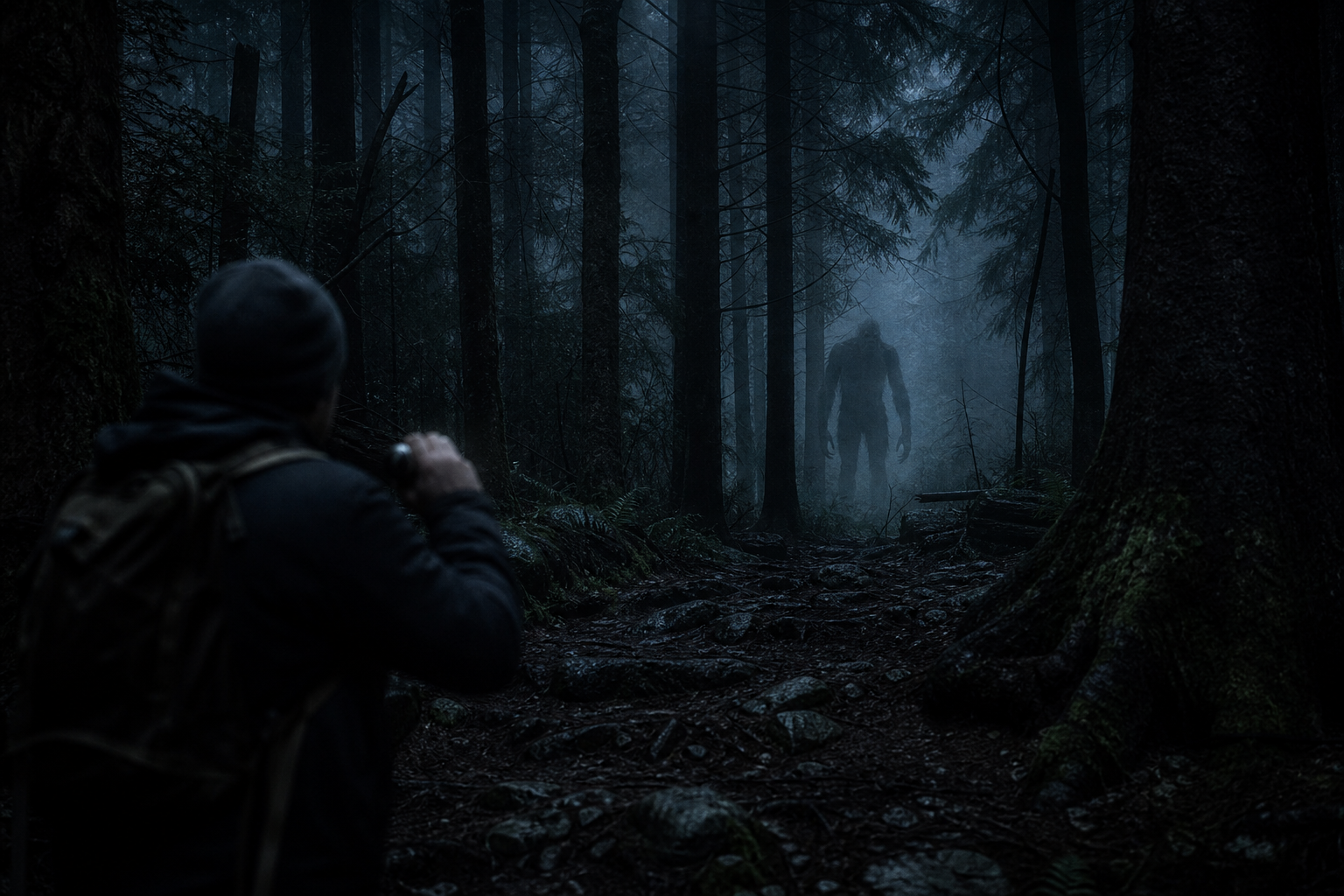
    Have you ever stood in the shadows of a dense forest and felt eyes upon you, only to see a figure that defies biological classification? Or perhaps you’ve sat in a silent room and watched a heavy door swing shut on its own accord, leaving you with a chill that lingers for hours. For many, these paranormal encounters are life-altering events that remain whispered in secret, but a new platform is giving these voices a place to resonate.

    The world of the unexplained is vast, stretching from the misty peaks of the Pacific Northwest to the haunted corridors of ancient Victorian manors. While mainstream science often turns a blind eye to these anomalies, the community of believers and witnesses continues to grow. Now, The Sinister District podcast is stepping into the fray, inviting those who have touched the veil of the unknown to step forward and share their truth.

    The Digital Campfire: Why We Share the Unexplained

    Since the dawn of humanity, we have gathered around fires to discuss the things that go bump in the night. In the modern era, the campfire has been replaced by the paranormal podcast, a medium that allows for long-form, nuanced discussions about the strange and the eerie. Hosts Michael Paul and Mr Curbs are the latest curators of this oral tradition, seeking to document the unexplained phenomena that shape our understanding of reality.

    Sharing a story about a cryptid sighting or a ghostly visitation is more than just entertainment; it is a form of citizen journalism. When witnesses come forward, they provide data points that researchers can use to find patterns in sightings. Whether it is the consistent description of a Bigfoot footprint or the recurring thermal signatures of a haunting, these stories are the building blocks of modern fortean research.

    The Sinister District aims to provide a relaxed and respectful environment for these conversations. In a field often plagued by skepticism and ridicule, finding a safe space to discuss a UFO encounter or a run-in with a shadow person is vital. The hosts emphasize that no professional experience is needed—only a genuine passion for the mysterious and a willingness to recount what was seen in the dark.

    Seeking the Strange: From Local Legends to Personal Hauntings

    What exactly qualifies as a “sinister” encounter? The scope of the podcast is impressively broad, covering everything from urban legends to deeply personal spiritual experiences. The hosts are looking for guests who have had first-hand experiences with mythical creatures, such as the elusive Mothman or the terrifying Skinwalker, as well as those who live in homes where the walls seem to talk.

    Historical context often plays a massive role in these stories. Many haunted places are tied to specific events—tragedies, battles, or forgotten cemeteries—that leave a psychic imprint on the land. By exploring these local legends, the podcast helps to preserve the folklore of regions that might otherwise be forgotten. Every town has its “spooky road” or “abandoned asylum,” and The Sinister District wants to know the truth behind the rumors.

    Furthermore, the podcast is interested in the “glitch in the matrix” style of stories. These are the moments where reality seems to stutter—objects disappearing and reappearing, or time slips where a person finds themselves in a version of their town that hasn’t existed for decades. These accounts are often the most jarring for witnesses, as they challenge the very fabric of our physical laws.

    The Importance of Witness Testimony in Cryptid Research

    In the realm of cryptozoology, witness testimony is often the only evidence available. While we wait for the definitive DNA sample or high-resolution photograph that proves the existence of the Jersey Devil or the Chupacabra, we must rely on the eyes and ears of those on the ground. Podcasts like The Sinister District act as a living archive for this testimony.

    Consider the history of the Loch Ness Monster. While sonar readings and grainy photos have been debated for decades, it is the consistent, multi-generational accounts from locals and tourists alike that keep the mystery alive. By documenting new sightings in real-time, Michael Paul and Mr Curbs are contributing to a global database of the strange that future generations of researchers will undoubtedly study.

    The act of speaking about an encounter can also be cathartic for the witness. Many people who see something truly anomalous carry the weight of that experience for years, fearing they won’t be believed. Stepping into the “District” allows these individuals to find a community of like-minded people who understand that the world is far more complex than it appears on the surface.

    How to Join the Conversation in The Sinister District

    If you have a story that has been burning a hole in your pocket, the gates to The Sinister District are open. The production team is currently scouting for guests who are eager to share their supernatural experiences. Whether you are a seasoned investigator or someone who had a one-time brush with the extraordinary, your perspective is valuable to the growing narrative of the unexplained.

    The process is designed to be accessible and low-pressure. Interested parties are encouraged to reach out via social media or direct messaging to the hosts. By fostering a conversational atmosphere, the podcast ensures that the focus remains on the story and the person telling it, rather than sensationalism or debunking for the sake of a headline.

    As we move further into the 21st century, the line between science and mystery continues to blur. What was once considered a “fairy tale” may one day be understood as a multidimensional event or an undiscovered biological species. Until then, we continue to watch the skies and the woods, waiting for the next story to emerge from the shadows.

    Have you ever seen something in the dead of night that you simply couldn’t explain to your friends or family?

    Recommended Resources

    • 🤖 Viktor AI — The autonomous AI platform we use to run our marketing operations. Hire Viktor to handle blogging, lead research, audits, and more.
    • 💳 Greenlight — The money app and debit card for kids and teens. Teach your kids to earn, save, and invest. Earn $30 when you sign up.
    • ⛏️ GoMining — Earn Bitcoin through cloud mining without the hardware hassle. A passive way to get into crypto.
    • 🏦 Mercury — The business banking account built for startups and small businesses. No fees, powerful tools, and easy to set up.
  • Bigfoot Hits the Mall: New 90s Indie Game Brings Cryptids to Suburbia

    Bigfoot Hits the Mall: New 90s Indie Game Brings Cryptids to Suburbia

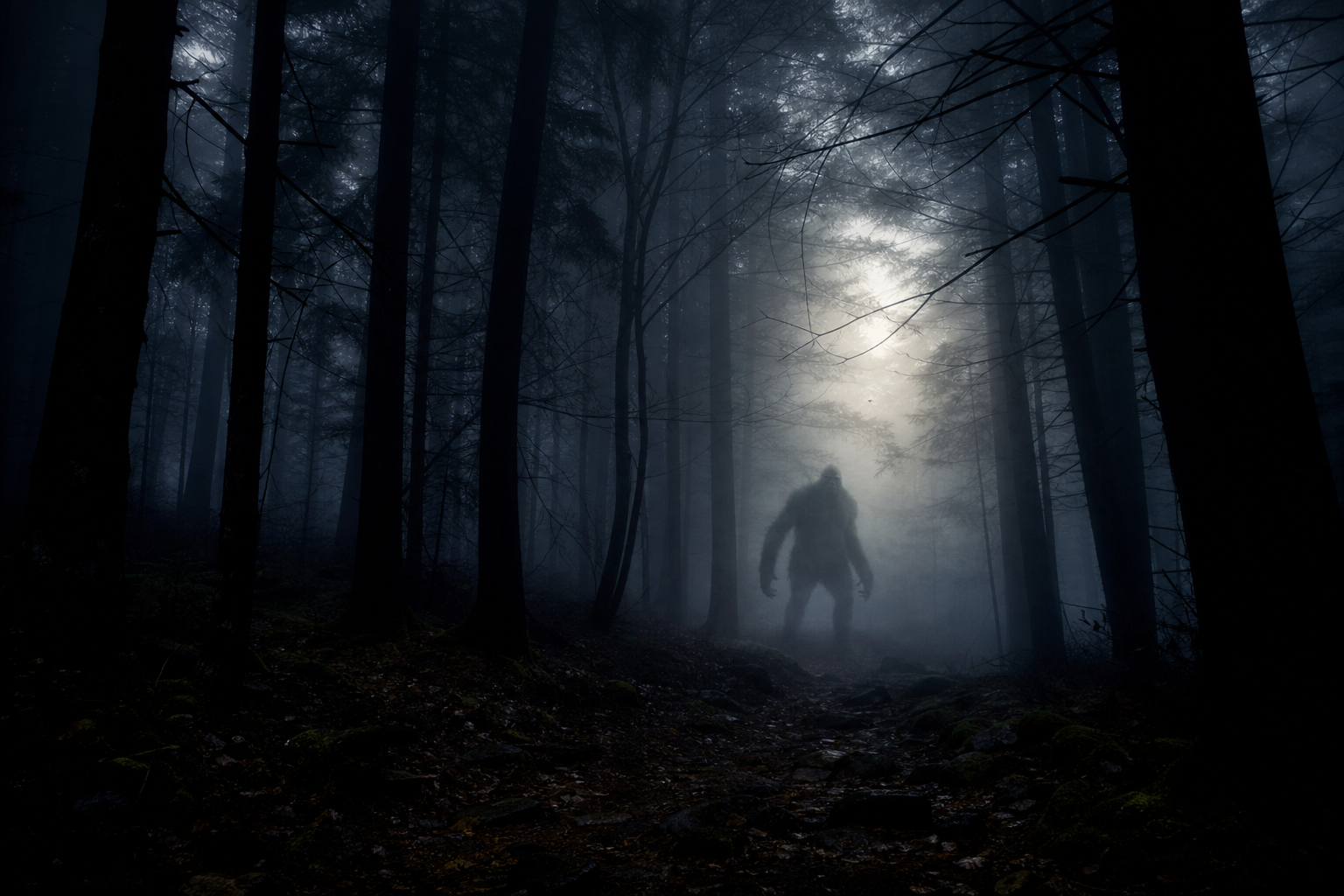
    Imagine the year is 1995: the air is thick with the scent of cinnamon pretzels, the neon lights of the arcade flicker in the distance, and a towering, hairy figure is lurking just behind the potted palms of the food court. While most cryptozoology enthusiasts expect to find Bigfoot in the dense forests of the Pacific Northwest, a new indie gaming project is bringing the legendary beast into the heart of suburban Americana. This unexpected collision of 90s nostalgia and high-stakes monster hunting is capturing the imagination of both gamers and paranormal researchers alike.

    The Neon Glow of Liminal Space Cryptids

    The upcoming project from Creative Name Studios taps into a growing cultural obsession with liminal spaces—those eerie, transitional locations like empty hallways or abandoned shopping centers that feel slightly “off.” By setting their game in a sprawling 1990s mall, the developers are creating a unique environment where the line between reality and urban legend blurs. In this setting, the familiar comfort of a retail hub becomes a hunting ground for creatures that shouldn’t exist.

    For decades, the Sasquatch has been synonymous with the wilderness, but the idea of “urban cryptids” is not entirely new to the paranormal community. Reports of large, unidentified primates near suburban fringes have persisted for years, suggesting that these creatures might be more adaptable than we previously thought. By placing Bigfoot in a mall, the game explores the terrifying possibility that the monsters of our nightmares have followed us out of the woods and into our centers of commerce.

    Sasquatch in the Food Court: A New Kind of Encounter

    The centerpiece of this indie title is a meticulously designed Bigfoot model that balances traditional lore with a stylized, retro aesthetic. In the world of cryptozoology, the creature is often described as a shy, reclusive giant, yet this game reimagines the beast as a formidable presence navigating the corridors of a shopping empire. This shift in environment forces players to rethink everything they know about tracking and surviving an encounter with the world’s most famous cryptid.

    Historically, sightings of “Man-Apes” in developed areas often coincide with periods of rapid urban expansion. When we build over the wild, where do the residents of those forests go? This game seems to ask that very question, albeit through the lens of a 90s survival horror experience. The contrast between the artificial brightness of a mall and the primal, ancient nature of a Sasquatch creates a tension that is rarely explored in modern media.

    Beyond the Woods: The Evolution of Urban Legends

    While Bigfoot is the star of the show, the developers have hinted that the mall will be home to a variety of other cryptids and original monsters. This reflects a broader trend in the paranormal community where legends like the Mothman or the Jersey Devil are being reimagined for a new generation. These stories are no longer confined to dusty books or campfire tales; they are evolving into interactive experiences that allow us to face our fears head-on.

    The 1990s were a pivotal decade for the paranormal, marked by the massive success of shows like The X-Files and a surge in public interest in UFOs and secret government projects. By anchoring their game in this specific era, the team at Creative Name Studios is invoking a time when the world felt a little more mysterious and the internet hadn’t yet debunked every shadow in the corner of a photograph. It was an era where a grainy video of a creature in a mall parking lot could spark a nationwide frenzy.

    Crowdfunding the Supernatural

    To bring this ambitious vision to life, the developers have launched a Kickstarter campaign, inviting the public to help fund the development of this neon-soaked nightmare. The indie game scene has become a vital sanctuary for cryptid enthusiasts, as smaller studios are often more willing to take risks on unconventional subject matter than major corporate publishers. This grassroots support ensures that the lore remains authentic to the spirit of the paranormal community.

    As the project gains momentum, it serves as a reminder of our enduring fascination with the unknown. Whether it is a blurry figure in a forest or a massive shadow moving past a shuttered KB Toys, the legend of Bigfoot continues to adapt and survive. This game isn’t just about high scores; it’s about the thrill of the hunt and the eternal question of what might be hiding just out of sight in the places we frequent every day.

    If you found yourself trapped in a deserted 90s mall after hours, which legendary cryptid would you be most terrified to encounter in the dark?

    Recommended Resources

    • 🤖 Viktor AI — The autonomous AI platform we use to run our marketing operations. Hire Viktor to handle blogging, lead research, audits, and more.
    • 💳 Greenlight — The money app and debit card for kids and teens. Teach your kids to earn, save, and invest. Earn $30 when you sign up.
    • ⛏️ GoMining — Earn Bitcoin through cloud mining without the hardware hassle. A passive way to get into crypto.
    • 🏦 Mercury — The business banking account built for startups and small businesses. No fees, powerful tools, and easy to set up.
  • Beyond the Mothman: Essential Cryptids for Your Paranormal Book

    Beyond the Mothman: Essential Cryptids for Your Paranormal Book

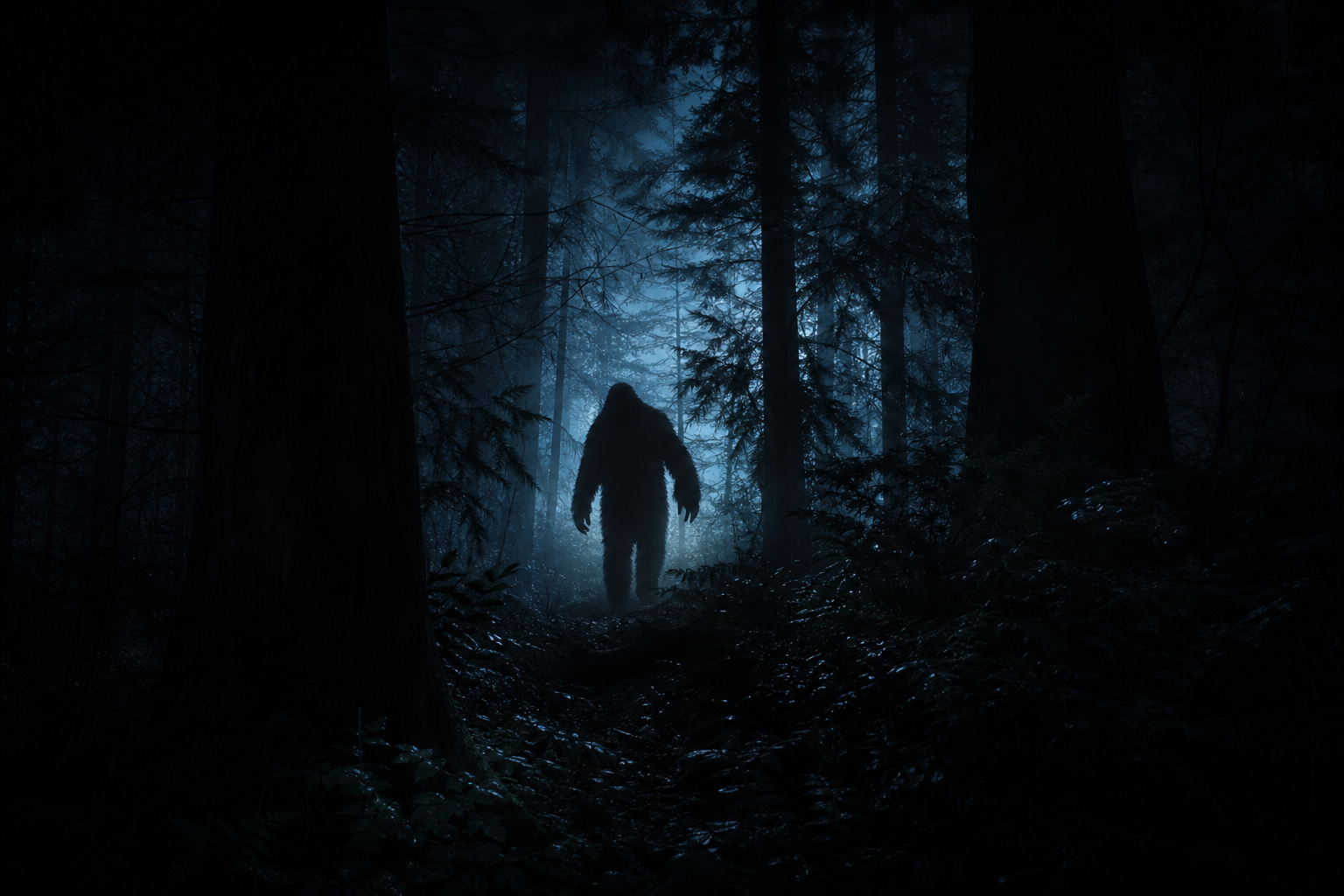
    The world of cryptozoology is a vast, shadowy landscape filled with creatures that defy conventional science and haunt the periphery of our reality. For many researchers and enthusiasts, the journey into the unknown begins with a single, winged figure: the Mothman. As new authors and investigators begin documenting these legends for future generations, the question arises—where does one go after visiting the TNT area of West Virginia?

    Documenting cryptids is more than just a hobby; it is an attempt to catalog the unexplained and preserve the oral traditions of communities worldwide. Whether you are compiling a field guide or writing a comprehensive encyclopedia of the strange, selecting the right subjects is crucial for capturing the essence of the paranormal. From the dense forests of the Pacific Northwest to the desolate plains of the Southwest, the list of potential candidates is as terrifying as it is long.

    The Mothman Legacy: A Foundation of Fear

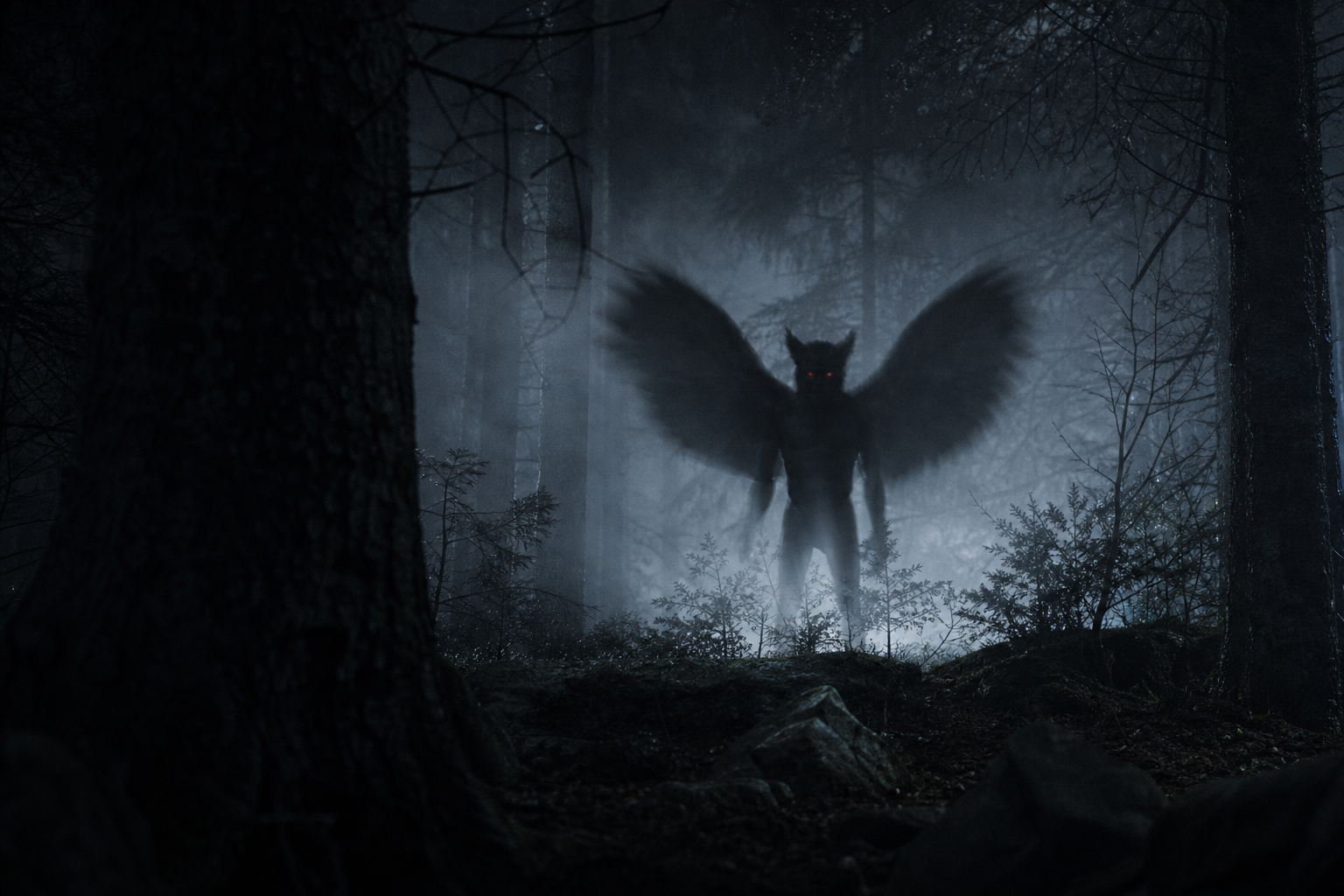
    To understand why the Mothman is the perfect starting point for any cryptid book, one must look back to November 1966 in Point Pleasant, West Virginia. The creature, described as a man-sized bird with glowing red eyes and a ten-foot wingspan, terrorized the local community for over a year. Witnesses reported that the entity could fly at incredible speeds without flapping its wings, often following cars along the dark backroads of the “TNT Area,” a former World War II explosives manufacturing facility.

    The Mothman sightings culminated in the tragic collapse of the Silver Bridge in December 1967, leading many to believe the creature was a harbinger of doom rather than a mere biological anomaly. When documenting this entity, researchers should look into the connection between the sightings and Men in Black encounters reported by investigator John Keel. Adding details about the “Indrid Cold” or “The Smiling Man” sightings from the same era provides a layer of high strangeness that elevates the Mothman from a simple monster to a complex paranormal phenomenon.

    The North American Titans: Bigfoot and the Jersey Devil

    No collection of cryptids is complete without the inclusion of Bigfoot, also known as Sasquatch. This towering, bipedal homid is perhaps the most famous cryptid in the world, with sightings spanning centuries and continents. When adding Bigfoot to a research project, it is essential to distinguish between the various regional variations, such as the Skunk Ape of Florida or the Yeti of the Himalayas. Focus on the 1967 Patterson-Gimlin film as a cornerstone of evidence, but also explore the indigenous legends that predate modern sightings.

    Moving to the East Coast, the Jersey Devil offers a more supernatural flavor to a cryptid collection. Legend has it that the creature was the thirteenth child of Mother Leeds, born in 1735 and transformed into a hooved, winged beast upon its birth. The Jersey Devil is unique because its origin is rooted in colonial folklore and political rivalry, making it a fascinating study of how history and myth intertwine. Its frequent “appearances” in the Pine Barrens of New Jersey continue to draw investigators to this day.

    Extraterrestrial Ties: The Flatwoods Monster and Chupacabra

    For those looking to bridge the gap between cryptozoology and Ufology, the Flatwoods Monster is a mandatory addition. In 1952, a group of boys in Braxton County, West Virginia, witnessed a bright object streak across the sky and land on a nearby farm. What they discovered was a ten-foot-tall entity with a spade-shaped head and a pleated “skirt.” This case is a perfect example of a “close encounter” that blurs the lines between an alien visitor and a biological cryptid.

    On the more modern side of the spectrum lies the Chupacabra, or “goat-sucker.” First reported in Puerto Rico in the mid-1990s, this creature quickly became a global sensation. While early descriptions depicted a reptilian alien-like being with spikes on its back, more recent sightings in the Southern United States often describe a hairless, canine-like animal. This evolution of the legend provides a great opportunity for writers to discuss how mass hysteria and environmental factors can shape the public’s perception of a monster.

    Expanding the Bestiary: Tips for New Researchers

    As you expand your research beyond the “Big Three” of Mothman, Bigfoot, and Nessie, consider looking into more obscure regional legends. The Beast of Bray Road in Wisconsin or the Loveland Frogman of Ohio offer unique narratives that haven’t been overexposed in mainstream media. When writing about these beings, always look for primary sources—original newspaper clippings, police reports, and first-hand interviews—to give your work an air of journalistic authority.

    Furthermore, don’t forget to include the Thunderbird, a staple of Native American mythology that persists in modern sightings of giant, prehistoric-looking birds. By categorizing your cryptids by region or type (e.g., winged, aquatic, humanoid), you can create a structured narrative that helps readers navigate the chaotic world of the unexplained. The key to a great cryptid book is not just listing the monsters, but exploring the “why” behind the sightings and the impact they have on the human psyche.

    Which cryptid do you believe is the most terrifying to encounter in the dead of night, and which one should every new researcher study first?

    Recommended Resources

    • 🤖 Viktor AI — The autonomous AI platform we use to run our marketing operations. Hire Viktor to handle blogging, lead research, audits, and more.
    • 💳 Greenlight — The money app and debit card for kids and teens. Teach your kids to earn, save, and invest. Earn $30 when you sign up.
    • ⛏️ GoMining — Earn Bitcoin through cloud mining without the hardware hassle. A passive way to get into crypto.
    • 🏦 Mercury — The business banking account built for startups and small businesses. No fees, powerful tools, and easy to set up.
  • Detective Bigfoot: Why the World is Obsessed with Cryptid Noir

    Detective Bigfoot: Why the World is Obsessed with Cryptid Noir

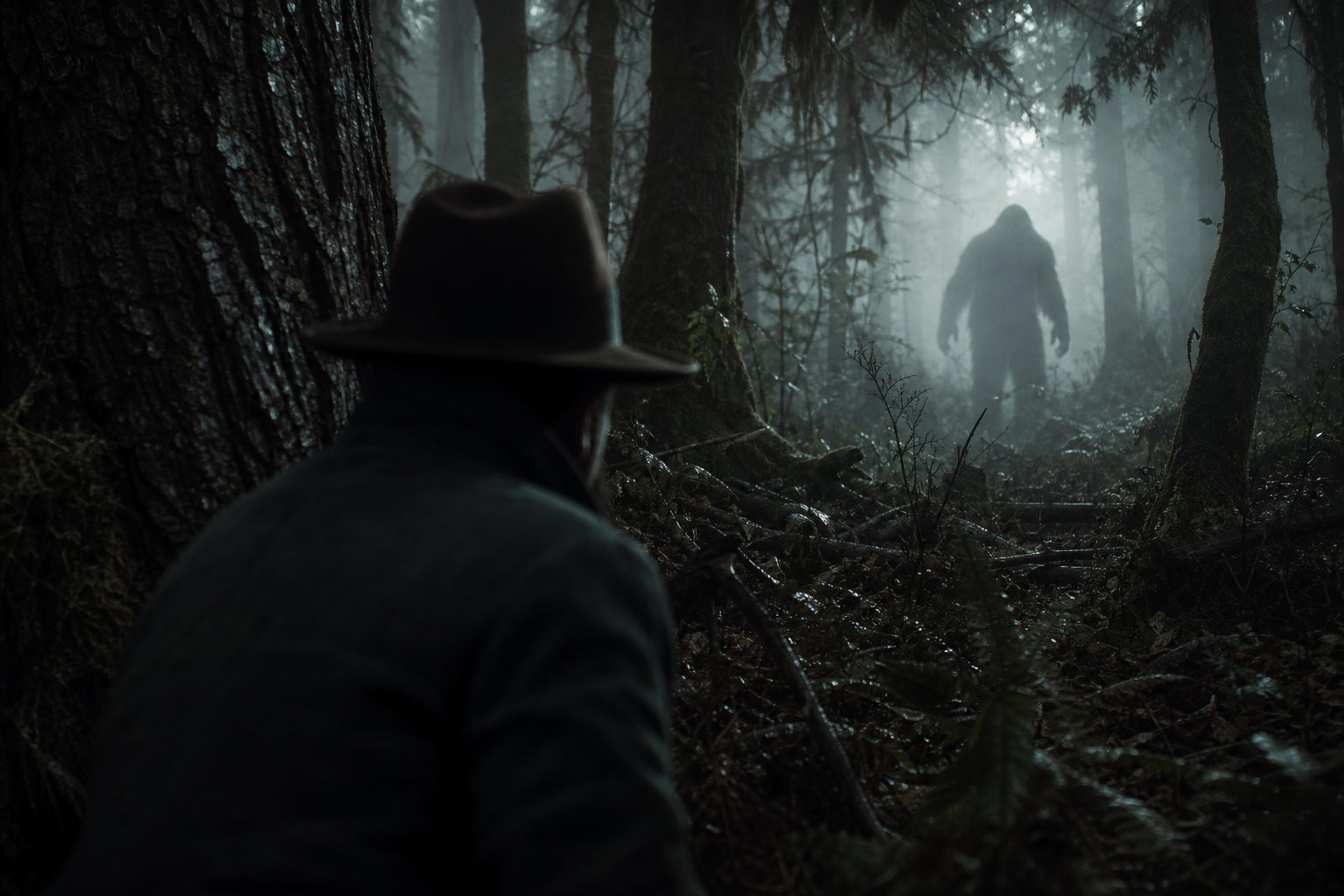
    Deep in the rain-soaked forests of the Pacific Northwest, the legend of a towering, bipedal ape has haunted the human imagination for centuries. But what happens when the world’s most famous cryptid stops hiding in the shadows and starts solving the mysteries of the supernatural world himself? This is the premise behind the cult-hit digital series Detective Bigfoot, a project that has recently resurfaced on social media, sparking a new wave of interest in the intersection of cryptozoology and hard-boiled noir fiction.

    The Evolution of the Sasquatch Legend

    For decades, the narrative surrounding Bigfoot—also known as Sasquatch—remained relatively static. Most accounts focused on grainy 16mm film footage, oversized footprints in the mud, and terrifying “wood knocks” heard by lone hikers in the wilderness. These stories painted the creature as a shy, primitive relic of a bygone era, a missing link between man and beast that preferred isolation over interaction.

    However, as our digital culture evolves, so too does our folklore. The modern era has seen a shift from fearing the unknown to humanizing it. We no longer just want to find Bigfoot; we want to know what he thinks, what he feels, and apparently, what kind of cases he would take if he wore a trench coat. This “humanization of the monster” has birthed a sub-genre known as Paranormal Noir, where the legendary beasts of our nightmares become the protagonists of their own gritty dramas.

    The recent resurgence of the Detective Bigfoot webcomic on platforms like Reddit and Webtoon highlights this cultural shift. Created by the artist known as 1ofthem, the series reimagines the elusive forest-dweller as a cynical, world-weary investigator navigating a world filled with mature themes and dark mysteries. It is a far cry from the blurry photos of the 1967 Patterson-Gimlin film, yet it taps into the same primal fascination with what might be lurking just out of sight.

    Why the Detective Trope Fits the Cryptid World

    There is a poetic irony in making a detective out of a creature that has spent centuries evading detection. In the world of Detective Bigfoot, the protagonist uses his unique perspective as an outsider to navigate the seedy underbelly of the paranormal. This narrative device allows creators to explore “edgy” themes—including mature content and graphic imagery—that traditional folklore often avoids.

    The creator recently shared a “Halloween Special” in the middle of May, proving that the appetite for spooky, atmospheric storytelling isn’t limited to the month of October. By breaking the story into multiple parts to accommodate digital platform limits, the creator has built a serialized mystery that mirrors the slow-burn tension of a classic detective novel. This format keeps the audience engaged, mirroring the way real-life Bigfoot hunters obsessively track clues over long periods.

    Similar cases of “Cryptid Noir” have appeared in other media, such as the popular video game The Wolf Among Us or the comic series Beasts of Burden. These stories resonate because they treat the supernatural with a sense of grounded realism. When a cryptid is given a badge or a magnifying glass, the mystery shifts from “Does he exist?” to “What secrets is he uncovering?”

    The Digital Renaissance of Paranormal Folklore

    The success of independent projects like Detective Bigfoot underscores the importance of digital communities in keeping urban legends alive. Platforms like Tapas and Reddit have become the new campfires where stories are told and retold. In these spaces, the line between creator and audience is blurred, allowing for a collaborative evolution of myth.

    While some traditionalists might scoff at the idea of a Sasquatch solving crimes, these creative interpretations serve a vital purpose. They keep the conversation around cryptozoology fresh and relevant for a younger generation. Whether it is through a “season finale” of a webcomic or a viral thread about a new sighting in the Appalachian Mountains, the legend of Bigfoot continues to adapt to the medium of the time.

    As we look toward the future of paranormal media, it is clear that the “Bigfoot” brand is expanding. He is no longer just a monster in the woods; he is a cultural icon, a meme, and now, a hard-boiled detective. The mystery of the Sasquatch may never be solved in the real world, but in the realm of fiction, he is just getting started on his toughest case yet.

    If you were to encounter a legendary cryptid in a dark alley, would you rather they be a mindless beast or a cynical detective with a story to tell? Let us know your thoughts in the comments below!

    Recommended Resources

    • 🤖 Viktor AI — The autonomous AI platform we use to run our marketing operations. Hire Viktor to handle blogging, lead research, audits, and more.
    • 💳 Greenlight — The money app and debit card for kids and teens. Teach your kids to earn, save, and invest. Earn $30 when you sign up.
    • ⛏️ GoMining — Earn Bitcoin through cloud mining without the hardware hassle. A passive way to get into crypto.
    • 🏦 Mercury — The business banking account built for startups and small businesses. No fees, powerful tools, and easy to set up.
  • Mapping the Unknown: Mark A. Hall’s Guide to North American Cryptids

    Mapping the Unknown: Mark A. Hall’s Guide to North American Cryptids

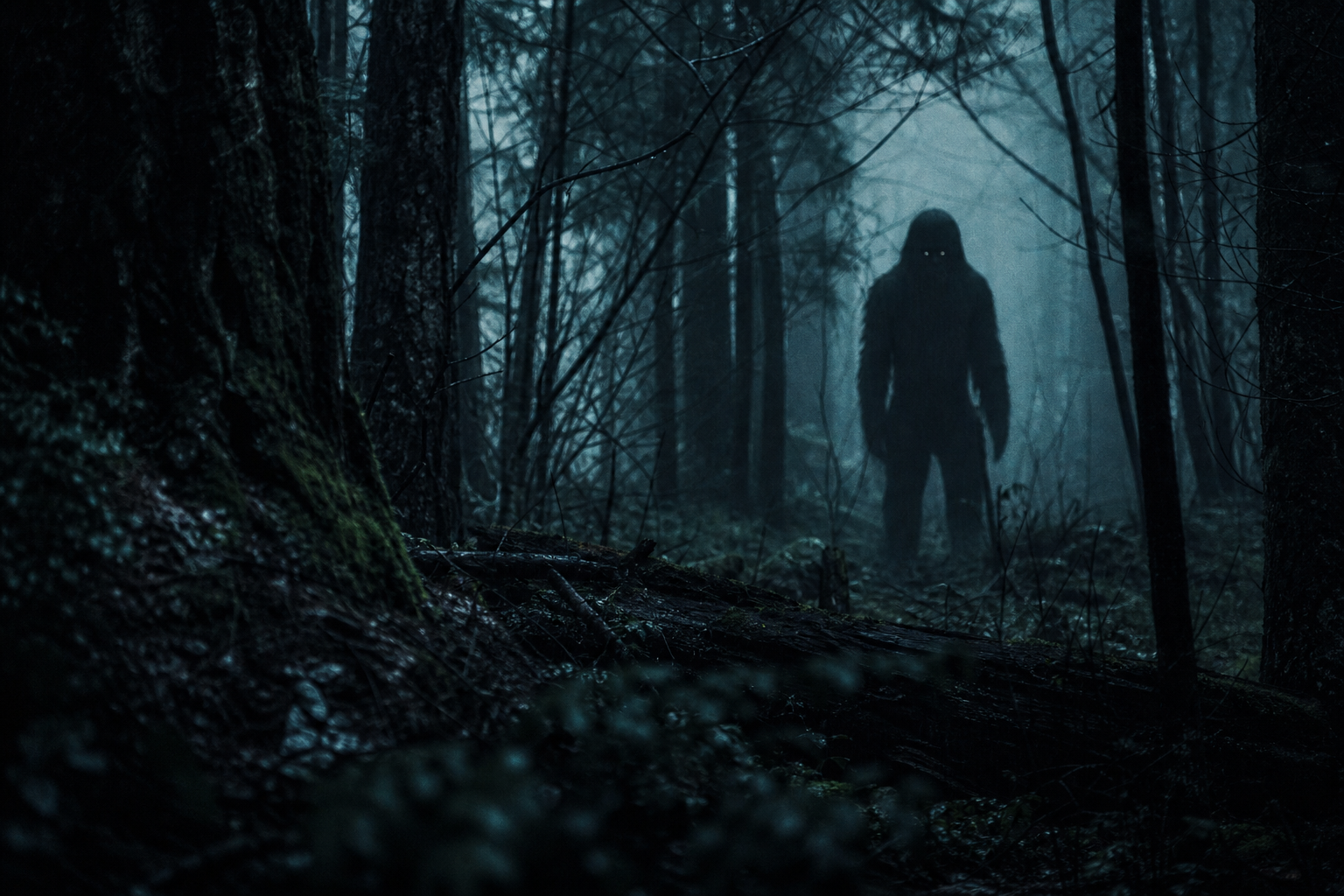
    For decades, the vast wilderness of the North American continent has served as a canvas for stories that defy conventional biology. While mainstream science often dismisses these accounts as folklore or misidentification, dedicated researchers like the late Mark A. Hall spent their lives attempting to bring order to the chaos of the unexplained. Hall, a prominent figure in the field of cryptozoology, created a legendary map that serves as a geographical blueprint for the continent’s most elusive residents, ranging from prehistoric survivors to winged anomalies.

    Hall’s work was more than just a collection of campfire stories; it was a serious attempt to categorize sightings based on regional patterns and biological possibilities. By plotting these encounters on a map, he sought to prove that these creatures were not random hallucinations but part of a hidden ecosystem. From the icy reaches of the north to the humid swamps of the Caribbean, Hall’s map provides a fascinating glimpse into a world where the line between myth and reality is perpetually blurred.

    The Avian Anomalies and the Mothman Mystery

    One of the most striking aspects of Mark A. Hall’s research was his unique perspective on the Mothman of West Virginia. While many enthusiasts link the creature to extraterrestrial origins or supernatural curses, Hall proposed a more grounded, albeit still startling, theory. He believed that the red-eyed entity was actually a species of giant owl, standing several feet tall and possessing a massive wingspan. This biological approach was a hallmark of Hall’s work, as he often looked for naturalistic explanations for seemingly impossible sightings.

    Further west, Hall’s map highlights the persistent legends of the Thunderbird and the Arizona pterosaur. These accounts describe massive birds or reptilian flyers that resemble creatures long thought to be extinct. In the arid deserts of the Southwest, sightings of “living fossils” have persisted for over a century, suggesting that the remote canyons may still harbor remnants of a prehistoric age. Hall’s inclusion of these aerial cryptids suggests a belief that the skies of North America are far from fully explored.

    Monsters of the Deep: From the Oklahoma Octopus to the Lusca

    The waterways of North America are equally crowded with mystery, according to Hall’s cartography. Perhaps one of the most controversial entries is the Oklahoma Octopus. While an octopus living in a landlocked, freshwater lake seems impossible, Hall theorized that these creatures might actually be surviving eurypterids—ancient sea scorpions that could reach massive sizes. This theory attempts to bridge the gap between modern sightings and the fossil record, providing a potential identity for the multi-armed terrors reported by frightened swimmers.

    Moving toward the coast, the map identifies Caddy (short for Cadborosaurus), the famous sea serpent of the Pacific Northwest, and the Lusca of the Caribbean. The Lusca is often described as a terrifying hybrid of a shark and an octopus, lurking in the deep “blue holes” of the Bahamas. Hall also documented reports of giant crocodiles in regions where they shouldn’t exist and the mysterious Pinky, also known as the St. John’s Monster, which has been sighted in the waters of Florida. These aquatic cryptids suggest that our lakes and oceans remain the ultimate frontier for hidden biology.

    Terrestrial Terrors and Ancient Survivors

    On land, Hall’s map tracks creatures that challenge our understanding of the mammalian and reptilian hierarchies. He included MacFarlane’s Bear, a strange, yellowish ursine specimen killed in the 19th century that some believe was a hybrid or a relic population of an extinct species. In the subterranean depths of New Mexico, the Carlsbad Creature represents a more obscure entry, described as a bizarre, perhaps reptilian entity dwelling within the famous cavern systems.

    The map also features the Milton Lizard and other reports of giant lizards roaming the American South. These sightings often describe bipedal or unusually large reptiles that resemble dinosaurs more than modern iguanas. Additionally, the Kajanok, a lesser-known cryptid from the northern regions, adds another layer of mystery to the map. By documenting these terrestrial anomalies, Hall highlighted the fact that even in the age of satellite imagery, there are still pockets of the wilderness where a large predator could remain undetected by modern science.

    The Lasting Legacy of Mark A. Hall’s Research

    Mark A. Hall’s contribution to the study of the unknown was his insistence on looking at cryptids through a lens of natural history. He wasn’t content with just recording stories; he wanted to understand the “why” and “how” of these creatures’ existence. His map remains a vital resource for modern researchers, serving as a reminder that the geography of North America is steeped in mystery. It challenges us to look closer at the shadows in the woods and the ripples in the water.

    While many of the creatures on Hall’s map remain uncaptured and unproven, the consistency of the reports across generations suggests that there is more to the story than mere imagination. Whether these beings are undiscovered species, prehistoric survivors, or something else entirely, they continue to capture the human imagination. Hall’s map is not just a guide to monsters; it is a testament to the enduring mystery of the natural world and our desire to uncover its secrets.

    Which of the cryptids on Mark A. Hall’s map do you believe has the strongest chance of being a real, undiscovered biological species?

    “,excerpt:

    Recommended Resources

    • 🤖 Viktor AI — The autonomous AI platform we use to run our marketing operations. Hire Viktor to handle blogging, lead research, audits, and more.
    • 💳 Greenlight — The money app and debit card for kids and teens. Teach your kids to earn, save, and invest. Earn $30 when you sign up.
    • ⛏️ GoMining — Earn Bitcoin through cloud mining without the hardware hassle. A passive way to get into crypto.
    • 🏦 Mercury — The business banking account built for startups and small businesses. No fees, powerful tools, and easy to set up.
  • The Mothman Prophecy Lives On: Why Cryptid Culture is Taking Over

    The Mothman Prophecy Lives On: Why Cryptid Culture is Taking Over

    A simple trinket can often be the gateway to a much larger mystery. Recently, a post on the popular r/Cryptids subreddit by user Ranger-stat, titled “Loving my new keychain,” sparked more than just a few likes; it reignited a digital conversation about our enduring fascination with the creatures that haunt the fringes of our reality. While a keychain might seem like a mundane accessory, in the world of the paranormal, it serves as a modern-day talisman for those who keep their eyes fixed on the treeline.

    The Cultural Resurgence of the Mothman and Beyond

    The keychain in question features the unmistakable silhouette of the Mothman, the winged harbinger of doom that first terrorized the town of Point Pleasant, West Virginia, in the mid-1960s. This isn’t just a trend in fashion; it is a reflection of a massive cultural shift toward “Cryptidcore.” This aesthetic celebrates the unexplained, the eerie, and the legendary, turning once-feared monsters into icons of the strange. For many, carrying a piece of cryptozoology in their pocket is a way to signal their membership in a community that refuses to accept that the world has been fully mapped and explained.

    The Mothman remains the gold standard for this movement. Described as a man-sized bird with glowing red eyes and a massive wingspan, the creature was sighted by dozens of witnesses between November 1966 and December 1967. The sightings culminated in the tragic collapse of the Silver Bridge, leading many to believe the creature was either a warning or a cause of the disaster. Today, that legacy lives on through festivals, statues, and, yes, the very merchandise that enthusiasts like Ranger-stat proudly display.

    Why We Carry the Monsters with Us

    Psychologically, the act of turning a terrifying legend into a collectible item is a fascinating human behavior. By shrinking a cryptid down to the size of a keychain, we exert a form of control over the unknown. It transforms a source of primal fear into a conversation starter. However, for the true believer, these items are more than just kitsch. They are reminders that the paranormal is always closer than we think, lurking just behind the veil of our everyday lives.

    This phenomenon isn’t limited to the Mothman. From Bigfoot air fresheners to Loch Ness Monster tea infusers, the market for the mysterious is booming. Experts suggest that in an era of total surveillance and satellite mapping, the idea that something like the Jersey Devil or a Skinwalker could still be hiding in the woods provides a necessary sense of wonder. We don’t just want to find these creatures; we want to believe that the world is still big enough to hold secrets.

    Modern Sightings: The Legend Continues

    While the Reddit community celebrates the aesthetic of the paranormal, the actual reports of these creatures haven’t slowed down. In recent years, a new wave of sightings has emerged, most notably the Chicago Mothman. Since 2017, hundreds of people in the Chicago area have reported seeing a large, winged humanoid near O’Hare International Airport and surrounding parks. These modern accounts mirror the original Point Pleasant reports with startling accuracy, suggesting that whatever was seen in the 60s may still be active today.

    Similarly, the Pacific Northwest continues to be a hotbed for Sasquatch activity. Thermal imaging and high-definition trail cameras have provided tantalizing, yet inconclusive, evidence that keeps the fire of the hunt alive. When a user posts a photo of a new cryptid keychain, they aren’t just showing off a purchase; they are connecting themselves to a long lineage of witnesses, researchers, and enthusiasts who are all searching for the same truth.

    The Enduring Mystery of the Unexplained

    The transition of cryptids from terrifying local legends to global pop-culture icons hasn’t diminished their mystery. If anything, the increased visibility has brought more witnesses forward. The paranormal community is more connected than ever, with platforms like Reddit allowing for the instant sharing of photos, stories, and theories. Whether it is a high-resolution video of a UFO or a simple photo of a keychain, each piece of media contributes to the collective tapestry of the unknown.

    As we continue to navigate a world that feels increasingly explained by science and data, the cryptid stands as a defiant “maybe.” They represent the shadows in the corner of the room and the rustle in the bushes that shouldn’t be there. For Ranger-stat and thousands of others, that keychain is a small, plastic badge of honor—a way to say that they are ready for whatever might be waiting in the dark.

    Do you believe that the rise in cryptid merchandise is helping to bring more witnesses forward, or is it turning serious paranormal research into a mere hobby? Let us know your thoughts in the comments below!

    Recommended Resources

    • 🤖 Viktor AI — The autonomous AI platform we use to run our marketing operations. Hire Viktor to handle blogging, lead research, audits, and more.
    • 💳 Greenlight — The money app and debit card for kids and teens. Teach your kids to earn, save, and invest. Earn $30 when you sign up.
    • ⛏️ GoMining — Earn Bitcoin through cloud mining without the hardware hassle. A passive way to get into crypto.
    • 🏦 Mercury — The business banking account built for startups and small businesses. No fees, powerful tools, and easy to set up.
  • The Easter Cryptid: When Pet Bunnies Transform Into Something Else

    The Easter Cryptid: When Pet Bunnies Transform Into Something Else

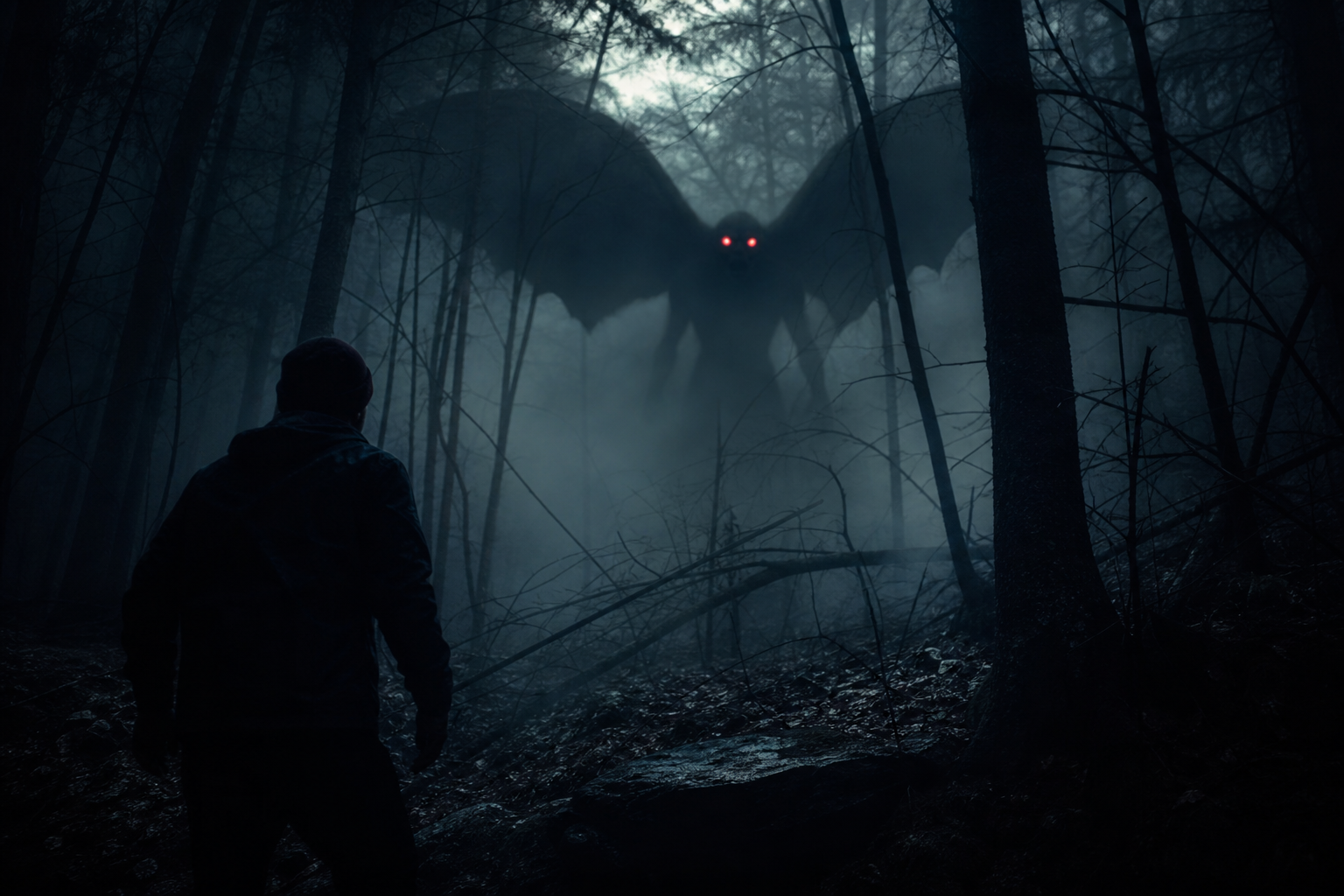
    What happens when the cute, fluffy bunny you brought home for Easter starts growing features that defy the laws of biology? For one family, a seasonal gift has turned into a living nightmare as their pets “mature” into something far more mysterious than a standard domestic rabbit. As the line between household pet and cryptid blurs, we are forced to ask: what exactly are we bringing into our homes?

    The Easter Surprise That Kept Growing

    It is a classic holiday tradition: a family adopts a pair of young rabbits to celebrate the arrival of spring. At first, the creatures appeared perfectly normal, displaying the twitching noses and long ears characteristic of the Oryctolagus cuniculus, or European rabbit. They were small, docile, and fit perfectly into the palm of a hand. However, as the weeks passed and the “bunnies” reached maturity, their physical appearance began to shift in ways that local veterinarians could not explain.

    According to reports surfacing in the paranormal community, these animals didn’t just get larger; they began to develop anatomical features that suggest a much stranger lineage. Witnesses describe a hardening of the skin around the forehead and the emergence of protuberances that resemble calcified bone. While some might dismiss this as a simple case of a rare skin condition, the behavioral changes accompanying these physical shifts suggest something far more ancient and predatory is at play.

    The owners noted that the animals stopped eating standard Timothy hay and pellets, instead showing a marked preference for raw protein. Their eyes, once soft and dark, reportedly began to reflect light with a tapetum lucidum—a reflective layer behind the retina typically found in nocturnal predators, not prey animals. This transformation has sparked a wave of speculation among cryptozoologists who believe these “Easter bunnies” may actually be a dormant species of chimera.

    The Legend of the Jackalope and the Wolpertinger

    This strange occurrence brings to mind the long-standing legends of the Jackalope, a mythical creature of North American folklore described as a jackrabbit with antelope horns. While many dismiss the Jackalope as a tall tale or the result of Shope papilloma virus—which causes horn-like tumors on rabbits—the descriptions of these maturing Easter pets suggest a more symmetrical and intentional growth. These aren’t just growths; they are functional appendages that seem to be part of the animal’s natural defense mechanism.

    In European folklore, specifically in the Bavarian regions of Germany, stories of the Wolpertinger have persisted for centuries. These creatures are often depicted as having the body of a rabbit, the wings of a bird, and the antlers of a deer. While often relegated to the realm of taxidermy hoaxes, the recent reports of transforming pets suggest that the biological blueprint for such creatures might actually exist in the wild. If these “Easter bunnies” are indeed maturing into something resembling a Wolpertinger, it suggests that these cryptids may be living among us, disguised as common fauna during their juvenile stages.

    The phenomenon of mimicry is well-documented in the insect world, where harmless species evolve to look like dangerous ones. However, in this case, we may be seeing the opposite: a dangerous or supernatural entity that mimics a harmless pet to ensure its survival during its most vulnerable period of growth. Once the creature reaches a certain level of maturity, the “mask” begins to slip, revealing the true nature of the beast.

    A Pattern of High Strangeness

    This is not the first time that “normal” animals have been reported to undergo impossible transformations. In the annals of Fortean research, there are numerous accounts of families adopting stray dogs or cats that eventually exhibit bipedal movement, human-like vocalizations, or impossible strength. These cases often end with the animal disappearing back into the woods once their true nature is discovered, leaving the owners traumatized and confused.

    The “maturing bunny” case is particularly unsettling because it targets a symbol of innocence and rebirth. If a cryptid can successfully infiltrate a human home under the guise of a holiday gift, it demonstrates a terrifying level of evolutionary intelligence. It raises the question of how many other “pets” currently residing in suburban homes are actually juvenile forms of creatures that have yet to be classified by modern science.

    Researchers are now urging pet owners to keep a close eye on any “unusual” developments in their animals’ growth cycles. Symmetrical bone growth, changes in dental structure, or a sudden shift in temperament from docile to aggressive could be signs that your pet is not what it seems. As the Easter season fades into the rearview mirror, those who brought home new furry friends may want to double-check the contents of their hutches.

    Could these transforming rabbits be a known species suffering from a mutation, or are we witnessing the life cycle of a legendary cryptid? Have you ever owned a pet that grew into something you couldn’t explain?

    Recommended Resources

    • 🤖 Viktor AI — The autonomous AI platform we use to run our marketing operations. Hire Viktor to handle blogging, lead research, audits, and more.
    • 💳 Greenlight — The money app and debit card for kids and teens. Teach your kids to earn, save, and invest. Earn $30 when you sign up.
    • ⛏️ GoMining — Earn Bitcoin through cloud mining without the hardware hassle. A passive way to get into crypto.
    • 🏦 Mercury — The business banking account built for startups and small businesses. No fees, powerful tools, and easy to set up.
  • Detective Bigfoot: Why the Sasquatch Noir Genre is Taking Over the Paranormal World

    Detective Bigfoot: Why the Sasquatch Noir Genre is Taking Over the Paranormal World

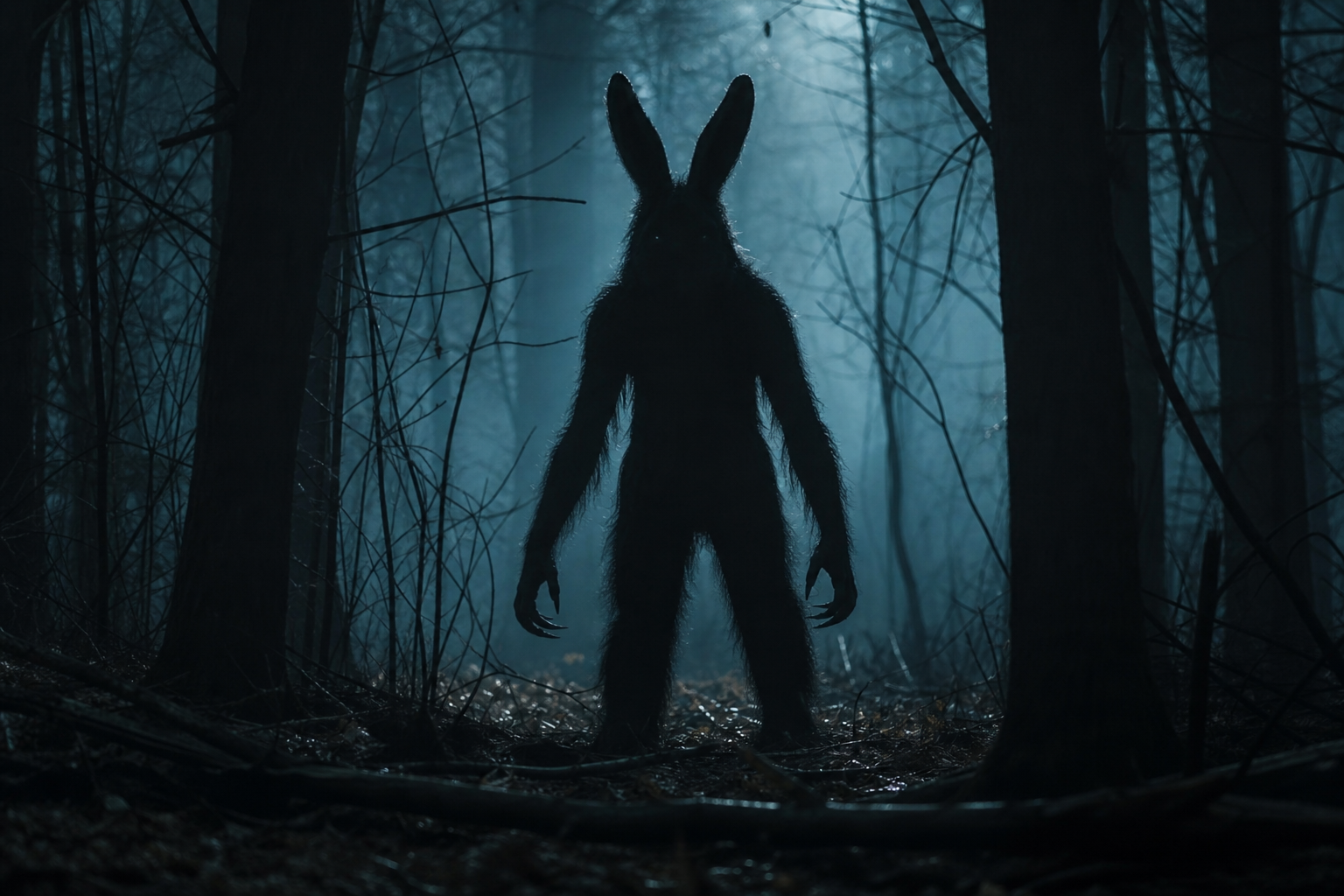
    Imagine a figure looming seven feet tall, shrouded in thick fur, but instead of a primal roar, he offers a cynical observation about the state of the city. This is the world of Detective Bigfoot, a gritty reimagining of the world’s most famous cryptid that has recently captured the attention of the paranormal community through its latest narrative developments. As the series reaches its fifteenth chapter, it highlights a growing trend in modern folklore: the transformation of the Sasquatch from a mindless beast into a complex, hard-boiled protagonist.

    The Evolution of the Sasquatch Legend

    For decades, the image of Bigfoot was defined by the grainy, 16mm footage of the Patterson-Gimlin film shot in 1967. In those frames, the creature was a fleeting shadow, a biological anomaly that existed on the fringes of human civilization. However, as cryptozoology has moved from the fringes of science into the heart of pop culture, our collective perception of these entities has begun to shift. We are no longer just looking for a missing link; we are looking for a story.

    The concept of an intelligent, communicative Bigfoot isn’t entirely new to those who study anomalous phenomena. Many witnesses in the Pacific Northwest have reported “mind-speak” or telepathic communication during encounters, suggesting a level of consciousness far beyond that of a standard primate. By placing a badge or a detective’s trench coat on the creature, creators like those behind the Detective Bigfoot webcomic are tapping into a deep-seated desire to bridge the gap between the human and the hidden.

    Noir Meets the Woods: The Gritty World of Cryptid Crime

    The latest installment of the Detective Bigfoot saga, created by the artist known as 1ofthem, leans heavily into the “noir” aesthetic. This isn’t a story for the faint of heart; it features mature themes, edgy imagery, and a cynical worldview that mirrors the classic detective novels of the 1940s. By placing a cryptid in a world of crime and corruption, the narrative explores the idea that the “monsters” we fear in the woods might be less dangerous than the ones walking our city streets.

    This specific chapter marks a turning point in the series, further cementing the Sasquatch Noir subgenre. Fans of the paranormal are increasingly drawn to these “urban cryptid” stories because they provide a fresh perspective on tired tropes. When the North American Wood Ape becomes the one solving the mystery rather than being the mystery itself, it challenges our assumptions about nature and the unknown. It forces the reader to ask: if Bigfoot is real, what does he think of us?

    From Beast to Investigator: A Cultural Shift

    The rise of Detective Bigfoot follows in the footsteps of other successful paranormal investigators in fiction, such as Hellboy or the agents in The X-Files. However, there is something uniquely American about the Sasquatch taking on this role. As a symbol of the untamed wilderness, the Bigfoot character represents a bridge between the natural world and the structured, often cold world of human law. This duality is what makes the “edgy” tone of the webcomic so effective for its audience.

    Historically, cryptids have been used as metaphors for the things we cannot explain or control. In the 1970s, Bigfoot was a symbol of environmental anxiety; today, he has become a symbol of the outsider. The mature themes present in modern cryptid media reflect a more sophisticated audience that craves realism, even within the realm of the fantastic. We want our monsters to have flaws, burdens, and perhaps a drinking problem to match their heavy footsteps.

    Why We Are Obsessed with the Intelligent Cryptid

    Psychologically, the transition of the Yeti or the Skunk Ape into a character with agency speaks to our need to humanize the “other.” In a world where every corner of the globe is mapped by satellites, the idea of a hidden species living among us—or even working among us—is a thrilling prospect. It keeps the magic of the unknown alive while making it accessible through the lens of familiar genres like the police procedural.

    As Detective Bigfoot continues to expand its lore across platforms like Webtoon and Tapas, it invites a new generation of paranormal enthusiasts to look at the woods differently. It’s no longer just about finding a footprint in the mud; it’s about wondering what kind of secrets a creature that old might be keeping. The “edgy” nature of these stories ensures that the legend stays relevant, provocative, and, most importantly, mysterious.

    Do you believe that the legendary Sasquatch could possess a human-like intelligence, or should the “King of the Woods” remain a wild, untamed mystery?

    Recommended Resources

    • 🤖 Viktor AI — The autonomous AI platform we use to run our marketing operations. Hire Viktor to handle blogging, lead research, audits, and more.
    • 💳 Greenlight — The money app and debit card for kids and teens. Teach your kids to earn, save, and invest. Earn $30 when you sign up.
    • ⛏️ GoMining — Earn Bitcoin through cloud mining without the hardware hassle. A passive way to get into crypto.
    • 🏦 Mercury — The business banking account built for startups and small businesses. No fees, powerful tools, and easy to set up.