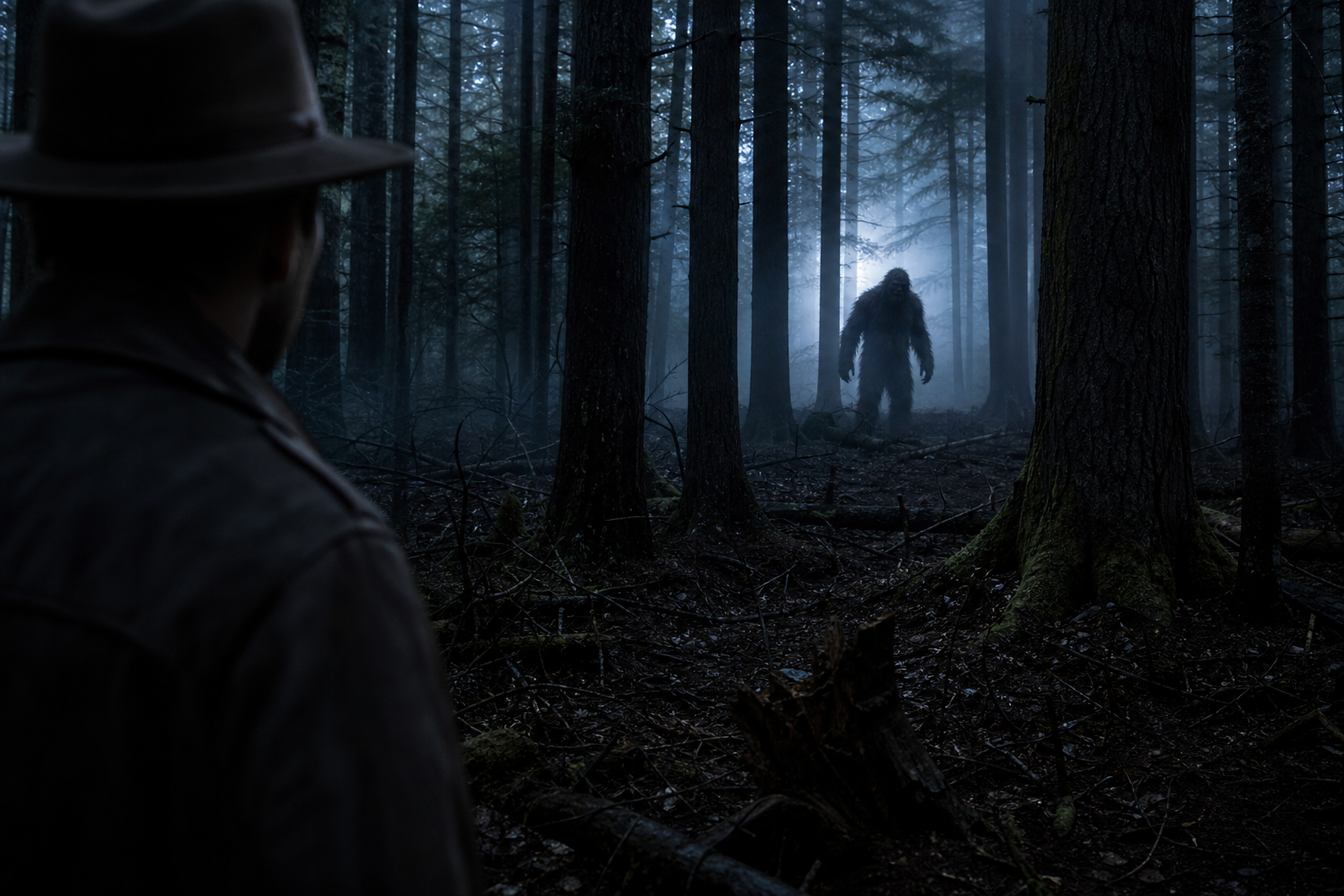
Category: Cryptids & Creatures

  • Mothman Spotted at Open-Mic Night? The Cryptid’s Surprising New Hobbies

    Mothman Spotted at Open-Mic Night? The Cryptid’s Surprising New Hobbies

    Since the late 1960s, the winged shadow known as the Mothman has haunted the collective consciousness of paranormal enthusiasts and skeptics alike. Usually associated with impending tragedy and those piercing, glowing red eyes, a startling new “sighting” suggests the creature might have a softer, more musical side. While the legend began in the dark woods of West Virginia, the latest iteration of this winged wonder is taking the stage at an open-mic night.

    The Dark Legacy of the Point Pleasant Prophet

    To understand why a guitar-strumming cryptid is such a departure from tradition, one must look back at the chilling events of 1966. In Point Pleasant, West Virginia, two young couples first reported seeing a “man-sized, bird-like creature” with a ten-foot wingspan. For thirteen months, the town was gripped by fear as sightings of the entity coincided with strange lights in the sky and reports of Men in Black patrolling the streets.

    The reign of terror culminated in the tragic collapse of the Silver Bridge in December 1967, an event many believe the creature was trying to warn the town about—or perhaps even caused. Since then, the Mothman has been cemented in folklore as a harbinger of doom, a silent watcher who appears only when catastrophe is imminent. This dark reputation has fueled books, movies, and countless late-night investigations into the TNT Area where the beast was said to roost.

    A New Tune for a Classic Cryptid

    However, the modern era of paranormal fandom is beginning to see the Mothman in a different light. No longer just a figure of fear, the creature has become a cult icon, celebrated for its mystery rather than its malice. This cultural shift has paved the way for artists like Joshua R. Pinkas, the creative force behind Frost Dragon Designs, to reimagine the legend for a new generation of enthusiasts.

    Pinkas recently unveiled a whimsical take on the legend: a “cute” version of the Mothman performing at an open-mic night. Swapping the terrifying shrieks of the 1960s for an acoustic guitar, this version of the cryptid suggests that even the most misunderstood monsters might have hobbies of their own. The design is part of an upcoming series titled “The Many Hobbies of Mothman,” which seeks to humanize the winged enigma in ways the original witnesses never could have imagined.

    From Urban Legend to Enamel Icon

    The project, which is set to launch on the crowdfunding platform Backerkit this June, features the Mothman engaging in a variety of relatable activities. Beyond his musical aspirations, the collection includes enamel pins depicting the creature reading books, playing video games, and even riding a bicycle. It is a stark contrast to the grainy, terrifying sketches that filled newspapers over fifty years ago.

    This trend of “cute cryptids” isn’t just about aesthetics; it represents a broader movement in the paranormal community to reclaim these stories. By turning a figure of dread into a relatable character, fans are able to engage with the folklore in a way that feels personal and accessible. Whether he is strumming a folk song or pedaling through the woods, this version of the Mothman invites us to wonder what these entities do when they aren’t busy haunting our dreams.

    The Psychology of Reimagining Monsters

    Why are we so drawn to making our monsters adorable? Psychologists suggest that by “taming” a legend like the Mothman, we are able to process the unknown with less anxiety. The paranormal is inherently frightening because it defies explanation, but a Mothman who enjoys a good book or a video game is something we can understand. It bridges the gap between the terrifying supernatural world and our own mundane reality.

    As the “Many Hobbies of Mothman” project prepares for its summer debut, it serves as a reminder that legends are never static. They grow, they change, and sometimes, they pick up a guitar. While we may never know the true nature of the entity that stalked Point Pleasant in 1966, we can now appreciate the creature as a versatile icon of modern folklore, capable of both chilling our blood and warming our hearts.

    If the Mothman really did have a secret hobby that no one has discovered yet, what do you think it would be? Let us know your theories in the comments below!

    Recommended Resources

    • 🤖 Viktor AI — The autonomous AI platform we use to run our marketing operations. Hire Viktor to handle blogging, lead research, audits, and more.
    • 💳 Greenlight — The money app and debit card for kids and teens. Teach your kids to earn, save, and invest. Earn $30 when you sign up.
    • ⛏️ GoMining — Earn Bitcoin through cloud mining without the hardware hassle. A passive way to get into crypto.
    • 🏦 Mercury — The business banking account built for startups and small businesses. No fees, powerful tools, and easy to set up.
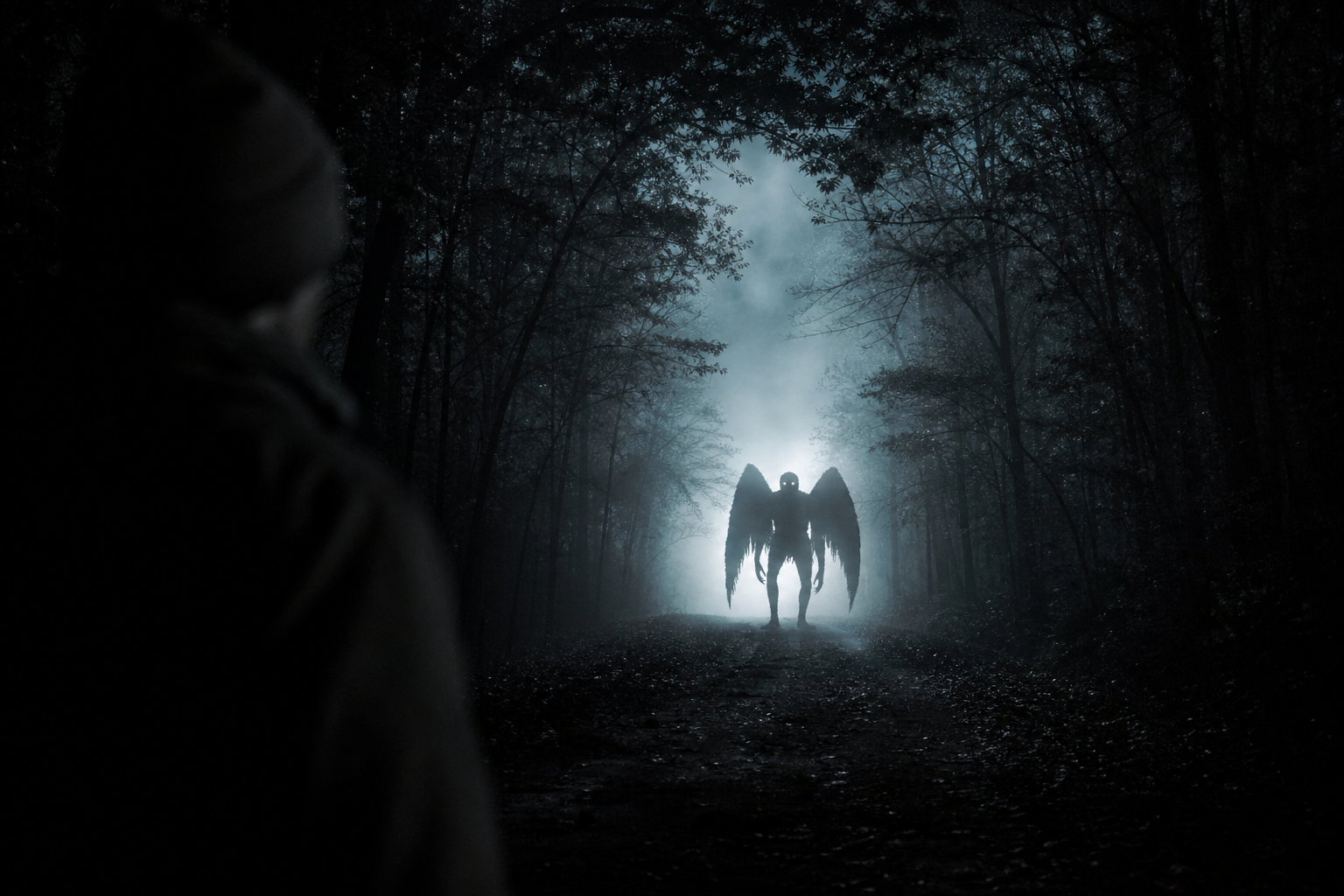
  • Is the Kraken Real? The Prehistoric Mystery of Nanaimoteuthis Haggarti

    Is the Kraken Real? The Prehistoric Mystery of Nanaimoteuthis Haggarti

    For centuries, the dark, frigid waters of the North Atlantic have harbored secrets that defy conventional science, none more terrifying than the legendary Kraken. While modern skeptics often dismiss this multi-tentacled behemoth as a mere exaggeration of the Giant Squid, a provocative new theory is making waves in the cryptozoology community. Could the monster that haunted Viking longships actually be a surviving relic of the prehistoric past known as Nanaimoteuthis haggarti?

    The Norse Legend of the Moving Island

    The first written accounts of the Kraken date back to the 13th-century Old Norse manuscript, the Konungs skuggsjá. Sailors described a creature so vast that it was often mistaken for a cluster of islands or a sandbank. When the beast submerged, it created massive whirlpools capable of dragging entire vessels into the abyss. Unlike the streamlined profile of a modern squid, early descriptions often depicted a more robust, crown-like creature with a forest of arms.

    By the 18th century, Bishop Erik Pontoppidan of Bergen popularized the Kraken in his natural history writings, describing it as the largest and most frightening sea monster in existence. While Pontoppidan believed the creature was real, he struggled to categorize it within the known animal kingdom. This ambiguity has led modern researchers to wonder if the “Giant Squid” explanation is simply a convenient, but incorrect, placeholder for something far more ancient.

    Enter Nanaimoteuthis Haggarti: A Cretaceous Nightmare

    The theory gaining traction on platforms like Reddit suggests that the Kraken was not Architeuthis dux (the Giant Squid), but rather a late-surviving instance of Nanaimoteuthis haggarti. This creature was a massive vampyromorph, a group of cephalopods that share characteristics with both octopuses and squids. Fossil evidence from the Late Cretaceous period reveals that these animals were formidable predators with unique anatomical features that set them apart from modern deep-sea dwellers.

    Nanaimoteuthis possessed a distinct body shape and a complex arrangement of appendages that might more closely mirror the “island-like” descriptions found in Norse folklore. While the Giant Squid is long and slender, prehistoric vampyromorphs often had broader, more intimidating silhouettes. If a population of these creatures managed to survive the K-Pg extinction event by retreating into the unexplored depths of the ocean, they would have been the perfect candidates for the Kraken of myth.

    The Lazarus Taxon: Can Prehistoric Giants Survive?

    The idea of a prehistoric cephalopod surviving into the age of the Vikings—or even the modern day—is not as far-fetched as it might seem. Biology frequently encounters what is known as a Lazarus taxon, a species that disappears from the fossil record only to reappear millions of years later. The most famous example is the Coelacanth, a prehistoric fish thought to have gone extinct 66 million years ago until a living specimen was pulled from the water in 1938.

    The deep ocean remains one of the least explored frontiers on Earth, with over 80% of the seabed unmapped and unobserved. In the high-pressure, low-temperature environment of the Bathyal zone, evolution moves at a different pace. It is entirely possible that Nanaimoteuthis haggarti, or a direct descendant, found a sanctuary in the deep trenches of the North Sea, occasionally rising to the surface to feed or interact with terrified Norse mariners.

    Comparing the Anatomy of Terror

    When we look at the specific descriptions of the Kraken’s behavior, the Nanaimoteuthis theory gains even more weight. Norse sagas often mention the creature’s “horns” or “spikes” emerging from the water. While squids have smooth tentacles, many prehistoric cephalopods possessed chitinous hooks or specialized structures for grasping prey. A massive, hooked vampyromorph surfacing near a wooden ship would certainly look more like a mythological demon than a standard squid.

    Furthermore, the “ink” of the Kraken was said to turn the sea black and thick. While all cephalopods use ink as a defense, the sheer volume described in ancient texts suggests a creature of immense mass. If Nanaimoteuthis reached sizes comparable to or exceeding the Giant Squid, its defensive capabilities would have been legendary. The transition from a biological reality to a mythological monster is a short leap when the animal in question looks like it belongs in the Mesozoic Era.

    As we continue to send submersibles deeper into the midnight zone, we must ask ourselves: are we looking for new species, or are we finally catching up with the survivors of a lost world? The Kraken may not be a myth at all, but a living fossil that has watched humanity from the depths for millennia.

    Do you believe the Kraken was a misidentified Giant Squid, or could a prehistoric predator like Nanaimoteuthis still be lurking in the unexplored trenches of our oceans?

    Recommended Resources

    • 🤖 Viktor AI — The autonomous AI platform we use to run our marketing operations. Hire Viktor to handle blogging, lead research, audits, and more.
    • 💳 Greenlight — The money app and debit card for kids and teens. Teach your kids to earn, save, and invest. Earn $30 when you sign up.
    • ⛏️ GoMining — Earn Bitcoin through cloud mining without the hardware hassle. A passive way to get into crypto.
    • 🏦 Mercury — The business banking account built for startups and small businesses. No fees, powerful tools, and easy to set up.
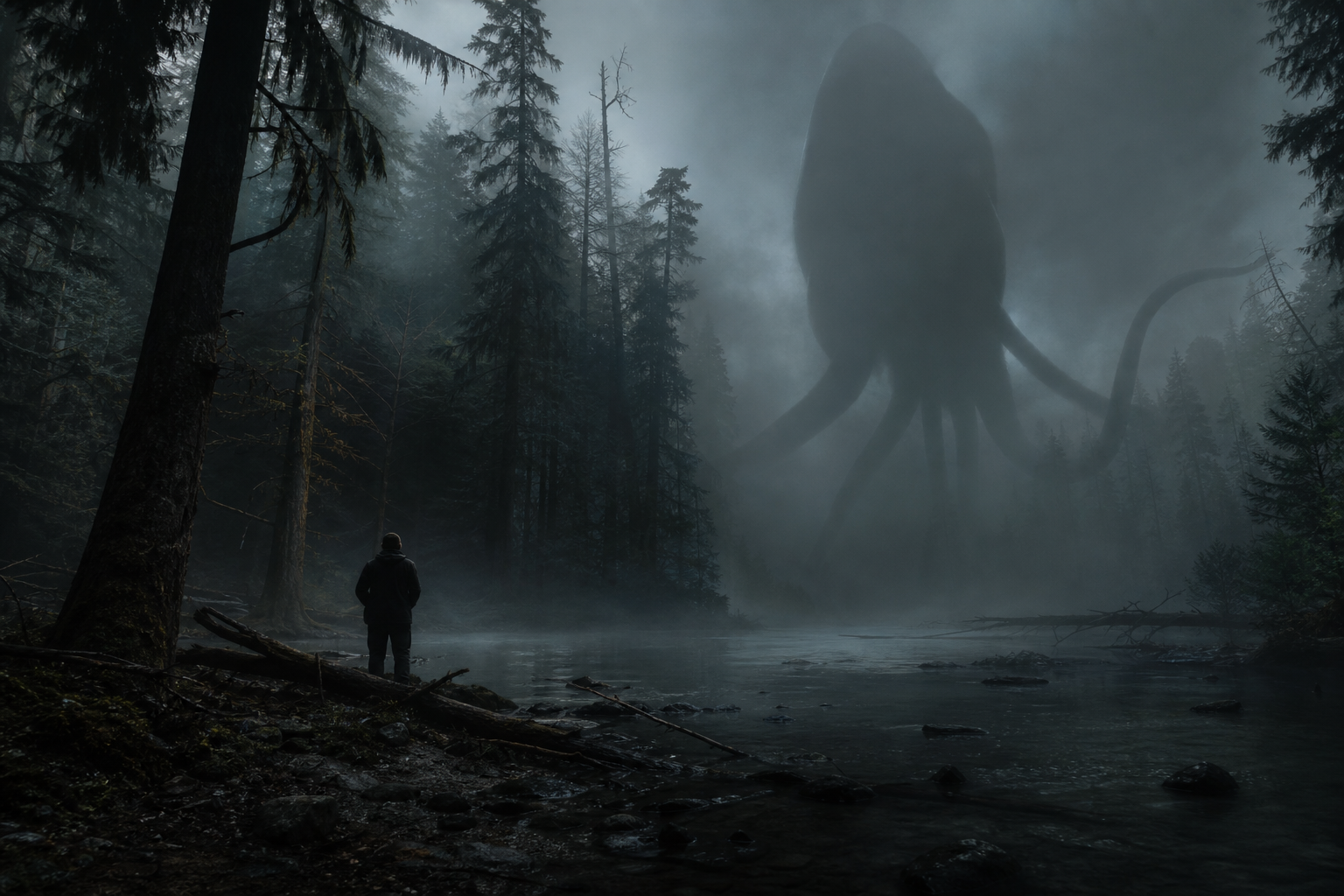
  • Detective Bigfoot: Why the World’s Most Famous Cryptid is Solving Crimes

    Detective Bigfoot: Why the World’s Most Famous Cryptid is Solving Crimes

    For decades, the dense forests of the Pacific Northwest have been the epicenter of one of the world’s most enduring mysteries. We have all seen the grainy footage and the plaster casts of oversized footprints, but a new cultural phenomenon is reimagining the legendary beast in a way that defies traditional cryptozoology. What if the creature we call Sasquatch isn’t just a primitive hominid hiding from humanity, but a gritty investigator navigating the dark underbelly of a supernatural world?

    The Evolution of the Sasquatch Legend

    The traditional image of Bigfoot has long been that of a shy, elusive giant—a relic of a prehistoric past caught between the world of apes and men. However, as our fascination with the unknown evolves, so too does the narrative surrounding these creatures. We are seeing a shift from the “monster in the woods” trope toward a more complex, sentient figure capable of navigating human-like complexities. This transition has birthed a unique subgenre known as Cryptid Noir, where the line between the hunter and the hunted becomes blurred.

    In this emerging genre, the Bigfoot is no longer the subject of the investigation; he is the investigator. This reversal of roles taps into a deep-seated psychological desire to see the “outsider” find justice in a world that refuses to acknowledge his existence. By placing a cryptid in the role of a detective, creators are able to explore themes of isolation, prejudice, and the hidden truths that lie just beneath the surface of our everyday reality.

    Detective Bigfoot: A Gritty New Chapter in Cryptid Media

    One of the most striking examples of this trend is the underground sensation Detective Bigfoot, a webcomic series that has recently reached its fourteenth chapter. Created by the artist known as 1ofthem, this series strips away the whimsical nature often associated with modern cryptid cartoons and replaces it with a raw, mature aesthetic. This isn’t the friendly Sasquatch of 1980s cinema; this is a hard-boiled protagonist dealing with “edgy” themes, strong language, and the visceral reality of a life lived on the fringes.

    The latest installment, Chapter 14, continues to push the boundaries of how we perceive these legendary beings. By utilizing platforms like Webtoon and Tapas, the creator has found a dedicated audience hungry for a version of the legend that feels more grounded in the “noir” tradition. The series highlights a growing demand for paranormal stories that aren’t afraid to tackle mature subject matter, reflecting a world where the monsters we fear are often less terrifying than the crimes they are trying to solve.

    Why We Project Human Traits onto the Unknown

    The concept of a Detective Bigfoot might seem like a radical departure from the sightings reported in the Appalachian Mountains or the wilds of British Columbia, but it serves a vital purpose in our folklore. Humans have a long history of anthropomorphizing the unknown to make it more relatable. By giving a Sasquatch a trench coat and a cynical worldview, we bridge the gap between the terrifying “other” and ourselves.

    Historically, figures like the Mothman or the Jersey Devil were seen as omens of doom. However, modern interpretations often cast them as misunderstood observers or even protectors. This shift suggests that as a society, we are becoming less afraid of the creatures in the shadows and more curious about their perspectives. The “detective” archetype is the ultimate expression of this curiosity—it assumes the creature possesses a high level of intelligence and a moral compass, even if that compass is slightly skewed by the darkness of its environment.

    The Growing Influence of Cryptid Noir

    The success of projects like Detective Bigfoot points to a larger trend in the paranormal community. We are seeing a massive influx of indie comics, podcasts, and tabletop games that treat cryptids as fully realized characters rather than mere plot devices. This movement draws inspiration from classic Urban Legends but infuses them with the stylistic choices of 1940s detective fiction and modern psychological thrillers.

    As we continue to scan the treelines for a glimpse of brown fur or a glowing eye, these stories remind us that the mystery of Bigfoot is about more than just biological proof. It is about the stories we tell ourselves to explain the gaps in our knowledge. Whether he is a biological anomaly or a fictional gumshoe solving crimes in a rain-soaked alley, the Sasquatch remains a powerful symbol of the secrets that still haunt the wilderness.

    Do you believe that giving cryptids human personalities helps us understand the mystery, or does it take away from the raw terror of the unknown?

    Recommended Resources

    • 🤖 Viktor AI — The autonomous AI platform we use to run our marketing operations. Hire Viktor to handle blogging, lead research, audits, and more.
    • 💳 Greenlight — The money app and debit card for kids and teens. Teach your kids to earn, save, and invest. Earn $30 when you sign up.
    • ⛏️ GoMining — Earn Bitcoin through cloud mining without the hardware hassle. A passive way to get into crypto.
    • 🏦 Mercury — The business banking account built for startups and small businesses. No fees, powerful tools, and easy to set up.
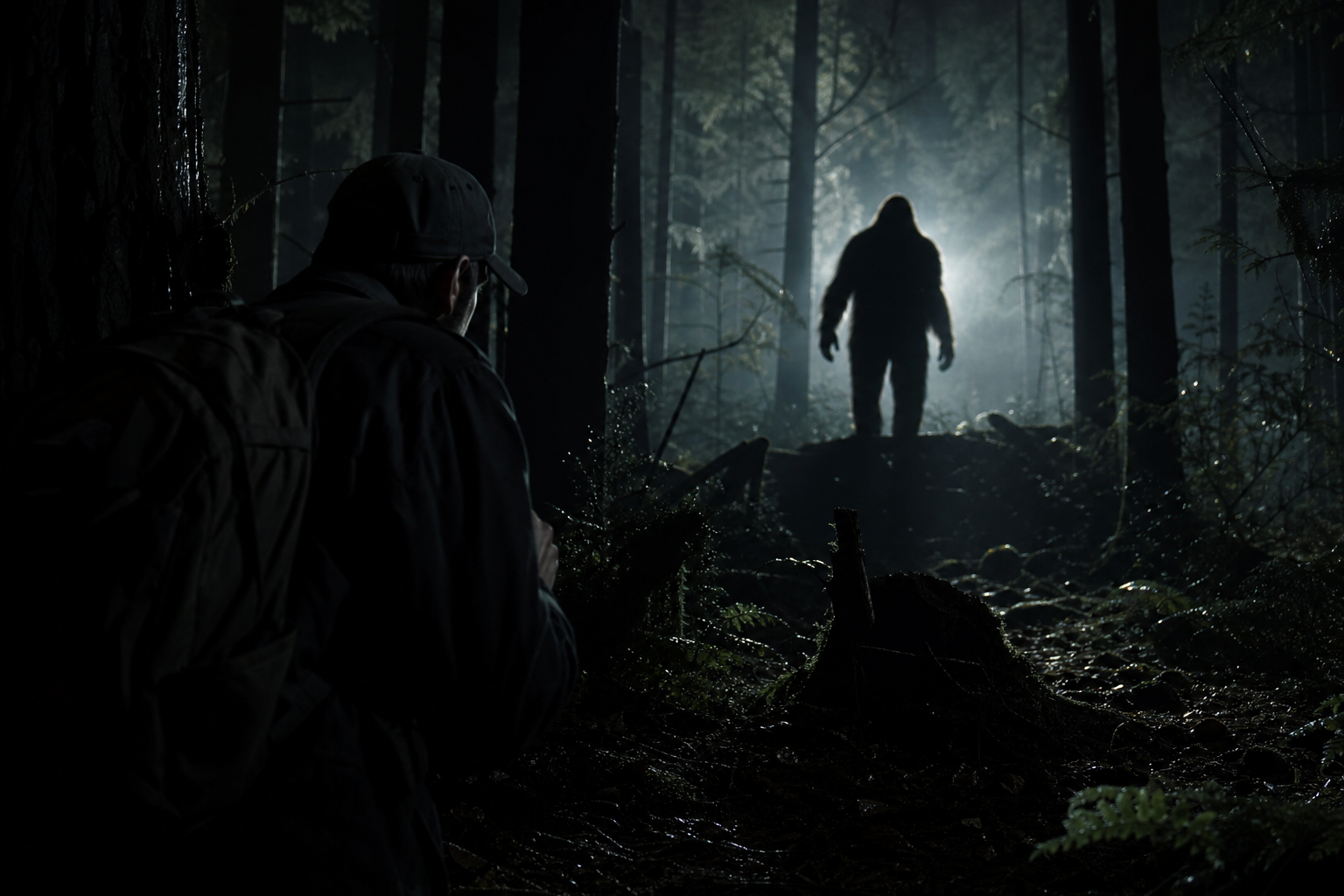
  • The Wechuge: Exploring the Chilling Legend of the Athabaskan Ice Giant

    The Wechuge: Exploring the Chilling Legend of the Athabaskan Ice Giant

    Deep within the frost-shattered forests of Western Canada, a legend persists that is far more chilling than the winter wind. While the world has become obsessed with the hunger of the Wendigo, the indigenous Athabaskan peoples have long whispered of a different, equally terrifying entity: the Wechuge. This ancient being, rooted in the spiritual traditions of the North, represents a unique intersection of human frailty and supernatural corruption.

    The Origins of the Wechuge Legend

    The Wechuge is a prominent figure in the folklore of the Dene (Athabaskan) nations, particularly among the Dane-zaa, or Beaver people, of the Peace River region. Unlike many modern monsters that are born of biological mutations or extraterrestrial origins, the Wechuge is a cryptid of the spirit. It is a creature that was once human but has been transformed by a profound violation of natural and spiritual laws.

    In the oral traditions of the Northern tribes, the transformation into a Wechuge is often linked to the concept of “too much power.” While the more famous Wendigo of the Algonquian peoples is typically born from the act of cannibalism and insatiable greed, the Wechuge’s origin is slightly more complex. It is frequently described as a person who has been possessed or “overpowered” by one of the giant, ancient animal spirits that roamed the earth in the primordial past.

    These spirits were said to be massive, primordial versions of modern animals—such as a giant beaver or a colossal swan. If a person sought too much power from these spirits or broke a sacred taboo, the spirit would consume their humanity from the inside out. The result is a being that is physically formidable, spiritually hollow, and perpetually dangerous to those around them.

    A Creature of Ice and Stone

    Physically, the Wechuge is a sight of pure terror. Descriptions often portray the creature as being made of, or covered in, thick glacier ice. It is said that as the creature moves, one can hear the deafening crack and groan of shifting ice, a sound that signals its approach long before it is seen. This icy exterior is not merely a physical trait but a reflection of the creature’s frozen heart and its detachment from the warmth of human society.

    The Wechuge is also characterized by its immense size and strength. It is often described as a giant, capable of tearing through the dense boreal forest with ease. Some legends suggest that the only way to stop a Wechuge is to melt the ice that encases its heart, a task that requires both physical fire and spiritual fortitude. This connection to the cold makes it a particularly potent symbol of the harsh, unforgiving winters of the Canadian North.

    Interestingly, the Wechuge is often depicted as being incredibly clever. Unlike a mindless beast, it retains a twisted version of human intelligence, using it to hunt and manipulate its prey. This makes the paranormal encounter with a Wechuge far more psychological than a simple predator-prey dynamic. It is a reminder of what happens when a human loses their balance with the natural world.

    Researching the Legend Responsibly

    For those looking to dive deeper into the mystery of the Wechuge, it is essential to approach the subject with respect for the cultures from which it originates. This is not just a “scary story” for the campfire; it is a significant part of the indigenous cosmology of the Dene people. To research this correctly, one must look beyond internet creepypastas and seek out primary ethnographic sources.

    One of the most respected sources on this subject is the work of Robin Ridington, an anthropologist who spent decades living with and learning from the Dane-zaa people. His books, such as Trail to Heaven, provide a deep look into the spiritual lives of the Northern tribes and the role that beings like the Wechuge play in their worldview. These academic texts offer a factual foundation that honors the original context of the legend.

    Additionally, seeking out oral histories recorded by indigenous elders is invaluable. Many tribal councils and cultural centers in British Columbia and the Northwest Territories have preserved these stories to ensure they are told accurately. By studying these sources, researchers can understand the Wechuge not just as a monster, but as a cautionary tale about the dangers of ego, power, and the loss of community ties.

    The Wechuge in Modern Cryptozoology

    In the modern era, the Wechuge remains a relatively obscure figure compared to Bigfoot or the Mothman. However, within the circles of serious cryptozoology, it is gaining recognition as a distinct and fascinating entity. It challenges our understanding of what a “cryptid” can be, blurring the lines between a physical animal and a spiritual manifestation.

    As we continue to explore the remote corners of our world, the legend of the Wechuge serves as a chilling reminder that some mysteries are best left in the cold. Whether it is a literal creature of ice or a metaphorical warning against spiritual corruption, its presence in the folklore of the North is undeniable. The crackling of the ice in the distance might just be the wind—or it might be something much older and hungrier.

    Do you believe the Wechuge is a physical creature waiting to be discovered in the Canadian wilderness, or is it a spiritual warning that still holds weight today?

    Recommended Resources

    • 🤖 Viktor AI — The autonomous AI platform we use to run our marketing operations. Hire Viktor to handle blogging, lead research, audits, and more.
    • 💳 Greenlight — The money app and debit card for kids and teens. Teach your kids to earn, save, and invest. Earn $30 when you sign up.
    • ⛏️ GoMining — Earn Bitcoin through cloud mining without the hardware hassle. A passive way to get into crypto.
    • 🏦 Mercury — The business banking account built for startups and small businesses. No fees, powerful tools, and easy to set up.
  • The Fresno Nightcrawler: Why This Spindly Cryptid Is Taking Over Pop Culture

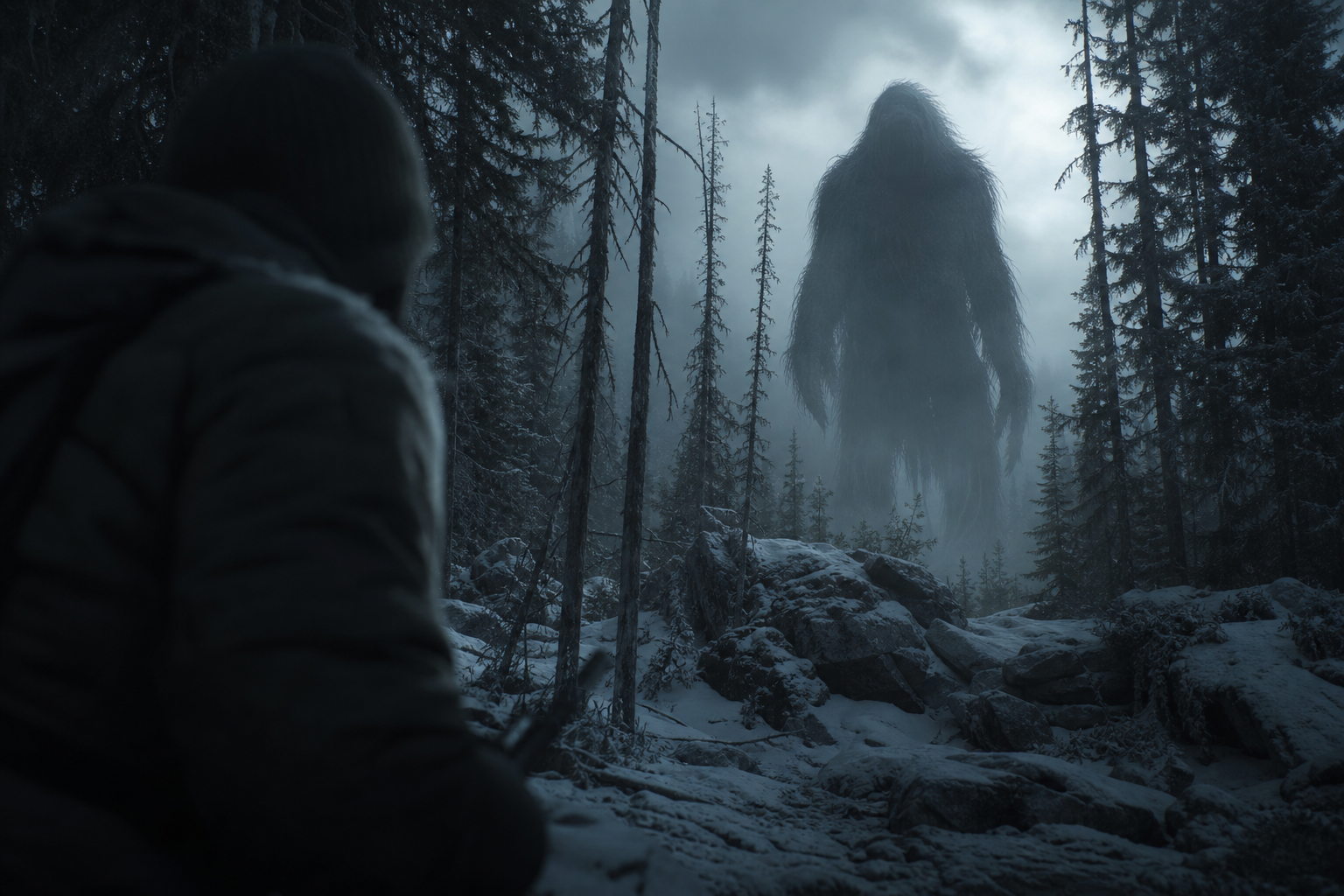
    In the vast landscape of American folklore, few entities are as visually striking or as baffling as the Fresno Nightcrawler. While most legendary beasts are described as hulking monsters or winged terrors, these spindly, pale figures have captured the public imagination through their sheer simplicity and eerie grace. Recently, the cryptid has seen a massive resurgence in pop culture, with enthusiasts immortalizing the “walking pants” in everything from digital art to permanent tattoos.

    The Origins of the Fresno Nightcrawler Legend

    The mystery began in 2007 when a homeowner in Fresno, California, installed surveillance cameras to catch neighborhood dogs trespassing on his lawn. Instead of a canine culprit, the grainy footage captured two small, white, bipedal figures strolling across the yard. The entities appeared to be composed almost entirely of long, flowing legs that merged into a small, featureless head, lacking arms or a distinct torso. Their movement was fluid, almost rhythmic, defying the jerky mechanics of human walking.

    This initial footage became a cornerstone of modern cryptozoology, sparking intense debate among skeptics and believers alike. While many dismissed the video as a clever hoax involving puppets or digital manipulation, the sheer strangeness of the anatomy made it difficult to categorize. Unlike the Bigfoot sightings of the Pacific Northwest, which describe a biological primate, the Nightcrawlers felt fundamentally “other”—as if they belonged to a different plane of existence entirely.

    From Yosemite to the Digital Age

    The legend grew even more compelling in 2011 when a second video surfaced, this time from Yosemite National Park. Two similar creatures were filmed by a security camera, moving with the same stilted yet graceful gait through the wilderness. This second sighting provided a sense of scale, suggesting the creatures were roughly four feet tall. The consistency between the Fresno and Yosemite sightings led many to wonder if a small population of these entities was migrating through the California wilderness.

    In the years since, the Fresno Nightcrawler has transitioned from a terrifying anomaly to a beloved internet cryptid. Their minimalist design has made them a favorite for artists, leading to a wave of merchandise and body art. For many, the Nightcrawler represents a “friendly” side of the paranormal—a creature that doesn’t hunt or haunt, but simply exists, peacefully wandering through the night. This cultural shift has turned a grainy security video into a symbol of the enduring mystery of the natural world.

    Theories: Aliens, Spirits, or Elaborate Hoax?

    The scientific community remains largely skeptical, often pointing toward forced perspective or simple puppets made of white fabric as the most likely explanation. Skeptics argue that the way the “knees” of the creatures bend suggests a mechanical rig or a person walking on stilts with a sheet draped over them. However, recreations of the footage have struggled to perfectly mimic the fluid, weightless motion seen in the original Fresno tapes.

    Alternative theories lean into the supernatural, with some suggesting the Nightcrawlers are extraterrestrial biological entities left behind by a passing craft. Others point to local indigenous legends, specifically those of the Yokuts people, who have stories of “swamp people” or spirits that inhabit the wetlands of the Central Valley. These spirits are often described as peaceful observers of the land, which aligns with the non-threatening behavior observed in the viral videos.

    Why the Nightcrawler Endures

    Perhaps the reason the Fresno Nightcrawler remains so popular is its refusal to fit into a box. It isn’t a predator like the Chupacabra, nor is it a harbinger of doom like the Mothman. It is an enigma that invites us to look at our own backyards with a sense of wonder. Whether they are visitors from another world or a masterfully executed prank, they remind us that there are still corners of our world that feel unexplained.

    As more people share their encounters and celebrate these “wonderous” beings through art and tattoos, the legend only grows. They have become a staple of the paranormal community, proving that a creature doesn’t need to be scary to be unforgettable. In an age of high-definition cameras and constant surveillance, the low-fi mystery of the Nightcrawler continues to walk its way into our hearts.

    Do you believe the Fresno Nightcrawlers are biological creatures, or are they simply a clever piece of performance art that took on a life of its own?

    Recommended Resources

    • 🤖 Viktor AI — The autonomous AI platform we use to run our marketing operations. Hire Viktor to handle blogging, lead research, audits, and more.
    • 💳 Greenlight — The money app and debit card for kids and teens. Teach your kids to earn, save, and invest. Earn $30 when you sign up.
    • ⛏️ GoMining — Earn Bitcoin through cloud mining without the hardware hassle. A passive way to get into crypto.
    • 🏦 Mercury — The business banking account built for startups and small businesses. No fees, powerful tools, and easy to set up.
  • Shore Laddie Cryptid Comes to Life in Eerie Beanie Baby Frankenplushie

    Shore Laddie Cryptid Comes to Life in Eerie Beanie Baby Frankenplushie

    The misty coastlines of the world have long been the breeding ground for legends that defy conventional biology, but rarely do these monsters manifest in the form of childhood toys. A recent stir in the paranormal community has centered on a hauntingly creative tribute to the Shore Laddie, a cryptid that has transitioned from coastal whispers to a tangible, stitched-together reality. By repurposing the soft remnants of the past, one artist has bridged the gap between 1990s nostalgia and modern folklore.

    The Legend of the Shore Laddie: A Coastal Mystery

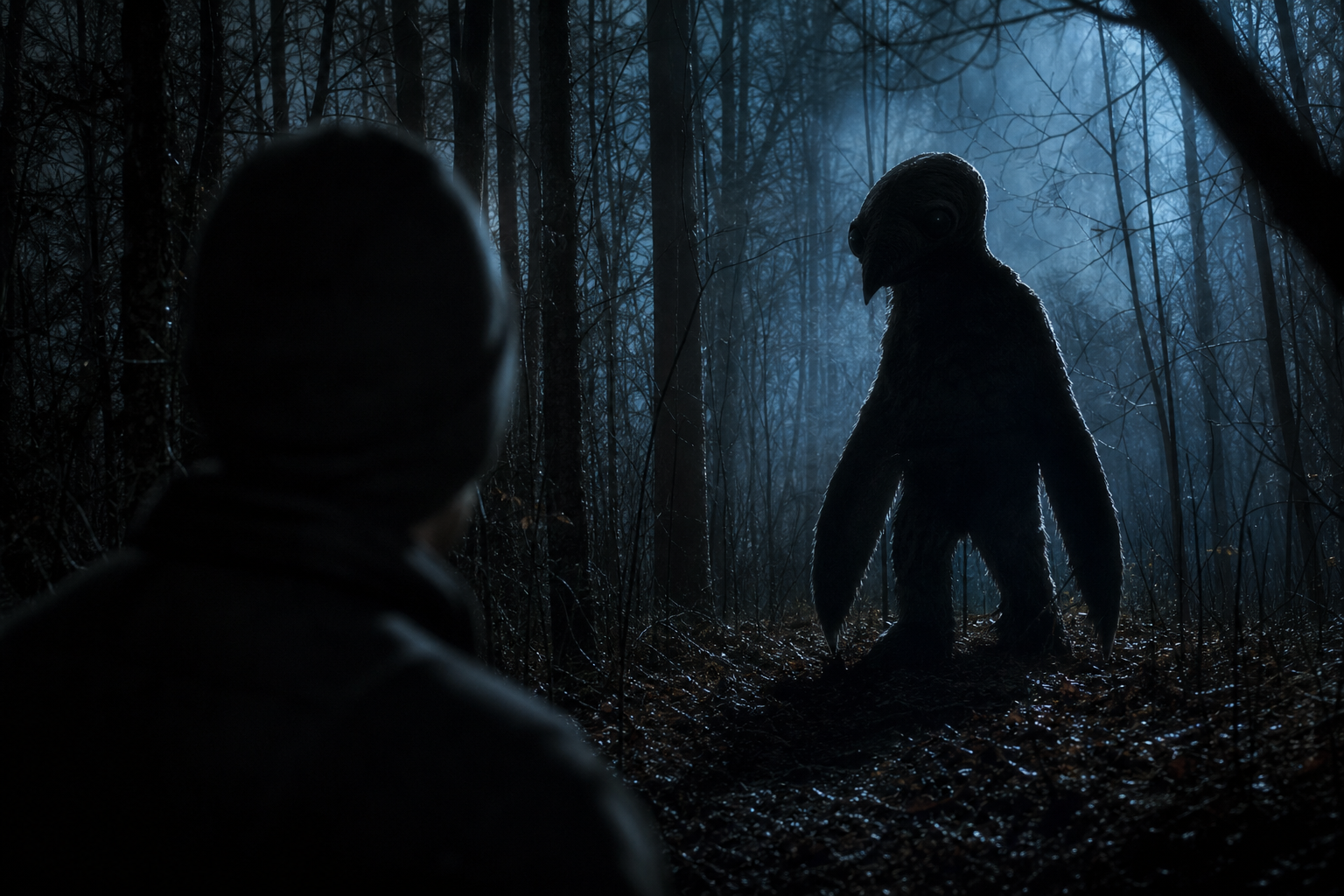
    To understand the significance of this artistic creation, one must first look at the origins of the Shore Laddie itself. Often described as a lanky, pale, and somewhat melancholic entity, the Shore Laddie is frequently associated with the rugged coastlines of Scotland and the North Atlantic. Unlike the aggressive nature of the Kraken or the predatory instincts of the Kelpie, the Shore Laddie is often depicted as a silent observer, a tall humanoid figure that wanders the tideline looking for lost things.

    In recent years, the creature has seen a resurgence in popularity within the Internet Urban Legend community, finding a home alongside entities like Siren Head or the Slender Man. It represents the “liminal space” of the beach—the thin veil between the solid earth and the unpredictable depths of the ocean. For many paranormal enthusiasts, the Shore Laddie is a symbol of the unknown things that wash up when the tide goes out, making it a prime subject for those who find beauty in the macabre.

    The creature’s aesthetic is defined by its elongated limbs and its often featureless or distorted face, which evokes a sense of “uncanny valley” dread. It is this specific, unsettling silhouette that makes the Shore Laddie both a terrifying prospect for sailors and a fascinating subject for Cryptid Art. When folklore moves from oral tradition to visual media, it gains a new kind of life, cementing its place in our collective nightmares.

    From Nostalgia to Nightmare: The Art of the Frankenplushie

    The paranormal world recently took notice when a Reddit user known as /u/catschimeras shared a unique creation on the r/Cryptids subreddit: a “frankenplushie” of the Shore Laddie. What makes this piece particularly striking is its medium. The artist utilized vintage Ty Beanie Babies, the iconic pellet-filled toys that once sparked a global collecting frenzy, to construct a physical manifestation of the coastal cryptid.

    This process, often referred to as Plushie Surgery, involves deconstructing multiple toys and grafting their limbs, torsos, and features together to create something entirely new. In the case of the Shore Laddie, the use of soft, familiar materials to create a creature of legend creates a jarring juxtaposition. The inherent “cuteness” of the Beanie Baby fabric clashes with the eerie, spindly proportions of the cryptid, resulting in an object that feels both nostalgic and deeply unsettling.

    By using discarded toys from the past, the artist taps into a theme common in Hauntology—the idea that the ghosts of our past (in this case, our childhood playthings) can return in distorted, unrecognizable forms. The Shore Laddie frankenplushie isn’t just a craft project; it is a physical representation of how we process modern mythology through the lens of our own history.

    Why We Manifest Monsters: The Cryptid Art Movement

    The creation of the Shore Laddie plushie is part of a much larger trend within the paranormal community known as the Cryptid Core movement. For decades, enthusiasts have sought to bring creatures like Mothman, Bigfoot, and the Jersey Devil into the physical realm through statues, paintings, and textiles. There is a psychological comfort in taking a terrifying, unknown entity and turning it into something that can be held or displayed on a shelf.

    Some paranormal researchers suggest that creating physical representations of cryptids is a form of Tulpa magic—the belief that concentrated thought and creative energy can eventually give an entity a life of its own. While a plush toy made of old fabric may not be “alive” in the traditional sense, it carries the weight of the legend it represents. It allows the fan to claim a piece of the mystery, transforming a distant coastal ghost into a tangible companion.

    Furthermore, the DIY nature of these creations mirrors the grassroots way that cryptid legends spread. Just as stories are passed from person to person, changing and evolving with each retelling, these “franken-creatures” are built from the pieces of other stories. They are Chimeras of folklore, proving that the monsters of the 21st century are just as much a part of our culture as the dragons and griffins of old.

    The Enduring Appeal of the Unexplained

    As we continue to map every corner of the globe with satellites and sonar, the “white spaces” on the map where monsters might hide are shrinking. This is perhaps why the Shore Laddie and its ilk remain so popular. They represent the persistent mystery of the natural world—the idea that there are still things lurking in the fog that we cannot fully explain or categorize.

    Whether the Shore Laddie is a genuine biological anomaly, a spectral remnant of the sea, or a purely modern invention, its impact on our imagination is undeniable. Through the creative work of artists like /u/catschimeras, these legends are kept alive, ensuring that the next generation will also look toward the shoreline with a mix of curiosity and fear. The transition from a Beanie Baby to a coastal horror is a testament to the power of human creativity and our eternal fascination with the dark.

    Do you believe that creating physical models of cryptids helps us understand the paranormal, or does it simply turn our deepest fears into mere playthings?

    “,excerpt:

    Recommended Resources

    • 🤖 Viktor AI — The autonomous AI platform we use to run our marketing operations. Hire Viktor to handle blogging, lead research, audits, and more.
    • 💳 Greenlight — The money app and debit card for kids and teens. Teach your kids to earn, save, and invest. Earn $30 when you sign up.
    • ⛏️ GoMining — Earn Bitcoin through cloud mining without the hardware hassle. A passive way to get into crypto.
    • 🏦 Mercury — The business banking account built for startups and small businesses. No fees, powerful tools, and easy to set up.
  • The Minnesota Iceman: Was the Famous Frozen Hominid a Real Cryptid?

    The Minnesota Iceman: Was the Famous Frozen Hominid a Real Cryptid?

    In the late 1960s, a chilling spectacle began appearing at shopping malls and state fairs across the United States, drawing crowds of thousands who paid a few cents to peer into a frozen tomb. Encased in a massive, cloudy block of ice was the hairy, contorted body of a creature that defied conventional biology. Known as the Minnesota Iceman, this specimen sparked a decade of debate, scientific intrigue, and a mystery that still haunts the annals of cryptozoology today.

    The Discovery of the Frozen Hominid

    The story began with Frank Hansen, a former military pilot and showman who claimed he was merely the caretaker of the specimen. According to Hansen, the creature had been discovered in the frozen wastes of Siberia, though he later changed his story several times, occasionally suggesting it was found off the coast of Vietnam. He claimed the “original” owner was an eccentric, anonymous millionaire from California who had entrusted him with the creature’s exhibition.

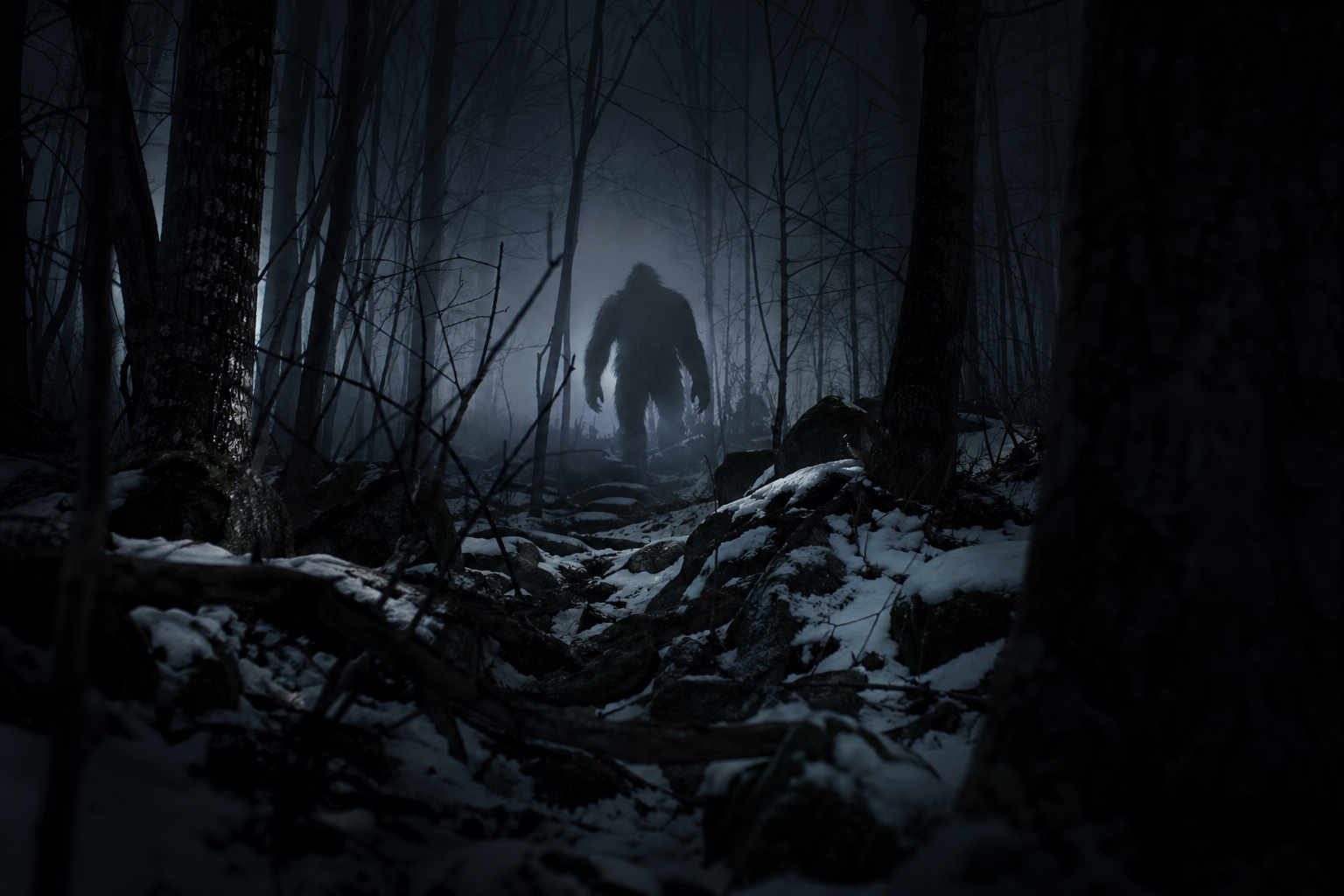
    The specimen itself was described as a hominid standing roughly six feet tall, covered in dark, coarse hair with oversized hands and feet. Its face was flattened, with a snub nose and one eye socket that appeared to have been damaged by a gunshot. For years, Hansen paraded the ice block around the country, always keeping the creature behind thick glass and layers of ice, which prevented anyone from performing a physical examination or verifying the organic nature of the remains.

    Scientific Interest and the Smithsonian Scandal

    While many dismissed the exhibit as a typical “sideshow gaff,” the Minnesota Iceman caught the attention of two serious researchers: Ivan T. Sanderson, a renowned naturalist, and Bernard Heuvelmans, often cited as the father of cryptozoology. In 1968, the duo spent days examining the specimen in a trailer in Minnesota. They became convinced they were looking at a genuine biological entity, possibly a surviving Neanderthal or a relict species of Homo pongoides.

    Sanderson’s excitement led him to contact the Smithsonian Institution, urging them to investigate what he believed was the “missing link” in human evolution. However, as the scientific community began to take notice, the situation took a bizarre turn. Fearing potential legal trouble regarding the “corpse,” Hansen suddenly withdrew the specimen from public view. He claimed the mysterious millionaire owner had reclaimed it, only to replace it later with a version that many observers claimed looked suspiciously like a latex model.

    The Latex Verdict and the Museum of the Weird

    The Smithsonian’s interest eventually cooled when primatologist John Napier investigated the claims. Napier, working alongside the FBI, reportedly traced the origins of the “new” specimen to a Hollywood effects house. The official verdict from the Smithsonian was scathing: the exhibit was nothing more than a “carnival exhibit made of latex and hair.” Hansen eventually admitted to having a model made, but he maintained until his death that the original, biological creature was real and had been hidden away to avoid federal prosecution for “killing” a hominid.

    The legacy of the Minnesota Iceman didn’t melt away with the controversy. In 2013, the specimen—or at least the version Hansen had been touring in his later years—was purchased by Steve Busti, owner of the Museum of the Weird in Austin, Texas. It remains one of the museum’s most popular attractions, sitting in its refrigerated case as a testament to the golden age of American sideshows and the enduring human desire to believe in the unknown.

    A Relic of the Unknown or a Masterful Hoax?

    The case of the Minnesota Iceman remains a polarizing topic in the paranormal community. Skeptics point to the shifting stories of Frank Hansen and the confirmed existence of latex models as proof of a long-running hoax. They argue that the “original” seen by Sanderson and Heuvelmans was simply a better-crafted dummy that benefited from the distorting effects of melting ice and dim lighting.

    However, true believers suggest that Hansen may have actually possessed a genuine cryptid—perhaps a juvenile Bigfoot or a Yeti—and used the latex models as “decoy” replacements once the authorities began asking questions. If the original specimen was indeed a biological entity, its current location remains one of the greatest unsolved mysteries in the field. Was the Minnesota Iceman a genuine breakthrough in human history that was lost to the shadows, or was it simply the greatest magic trick ever performed in a shopping mall parking lot?

    Do you believe Frank Hansen ever possessed a real biological creature, or was the entire saga a brilliant piece of performance art?

    Recommended Resources

    • 🤖 Viktor AI — The autonomous AI platform we use to run our marketing operations. Hire Viktor to handle blogging, lead research, audits, and more.
    • 💳 Greenlight — The money app and debit card for kids and teens. Teach your kids to earn, save, and invest. Earn $30 when you sign up.
    • ⛏️ GoMining — Earn Bitcoin through cloud mining without the hardware hassle. A passive way to get into crypto.
    • 🏦 Mercury — The business banking account built for startups and small businesses. No fees, powerful tools, and easy to set up.
  • North Carolina Cryptid Sightings: Fact vs. Fiction in the Tar Heel State

    North Carolina Cryptid Sightings: Fact vs. Fiction in the Tar Heel State

    North Carolina has long been a hotbed for the unexplained, from the mysterious glowing orbs of Brown Mountain to the legendary shadows lurking in the Great Smoky Mountains. However, a recent wave of viral reports claiming a new cryptid sighting in the Tar Heel State has sent the internet into a frenzy, blurring the lines between genuine mystery and digital misinformation. As enthusiasts and skeptics clash over grainy footage and frantic social media posts, it is time to separate the folklore from the fakes.

    The Viral Surge of the North Carolina Cryptid

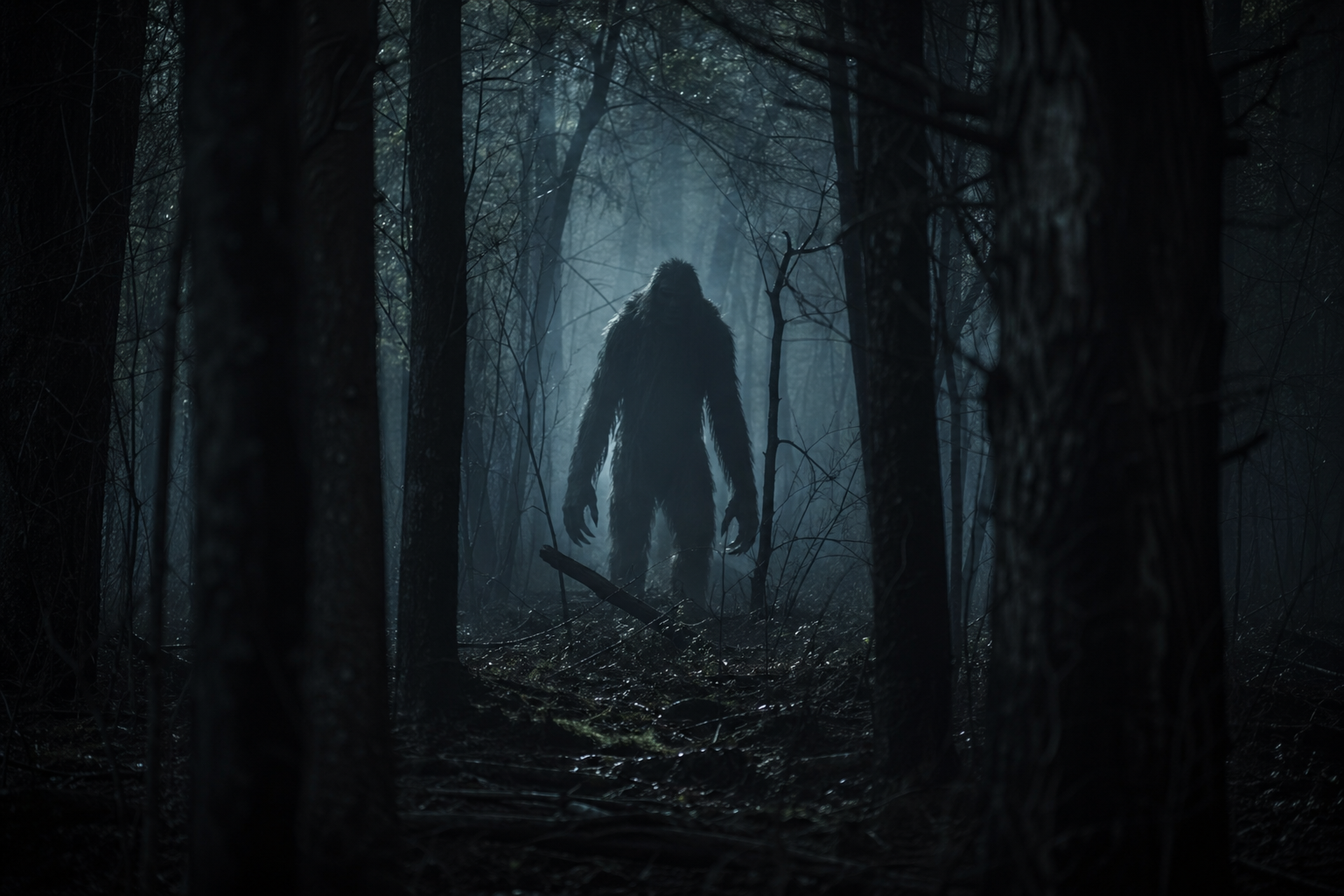
    In recent weeks, social media platforms have been flooded with accounts of a strange, bipedal creature roaming the dense forests of North Carolina. These reports often describe a tall, dark figure that moves with an unnatural gait, leading many to believe that a Bigfoot or a similar hominid has finally been caught on camera. The fervor reached a boiling point when a series of videos began circulating, claiming to show the creature near the Appalachian Trail.

    While the excitement is palpable, experts in cryptozoology urge caution when analyzing these digital “encounters.” Many of the clips suffer from the classic “blobsquatch” effect—images so blurry and distant that the human brain fills in the gaps with what it wants to see, a phenomenon known as pareidolia. In the age of high-definition smartphones, the persistent lack of clear footage remains one of the biggest hurdles for those trying to prove the existence of unknown species.

    What people are getting wrong this week is the assumption that every strange shadow in the woods is a supernatural entity. In many of these recent North Carolina cases, local wildlife experts have pointed out that a black bear suffering from sarcoptic mange can look disturbingly humanoid. A bear with significant hair loss appears thin, has elongated limbs, and often stands on its hind legs to navigate or sniff the air, creating a silhouette that easily mimics a legendary monster.

    A Legacy of Terror: From Bladenboro to the Uwharries

    To understand why North Carolinians are so quick to believe in the paranormal, one must look at the state’s rich history of creature sightings. Perhaps the most famous is the Beast of Bladenboro, a predatory cryptid that terrorized a small town in the 1950s. Described as a cat-like vampire that drained the blood of livestock, the Beast sparked a massive hunt and remains a staple of local legend to this day.

    Further west, the Uwharrie National Forest has earned a reputation as a “Bigfoot magnet.” Researchers have spent decades documenting vocalizations, tree knocks, and footprint casts in this ancient mountain range. Unlike the recent viral hoaxes, these long-term studies provide a more nuanced look at the possibility of an undiscovered primate living in the American Southeast. The historical context of these sightings gives modern reports a weight they might not otherwise carry.

    The Brown Mountain Lights also contribute to the state’s eerie atmosphere. For over a century, witnesses have reported seeing ghost-like lanterns hovering above the ridges of the Pisgah National Forest. While scientists have proposed theories ranging from bioluminescence to geological gases, no single explanation has ever fully accounted for the erratic behavior of the lights, keeping the door to the paranormal firmly open.

    The Danger of Digital Hoaxes in Cryptozoology

    The problem with the current “cryptid of the week” culture is that it often overshadows legitimate research. When a hoax goes viral, it tends to discredit the entire field of anomalous phenomena. Skeptics use these debunked cases as ammunition to dismiss all sightings, even those reported by credible witnesses like park rangers or seasoned hunters who know the local fauna intimately.

    In the recent North Carolina craze, several “leaked” photos were traced back to CGI renders or promotional stunts for independent horror films. This digital deception makes it increasingly difficult for actual investigators to find the signal through the noise. For a community built on the hope of discovery, these fabrications are more than just harmless fun; they are a barrier to scientific inquiry.

    However, the debunking of one specific video does not mean the woods are empty. North Carolina contains millions of acres of undeveloped wilderness, much of which is rarely traversed by humans. The possibility of a relict hominid or an unclassified predator remains a tantalizing prospect for those who believe that the world still holds secrets. The key is to maintain a balance of open-mindedness and rigorous skepticism.

    How to Spot a Real Mystery

    For those looking to join the hunt, it is essential to know what to look for. A genuine cryptid encounter usually involves more than just a visual sighting; it includes physical evidence like environmental DNA (eDNA), unique hair samples, or consistent trackways that cannot be attributed to known animals. When evaluating the next viral sensation, ask yourself if the source is reliable and if the behavior of the creature aligns with biological reality.

    North Carolina will undoubtedly continue to be a focal point for the strange and unusual. Whether it is a misidentified bear or something truly beyond our understanding, the allure of the unknown is a powerful force. As we move forward, we must be careful not to let the desire for a “viral moment” cloud our judgment of the mysteries that truly exist in the shadows of the pines.

    Do you believe the recent sightings in North Carolina are just misidentified wildlife, or is there something truly ancient and unknown hiding in the Appalachian wilderness?

    Recommended Resources

    • 🤖 Viktor AI — The autonomous AI platform we use to run our marketing operations. Hire Viktor to handle blogging, lead research, audits, and more.
    • 💳 Greenlight — The money app and debit card for kids and teens. Teach your kids to earn, save, and invest. Earn $30 when you sign up.
    • ⛏️ GoMining — Earn Bitcoin through cloud mining without the hardware hassle. A passive way to get into crypto.
    • 🏦 Mercury — The business banking account built for startups and small businesses. No fees, powerful tools, and easy to set up.
  • The Mothman Legacy: Why the Point Pleasant Legend Still Haunts Our Art

    The Mothman Legacy: Why the Point Pleasant Legend Still Haunts Our Art

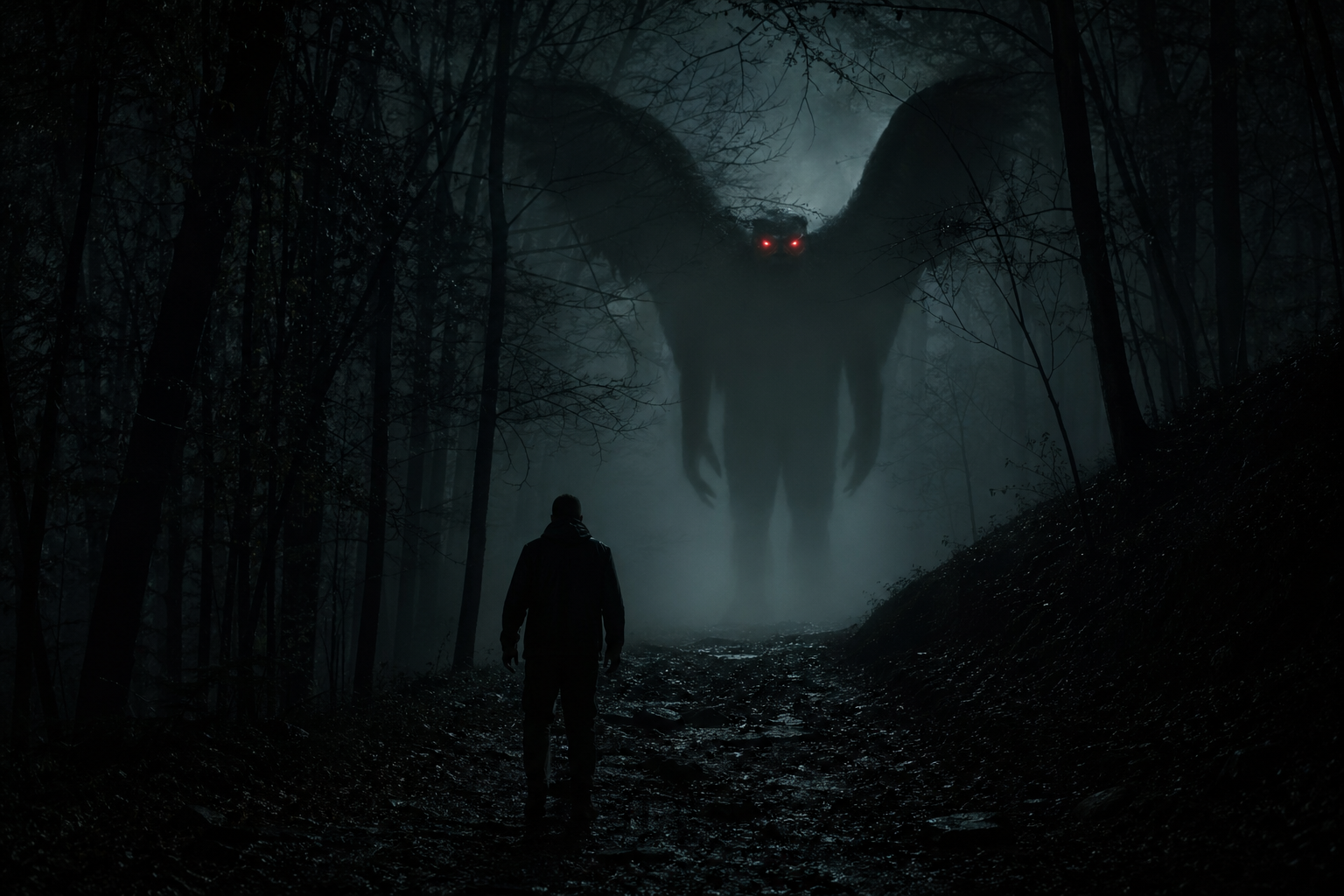
    In the quiet, fog-drenched corners of West Virginia, a legend was born that would forever change the landscape of American folklore. The Mothman, a creature described as a winged humanoid with glowing red eyes, first emerged from the shadows of Point Pleasant in the mid-1960s, leaving a trail of terror and unanswered questions in its wake. Decades later, the fascination with this winged harbinger shows no signs of fading, as a new generation of artists and investigators continues to breathe life into the mystery.

    The Silver Bridge Disaster and the Birth of a Legend

    The story of the Mothman is inextricably linked to one of the most tragic events in West Virginia history. Between November 1966 and December 1967, residents of Point Pleasant reported dozens of sightings of a “large flying man with ten-foot wings.” These encounters often took place near the TNT Area, a sprawling, abandoned World War II explosives manufacturing facility characterized by overgrown bunkers and dense forest.

    The sightings reached a fever pitch until December 15, 1967, when the Silver Bridge, which connected Point Pleasant to Kanauga, Ohio, collapsed during rush hour traffic. The disaster claimed 46 lives. In the aftermath, many locals and paranormal researchers began to wonder if the creature was a supernatural omen, a warning of the impending catastrophe that went unheeded.

    This connection between the cryptid and the disaster transformed the Mothman from a mere “monster of the week” into a profound cultural phenomenon. It wasn’t just a creature; it was a harbinger of doom. This dark, prophetic quality is what separates the Mothman from other famous cryptids like Bigfoot or the Loch Ness Monster, lending it an air of melancholy and high strangeness that persists to this day.

    Red Eyes in the Dark: Defining the Mothman’s Appearance

    What does the Mothman actually look like? According to original eyewitnesses like Roger and Linda Scarberry, the creature stood nearly seven feet tall and possessed a massive wingspan. However, the most chilling detail—and the one that has become the hallmark of the legend—is the glowing red eyes. Witnesses described them as being set deep in the chest or shoulders, reflecting light with an intensity that felt hypnotic and predatory.

    Unlike many other monsters that are described as hairy or reptilian, the Mothman is often depicted as having a sleek, almost insectoid or avian quality. This ambiguity has made it a favorite subject for artists in the paranormal community. Recently, on the popular r/Cryptids subreddit, user /u/philyd94 shared a striking original drawing of the creature, sparking a fresh wave of discussion about how we visualize the unknown.

    Artistic interpretations like these serve a vital role in the world of the paranormal. Because there are no clear photographs of the creature—only grainy sketches and eyewitness testimonies—art becomes the primary way we interface with the legend. Every new drawing, whether it emphasizes the creature’s terrifying stature or its more ethereal, moth-like qualities, adds a new layer to the collective mythos we have built around the Point Pleasant sightings.

    From Folklore to Digital Canvas: The Cryptid’s Modern Revival

    In the digital age, the Mothman has undergone a surprising transformation. Once a figure of pure terror, it has become a beloved icon of internet culture. From viral memes to indie video games like Fallout 76, the creature has found a home in the hearts of those who find comfort in the weird and the unexplained. The community on platforms like Reddit allows enthusiasts to share their own theories, sightings, and creative works, keeping the legend alive in a way that 1960s witnesses could never have imagined.

    This modern revival is also fueled by the concept of High Strangeness, a term coined by researcher J. Allen Hynek. The Mothman sightings weren’t just about a big bird; they were accompanied by reports of UFOs, Men in Black, and poltergeist activity. This “paranormal cocktail” suggests that the Mothman might not be a biological animal at all, but rather an interdimensional entity or a manifestation of human consciousness during times of stress.

    Similar cases have been reported worldwide, such as the Black Bird of Chernobyl, which was allegedly seen soaring over the nuclear power plant before the 1986 disaster. These parallels suggest that the “Mothman” archetype may be a global phenomenon, appearing whenever humanity stands on the precipice of a great change or a great tragedy.

    Why We Can’t Stop Looking for the Mothman

    Why does a fifty-year-old legend continue to inspire artists and researchers today? Perhaps it is because the Mothman represents the ultimate mystery: the feeling that there is something watching us from the periphery of our vision. In a world that feels increasingly mapped and explained by science, the Mothman offers a glimpse into the unseen world that still exists in the dark corners of our forests and our minds.

    Whether you view the creature as a biological anomaly, a psychological projection, or a supernatural messenger, its impact on our culture is undeniable. Every time an artist picks up a pen to draw those glowing red eyes, they are participating in a tradition of storytelling that stretches back to the very first campfire. We are drawn to the Mothman because we are drawn to the unknown, forever searching for meaning in the shadows.

    Do you believe the Mothman was a physical creature, or was it a supernatural warning of the Silver Bridge disaster?

    Recommended Resources

    • 🤖 Viktor AI — The autonomous AI platform we use to run our marketing operations. Hire Viktor to handle blogging, lead research, audits, and more.
    • 💳 Greenlight — The money app and debit card for kids and teens. Teach your kids to earn, save, and invest. Earn $30 when you sign up.
    • ⛏️ GoMining — Earn Bitcoin through cloud mining without the hardware hassle. A passive way to get into crypto.
    • 🏦 Mercury — The business banking account built for startups and small businesses. No fees, powerful tools, and easy to set up.
  • Bigfoot in Pennsylvania: Credible Sasquatch Sightings Reported in Centre County

    Bigfoot in Pennsylvania: Credible Sasquatch Sightings Reported in Centre County

    Deep within the dense, rolling wilderness of the Appalachian Mountains, something massive and unexplained is moving through the shadows of the Keystone State. Recent reports from Centre County have sent shockwaves through the paranormal community, as multiple witnesses have come forward with accounts of Bigfoot sightings that investigators are now labeling as “credible.”

    Pennsylvania has long been a focal point for high-strangeness, but the latest surge in activity near State College and the surrounding forests suggests that the legendary Sasquatch may be more than just a campfire story. These aren’t just fleeting glimpses from a distance; they are detailed encounters that have caught the attention of seasoned cryptid researchers and local enthusiasts alike. As the evidence mounts, many are wondering if the rugged terrain of central Pennsylvania is providing the perfect sanctuary for an undiscovered species.

    The Heart of the Sightings: Why Centre County?

    Centre County is uniquely positioned for paranormal activity, characterized by vast stretches of state forest land and deep limestone valleys. Areas like Bald Eagle State Forest and Black Moshannon State Park offer thousands of acres of uninhabited territory, providing ample cover for a large, elusive primate. The geography of the region, with its abundant water sources and dense canopy, mirrors the Pacific Northwest habitats typically associated with Sasquatch lore.

    Local investigators point out that the recent “credible” designations stem from the consistency of the witness testimonies. In several cases, residents reported seeing a bipedal creature standing over seven feet tall, covered in dark, matted fur. Unlike many urban legends, these reports often come from experienced outdoorsmen—hunters and hikers who are intimately familiar with the local wildlife, such as black bears and white-tailed deer, and insist they saw something entirely different.

    The credibility of these sightings is often bolstered by secondary evidence. While a clear photograph remains the “holy grail” of cryptozoology, researchers in Centre County have documented unusual vocalizations—deep, guttural howls that do not match any known North American predator. Additionally, reports of “tree knocks” and sophisticated branch structures, often attributed to Bigfoot communication, have been found in the more remote corners of the county.

    Pennsylvania’s Legacy as a Bigfoot Hotspot

    While the recent news from Centre County is exciting, it is part of a much larger pattern within the state. According to data from the Bigfoot Field Researchers Organization (BFRO), Pennsylvania consistently ranks among the top states in the U.S. for reported sightings. The state’s history with the creature dates back decades, with famous cases like the 1973 “Pennsylvania Bigfoot Invasion” cementing its reputation as a hub for the unexplained.

    The Appalachian Trail, which snakes through the eastern part of the state, has its own share of legends, but the central “Big Woods” region is where the most harrowing accounts often originate. Researchers suggest that the Sasquatch may use the mountain ridges as “highways,” moving between food sources while avoiding human detection. The recent activity in Centre County may indicate a seasonal migration or a shift in the creature’s territory due to environmental factors.

    What sets Pennsylvania apart from other regions is the sheer variety of the encounters. From the “Albatwitch” (a smaller, more mischievous version of Bigfoot reported in the southern counties) to the classic towering Sasquatch of the north, the state is a melting pot of cryptid diversity. The Centre County sightings fit perfectly into this historical tapestry, adding a new chapter to a mystery that has baffled residents for generations.

    The Science of the Unknown: Investigating the Evidence

    To be deemed “credible” in the world of paranormal research, a sighting must pass several rigorous tests. Investigators look for “internal consistency” in the witness’s story and check for physical traces at the scene. In the recent Centre County cases, some reports included descriptions of a distinct, pungent odor—often described as a mix of wet dog and decaying vegetation—which is a hallmark of Sasquatch encounters worldwide.

    Skeptics often point to the lack of biological remains, such as bones or hair, as proof that the creature doesn’t exist. However, proponents of the Bigfoot theory argue that a highly intelligent, near-human primate would likely bury its dead or live in such low population densities that finding remains in the acidic soil of the forest floor would be nearly impossible. The “credible” label isn’t a claim of absolute proof, but rather an acknowledgment that the witness is reliable and the event cannot be easily explained away as a misidentification.

    As technology advances, researchers are hopeful that eDNA (environmental DNA) testing and high-resolution thermal imaging will eventually provide the definitive evidence needed to move Bigfoot from the realm of folklore into the pages of biology textbooks. Until then, the residents of Centre County remain on high alert, keeping their cameras ready and their eyes on the tree line.

    The woods of Pennsylvania continue to hold their secrets tight, but every new credible report brings us one step closer to understanding what is truly out there. Whether you are a believer or a skeptic, the evidence coming out of Centre County is impossible to ignore.

    Do you believe the dense forests of Pennsylvania could be hiding a population of undiscovered primates, or is there a more earthly explanation for these sightings?

    Recommended Resources

    • 🤖 Viktor AI — The autonomous AI platform we use to run our marketing operations. Hire Viktor to handle blogging, lead research, audits, and more.
    • 💳 Greenlight — The money app and debit card for kids and teens. Teach your kids to earn, save, and invest. Earn $30 when you sign up.
    • ⛏️ GoMining — Earn Bitcoin through cloud mining without the hardware hassle. A passive way to get into crypto.
    • 🏦 Mercury — The business banking account built for startups and small businesses. No fees, powerful tools, and easy to set up.