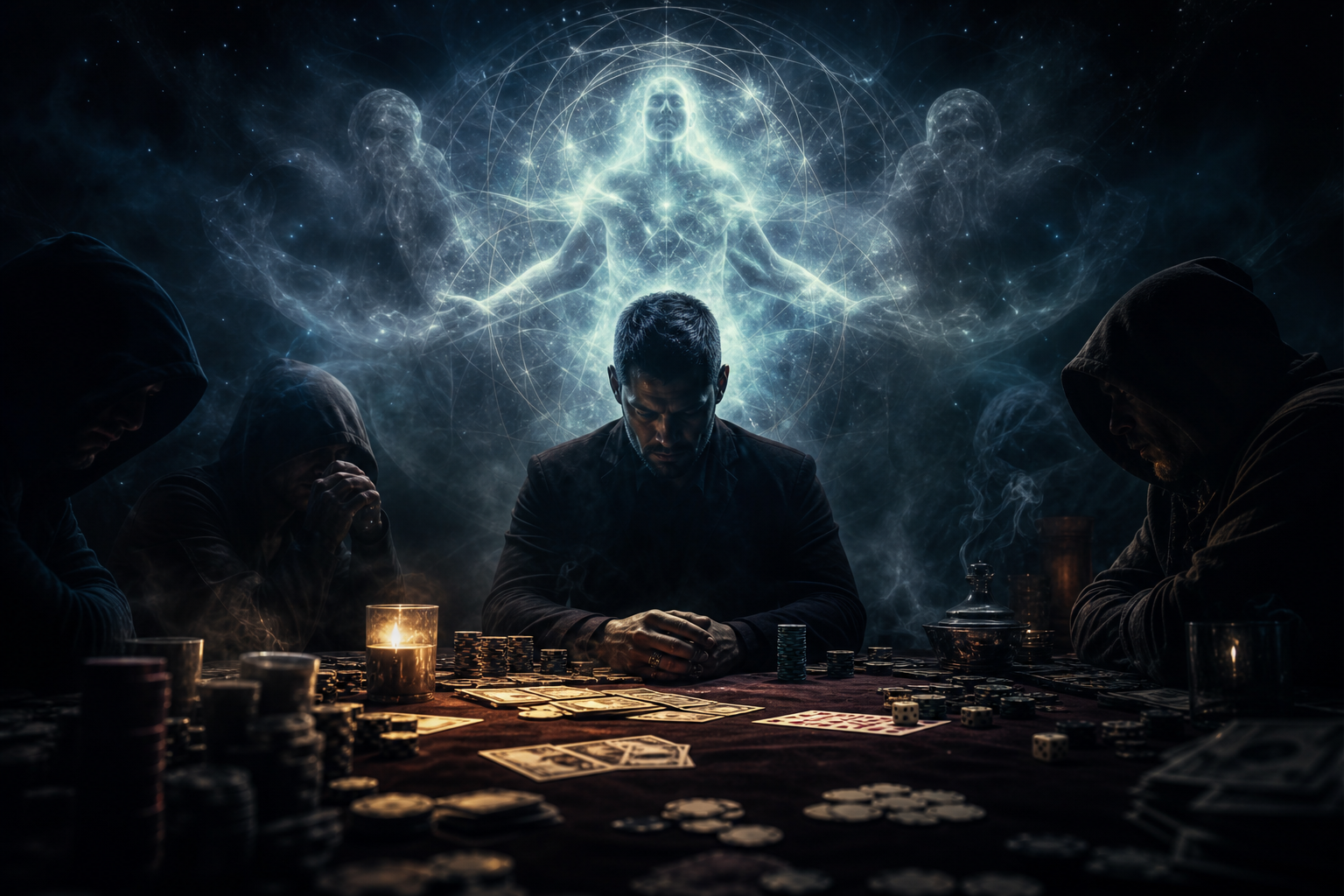
In the dim light of a flickering candle, deep within the silent corridors of a local cemetery, a seeker of fortune whispers to the wind. This isn’t a scene from a horror movie, but a common reality for those practicing divination to find winning lottery numbers. While many view the act of ghi lô đề—the traditional practice of betting on lottery results—as a simple game of chance, there is a hidden, darker side that bridges the gap between our world and the spirit world.
For decades, stories have circulated about individuals who have struck it rich after receiving “lucky numbers” from the deceased in their dreams. However, as the popularity of these supernatural methods grows, so does the scrutiny from both the living and the dead. Beyond the ethereal risks of dealing with paranormal entities, there is a very real, earthly danger: the legal consequences of participating in illegal gambling rings that operate in the shadows of the supernatural.
The Supernatural Rituals of the Number Seekers
The practice of seeking numbers from the afterlife is a complex tapestry of folk magic and desperation. Practitioners often visit the graves of those who died young or under tragic circumstances, believing these spirits remain closer to the earthly plane and possess knowledge of future events. By offering incense, fruit, and prayers, the living hope to receive a sign—a number etched in the wax of a candle or a specific sequence appearing in a dream.
This form of necromancy is not without its perils. Paranormal researchers suggest that “bargaining” with spirits for financial gain can lead to spiritual attachments or hauntings. When a spirit provides a winning number, it often expects a “payment” in the form of elaborate rituals or offerings. If the winner fails to provide these, the luck can quickly turn into a curse, leading to unexplained phenomena or sudden misfortune in other areas of life.
In many cultures, these cryptic signs are seen as a test of character. The spirits are said to watch how the money is spent, favoring those who use their winnings for charity or family. However, the allure of “easy money” through supernatural means often blinds participants to the fact that they are engaging in an activity that the law views with a much harsher lens than the spirits do.
The Legal Shadow: Is Ghi Lô Đề Worth the Risk?
While the ghosts might give you the numbers for free, the government certainly doesn’t. In many regions, particularly in Southeast Asia where these practices are most prevalent, ghi lô đề is strictly regulated or outright illegal. Many participants mistakenly believe that because they are simply “predicting” the official lottery results, their actions are safe and legal. This is a dangerous misconception that can lead to severe legal consequences.
Under current laws, organizing or participating in illegal betting rings is classified as a form of gambling. Depending on the amount of money involved and the frequency of the offense, individuals can face heavy fines or even significant prison time. The law does not recognize “spiritual guidance” as a defense in court. Whether you received your numbers from a ghostly apparition or a sophisticated algorithm, the act of placing the bet outside of state-sanctioned channels remains a crime.
Law enforcement agencies have recently increased their crackdowns on these underground networks. They often target the “bookies” or those who facilitate the ghi lô đề transactions. For the average person, a single night of following a “spirit’s tip” could result in a criminal record that haunts them far longer than any actual ghost ever could.
Paranormal Precedents and Global Phenomena
The intersection of the paranormal and gambling is not unique to one region. Throughout history, there have been accounts of clairvoyants and mediums attempting to predict the outcome of games of chance. In the early 20th century, spiritualist circles in Europe often debated whether it was ethical to use psychic abilities for financial gain, with many warning that “greed blocks the third eye.”
Similarly, in the United States, urban legends persist about “haunted” casinos or gamblers who made pacts with shadow figures to recoup their losses. These stories serve as cautionary tales, much like the modern warnings regarding illegal lottery betting. The common thread is the human desire to bypass the natural laws of probability by appealing to a higher—or lower—power.
Whether it is the Jinni of Middle Eastern folklore or the “Hungry Ghosts” of Asian tradition, the entities associated with wealth and luck are notoriously fickle. They operate on a logic that is alien to human understanding, often leading their followers into legal or personal ruin. The thrill of the supernatural win is frequently overshadowed by the cold reality of a jail cell or a life plagued by unseen forces.
Ultimately, the world of ghi lô đề is a place where the mystical meets the material. While the prospect of a ghost-given fortune is tantalizing, the risks—both spiritual and legal—are immense. As we continue to explore the boundaries of the unknown, we must ask ourselves if the price of a winning ticket is worth the potential haunting of our future.
Have you ever experienced a dream or a supernatural sign that seemed to predict a lucky number, and would you risk the legal consequences to follow it?
“,excerpt:
Recommended Resources
- 🤖 Viktor AI — The autonomous AI platform we use to run our marketing operations. Hire Viktor to handle blogging, lead research, audits, and more.
- 💳 Greenlight — The money app and debit card for kids and teens. Teach your kids to earn, save, and invest. Earn $30 when you sign up.
- ⛏️ GoMining — Earn Bitcoin through cloud mining without the hardware hassle. A passive way to get into crypto.
- 🏦 Mercury — The business banking account built for startups and small businesses. No fees, powerful tools, and easy to set up.
Leave a Reply