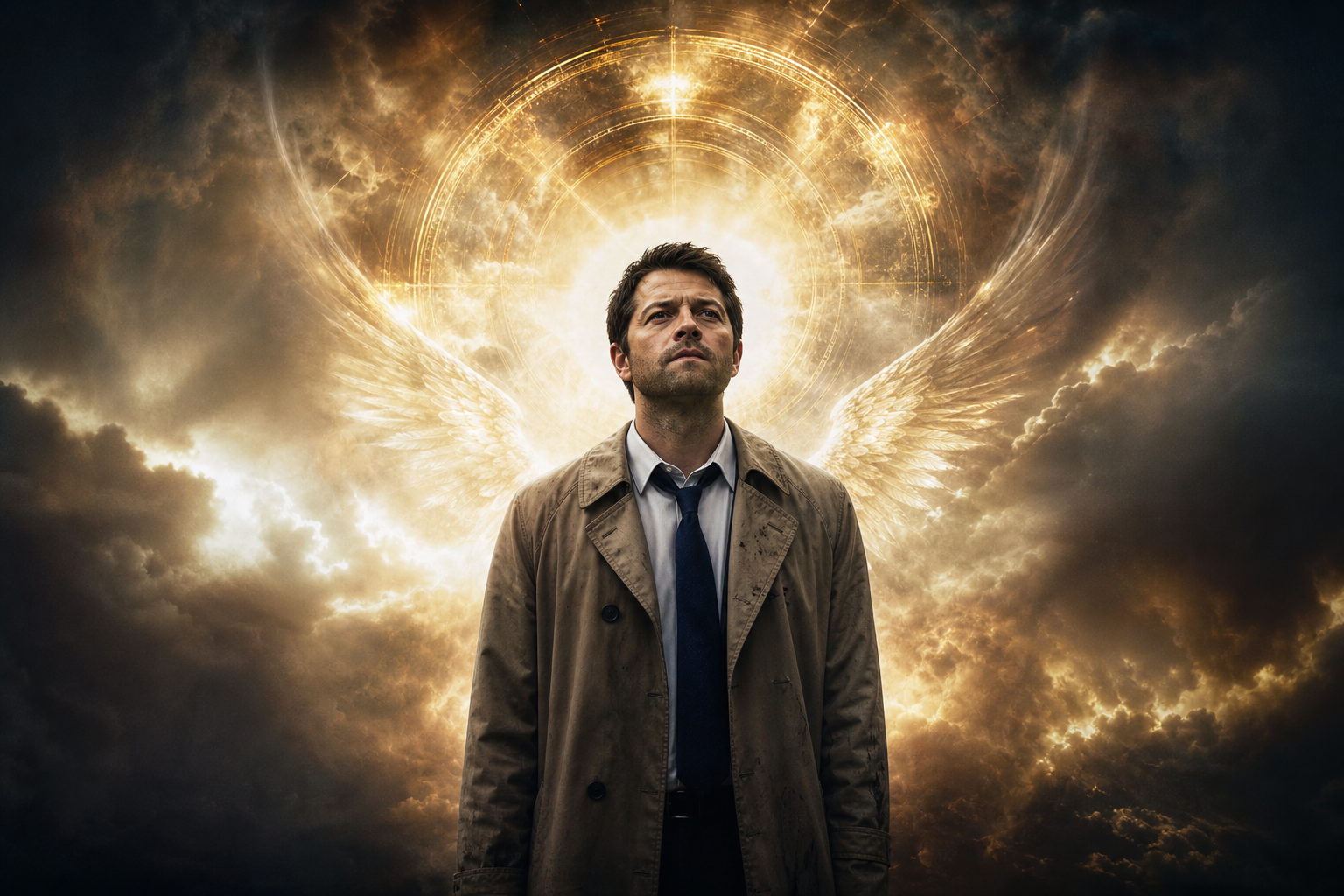
In the vast landscape of modern mythology, few figures have sparked as much debate as the celestial being known as Castiel. As a central figure in the long-running saga of the Winchester brothers, this angel of the Lord has transitioned from a stoic soldier of Heaven to a complex, often morally grey protagonist. While some critics point to his darker chapters as evidence of a fall from grace, a growing faction of paranormal enthusiasts and scholars argue that his actions were never born of malice, but of a desperate desire to protect humanity at any cost.
The question of angelic morality is a cornerstone of paranormal study, often blurring the lines between divine intervention and catastrophic error. When we examine the history of Supernatural events surrounding this specific entity, a pattern emerges: one of self-sacrifice, external manipulation, and a crushing sense of responsibility. To understand the “innocence” of such a powerful being, we must look closer at the cosmic pressures that forced his hand during the most turbulent eras of the celestial timeline.
The Raphael Crisis and the Burden of the Apocalypse
The first major turning point in the debate over his character occurs during the celestial civil war following the averted Apocalypse. The archangel Raphael sought to restart the end of the world, a move that would have resulted in the extinction of the human race. Standing alone against a foe who had literally exploded him in the past, the angel was forced into a corner. His decision to partner with the King of Hell, Crowley, is often cited as his first major “sin,” yet it was a tactical move designed to prevent a global cataclysm.
Critics often point to the “wall” in Sam Winchester’s mind—the mental barrier protecting him from the horrors of Lucifer’s Cage—which was ultimately shattered. While this was an extreme and damaging act, proponents of the “innocence” theory argue that it was a desperate attempt to keep the Winchesters from interfering in a plan he believed was the only way to save them. When the plan spiraled out of control, he didn’t flee; he attempted to take the burden upon himself, showing a level of accountability rarely seen in higher-tier entities.
The Leviathan Possession: A Biblical Corruption
Perhaps the most controversial era of this entity’s history involves the opening of Purgatory and the subsequent release of the Leviathans. These ancient, biblical evils are described as the first beasts created by God, locked away for the safety of all existence. When they inhabited the angel’s vessel, his personality shifted from a protector to a self-proclaimed god. However, a forensic look at his behavior reveals a clear distinction between the angel and the influence of the monsters within him.
Before the absorption of the souls, he acted with a clear, albeit misguided, sense of duty. During the possession, his actions were erratic, cruel, and entirely out of character—most notably his willingness to harm his own siblings, whom he had spent centuries protecting. Once the influence of the Leviathans was removed, he immediately returned to a state of remorse and sought to rectify his mistakes. This suggests that the “evil” witnessed during this period was not a choice, but a biological and spiritual infection by a primordial force.
The Lucifer Sacrifice and the Struggle of Self-Worth
In later years, the emergence of The Darkness (also known as Amara) presented a threat so great that even the combined forces of Heaven and Hell seemed powerless. During this time, the angel’s self-worth was at an all-time low, leading him to make a choice that many viewed as a betrayal: saying “yes” to Lucifer. By allowing the Devil to use him as a vessel, he believed he was providing the world with its only chance at survival.
This decision was not born of a desire for power, but of a deep-seated belief that his own life was expendable compared to the safety of the Winchesters and the world at large. He took on the burden of the Devil so that Sam would not have to, effectively martyring his own identity for the sake of his found family. In the realm of the paranormal, such acts of “vessel-sharing” are often seen as the ultimate sacrifice, yet he is frequently judged more harshly than the humans he sought to protect.
A Legacy of Celestial Misunderstanding
When we weigh the evidence, the narrative of a “villainous” angel begins to crumble. Whether he was fighting an archangel to prevent a second Apocalypse, suffering under the weight of Purgatory souls, or hosting the Prince of Darkness to stop an ancient void, his motivations remained consistent. He was a being caught between the rigid laws of Heaven and the messy, emotional reality of Earth.
In many ways, his journey mirrors the classic “tragic hero” trope found in ancient folklore—a figure who does the wrong things for the right reasons and pays a heavy price for their empathy. His “crimes” were almost always reactions to impossible dilemmas where every choice led to a different kind of suffering. If we judge a being by their intent rather than the chaotic fallout of their power, the case for his innocence becomes remarkably strong.
Do you believe that a celestial being can truly be “innocent” when their mistakes have such global consequences, or does the intent behind the action matter more than the damage caused?
Recommended Resources
- 🤖 Viktor AI — The autonomous AI platform we use to run our marketing operations. Hire Viktor to handle blogging, lead research, audits, and more.
- 💳 Greenlight — The money app and debit card for kids and teens. Teach your kids to earn, save, and invest. Earn $30 when you sign up.
- ⛏️ GoMining — Earn Bitcoin through cloud mining without the hardware hassle. A passive way to get into crypto.
- 🏦 Mercury — The business banking account built for startups and small businesses. No fees, powerful tools, and easy to set up.
Leave a Reply