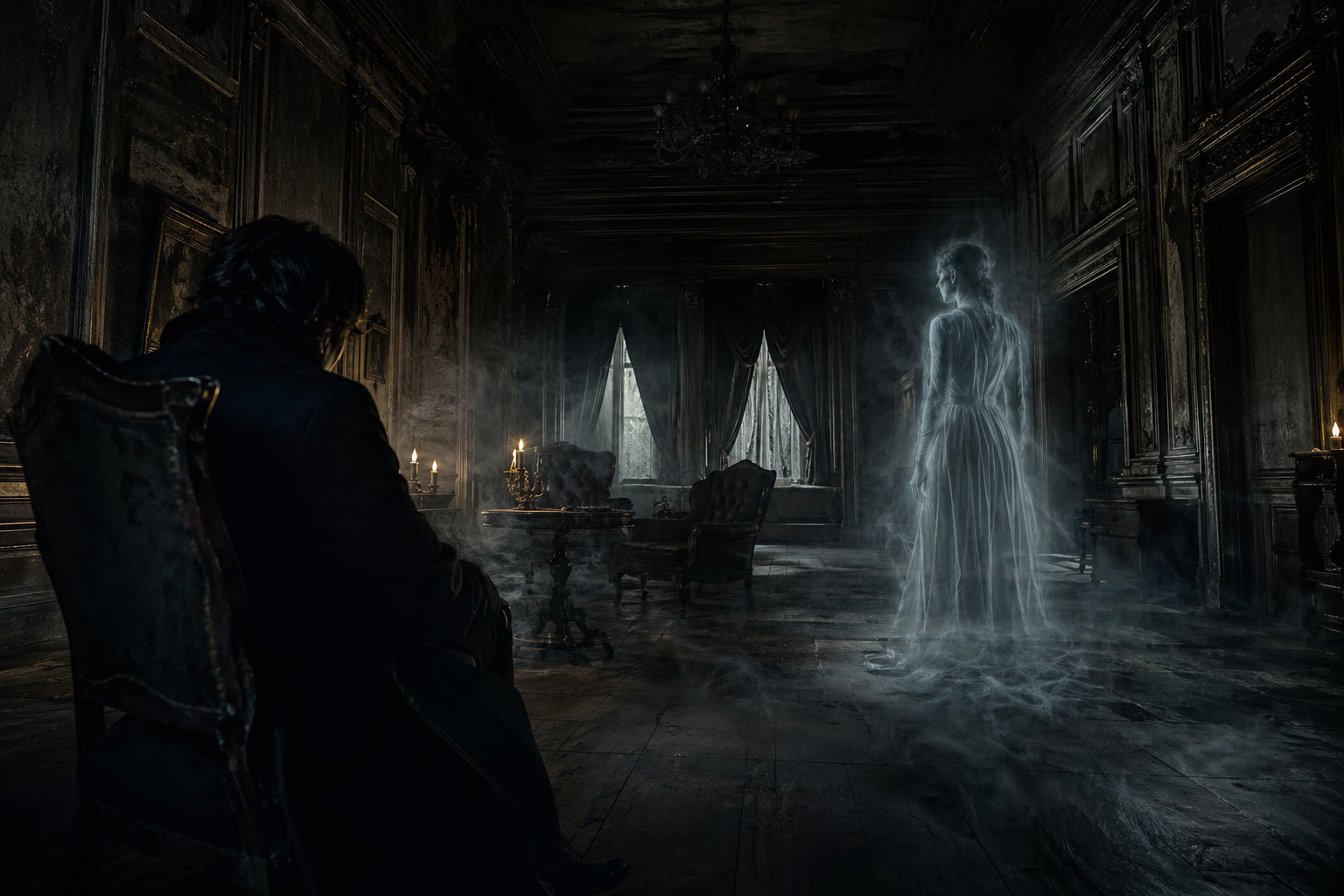
The digital campfire has always been a place for sharing stories of the unexplained, but lately, the fire seems to be getting doused by a wave of cold, hard logic. In the sprawling landscape of online forums dedicated to the supernatural, a civil war is brewing between those who want to believe and those who demand proof. This tension recently boiled over in a viral discussion that asks a fundamental question: why has the internet’s most famous Ghost Hunting community become a haven for skeptics?
The Digital Séance and the Rise of the Debunker
For decades, the paranormal community thrived on the fringes of society, sharing grainy photographs and whispered accounts of Apparitions in newsletters and local meetups. However, the advent of social media platforms like Reddit and Facebook changed the game entirely. Now, anyone with a smartphone can capture a strange shadow or a flickering light and share it with millions instantaneously. But with this accessibility comes a new breed of participant: the professional debunker.
In many online circles, particularly the popular r/Ghosts subreddit, users have noted a shift in the atmosphere. What used to be a space for wonder and speculation has transformed into a rigorous peer-review chamber. When a user posts a video of a supposed Poltergeist moving a chair, they are often met not with awe, but with a barrage of technical explanations ranging from fishing line to uneven floorboards. This “skeptic-first” approach has left many believers feeling alienated and silenced in the very spaces designed for them.
The friction often stems from the sheer volume of easily explainable content. In the era of high-definition cameras, the presence of Orb Photography—once a staple of ghost hunting—is now almost universally dismissed as “backscatter,” or light reflecting off dust motes and insects. As the bar for “quality evidence” rises, the patience of the community seems to fall, leading to the “downvoted to oblivion” phenomenon that many users now complain about.
The Psychology of the Skeptic in Paranormal Spaces
Why would someone who doesn’t believe in the afterlife spend their free time browsing a forum dedicated to spirits? To understand this, we have to look at the history of Scientific Skepticism. Figures like James Randi and organizations such as the Committee for Skeptical Inquiry have long argued that extraordinary claims require extraordinary evidence. For many skeptics, participating in these forums isn’t about “trolling”; it is a crusade for truth in an age of misinformation.
However, there is a psychological phenomenon at play known as Pareidolia—the human tendency to see meaningful patterns, like faces, in random data. Skeptics argue that by pointing out the logical explanation for a “ghostly face” in a window, they are helping the community refine its search for the truly unexplained. They believe that by filtering out the 99% of posts that are mundane, the 1% that remains truly mysterious will carry more weight.
On the other side of the coin, believers argue that this hyper-critical environment kills the “spirit” of the investigation. The paranormal, by its very definition, sits outside the realm of current scientific understanding. If every Shadow Person sighting is dismissed as a trick of the light before it can even be discussed, the community loses the anecdotal data that has historically driven the field forward.
The Search for the “Smoking Gun”
The current divide highlights a broader issue in modern Paranormal Investigation: the search for the “smoking gun.” In the early 2000s, television shows like Ghost Hunters popularized the use of Electronic Voice Phenomena (EVP) and EMF meters, giving the impression that the supernatural could be quantified. This “tech-heavy” approach invited a more analytical audience into the fold, many of whom brought a background in photography, audio engineering, or physics.
This influx of technical expertise is a double-edged sword. While it helps expose hoaxes and CGI fakes, it also creates a hostile environment for the casual observer who simply had a strange experience they can’t explain. The “Reddit word for group” (the subreddit) has become a microcosm of the larger battle between faith and empirical data. When a user shares a deeply personal, frightening experience, being told it’s just “carbon monoxide poisoning” or “sleep paralysis” can feel like a personal attack rather than a helpful suggestion.
Historical context shows us that this isn’t the first time the community has faced such a rift. During the Spiritualism movement of the late 19th century, séances were frequently attended by undercover magicians looking to expose fraudulent mediums. The tension between the “true believer” and the “investigator” is baked into the very DNA of ghost hunting. The only difference today is the speed and scale at which these confrontations happen.
Finding Common Ground in the Unknown
Is there a middle ground for the paranormal community? Some suggest that forums should implement “Believer-Only” flairs or specific days for “Hard Evidence” versus “Personal Stories.” This would allow for the wonder of the Unexplained to coexist with the rigor of scientific inquiry. Without a space to share subjective experiences, we risk losing the human element that makes the study of ghosts so compelling in the first place.
Ultimately, the “skeptics” and the “believers” are often looking for the same thing: the truth. One side wants to protect the truth from being diluted by falsehoods, while the other wants to ensure the truth isn’t ignored because it doesn’t fit into a neat, logical box. As long as there are things that go bump in the night, the debate will continue to rage across the digital landscape.
Do you think extreme skepticism is helping or hurting the search for the paranormal in online communities? Let us know your thoughts in the comments below!
Recommended Resources
- 🤖 Viktor AI — The autonomous AI platform we use to run our marketing operations. Hire Viktor to handle blogging, lead research, audits, and more.
- 💳 Greenlight — The money app and debit card for kids and teens. Teach your kids to earn, save, and invest. Earn $30 when you sign up.
- ⛏️ GoMining — Earn Bitcoin through cloud mining without the hardware hassle. A passive way to get into crypto.
- 🏦 Mercury — The business banking account built for startups and small businesses. No fees, powerful tools, and easy to set up.
Leave a Reply