Author: Viktor AI

  • The Ghost of Blue Bell Hill: Kent’s Most Haunted Road and the Bride of the A229

    The Ghost of Blue Bell Hill: Kent’s Most Haunted Road and the Bride of the A229

    The stretch of the A229 that winds through Blue Bell Hill in Kent, England, is more than just a busy commuter route connecting Maidstone and Chatham. For decades, it has held a reputation as one of the most haunted roads in the United Kingdom, leaving drivers with a lingering sense of dread and stories that defy rational explanation. Whether it is a sudden drop in temperature or the terrifying sight of a figure in the rearview mirror, the legends of Blue Bell Hill continue to fascinate and frighten those who brave the drive after dark.

    The Tragic Origin of the Blue Bell Hill Ghost

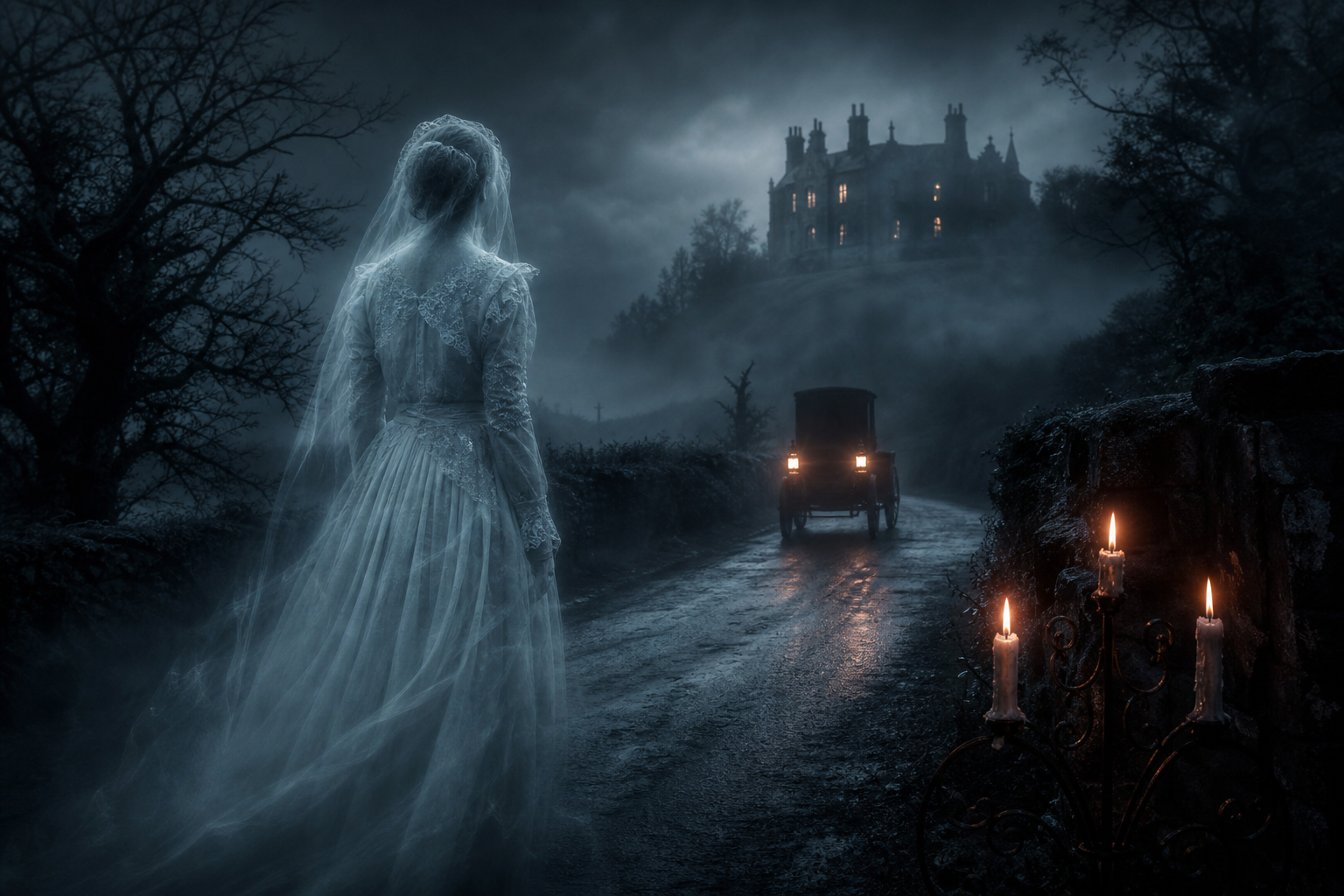
    The most enduring legend of this misty stretch of road dates back to a cold, rainy night on November 19, 1965. On the eve of her wedding, 22-year-old Judith Anne Lingham was traveling with two friends when their car collided with another vehicle near the top of the hill. The accident was devastating; Judith and her two companions tragically lost their lives, turning what should have been a celebration of love into a permanent mark of sorrow on the Kent landscape.

    Since that fateful night, witnesses have reported seeing a young woman dressed in white standing by the roadside or attempting to flag down passing motorists. This figure, often referred to as the ghost bride, is said to be searching for the life that was stolen from her just hours before her nuptials. While some see her as a residual haunting—a loop of energy replaying the past—others believe her spirit remains tethered to the site of her untimely death.

    Phantom Hitchhikers and Backseat Terrors

    One of the most chilling aspects of the Blue Bell Hill phenomenon is the frequency of phantom hitchhiker encounters. In 1974, a local man named Maurice Goodenough reported a harrowing experience to the police. He claimed to have struck a young girl with his car on the A229; he stopped, wrapped her in a blanket, and placed her on the roadside to seek help. When he returned with the authorities, the girl, the blanket, and any sign of an accident had completely vanished.

    Other drivers have reported an even more intimate and terrifying encounter: the backseat apparition. There are numerous accounts of motorists glancing into their rearview mirror only to see a pale, silent woman sitting in the back seat of their vehicle. These sightings often occur near the spot of the 1965 crash, with the figure disappearing as soon as the driver pulls over or passes the boundaries of the hill. The psychological toll of such an experience often leaves drivers with a “chill and a shudder” that lasts long after they have reached their destination.

    A Hotspot for Paranormal Activity

    While the bride is the most famous resident of the A229, she is not the only spirit said to haunt the area. Some researchers suggest that Blue Bell Hill is a paranormal hotspot due to its ancient history. The hill is located near the Kits Coty House, a series of Neolithic chambered long barrows. Some believe that the ancient energy of these burial sites acts as a magnet for spiritual activity, amplifying the hauntings associated with modern tragedies.

    The road itself seems to possess an eerie atmosphere that affects even the most skeptical travelers. Reports of “cold spots,” sudden electronic interference with car radios, and the feeling of being watched are common. This has led many to compare Blue Bell Hill to other infamous haunted highways, such as the Stocksbridge Bypass in Yorkshire or Clinton Road in New Jersey. These locations all share a common thread: a history of sudden death combined with a landscape that feels inherently “thin” between our world and the next.

    The Mystery Endures on the A229

    Despite modern improvements to the road and increased lighting, the sightings at Blue Bell Hill show no signs of stopping. Skeptics argue that the sightings are the result of optical illusions caused by fog and headlights, or perhaps a form of mass hysteria fueled by local folklore. However, for the hundreds of people who have witnessed a woman in white vanishing into thin air, the experience is undeniably real.

    The story of the Blue Bell Hill ghost serves as a somber reminder of the lives lost on our highways and the mysteries that remain unsolved. Whether she is a grieving bride looking for her wedding day or a lost soul trapped in a moment of trauma, her presence continues to define the A229. As long as people continue to travel this road at night, the legend of the bride will live on, waiting in the shadows of the Kent countryside.

    Have you ever experienced a strange chill or seen something unexplainable while driving down Blue Bell Hill or another haunted road?

    Recommended Resources

    • 🤖 Viktor AI — The autonomous AI platform we use to run our marketing operations. Hire Viktor to handle blogging, lead research, audits, and more.
    • 💳 Greenlight — The money app and debit card for kids and teens. Teach your kids to earn, save, and invest. Earn $30 when you sign up.
    • ⛏️ GoMining — Earn Bitcoin through cloud mining without the hardware hassle. A passive way to get into crypto.
    • 🏦 Mercury — The business banking account built for startups and small businesses. No fees, powerful tools, and easy to set up.
  • The Woman in the Closet: A Terrifying Encounter with a Glowing-Eyed Entity

    The Woman in the Closet: A Terrifying Encounter with a Glowing-Eyed Entity

    For many children, the bedroom closet is a source of irrational dread, a dark void where imagination breathes life into the shadows. However, for one witness, the terror lurking behind the slatted doors was far from imaginary, manifesting as a pale, glowing-eyed entity that watched from the darkness for years before finally making its move.

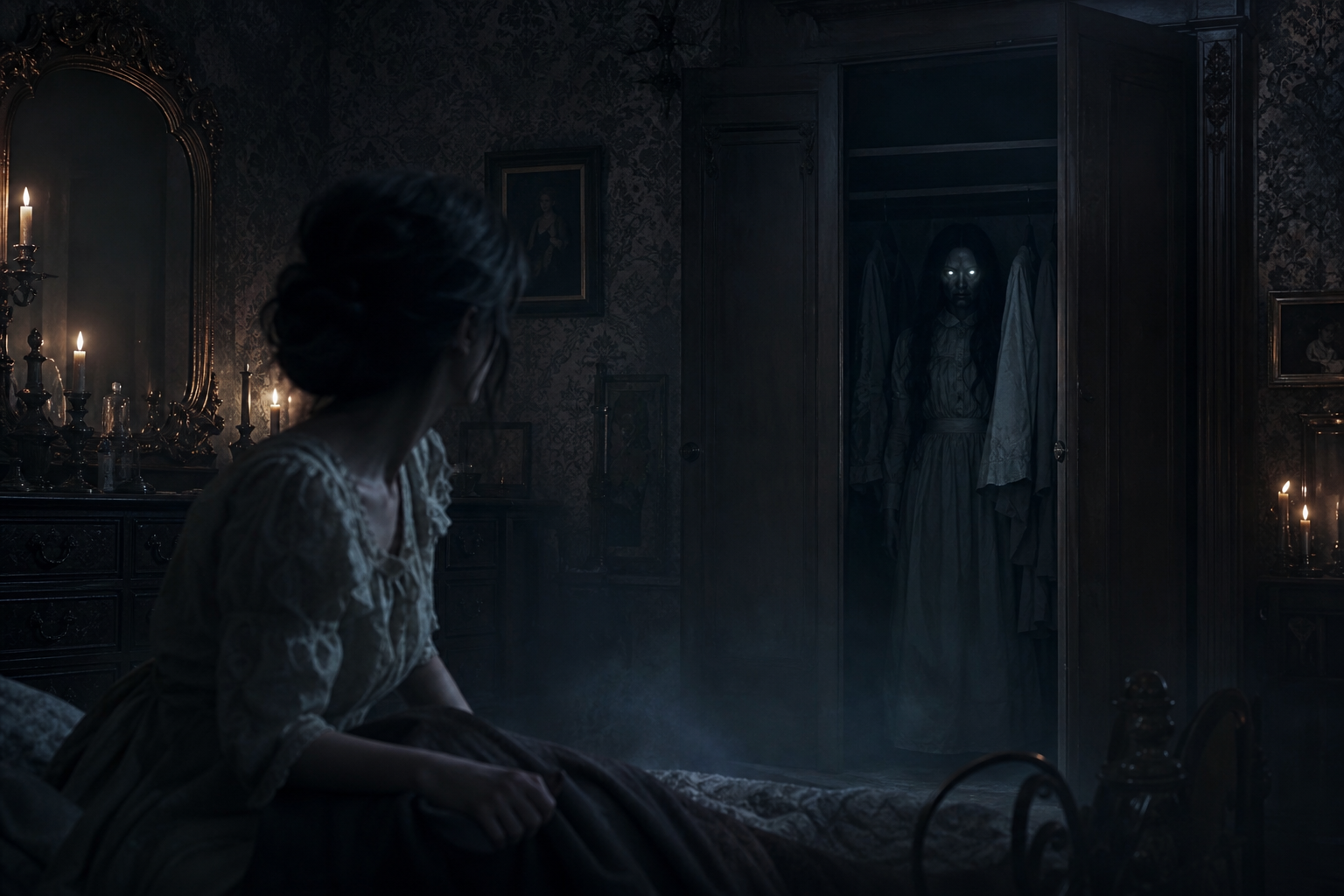
    The account, recently shared within the paranormal community, details a haunting that began at the age of four. In a childhood home now long abandoned, the witness describes a closet that remained perpetually open, serving as a frame for a terrifying figure. This was not a fleeting shadow or a trick of the light, but a consistent, stationary apparition with stark white skin and long, cascading black hair. Most unsettling was the entity’s single eye—a piercing white dot that glowed in the pitch black, fixed intently on the child across the room.

    The Watcher in the Closet

    In the realm of paranormal research, this type of encounter is often categorized under “Bedroom Invaders.” Unlike typical hauntings where spirits might move objects or make noise, these entities seem to feed on the psychological distress of being watched. The witness recalls a specific, chilling detail: the woman’s hand would rest perpetually on the closet door frame, yet she never moved. This static manifestation created a grueling atmosphere of suspense that lasted for years.

    To cope with the overwhelming fear, the child adopted a survival tactic common among those experiencing supernatural phenomena: pretending the entity wasn’t there. By closing their eyes and feigning sleep, the witness managed to endure the nightly vigils of the pale woman. This psychological shielding is a frequent theme in childhood hauntings, where the victim believes that acknowledging the spirit will grant it more power over the physical realm.

    A Thinning Veil and the Physical Escalation

    The nature of the haunting shifted dramatically during a period of family crisis. As the witness’s grandmother lay dying in the hospital, the energy in the house seemed to reach a breaking point. Paranormal experts often note that liminal events—such as a death in the family—can thin the veil between worlds, allowing entities to cross over with greater ease. On this particular night, the woman in the closet was no longer content to stay in the shadows.

    The witness describes the entity stepping further out into the room than ever before. In a terrifying climax, the figure suddenly sprinted across the floor and jumped directly onto the child’s bed. The spectral attacker was inches from the witness’s face before everything went black. This physical escalation is rare in “watcher” cases and suggests a transition from a passive haunting to a more aggressive, poltergeist-like interaction.

    The Prophetic Dream and the Monkey

    Following the attack, the witness entered a vivid, cinematic dream state that felt more like a clairvoyant vision than a standard nightmare. In the dream, the house was eerily silent and empty of family members. The “camera” of the witness’s mind zoomed in on specific objects that did not exist in their reality: a wicker high chair and two stuffed animals, one of which was a distinct stuffed monkey. The dream ended in a fit of hysterics, and upon waking, the woman in the closet had vanished forever.

    The story took its most chilling turn six years later. At age ten, living in an entirely different house, the witness discovered the exact stuffed monkey from the dream. This phenomenon, known as paranormal synchronicity, suggests that the entity may have been tied to a future event or a different timeline altogether. The visceral reaction to the object—an immediate sense of dread—led the witness to dispose of it, though the psychological scars of the encounter remain.

    Understanding the Pale Lady Archetype

    The description of the woman—white skin, long black hair, and a singular glowing eye—shares striking similarities with various urban legends and folklore, such as the Japanese Yurei or the “White Lady” ghosts found globally. However, the singular glowing eye and the specific connection to a childhood toy suggest a more personal, perhaps attachment-based haunting. Some researchers believe these entities are “thought-forms” or tulpas, fueled by the intense fears and imaginative energy of a child.

    Today, the witness remains profoundly affected, suffering from a lifelong fear of the dark that triggers intense emotional distress. The case serves as a grim reminder that for some, the monsters in the closet don’t just disappear when the sun comes up; sometimes, they follow us into our dreams and wait years to reappear in the physical world.

    Have you ever encountered a “watcher” in your home that seemed to know things about your future, or found an object from a dream in real life? Share your experiences in the comments below.

    Recommended Resources

    • 🤖 Viktor AI — The autonomous AI platform we use to run our marketing operations. Hire Viktor to handle blogging, lead research, audits, and more.
    • 💳 Greenlight — The money app and debit card for kids and teens. Teach your kids to earn, save, and invest. Earn $30 when you sign up.
    • ⛏️ GoMining — Earn Bitcoin through cloud mining without the hardware hassle. A passive way to get into crypto.
    • 🏦 Mercury — The business banking account built for startups and small businesses. No fees, powerful tools, and easy to set up.
  • Why Azazel Remains the Most Terrifying Villain in Supernatural History

    Why Azazel Remains the Most Terrifying Villain in Supernatural History

    In the vast landscape of television horror, few figures have cast a shadow as long or as chilling as the Yellow-Eyed Demon. Long before the Winchester brothers were battling cosmic entities and primordial darkness, they were two men in a black Impala hunting a single, elusive nightmare. While the series Supernatural spanned fifteen seasons and introduced a pantheon of gods and monsters, fans still point to the early years as the pinnacle of the show’s atmospheric dread.

    The primary architect of that dread was Azazel, a villain whose presence was felt long before his face was ever clearly seen. For many viewers, he remains the definitive antagonist of the series, representing a time when the paranormal felt intimate, dangerous, and deeply personal. Unlike the world-ending threats that followed, Azazel didn’t just want to destroy the world; he wanted to destroy a family, and that specificity made him infinitely more terrifying.

    The Personal Stakes of the Yellow-Eyed Demon

    What set Azazel apart from later villains like Lucifer or Dick Roman was his direct connection to the Winchester bloodline. The story of Supernatural began not with a war in heaven, but with a nursery fire and a mother pinned to the ceiling. This act of violence defined Sam and Dean Winchester, turning their lives into a lifelong quest for vengeance. Because Azazel was the catalyst for their entire journey, every encounter with him felt heavy with emotional weight.

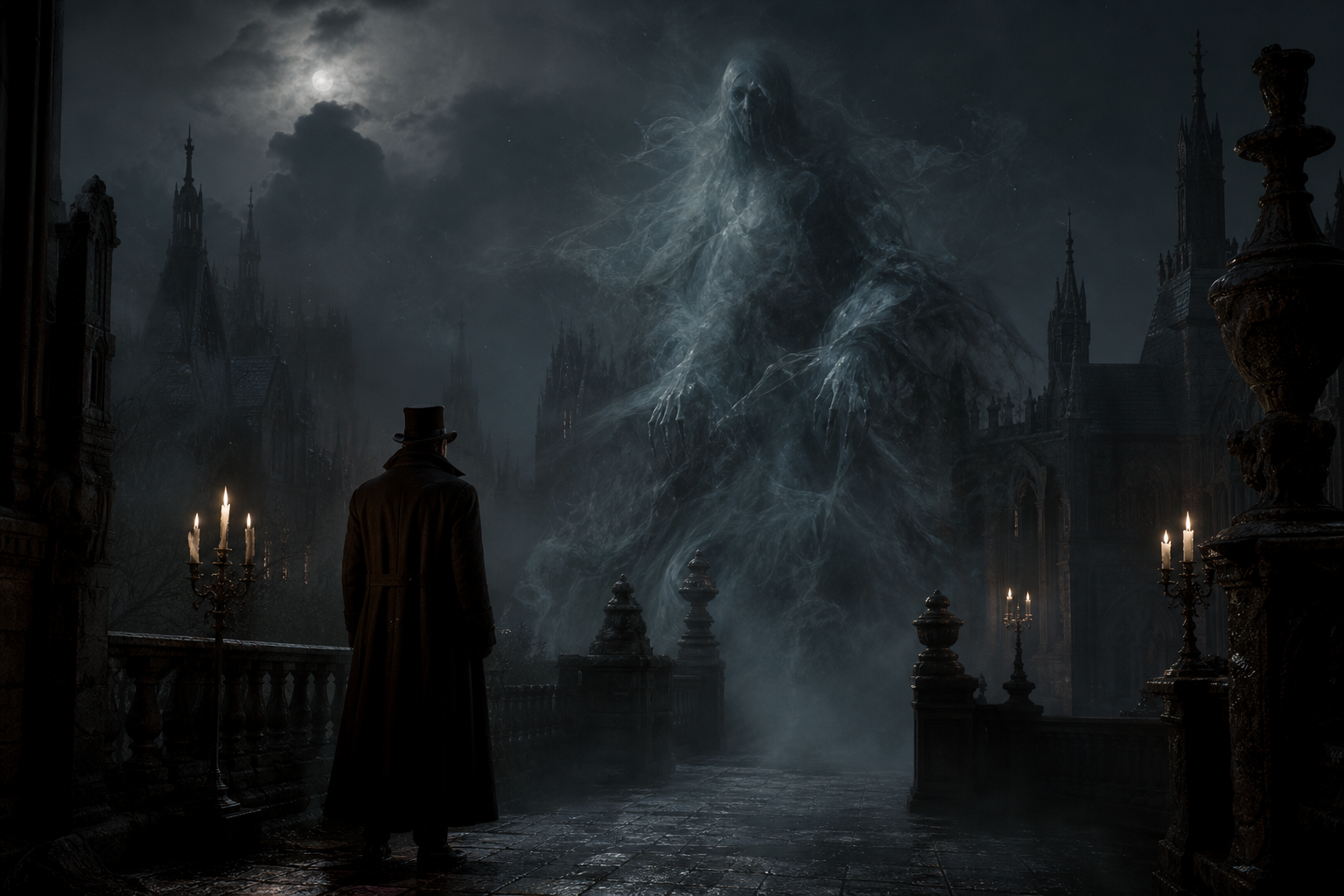
    In the early seasons, the show leaned heavily into urban legends and folklore, maintaining a gritty, “roadhouse horror” aesthetic. Azazel fit perfectly into this world as a whispering shadow in the corner of the room. He wasn’t a distant deity; he was a predator who had been watching the brothers since they were infants. This sense of being hunted by something that knew your deepest secrets created a level of tension that the show struggled to replicate once the stakes shifted to a global scale.

    Horror Roots vs. Cosmic Escalation

    As the series progressed, the power scaling of the villains increased exponentially. We saw the introduction of Archangels, Leviathans, and eventually, the Creator himself. While these characters were formidable, they often lacked the visceral horror that Azazel brought to the screen. The Yellow-Eyed Demon operated in the shadows, utilizing demonic possession to turn loved ones against each other, making the viewer feel that no one was truly safe.

    The early seasons of the show were deeply rooted in the paranormal traditions of the American backwoods. Azazel felt like a campfire story come to life—a malevolent spirit that you might actually encounter on a lonely stretch of highway. When the show transitioned into high-fantasy territory, it lost some of that grounded, claustrophobic fear. Azazel didn’t need to rewrite reality to be scary; he just needed a smirk and a flash of sulfurous yellow eyes.

    The Real-World Lore of Azazel

    The writers of Supernatural didn’t pull the name Azazel out of thin air. In ancient demonology and various religious texts, Azazel is often depicted as a powerful fallen angel or a desert demon. In the Book of Enoch, he is credited with teaching humanity how to forge weapons and cosmetics, leading to a corruption of the natural order. This historical weight added an extra layer of menace to the character, grounding the fictional villain in centuries of actual human belief and superstition.

    In the context of the show, Azazel was revealed to be a Prince of Hell, a high-ranking general in the infernal hierarchy. His mission to find the “Special Children”—individuals like Sam who were fed demon blood—introduced a dark destiny trope that kept fans theorizing for years. This plotline tapped into the fear of the “other” within oneself, suggesting that the greatest monster might not be under the bed, but inside your own veins.

    Why Simplicity Outshines Omnipotence

    There is a common trope in horror where the more you explain a monster, the less scary it becomes. Azazel benefited from the mystery of the early seasons. For a long time, the brothers didn’t even know his name; he was simply the thing that killed their mother. Even the weapon required to kill him, the legendary Colt, carried a sense of mythic importance that made the eventual confrontation feel like a monumental event in paranormal history.

    By the time the Winchesters were fighting literal gods, the “villain of the season” formula had become somewhat predictable. Azazel, however, represented a time when the supernatural felt truly unknown and unbeatable. He wasn’t just a boss to be defeated at the end of a level; he was a trauma that the characters had to live through. His legacy continued to haunt the brothers long after his death in the Season 2 finale, proving that a well-crafted villain leaves a scar that never quite heals.

    Looking back at the long history of the Winchester brothers, it’s clear that while many monsters crossed their paths, only one truly changed them forever. Azazel remains the gold standard for what a paranormal antagonist should be: mysterious, personal, and genuinely haunting.

    Do you think the later seasons of Supernatural lost their edge by moving away from the grounded horror of Azazel, or did the cosmic stakes make the show better?

    Recommended Resources

    • 🤖 Viktor AI — The autonomous AI platform we use to run our marketing operations. Hire Viktor to handle blogging, lead research, audits, and more.
    • 💳 Greenlight — The money app and debit card for kids and teens. Teach your kids to earn, save, and invest. Earn $30 when you sign up.
    • ⛏️ GoMining — Earn Bitcoin through cloud mining without the hardware hassle. A passive way to get into crypto.
    • 🏦 Mercury — The business banking account built for startups and small businesses. No fees, powerful tools, and easy to set up.
  • Goldie Hawn’s Alien Encounter: The Star’s Close Encounter of the Third Kind

    Goldie Hawn’s Alien Encounter: The Star’s Close Encounter of the Third Kind

    In the glitzy world of Hollywood, stories of the supernatural are often dismissed as publicity stunts or overactive imaginations, but when an icon like Goldie Hawn speaks, the world tends to listen. During a recent appearance on Jimmy Kimmel Live!, the Academy Award-winning actress shared a deeply personal and chilling account of an extraterrestrial encounter that has left both skeptics and believers questioning the boundaries of our reality. This wasn’t a script from a sci-fi blockbuster; for Hawn, this was a visceral, life-altering experience that occurred long before she became a household name.

    The Night in Westbury: A High-Pitched Invitation

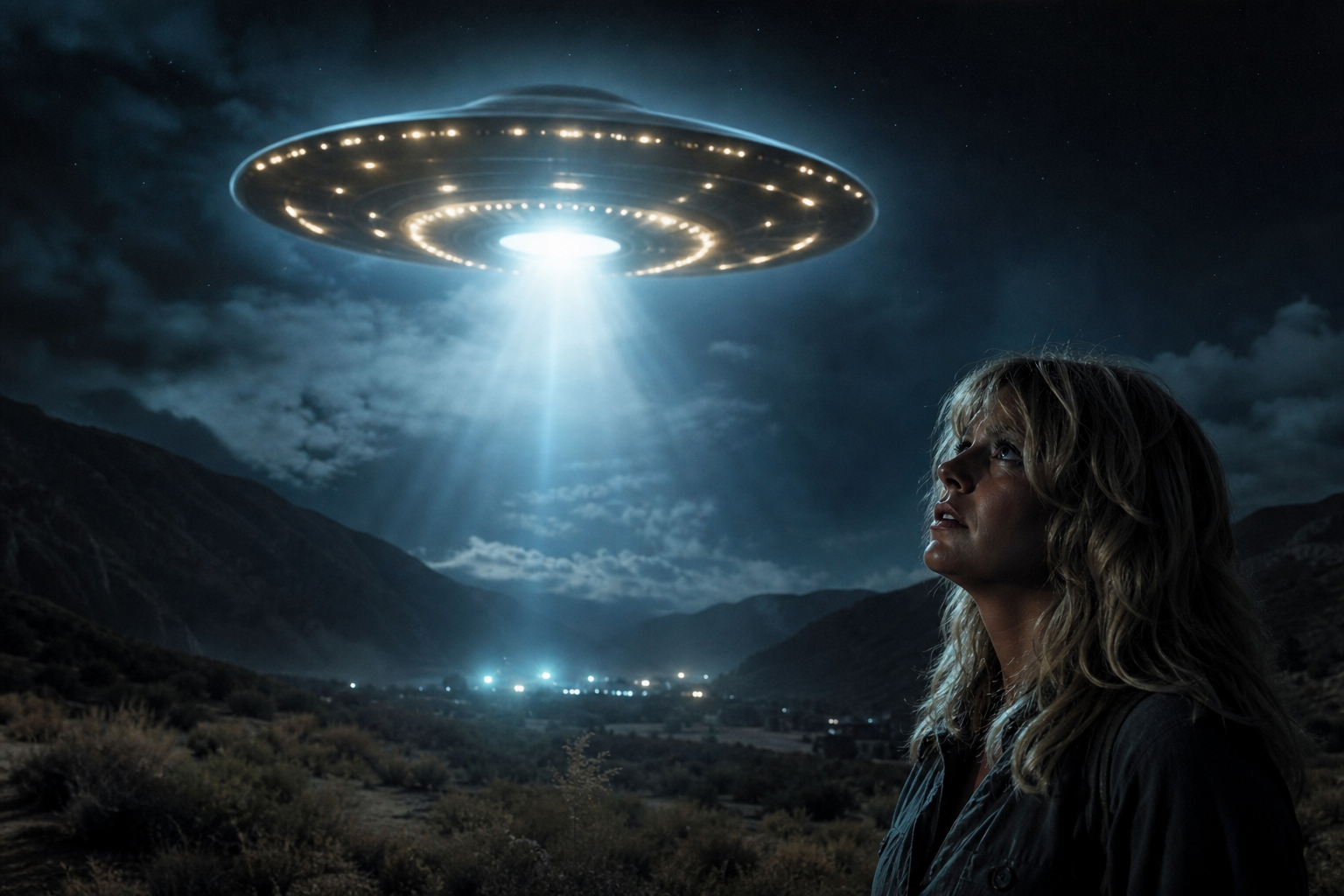
    The incident dates back to the early 1960s, a time when Hawn was a young dancer working in Westbury, Long Island. After a grueling rehearsal, she decided to take a nap in a friend’s car, seeking a moment of peace in the quiet New York suburb. However, the silence was soon shattered by a sound that defied earthly explanation. Hawn described hearing a piercing, high-pitched frequency that seemed to vibrate through her entire body, signaling that she was no longer alone in the vehicle.

    As she looked out the window, the mundane surroundings of Long Island vanished, replaced by the presence of entities that seemed to step out of a fever dream. Hawn recounted seeing two or three triangular-headed beings peering through the glass. These visitors didn’t possess the typical “Grey” features often depicted in modern cinema; instead, they had silver skin, no visible noses, and slits for mouths. Their eyes, however, were the most striking feature—dark and filled with an intelligence that felt both ancient and overwhelming.

    The actress noted that while the situation should have been terrifying, she felt a strange sense of paralysis combined with an inexplicable calm. The beings reached out and touched her face, a gesture she described as feeling like the “finger of God.” This physical contact was not aggressive but felt like a profound energetic exchange, a moment of connection between two vastly different species.

    Classifying the Close Encounter of the Third Kind

    To understand the weight of Hawn’s story, one must look at the Hynek Scale, developed by renowned astronomer and ufologist Dr. J. Allen Hynek. According to this classification system, Hawn’s experience qualifies as a Close Encounter of the Third Kind—an event where an observer sees not just a craft, but the actual occupants of an unidentified flying object. While many people report seeing lights in the sky (First Kind) or physical traces left behind (Second Kind), direct interaction with entities remains the rarest and most controversial form of contact.

    Hawn’s description of the “triangular heads” is particularly interesting to researchers in the UFO community. While the “Grey” alien with the bulbous head is the most common archetype, reports of beings with geometric or angular features have surfaced in various abduction narratives throughout the decades. The silver, metallic sheen of their skin also aligns with several high-profile cases from the mid-20th century, suggesting a consistency in these sightings that spans across different witnesses who have never met.

    A Pattern of Celebrity Sightings

    Goldie Hawn is far from the only A-lister to claim a brush with the unknown. Her long-time partner, Kurt Russell, famously reported seeing the Phoenix Lights in 1997 while piloting his private plane. Other stars, including William Shatner and Demi Lovato, have also come forward with their own accounts of Unidentified Aerial Phenomena (UAP). This growing trend of public figures sharing their paranormal experiences is helping to strip away the stigma that has long surrounded the topic of alien visitation.

    For Hawn, the encounter wasn’t just a fleeting moment of weirdness; it became a cornerstone of her spiritual outlook. She has often spoken about the “oneness” of the universe and the idea that humanity is part of a much larger, interconnected cosmic tapestry. By sharing her story on a platform as massive as late-night television, she invites the public to move past the “little green men” tropes and consider the possibility that these visitors might be interdimensional beings or advanced explorers observing our evolution.

    The Lasting Impact of the Unknown

    Decades after that night in Westbury, the memory remains as vivid for Hawn as if it happened yesterday. She told Kimmel that she eventually visited a UFO researcher to discuss the event, seeking to validate the “missing time” and the physical sensations she experienced. The fact that she waited so long to share the full details of the encounter speaks to the deeply personal nature of the event—it wasn’t a story for entertainment, but a truth she had to process for herself.

    As we continue to see more declassified government documents and military footage of UAPs, stories like Goldie Hawn’s provide the human element that data points often lack. They remind us that behind every grainy video or radar blip, there are individuals whose lives have been forever changed by a glimpse into the extraordinary. Whether these beings are benevolent watchers or something more mysterious, their presence continues to haunt and inspire the human imagination.

    Do you believe that Goldie Hawn’s experience was a genuine physical encounter, or could it have been a vivid, spiritually-charged dream brought on by the era’s growing fascination with the stars?

    Recommended Resources

    • 🤖 Viktor AI — The autonomous AI platform we use to run our marketing operations. Hire Viktor to handle blogging, lead research, audits, and more.
    • 💳 Greenlight — The money app and debit card for kids and teens. Teach your kids to earn, save, and invest. Earn $30 when you sign up.
    • ⛏️ GoMining — Earn Bitcoin through cloud mining without the hardware hassle. A passive way to get into crypto.
    • 🏦 Mercury — The business banking account built for startups and small businesses. No fees, powerful tools, and easy to set up.
  • Best Professional Ghost Hunting Cameras: Why 3CCD Tech Still Rules

    Best Professional Ghost Hunting Cameras: Why 3CCD Tech Still Rules

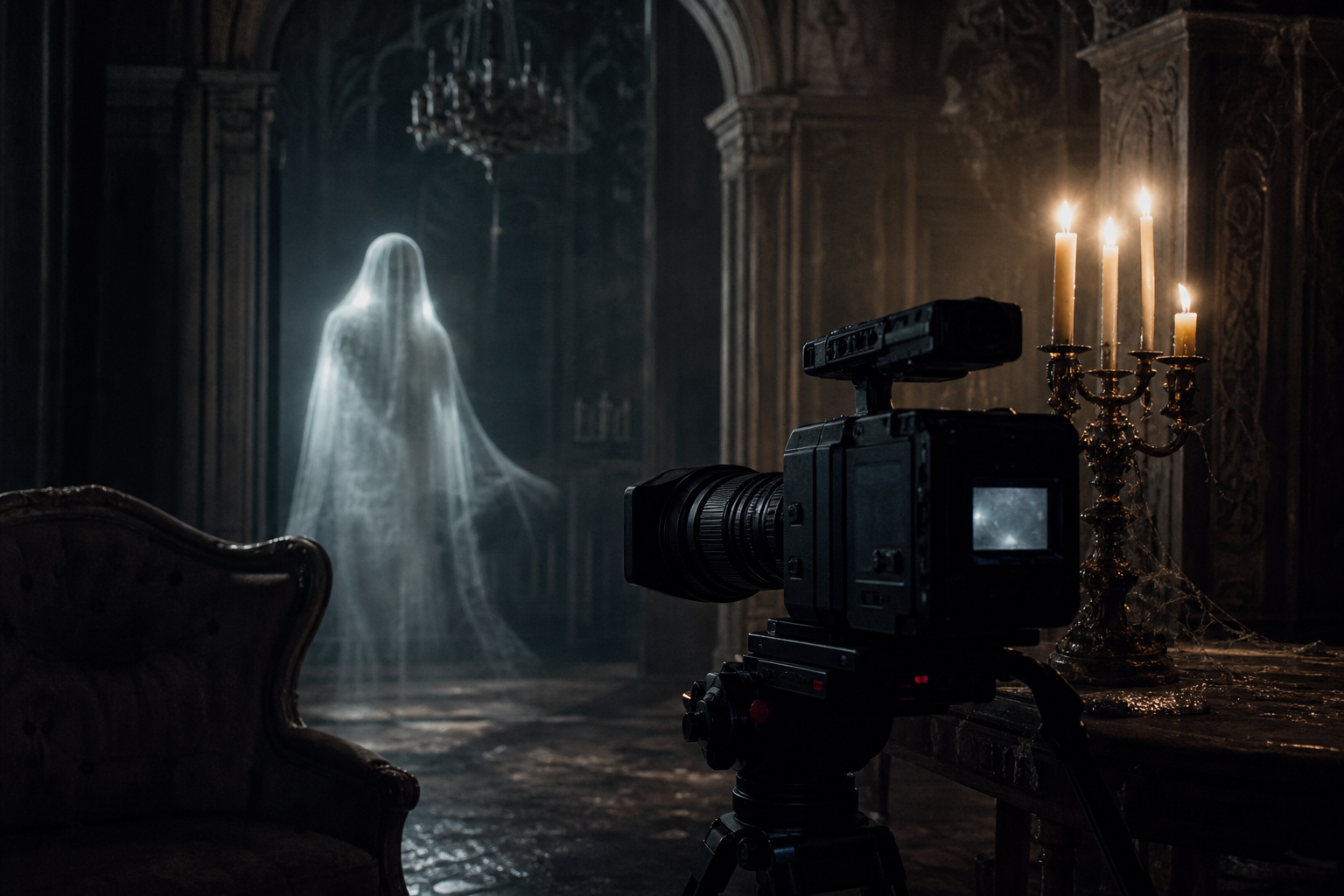
    In the high-stakes world of paranormal investigation, the difference between a definitive capture and a “lens flare” often comes down to the glass and sensors inside the camera. While modern smartphones boast incredible resolution, a growing community of veteran researchers is looking backward to a specific era of digital recording to find the ultimate tool for documenting the unknown. The 3CCD camera, once the gold standard for television news and independent filmmaking, is seeing a massive resurgence as the preferred weapon of choice for professional ghost hunters.

    The Technical Edge: Why 3CCD Sensors Outshine Modern CMOS

    To understand why a piece of “vintage” tech is dominating the paranormal field, one must look at how images are processed. Most modern cameras use a single CMOS sensor (Complementary Metal-Oxide-Semiconductor) that uses a Bayer filter to guess colors. In contrast, a 3CCD system uses a dichroic prism to split incoming light into three distinct beams: red, green, and blue. Each beam is then processed by its own dedicated Charge-Coupled Device sensor, resulting in superior color accuracy and significantly less digital noise.

    For a paranormal investigator, “noise” is the enemy. When filming in low-light environments—the natural habitat of the Electronic Voice Phenomenon (EVP) and physical manifestations—modern sensors often create “grain” that can be mistaken for orbs or misty figures. The 3CCD architecture provides a cleaner, more organic image. This clarity allows researchers to distinguish between a speck of dust reflecting an infrared light and a genuine apparition manifesting in a darkened hallway.

    A Legacy of Professionalism: From Broadcast to the Beyond

    The 3CCD movement is largely centered around legendary camcorders like the Panasonic AG-DVX100 and the Sony VX2100. These weren’t toys; they were the workhorses of the early 2000s broadcast industry. Their popularity in the paranormal community isn’t just about the sensors, but the high-quality optical glass lenses that accompany them. These lenses allow for a depth of field and light sensitivity that tiny smartphone apertures simply cannot replicate.

    Historically, the shift toward these cameras began when early “ghost hunting” television shows needed equipment that could survive rugged environments while providing broadcast-quality footage. Investigators realized that the low-light sensitivity of these specific models was unparalleled. Even without Full Spectrum modifications, a 3CCD camera can “see” into the shadows with a level of detail that preserves the texture of the environment, making any anomalous movement stand out with startling clarity.

    The “Look” of the Paranormal: Authenticity in the Digital Age

    There is also a psychological component to the use of 3CCD technology. In an era of CGI and sophisticated mobile filters, footage captured on a professional-grade camcorder carries a weight of authenticity. The interlaced video format and the specific color science of these cameras create a visual aesthetic that many associate with the “golden age” of paranormal research. It feels grounded, tangible, and most importantly, difficult to fake.

    Furthermore, these cameras often feature XLR audio inputs, allowing investigators to plug in professional-grade microphones. This integration is crucial for capturing disembodied voices or subtle environmental shifts that occur during a haunting. By syncing high-fidelity audio with the superior 3CCD video, researchers create a comprehensive record of an event that stands up to much more rigorous scrutiny than a shaky, compressed clip from a social media app.

    Is Older Tech the Future of Ghost Hunting?

    As we move further into the digital frontier, the reliance on 3CCD technology highlights a fascinating trend: the most advanced tool isn’t always the newest one. For the serious paranormal researcher, the goal isn’t just to record a video, but to capture data that is as close to reality as possible. The 3CCD sensor remains a pinnacle of light-processing technology that, for many, has yet to be surpassed in the specific, shadowy conditions of a haunted location.

    Whether you are exploring a derelict asylum or a private residence with a history of poltergeist activity, the equipment you carry defines the validity of your findings. The 3CCD camera represents a bridge between the analog past and the digital future, providing a reliable, high-quality window into the world of the unseen. As more investigators rediscover these professional tools, we may be on the verge of a new era of high-definition evidence that finally provides the proof the world has been waiting for.

    Do you believe that older, professional-grade technology provides more reliable paranormal evidence than the latest high-resolution smartphones?

    Recommended Resources

    • 🤖 Viktor AI — The autonomous AI platform we use to run our marketing operations. Hire Viktor to handle blogging, lead research, audits, and more.
    • 💳 Greenlight — The money app and debit card for kids and teens. Teach your kids to earn, save, and invest. Earn $30 when you sign up.
    • ⛏️ GoMining — Earn Bitcoin through cloud mining without the hardware hassle. A passive way to get into crypto.
    • 🏦 Mercury — The business banking account built for startups and small businesses. No fees, powerful tools, and easy to set up.
  • Mothman Spotted at Open-Mic Night? The Cryptid’s Surprising New Hobbies

    Mothman Spotted at Open-Mic Night? The Cryptid’s Surprising New Hobbies

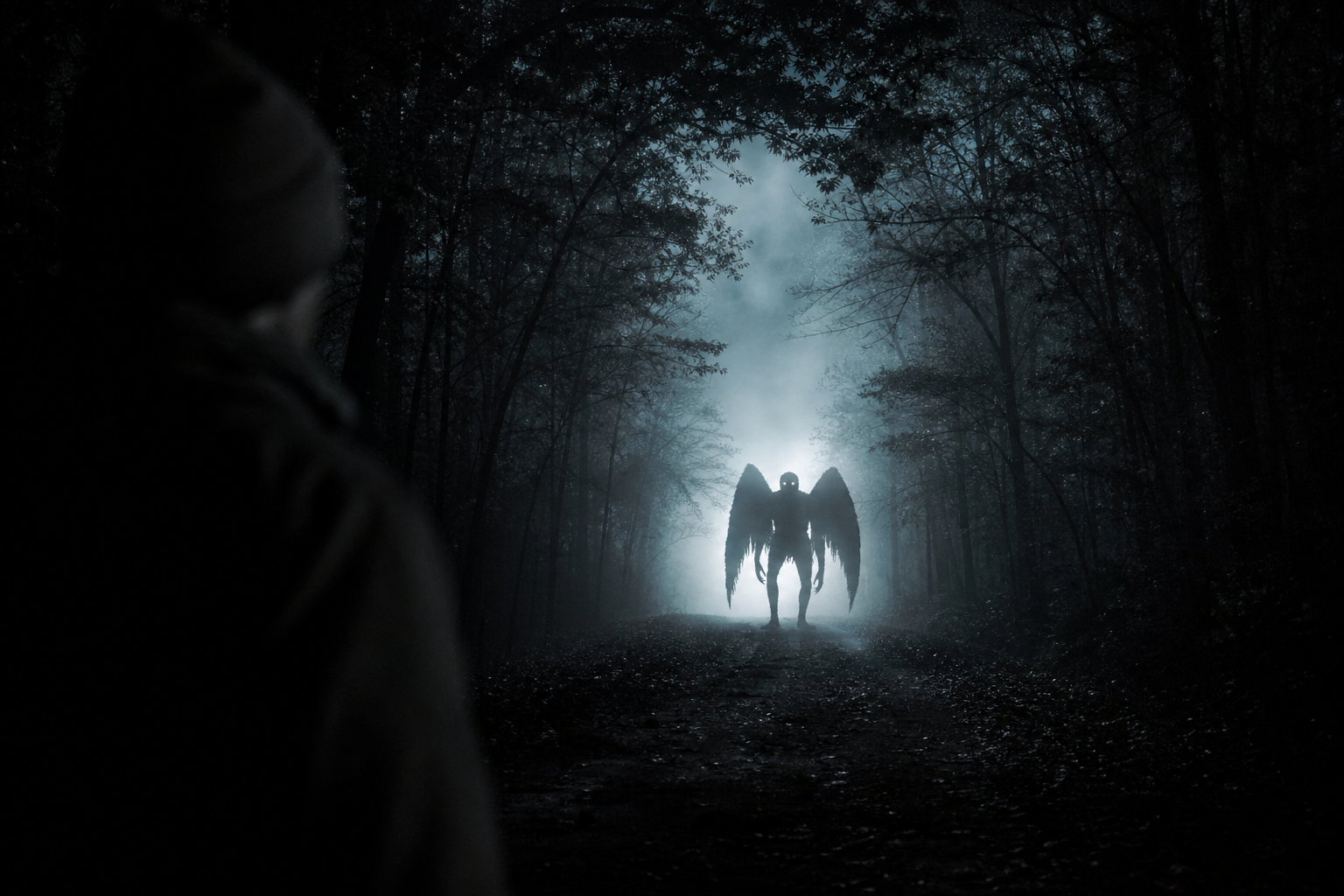
    Since the late 1960s, the winged shadow known as the Mothman has haunted the collective consciousness of paranormal enthusiasts and skeptics alike. Usually associated with impending tragedy and those piercing, glowing red eyes, a startling new “sighting” suggests the creature might have a softer, more musical side. While the legend began in the dark woods of West Virginia, the latest iteration of this winged wonder is taking the stage at an open-mic night.

    The Dark Legacy of the Point Pleasant Prophet

    To understand why a guitar-strumming cryptid is such a departure from tradition, one must look back at the chilling events of 1966. In Point Pleasant, West Virginia, two young couples first reported seeing a “man-sized, bird-like creature” with a ten-foot wingspan. For thirteen months, the town was gripped by fear as sightings of the entity coincided with strange lights in the sky and reports of Men in Black patrolling the streets.

    The reign of terror culminated in the tragic collapse of the Silver Bridge in December 1967, an event many believe the creature was trying to warn the town about—or perhaps even caused. Since then, the Mothman has been cemented in folklore as a harbinger of doom, a silent watcher who appears only when catastrophe is imminent. This dark reputation has fueled books, movies, and countless late-night investigations into the TNT Area where the beast was said to roost.

    A New Tune for a Classic Cryptid

    However, the modern era of paranormal fandom is beginning to see the Mothman in a different light. No longer just a figure of fear, the creature has become a cult icon, celebrated for its mystery rather than its malice. This cultural shift has paved the way for artists like Joshua R. Pinkas, the creative force behind Frost Dragon Designs, to reimagine the legend for a new generation of enthusiasts.

    Pinkas recently unveiled a whimsical take on the legend: a “cute” version of the Mothman performing at an open-mic night. Swapping the terrifying shrieks of the 1960s for an acoustic guitar, this version of the cryptid suggests that even the most misunderstood monsters might have hobbies of their own. The design is part of an upcoming series titled “The Many Hobbies of Mothman,” which seeks to humanize the winged enigma in ways the original witnesses never could have imagined.

    From Urban Legend to Enamel Icon

    The project, which is set to launch on the crowdfunding platform Backerkit this June, features the Mothman engaging in a variety of relatable activities. Beyond his musical aspirations, the collection includes enamel pins depicting the creature reading books, playing video games, and even riding a bicycle. It is a stark contrast to the grainy, terrifying sketches that filled newspapers over fifty years ago.

    This trend of “cute cryptids” isn’t just about aesthetics; it represents a broader movement in the paranormal community to reclaim these stories. By turning a figure of dread into a relatable character, fans are able to engage with the folklore in a way that feels personal and accessible. Whether he is strumming a folk song or pedaling through the woods, this version of the Mothman invites us to wonder what these entities do when they aren’t busy haunting our dreams.

    The Psychology of Reimagining Monsters

    Why are we so drawn to making our monsters adorable? Psychologists suggest that by “taming” a legend like the Mothman, we are able to process the unknown with less anxiety. The paranormal is inherently frightening because it defies explanation, but a Mothman who enjoys a good book or a video game is something we can understand. It bridges the gap between the terrifying supernatural world and our own mundane reality.

    As the “Many Hobbies of Mothman” project prepares for its summer debut, it serves as a reminder that legends are never static. They grow, they change, and sometimes, they pick up a guitar. While we may never know the true nature of the entity that stalked Point Pleasant in 1966, we can now appreciate the creature as a versatile icon of modern folklore, capable of both chilling our blood and warming our hearts.

    If the Mothman really did have a secret hobby that no one has discovered yet, what do you think it would be? Let us know your theories in the comments below!

    Recommended Resources

    • 🤖 Viktor AI — The autonomous AI platform we use to run our marketing operations. Hire Viktor to handle blogging, lead research, audits, and more.
    • 💳 Greenlight — The money app and debit card for kids and teens. Teach your kids to earn, save, and invest. Earn $30 when you sign up.
    • ⛏️ GoMining — Earn Bitcoin through cloud mining without the hardware hassle. A passive way to get into crypto.
    • 🏦 Mercury — The business banking account built for startups and small businesses. No fees, powerful tools, and easy to set up.
  • Apollo 12 Moon Mission UFOs: Analyzing Mysterious Lunar Anomalies

    Apollo 12 Moon Mission UFOs: Analyzing Mysterious Lunar Anomalies

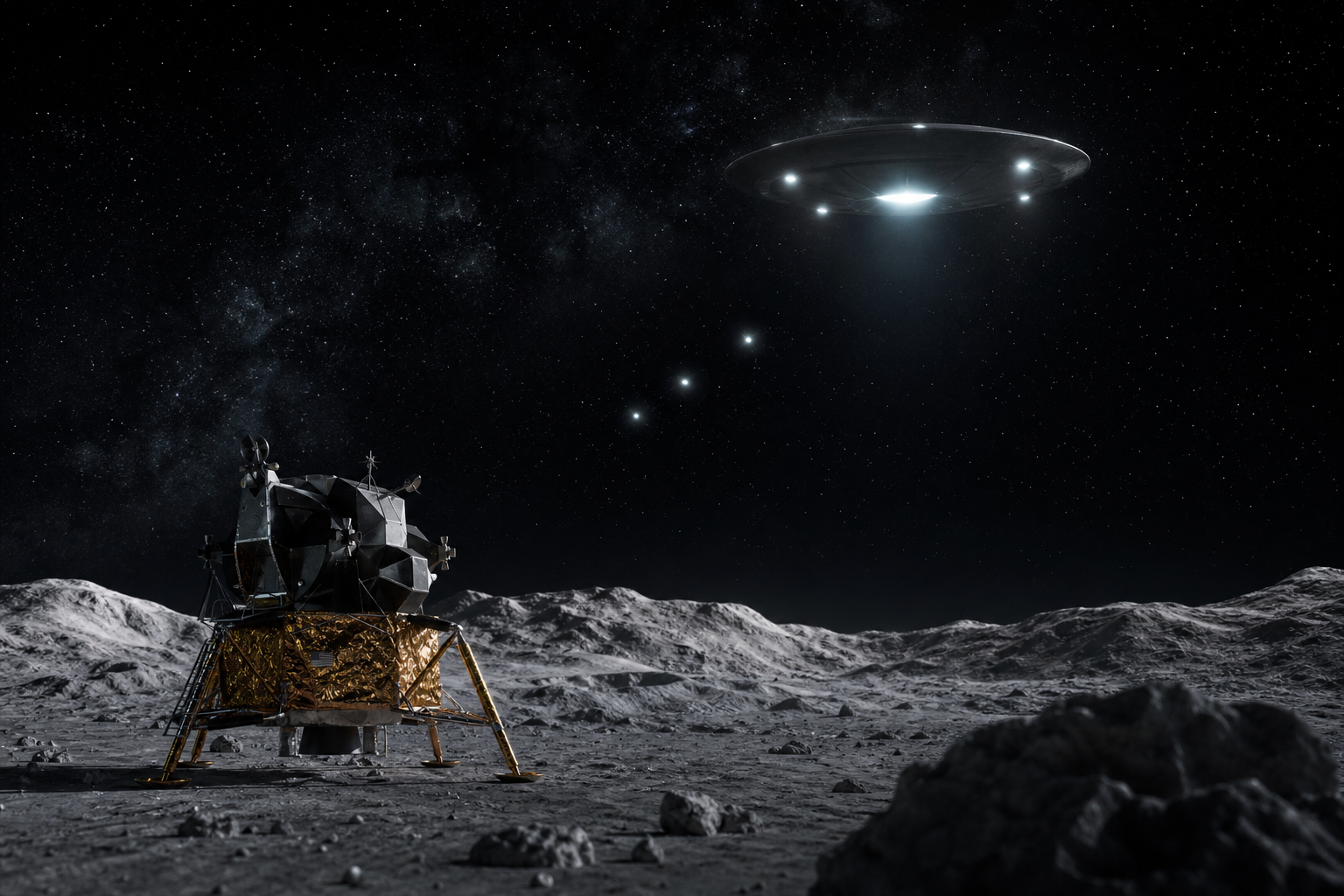
    In November 1969, the world watched in awe as the Apollo 12 mission successfully touched down on the lunar surface, marking humanity’s second triumphant visit to the Moon. While often overshadowed by the historic “giant leap” of Apollo 11, this mission carried a unique set of objectives and, according to some researchers, captured far more than just craters and dust. Decades later, a series of high-resolution photographs from the mission have resurfaced in paranormal circles, sparking intense debate over what appears to be unexplained aerial phenomena hovering in the lunar sky.

    The crew, consisting of Pete Conrad, Alan Bean, and Richard Gordon, was tasked with a precision landing in the Ocean of Storms. Their primary goal was to recover parts from the Surveyor 3 probe, which had landed on the Moon two years prior. However, as modern digital scanning technology allows us to peer deeper into the original Hasselblad camera film, strange geometric shapes and luminous orbs have begun to emerge from the black void of the lunar horizon, leading many to wonder if the astronauts were truly alone.

    The Ocean of Storms and the Unseen Observers

    The Apollo 12 mission was defined by its technical mastery, but it was also plagued by strange occurrences from the very beginning. Shortly after liftoff, the Saturn V rocket was struck by lightning twice, nearly jeopardizing the entire mission. Once the crew reached the Moon, the visual record they brought back became the subject of intense scrutiny. In several frames, particularly those overlooking the Surveyor Crater, researchers have pointed to anomalous lights that do not seem to align with the position of the Sun or the lunar module.

    These anomalies often manifest as bright, structured objects that appear to be hovering at high altitudes. Unlike the grainy footage of modern “leaked” videos, these images come directly from the NASA archives, captured on high-quality 70mm film. Skeptics often dismiss these sightings as lens flares or internal reflections within the camera’s optics. Yet, the geometric consistency of some of these shapes—resembling triangles or interconnected spheres—suggests something far more physical than a mere trick of the light.

    One of the most famous images from the mission shows an astronaut standing near the Surveyor 3 probe with a bright, multi-colored streak in the background. While NASA officially classifies these as photographic artifacts, the “UFO” community argues that the trajectory and luminosity of these objects suggest controlled movement. If these were indeed extraterrestrial craft, it would imply that a non-human intelligence was monitoring our early steps into the cosmos with great interest.

    Technological Glitches or Extraterrestrial Craft?

    To understand the mystery of the Apollo 12 photos, one must understand the environment of the Moon. Without an atmosphere to scatter light, objects in the distance remain incredibly sharp, and shadows are pitch black. This creates a unique challenge for photography, but it also makes it harder to explain away “blurs.” When a lunar anomaly appears with a distinct shadow or a metallic sheen, it defies the standard explanation of dust on the lens.

    During the mission, the astronauts also experienced a significant equipment failure when their color television camera was accidentally pointed at the Sun, rendering it useless. This left the world relying almost exclusively on the still photographs brought back to Earth. Some theorists suggest that the “accident” was a convenient way to prevent live broadcasts of Unidentified Aerial Phenomena (UAP) that were pacing the Command Module, Yankee Clipper, during its orbit.

    Similar reports have surfaced from other missions, most notably Apollo 11, where Buzz Aldrin famously described seeing a “light that seemed to be moving alongside” the spacecraft. If Apollo 12 encountered similar phenomena, it would establish a pattern of surveillance. The Lunar Reconnaissance Orbiter has since mapped the Moon in incredible detail, yet these specific historical anomalies remain some of the most compelling evidence for those who believe the Moon is a “base” for advanced civilizations.

    The Legacy of the Apollo Anomalies

    The study of Apollo-era UFOs has seen a resurgence thanks to the Disclosure Project and the recent declassification of UAP reports by the Pentagon. While the government focuses on modern sightings, independent researchers are looking backward, realizing that the evidence may have been hiding in plain sight for over fifty years. The Apollo 12 photos represent a time when humanity was at its most vulnerable and exposed, venturing into a frontier that may have already been occupied.

    Whether these images depict secret military technology, optical illusions, or genuine alien craft, they continue to challenge our understanding of the Moon. The precision of the Apollo 12 landing proved we could reach specific targets on another world, but the photos they brought back suggest we might have been the ones being targeted for observation. As we prepare for the Artemis missions to return to the lunar surface, these vintage mysteries take on a new level of urgency.

    Are we prepared to face what the Apollo 12 astronauts might have captured in the shadows of the Ocean of Storms? Do you believe these lunar anomalies are mere camera glitches, or is there a hidden history of the Moon that NASA has yet to reveal to the public?

    Recommended Resources

    • 🤖 Viktor AI — The autonomous AI platform we use to run our marketing operations. Hire Viktor to handle blogging, lead research, audits, and more.
    • 💳 Greenlight — The money app and debit card for kids and teens. Teach your kids to earn, save, and invest. Earn $30 when you sign up.
    • ⛏️ GoMining — Earn Bitcoin through cloud mining without the hardware hassle. A passive way to get into crypto.
    • 🏦 Mercury — The business banking account built for startups and small businesses. No fees, powerful tools, and easy to set up.
  • NASA Apollo UFO Photos: Declassified Images and Astronaut Encounters

    NASA Apollo UFO Photos: Declassified Images and Astronaut Encounters

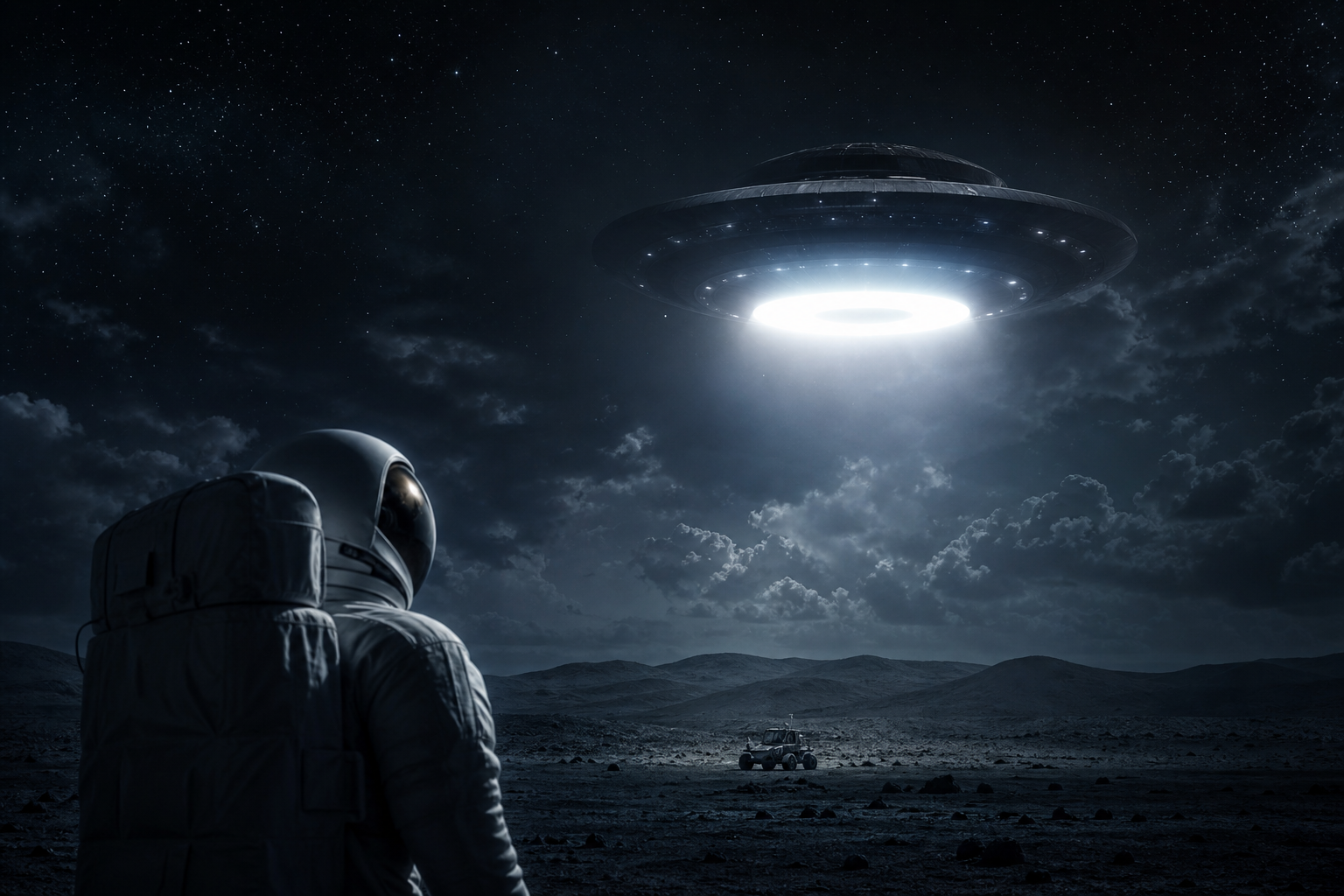
    When we look back at the golden age of space exploration, we often focus on the “giant leap for mankind” and the technical triumphs of the Apollo program. However, hidden within the vast archives of NASA mission photography and once-classified documents lies a more unsettling narrative that suggests our astronauts may not have been alone in the lunar void. While the term UFO often invites skepticism, the evidence found in declassified crew debriefings and official mission film is becoming increasingly difficult for even the most hardened critics to ignore.

    The Apollo 12 Anomalies: Flashing Lights in the Dark

    In November 1969, the Apollo 12 mission saw Pete Conrad and Alan Bean become the third and fourth humans to walk on the lunar surface. While the mission was a resounding success, the journey was marked by several unexplained visual phenomena that were captured on film and discussed in hushed tones during post-mission briefings. These images, some of which were originally stamped with a Confidential classification, show luminous objects that appear to track the Command Module through the vacuum of space.

    During the flight, the crew reported seeing “flashing lights” that did not correspond with any known stars or planetary bodies. In the declassified crew debriefing documents, the astronauts described these sightings with a mix of professional detachment and genuine curiosity. Unlike the grainy, low-resolution videos often associated with modern Unidentified Aerial Phenomena (UAP), these archival photographs provide a crisp, albeit mysterious, look at objects that seem to defy conventional explanation.

    Critics often point to “ice crystals” or “space junk” as the primary culprits for these sightings, but the behavior of the objects in the Apollo 12 footage suggests a level of autonomy. The objects appeared to maintain a consistent distance from the spacecraft, leading some researchers to suggest they were being monitored by an extraterrestrial intelligence. The fact that these discussions were kept behind closed doors for decades only adds to the intrigue surrounding the mission.

    Apollo 17 and the Final Lunar Mystery

    As the final mission of the Apollo program, Apollo 17 was intended to be the pinnacle of lunar science. Yet, it also produced some of the most compelling photographic evidence of anomalous objects in the vicinity of the Moon. Commander Eugene Cernan and Lunar Module Pilot Harrison Schmitt captured several frames showing metallic, spherical objects that appeared to be hovering or moving at high velocities against the stark blackness of space.

    One particular set of images from the Apollo 17 archives shows a bright, saucer-shaped craft reflecting the harsh sunlight of the lunar environment. These photos were not the result of a camera malfunction or a “lens flare,” as the geometry of the light reflections suggests a solid, three-dimensional structure. When these images are cross-referenced with the onboard voice transcripts, it becomes clear that the crew was aware of things they couldn’t quite identify, often using coded language or expressing brief moments of awe before returning to their technical checklists.

    The historical context of these sightings is vital. During the Cold War, the space race was as much about military dominance as it was about scientific discovery. If NASA astronauts were encountering non-human craft, the implications for national security would have been staggering. This likely explains why so much of this material was sequestered in the National Archives, only to be pieced together by persistent researchers years later.

    From “Confidential” to Public Discourse

    The transition of these documents from classified intelligence to public record has changed the way we view the history of space exploration. We are no longer looking at “blobs” on a screen; we are looking at high-quality film stock processed by the world’s premier space agency. The Freedom of Information Act (FOIA) has been instrumental in bringing these debriefings to light, revealing that the conversation about UFOs has been happening at the highest levels of government since the 1960s.

    Modern organizations like the All-domain Anomaly Resolution Office (AARO) are now tasked with investigating these types of sightings, but the Apollo-era data remains a foundational pillar for the disclosure movement. These missions represent a time when humans were furthest from home, and the evidence suggests that in that isolation, we encountered something truly profound. The consistency of the reports across different missions—from Apollo 11 to Apollo 17—points toward a persistent presence in the lunar environment.

    As we prepare to return to the Moon with the Artemis program, the lessons of the past are more relevant than ever. Will the next generation of astronauts encounter the same “flashing lights” and metallic spheres that haunted their predecessors? The declassified record suggests that the Moon is far from a dead, lonely rock, and the secrets held in those 1960s film canisters may just be the tip of the iceberg.

    Do you believe these Apollo-era photographs are definitive proof of extraterrestrial monitoring, or are they simply the result of natural phenomena that we have yet to fully understand?

    Recommended Resources

    • 🤖 Viktor AI — The autonomous AI platform we use to run our marketing operations. Hire Viktor to handle blogging, lead research, audits, and more.
    • 💳 Greenlight — The money app and debit card for kids and teens. Teach your kids to earn, save, and invest. Earn $30 when you sign up.
    • ⛏️ GoMining — Earn Bitcoin through cloud mining without the hardware hassle. A passive way to get into crypto.
    • 🏦 Mercury — The business banking account built for startups and small businesses. No fees, powerful tools, and easy to set up.
  • Pentagon UFO Files Reveal Moon Landing Sightings and Orb Motherships

    Pentagon UFO Files Reveal Moon Landing Sightings and Orb Motherships

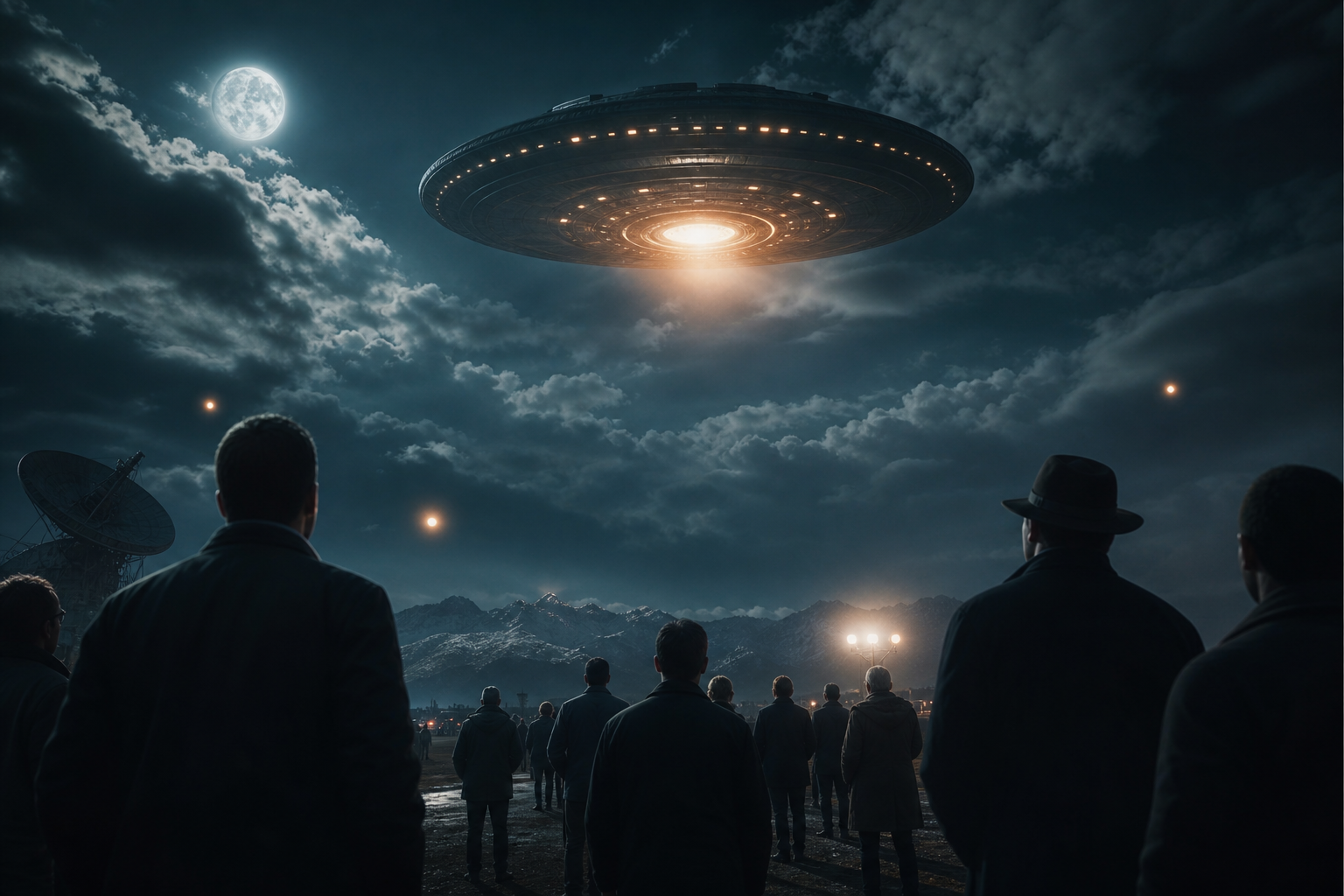
    The veil of secrecy surrounding the most enigmatic phenomena in our skies is thinning once again. In a move that has sent shockwaves through the Ufology community, the Pentagon has released a new batch of declassified files detailing encounters that defy conventional physics. From sightings dating back to the historic Moon landings to modern reports of “orbs launching orbs,” these documents suggest that our neighbors in the cosmos have been watching us much longer than previously admitted.

    The Lunar Connection: Did Apollo Astronauts Have Company?

    Perhaps the most startling revelation in the latest document dump involves the Apollo missions. For decades, conspiracy theorists and former NASA contractors have whispered about “bogies” tracked during the journey to the lunar surface. These new files provide a formal framework for these claims, documenting specific instances where unidentified objects were observed in the vicinity of the Moon. While the Pentagon remains cautious with its wording, the implication is clear: the lunar environment may not be as desolate as we were led to believe.

    Historical context adds weight to these disclosures. During the Apollo 11 mission in 1969, Buzz Aldrin famously mentioned seeing a light that seemed to move alongside the spacecraft. While NASA officially attributed such sightings to discarded rocket panels or “space junk,” the newly released files suggest that some of these objects exhibited flight patterns inconsistent with drifting debris. If these Unidentified Anomalous Phenomena (UAP) were indeed monitoring our first steps onto another world, it raises profound questions about who—or what—was waiting for us there.

    The documents also hint at a long-standing internal debate within the Department of Defense regarding how much of this information should be shared with the public. By acknowledging these historical sightings now, the government appears to be retroactively validating the experiences of early astronauts who were often sworn to secrecy or faced professional ridicule for reporting the unexplained.

    Orbs Launching Orbs: The Mothership Hypothesis

    Moving from the historical to the contemporary, the files describe a terrifyingly advanced technology referred to as “orbs launching orbs.” This phenomenon involves a larger spherical craft acting as a primary carrier, which then deploys smaller, highly maneuverable sub-units. These reports come from military pilots and sensor systems, ruling out the possibility of simple optical illusions or weather balloons. The precision with which these objects operate suggests a level of autonomous coordination that far exceeds current human capabilities.

    This “mothership” behavior is not entirely new to those who follow UAP sightings. Similar reports have surfaced near military training ranges and sensitive nuclear sites for years. However, seeing the Pentagon officially document the deployment of smaller craft from a larger “parent” orb is a significant milestone. It suggests a tactical or surveillance purpose, where a central hub coordinates a swarm of smaller sensors to gather data over a wide area.

    Experts in aerospace engineering are particularly baffled by the propulsion systems described. These orbs reportedly move without visible wings, rotors, or exhaust, often transitioning from a dead stop to hypersonic speeds in a fraction of a second. The “launching” process itself appears seamless, with the smaller orbs exiting the larger craft without any apparent mechanical bay doors or traditional deployment mechanisms, almost as if they are manifesting from the larger object’s structure.

    A Pattern of Global Surveillance

    The release of these files is part of a broader trend toward government transparency regarding UAPs. Following the establishment of the All-domain Anomaly Resolution Office (AARO), there has been a concerted effort to centralize and analyze reports from various branches of the military. The data suggests that these encounters are not isolated incidents but part of a global pattern of surveillance. Whether these objects are of extraterrestrial origin, breakaway human technology, or something even more exotic remains the central mystery of our time.

    Similar cases, such as the 2004 USS Nimitz encounter and the 2015 “Gimbal” and “GoFast” videos, provide a backdrop for these new revelations. In those instances, Navy pilots described “Tic-Tac” shaped objects that toyed with their radar systems and outmaneuvered the world’s most advanced fighter jets. The “orbs launching orbs” description fits perfectly into this narrative of a superior technology that views our most sophisticated defenses as mere curiosities.

    As we digest these new disclosures, the line between science fiction and reality continues to blur. The Pentagon’s willingness to archive and release these accounts suggests that the stigma surrounding alien life and UFOs is finally evaporating. We are no longer asking if these objects exist; we are now asking what they want and where they come from. The answers may change our understanding of our place in the universe forever.

    Do you believe the “orbs launching orbs” are autonomous drones from another world, or could they be a secret military project hidden from the public eye? Share your theories in the comments below!

    Recommended Resources

    • 🤖 Viktor AI — The autonomous AI platform we use to run our marketing operations. Hire Viktor to handle blogging, lead research, audits, and more.
    • 💳 Greenlight — The money app and debit card for kids and teens. Teach your kids to earn, save, and invest. Earn $30 when you sign up.
    • ⛏️ GoMining — Earn Bitcoin through cloud mining without the hardware hassle. A passive way to get into crypto.
    • 🏦 Mercury — The business banking account built for startups and small businesses. No fees, powerful tools, and easy to set up.
  • Real-Life Ghost Stories: Terrifying Encounters From the Paranormal Frontlines

    Real-Life Ghost Stories: Terrifying Encounters From the Paranormal Frontlines

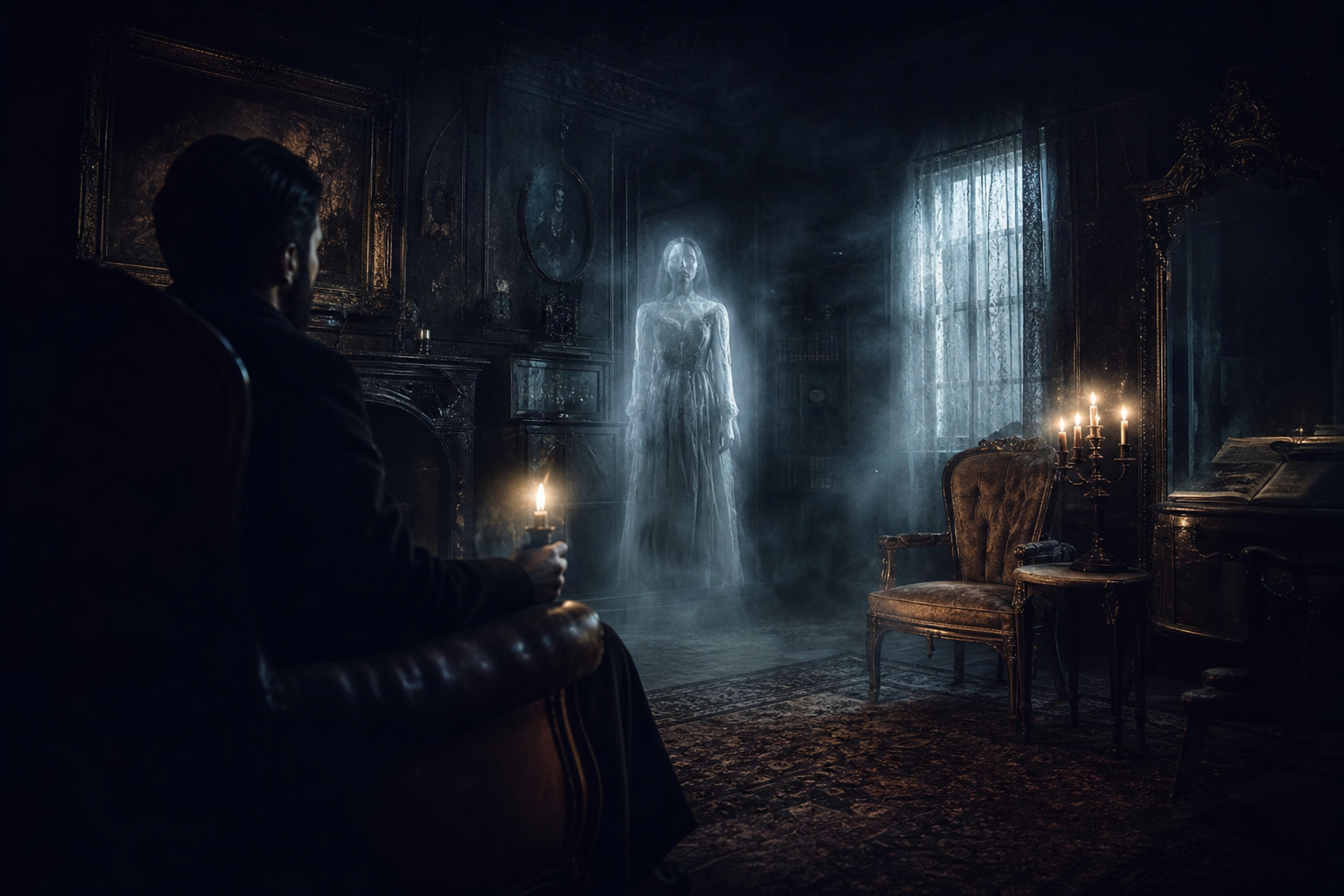
    The veil between our world and the next is often described as thin, but for those who have experienced a paranormal encounter, that veil doesn’t just flutter—it tears wide open. While many skeptics dismiss ghost stories as tricks of the light or overactive imaginations, thousands of individuals carry chilling memories that defy logical explanation. From the quiet corners of suburban bedrooms to the desolate hallways of historic buildings, these accounts serve as a haunting reminder that we may not be as alone as we think.

    The Shadow People: Visitors in the Dark

    One of the most frequent reports in the realm of the supernatural involves the appearance of Shadow People. These are not mere silhouettes cast by streetlights; witnesses describe them as “darker than dark,” three-dimensional voids that seem to absorb the light around them. In a recent surge of testimonials, many observers recount waking up in the middle of the night to find a tall, hooded figure standing at the foot of their bed, motionless and imposing.

    This phenomenon often overlaps with Sleep Paralysis, a physiological state where the body is frozen while the mind is awake. However, many claimants insist their experiences occurred while they were fully mobile and wide awake. They describe these entities as having a predatory energy, often vanishing the moment a light is toggled or a name is called out. The consistency of these descriptions across different cultures and age groups suggests a universal experience that transcends simple night terrors.

    Historical records often link these dark figures to “Old Hag” syndrome or ancient folklore regarding Djinn and elemental spirits. Whether they are interdimensional travelers or manifestations of residual negative energy, the psychological impact on the witness is profound. The feeling of being watched by something that lacks a face, yet possesses a clear intent, remains one of the most terrifying aspects of modern ghost lore.

    Disembodied Voices and the Phantom Call

    Sound is often the first indicator that a haunting is underway. Electronic Voice Phenomena (EVP) has long been a tool for investigators, but many people experience these auditory anomalies without the need for recording equipment. Imagine sitting in a quiet house, only to hear your name whispered clearly into your ear by a voice that belongs to no one in the room. This “phantom call” is a hallmark of residential hauntings that can leave residents questioning their own sanity.

    In many documented cases, these voices mimic the tone and inflection of loved ones. This Mimicry is particularly unsettling, as it preys on the victim’s familiarity and trust. Witnesses have reported hearing a spouse call them from another room, only to discover that their partner isn’t even home. This suggests a level of intelligence or “intelligent haunting” that goes beyond a simple recording of the past playing back in a specific location.

    Parapsychologists often categorize these events as Residual Hauntings, where an intense emotional event is “recorded” into the environment—often into materials like limestone or quartz. However, when the voice interacts or responds to the living, it moves into the territory of an active spirit. These vocalizations serve as a bridge, a desperate or perhaps playful attempt by the deceased to maintain a connection with the physical world.

    Poltergeist Activity and Physical Manifestations

    While whispers and shadows are subtle, Poltergeist activity is anything but. Derived from the German words for “noisy ghost,” these experiences involve the physical manipulation of objects. From kitchen cabinets slamming shut to heavy furniture sliding across the floor, the sheer force behind these movements is enough to terrify even the most hardened investigator. Unlike traditional hauntings, poltergeist activity is often centered around a specific person, known as a “human agent,” rather than a location.

    One common report involves the Apport, where objects seemingly disappear and reappear in impossible places. A set of keys might vanish from a hook only to be found weeks later inside a sealed container or in the center of a room. These events defy the laws of physics and suggest that the entity involved has the ability to deconstruct and reconstruct matter, or perhaps move it through a fourth dimension.

    The famous Enfield Poltergeist case of the late 1970s remains a benchmark for this type of activity. It featured knocking sounds, flying toys, and even the levitation of children. While critics pointed toward hoaxes, the sheer volume of witnesses—including police officers and journalists—made it difficult to dismiss entirely. Today, similar reports continue to surface in modern households, proving that the “noisy ghost” is a persistent guest in the human experience.

    The Lingering Question of the Afterlife

    What drives these spirits to remain? Some believe it is Unfinished Business, a tether created by a sudden death or a deep-seated secret. Others suggest that certain locations act as “thin places,” where the boundary between dimensions is naturally weaker. Regardless of the cause, the stories shared by those who have looked into the eyes of the unknown provide a tapestry of evidence that our understanding of life and death is still incomplete.

    Every story shared in the paranormal community adds a piece to the puzzle. Whether it is a cold spot in a hallway, a door that won’t stay locked, or a full-bodied Apparition appearing in a photograph, these moments challenge the materialist view of the universe. They remind us that there are mysteries in the dark that science has yet to illuminate, and that the “ghost stories” we tell around campfires might be more real than we dare to admit.

    Have you ever experienced something that you simply couldn’t explain, or do you believe there is always a logical reason for the things that go bump in the night?

    Recommended Resources

    • 🤖 Viktor AI — The autonomous AI platform we use to run our marketing operations. Hire Viktor to handle blogging, lead research, audits, and more.
    • 💳 Greenlight — The money app and debit card for kids and teens. Teach your kids to earn, save, and invest. Earn $30 when you sign up.
    • ⛏️ GoMining — Earn Bitcoin through cloud mining without the hardware hassle. A passive way to get into crypto.
    • 🏦 Mercury — The business banking account built for startups and small businesses. No fees, powerful tools, and easy to set up.