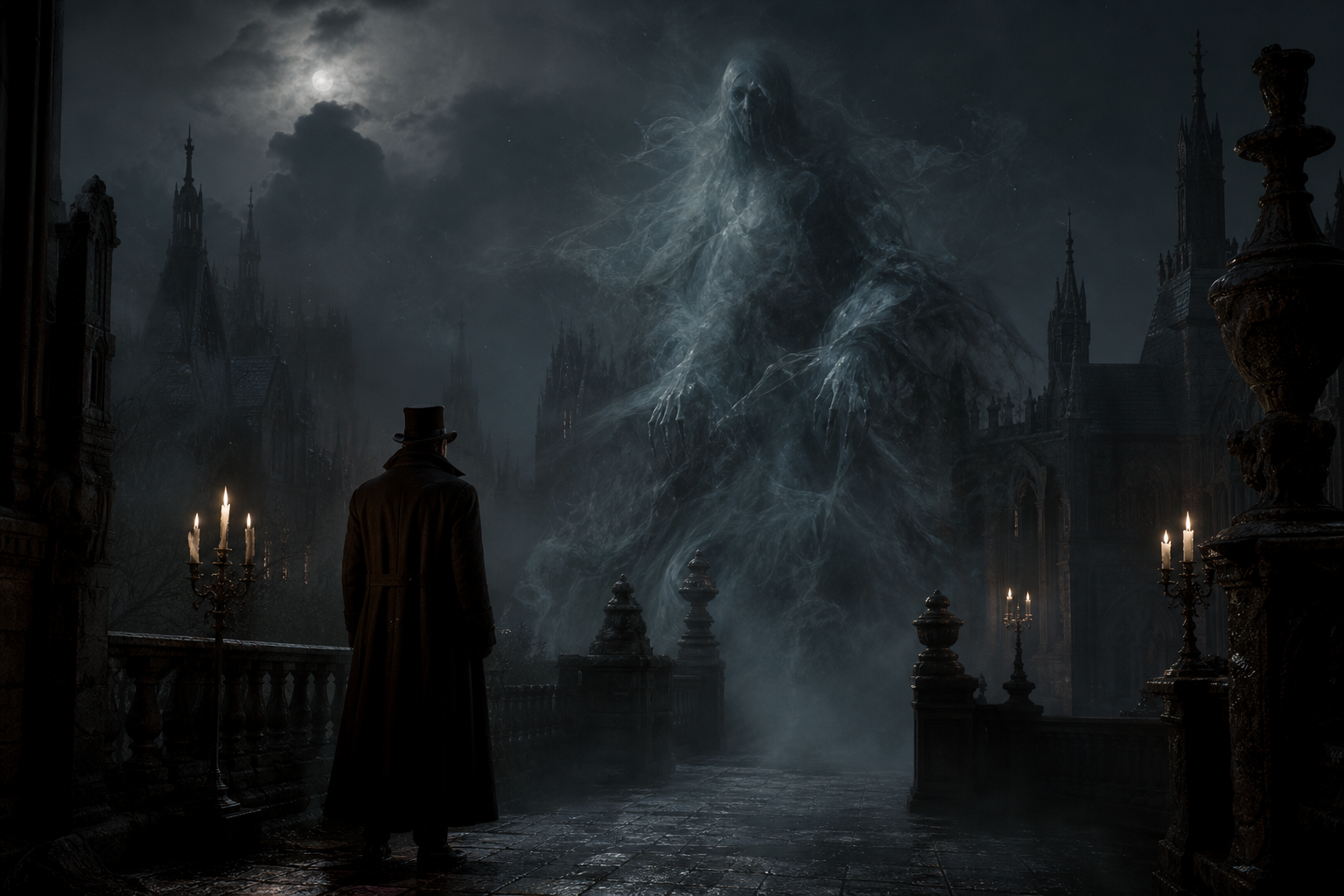
In the vast landscape of television horror, few figures have cast a shadow as long or as chilling as the Yellow-Eyed Demon. Long before the Winchester brothers were battling cosmic entities and primordial darkness, they were two men in a black Impala hunting a single, elusive nightmare. While the series Supernatural spanned fifteen seasons and introduced a pantheon of gods and monsters, fans still point to the early years as the pinnacle of the show’s atmospheric dread.
The primary architect of that dread was Azazel, a villain whose presence was felt long before his face was ever clearly seen. For many viewers, he remains the definitive antagonist of the series, representing a time when the paranormal felt intimate, dangerous, and deeply personal. Unlike the world-ending threats that followed, Azazel didn’t just want to destroy the world; he wanted to destroy a family, and that specificity made him infinitely more terrifying.
The Personal Stakes of the Yellow-Eyed Demon
What set Azazel apart from later villains like Lucifer or Dick Roman was his direct connection to the Winchester bloodline. The story of Supernatural began not with a war in heaven, but with a nursery fire and a mother pinned to the ceiling. This act of violence defined Sam and Dean Winchester, turning their lives into a lifelong quest for vengeance. Because Azazel was the catalyst for their entire journey, every encounter with him felt heavy with emotional weight.
In the early seasons, the show leaned heavily into urban legends and folklore, maintaining a gritty, “roadhouse horror” aesthetic. Azazel fit perfectly into this world as a whispering shadow in the corner of the room. He wasn’t a distant deity; he was a predator who had been watching the brothers since they were infants. This sense of being hunted by something that knew your deepest secrets created a level of tension that the show struggled to replicate once the stakes shifted to a global scale.
Horror Roots vs. Cosmic Escalation
As the series progressed, the power scaling of the villains increased exponentially. We saw the introduction of Archangels, Leviathans, and eventually, the Creator himself. While these characters were formidable, they often lacked the visceral horror that Azazel brought to the screen. The Yellow-Eyed Demon operated in the shadows, utilizing demonic possession to turn loved ones against each other, making the viewer feel that no one was truly safe.
The early seasons of the show were deeply rooted in the paranormal traditions of the American backwoods. Azazel felt like a campfire story come to life—a malevolent spirit that you might actually encounter on a lonely stretch of highway. When the show transitioned into high-fantasy territory, it lost some of that grounded, claustrophobic fear. Azazel didn’t need to rewrite reality to be scary; he just needed a smirk and a flash of sulfurous yellow eyes.
The Real-World Lore of Azazel
The writers of Supernatural didn’t pull the name Azazel out of thin air. In ancient demonology and various religious texts, Azazel is often depicted as a powerful fallen angel or a desert demon. In the Book of Enoch, he is credited with teaching humanity how to forge weapons and cosmetics, leading to a corruption of the natural order. This historical weight added an extra layer of menace to the character, grounding the fictional villain in centuries of actual human belief and superstition.
In the context of the show, Azazel was revealed to be a Prince of Hell, a high-ranking general in the infernal hierarchy. His mission to find the “Special Children”—individuals like Sam who were fed demon blood—introduced a dark destiny trope that kept fans theorizing for years. This plotline tapped into the fear of the “other” within oneself, suggesting that the greatest monster might not be under the bed, but inside your own veins.
Why Simplicity Outshines Omnipotence
There is a common trope in horror where the more you explain a monster, the less scary it becomes. Azazel benefited from the mystery of the early seasons. For a long time, the brothers didn’t even know his name; he was simply the thing that killed their mother. Even the weapon required to kill him, the legendary Colt, carried a sense of mythic importance that made the eventual confrontation feel like a monumental event in paranormal history.
By the time the Winchesters were fighting literal gods, the “villain of the season” formula had become somewhat predictable. Azazel, however, represented a time when the supernatural felt truly unknown and unbeatable. He wasn’t just a boss to be defeated at the end of a level; he was a trauma that the characters had to live through. His legacy continued to haunt the brothers long after his death in the Season 2 finale, proving that a well-crafted villain leaves a scar that never quite heals.
Looking back at the long history of the Winchester brothers, it’s clear that while many monsters crossed their paths, only one truly changed them forever. Azazel remains the gold standard for what a paranormal antagonist should be: mysterious, personal, and genuinely haunting.
Do you think the later seasons of Supernatural lost their edge by moving away from the grounded horror of Azazel, or did the cosmic stakes make the show better?
Recommended Resources
- 🤖 Viktor AI — The autonomous AI platform we use to run our marketing operations. Hire Viktor to handle blogging, lead research, audits, and more.
- 💳 Greenlight — The money app and debit card for kids and teens. Teach your kids to earn, save, and invest. Earn $30 when you sign up.
- ⛏️ GoMining — Earn Bitcoin through cloud mining without the hardware hassle. A passive way to get into crypto.
- 🏦 Mercury — The business banking account built for startups and small businesses. No fees, powerful tools, and easy to set up.
Leave a Reply