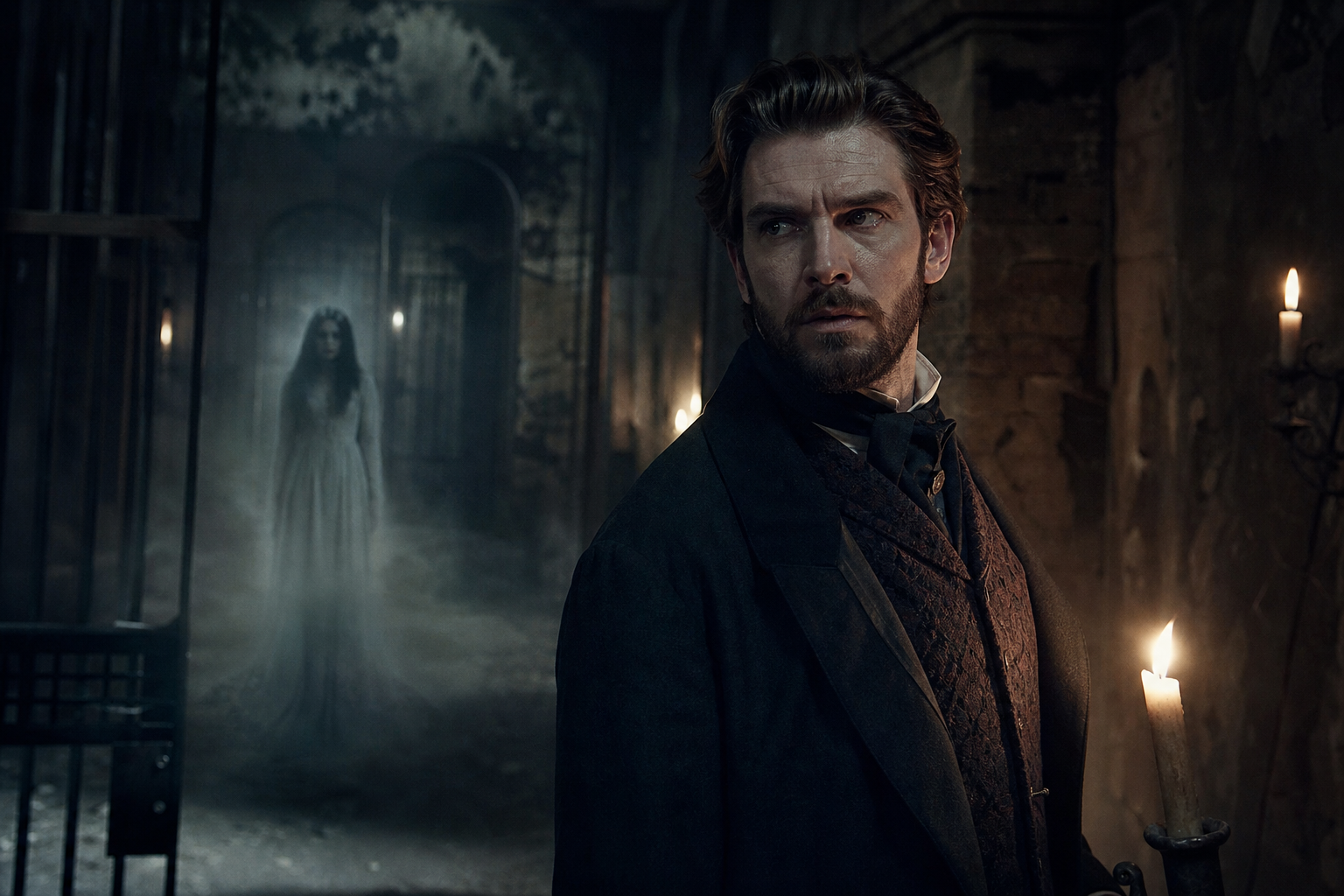
When cameras began rolling for the latest installment of the acclaimed anthology series The Terror: Devil in Silver, lead actor Dan Stevens expected a challenging shoot. However, nothing could have prepared the cast and crew for the oppressive, heavy atmosphere of the decommissioned prison chosen as the show’s primary filming location. The walls of the facility, steeped in decades of isolation and despair, seemed to breathe a life of their own, blurring the lines between scripted horror and genuine paranormal activity.
The Weight of the Past: Filming Behind Bars
The production of the third season of The Terror moved into a former correctional facility to capture the grim reality of a psychiatric hospital, the setting for Victor LaValle’s source novel. Dan Stevens, known for his roles in Downton Abbey and Legion, recently shared insights into the “haunting” nature of the set. He described an environment where the air felt thick with residual energy, a phenomenon often reported by those who spend extended periods in locations marked by historical trauma.
Filming in a real prison offers a level of authenticity that a soundstage simply cannot replicate. The narrow corridors, rusted iron bars, and the persistent chill of the stone floors created a sensory experience that Stevens noted was deeply unsettling. For many on the crew, the feeling of being watched was a constant companion, leading to whispers of shadow people lurking just beyond the reach of the production lights.
This isn’t the first time a production has been plagued by the spirits of a location’s former inhabitants. The history of cinema is littered with tales of “cursed” sets where the environment began to influence the psychological state of the performers. In the case of The Terror, the setting serves as a silent character, one that Stevens suggests helped ground his performance in a very real sense of dread.
A History of Suffering: Why Prisons Are Paranormal Hotspots
Paranormal investigators have long categorized prisons as some of the most active sites for ghost sightings and unexplained phenomena. According to the Stone Tape Theory, minerals within the walls of a building can “record” high-emotion events, replaying them like a loop of film for those sensitive enough to perceive them. Given the centuries of anguish, anger, and hopelessness found in a prison, it is no wonder the cast felt a spiritual weight.
The specific location used for The Terror: Devil in Silver has its own dark history, characterized by the harsh realities of the penal system. When a building is designed specifically to confine and punish, it creates a unique liminal space where the veil between our world and the next is thought to be exceptionally thin. Stevens’ description of the “haunting” atmosphere aligns perfectly with the reports of professional ghost hunters who frequent similar decommissioned sites.
Similar accounts have emerged from locations like Eastern State Penitentiary in Pennsylvania and Alcatraz Federal Penitentiary in San Francisco. In these places, visitors frequently report hearing disembodied footsteps, muffled cries, and experiencing sudden “cold spots” that defy logical explanation. For the crew of The Terror, these weren’t just ghost stories—they were the daily reality of their workplace.
When Art Imitates Life: The Psychological Toll
The psychological impact of working in such a grim environment cannot be overstated. Dan Stevens hinted that the “terror” wasn’t just in the script; it was in the very architecture of the building. This type of environmental immersion can lead to heightened states of anxiety, which, while beneficial for a horror production, can leave a lasting mark on the psyche of the actors involved.
The show itself deals with themes of madness and the supernatural, making the choice of location even more potent. As the characters in the story struggle with their own demons, the actors were forced to confront the literal ghosts of the past. This synergy between the narrative and the physical space often results in a more visceral, terrifying final product for the audience, as the fear captured on screen is rooted in a genuine reaction to the surroundings.
As production wrapped, many members of the team expressed a sense of relief to be leaving the heavy iron gates behind. While the footage captured is said to be some of the most atmospheric in the series’ history, the cost was a brush with the unexplained that few will soon forget. The “Devil in Silver” may be a fictional monster, but the spirits of the prison felt all too real.
With The Terror: Devil in Silver set to premiere soon, fans are eager to see if the haunting energy of the set translates to the screen. If Dan Stevens’ accounts are any indication, viewers should prepare for a journey into a darkness that is as historical as it is supernatural. The question remains: can a location ever truly be cleansed of its past, or are some buildings destined to hold onto their secrets forever?
Do you believe that the history of a building can physically manifest as a haunting, or is it all just a trick of the mind played on stressed actors?
Recommended Resources
- 🤖 Viktor AI — The autonomous AI platform we use to run our marketing operations. Hire Viktor to handle blogging, lead research, audits, and more.
- 💳 Greenlight — The money app and debit card for kids and teens. Teach your kids to earn, save, and invest. Earn $30 when you sign up.
- ⛏️ GoMining — Earn Bitcoin through cloud mining without the hardware hassle. A passive way to get into crypto.
- 🏦 Mercury — The business banking account built for startups and small businesses. No fees, powerful tools, and easy to set up.
Leave a Reply