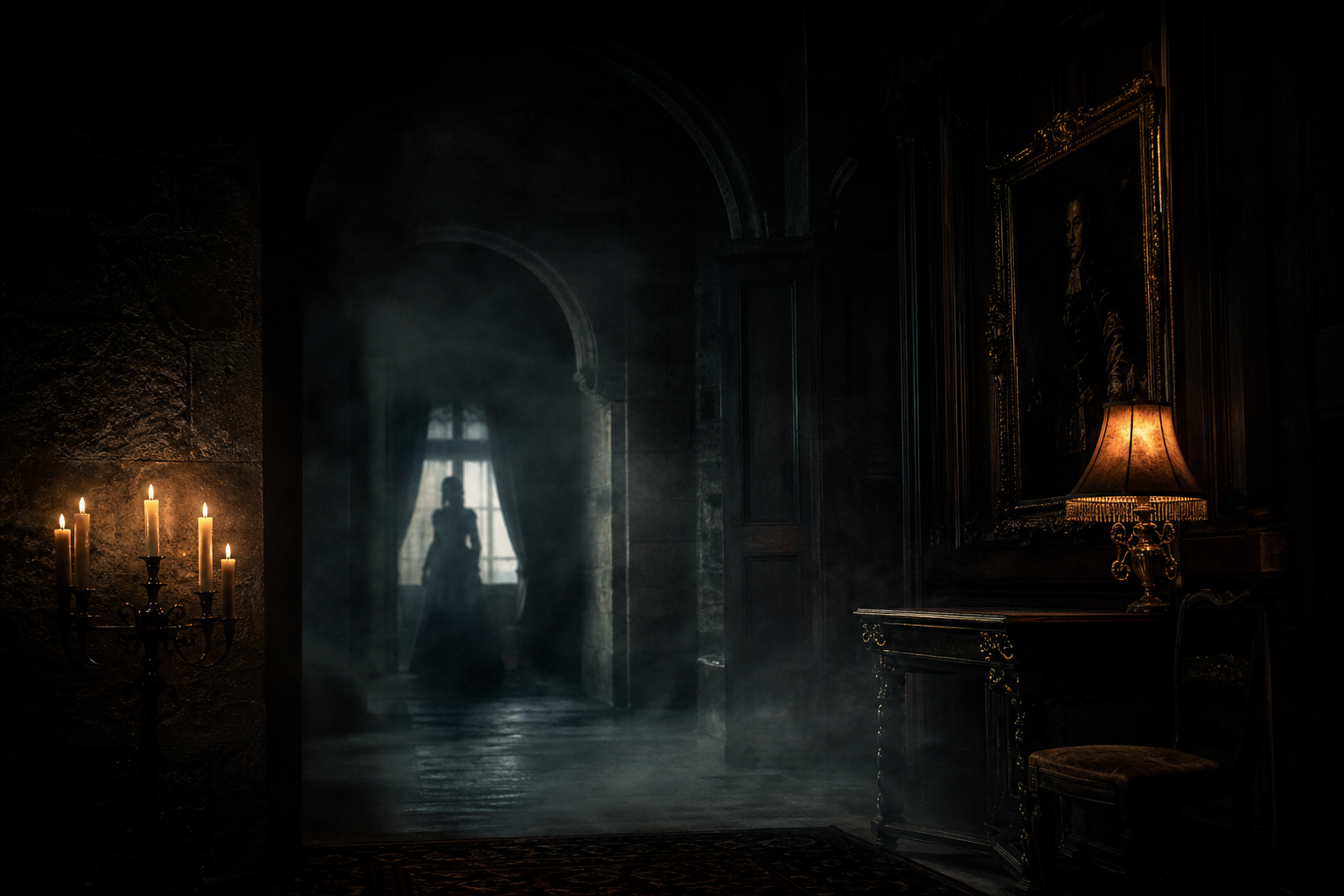
Deep within the mist-shrouded landscapes of the Scottish Highlands, where history is etched into every stone, lies a 17th-century hotel that serves as a bridge between the living and the dead. While guests check in for luxury and heritage, the staff often find themselves sharing their shifts with shadow figures and echoes of a bygone era. For one employee working the late-night closing shift, a routine trip to the reception desk turned into a chilling encounter with the paranormal that they will never forget.
The Haunting of a 17th-Century Scottish Landmark
The hotel in question is a well-known fixture in the local community, boasting a foundation that dates back to the mid-1600s. In Scotland, buildings of this age are rarely just structures; they are repositories of memory, often housing the spirits of those who walked their halls centuries ago. This particular establishment has earned a reputation among locals and staff alike as a hotspot for supernatural activity, with decades of stories passed down through generations of workers.
Working in such an environment requires a certain level of fortitude, especially during the “witching hour.” Most shifts end around 1:00 AM or 2:00 AM, a time when the veil between worlds is said to be at its thinnest. While the hotel is rarely empty, the vast, winding corridors and wood-paneled rooms take on a heavy, expectant atmosphere once the sun goes down and the fires in the hearths begin to dim.
The witness, a seasoned staff member accustomed to the quirks of the old building, was working a standard closing shift with a manager. Despite the presence of another person in the building, the sheer scale of the historic property means that one is often physically alone when moving between the various event spaces and the main reception area.
Footsteps in the Library: An Impossible Encounter
The encounter began when a guest left an item behind in the downstairs venue room. Tasked by their manager to return the object to the upstairs reception, the staff member began the long walk through the quiet corridors. At 1:00 AM, the hotel was silent, save for the natural creaks of a building that has stood for nearly 400 years. After dropping the item off, the silence was shattered by the distinct sound of phantom footsteps emanating from the adjacent library.
The library is a classic feature of the estate, consisting of three connecting rooms designed for quiet reflection. However, the layout is somewhat labyrinthine; one of the rooms is blocked by a wall and can only be accessed through a specific door. Thinking a guest from the evening’s event might have wandered off and become lost or needed assistance, the employee entered the library to investigate. To their surprise, the room was entirely vacant.
Initially, the witness dismissed the sounds as fatigue. It is common for those working late shifts to experience auditory hallucinations or “sensory ghosting,” where the brain interprets mundane sounds as something familiar, like footsteps. But as they turned to leave the secluded, walled-off section of the library, the heavy thud of boots on floorboards returned, louder and more deliberate than before.
Shadow People and the Scottish “Grey Lady” Tradition
As the employee rounded the corner to re-enter the main library space, they caught a glimpse of something that defied logical explanation. Out of the corner of their eye, a black figure—tall and indistinct—darted across the room and vanished into the shadows. This wasn’t a mere trick of the light; it was a solid, moving mass that seemed to react to the employee’s presence before disappearing into thin air.
This type of sighting is frequently categorized by researchers as a Shadow Person. Unlike traditional ghosts, which may appear in period clothing or with recognizable features, shadow people are often described as dark, void-like silhouettes that move with incredible speed. In Scottish folklore, many old hotels and castles are also said to be haunted by “Grey Ladies” or “Green Ladies,” but the manifestation of a dark, fleeting figure suggests a more residual haunting—an energy imprint trapped in the fabric of the building.
Shaken and no longer convinced that exhaustion was to blame, the staff member retreated to the safety of the downstairs venue to finish their duties. They are far from the only one to report such things; other staff members have shared similar accounts of being watched or hearing their names whispered in the dead of night. In a building that has seen four centuries of human life, death, and drama, it is perhaps more surprising when things stay quiet.
A Legacy of Highland Hauntings
Scotland is world-renowned for its haunted hospitality. From the famous ghosts of Dalhousie Castle to the restless spirits of the Skirrid Inn, the country’s turbulent history of clan warfare and social upheaval has left a permanent mark on its architecture. The 1600s, in particular, were a time of great strife, and many buildings from this era are thought to hold onto the “psychic echoes” of their former inhabitants.
Whether the figure in the library was a former guest, a long-dead librarian, or something more mysterious, the experience serves as a chilling reminder that we are rarely truly alone in places with such deep roots. For the staff of this Scottish hotel, the night shift is more than just a job—it is a nightly encounter with the unexplained.
Have you ever felt a presence watching you in an old building, or heard footsteps when you knew the room was empty? Share your own ghostly encounters in the comments below!
Recommended Resources
- 🤖 Viktor AI — The autonomous AI platform we use to run our marketing operations. Hire Viktor to handle blogging, lead research, audits, and more.
- 💳 Greenlight — The money app and debit card for kids and teens. Teach your kids to earn, save, and invest. Earn $30 when you sign up.
- ⛏️ GoMining — Earn Bitcoin through cloud mining without the hardware hassle. A passive way to get into crypto.
- 🏦 Mercury — The business banking account built for startups and small businesses. No fees, powerful tools, and easy to set up.
Leave a Reply