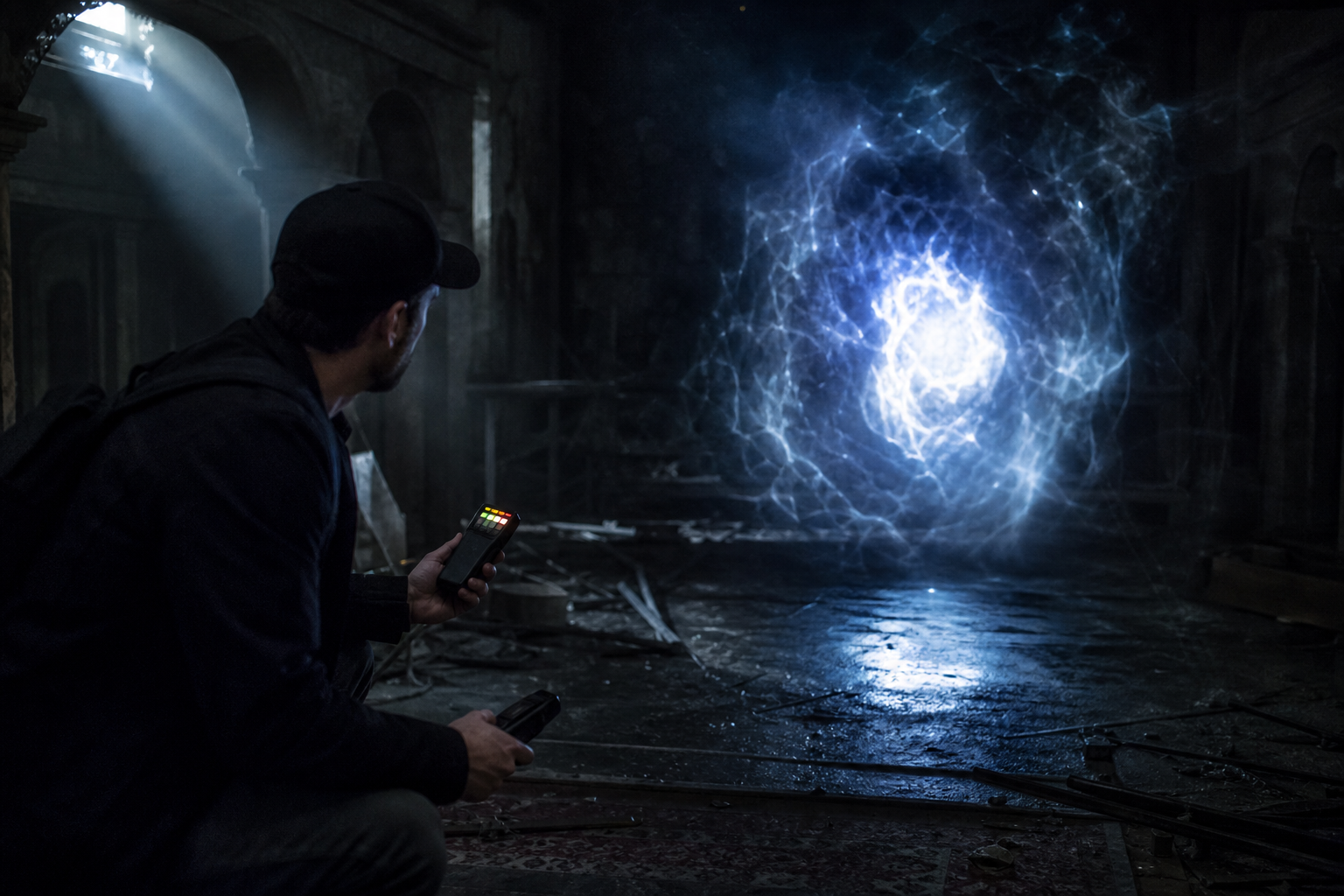
The long-running saga of the Winchester brothers may have concluded, but for the dedicated fans of Supernatural, the mystery is far from over. While the series finale aimed to provide closure, it left a trail of cosmic breadcrumbs and metaphysical puzzles that continue to haunt the paranormal community. From the true nature of divinity to the logistics of a universal resurrection, the final chapters of the Winchester Gospel have sparked a renewed debate about the laws of the supernatural world.
The Mystery of the Empty and the Demon Belphegor
One of the most jarring moments in the final arc involved the desecration of Jack Kline’s vessel. After the Nephilim’s initial death, his corpse was inhabited by a demon who claimed to be a simple low-level functionary named Belphegor. However, many theorists wonder if there was a deeper, more sinister identity hidden beneath that snarky exterior. In the lore of the show, demons are often opportunistic, but the timing of Belphegor’s arrival suggests a calculated move by the Shadow or perhaps a remnant of Crowley’s old guard looking to seize power in the vacuum left by God’s departure.
The fate of Amara, the Darkness, also remains a point of contention among paranormal researchers. When Jack absorbed Chuck’s power, he also seemingly integrated the Darkness into his being to maintain the Cosmic Balance. This raises the question: is Amara still a conscious entity within the new God, or has she been reduced to mere raw energy? If the balance between light and dark is now contained within a single being, the very nature of morality in the universe may have fundamentally shifted, leaving the world in a state of permanent gray.
The Logistics of a Universal Resurrection
When Jack ascended to his new role, he performed a feat of Divine Restoration, bringing back those who had been “snapped” out of existence by Chuck’s temper tantrum. However, the scope of this miracle is inconsistent. While we see the world return to a semblance of normalcy, the status of Alternate Universe refugees like the apocalypse-world versions of Bobby Singer and Charlie Bradbury remains unclear. Did Jack restore them to their original, dying worlds, or did he integrate them into the primary timeline?
Furthermore, the ethical implications of Jack’s resurrection are staggering. By bringing back “everyone,” Jack inadvertently restored the Monsters that the Winchesters spent decades hunting. This includes the very Vampires that eventually led to Dean Winchester’s final breath. This decision suggests that Jack’s version of the universe is one of radical free will, where even the predators are given a second chance. It mirrors ancient Gnostic beliefs that a truly neutral creator must allow both the lion and the lamb to exist, regardless of the bloodshed that follows.
The Mortal Fate of a Fallen Creator
Perhaps the most fascinating paranormal transformation in the series was the stripping of Chuck Shurley’s divinity. Left as a mere mortal, the former Creator was forced to experience the “sweet release” of aging and death. But what happens to a Soulless Mortal when they die? Traditional lore suggests that without a soul, there is no afterlife—only the Empty. Yet, Chuck was more than a human; he was the architect of the system itself.
If Chuck were to find himself in Hell, the irony would be delicious. With Rowena MacLeod currently sitting on the throne as the Queen of Hell, the man who once pulled all the strings would be subject to the whims of a woman he once viewed as a mere character in his story. This raises a profound question about the nature of the Afterlife: can a creator be judged by his own creations? The transition from an omnipotent being to a mundane human is a trope found in many Urban Legends, often serving as a cautionary tale about the dangers of hubris and the inevitability of change.
The Garden of Eden and the Girl in the Woods
Finally, we must look back at the Garden of Eden sequence, where a mysterious young girl guided Jack through his trials. Some believe she was an avatar of the Earth Mother, while others suggest she was a manifestation of Jack’s own subconscious innocence. In the realm of the paranormal, children often act as conduits for ancient truths, and her presence suggests that even in a world of angels and demons, there is a primal, older magic that predates the Celestial Hierarchy.
As we look back on the legacy of the Winchesters, we are forced to confront the reality that some mysteries are not meant to be solved. The universe Jack created is one of autonomy, where the “monsters” are real, but so is the hope for a better tomorrow. The gaps in the narrative aren’t just plot holes; they are the spaces where our own imagination—and our own Paranormal Investigations—must begin.
Do you believe Jack was right to bring back the monsters along with the humans, or did his quest for balance ultimately betray the Winchester legacy? Let us know your theories in the comments below!
Recommended Resources
- 🤖 Viktor AI — The autonomous AI platform we use to run our marketing operations. Hire Viktor to handle blogging, lead research, audits, and more.
- 💳 Greenlight — The money app and debit card for kids and teens. Teach your kids to earn, save, and invest. Earn $30 when you sign up.
- ⛏️ GoMining — Earn Bitcoin through cloud mining without the hardware hassle. A passive way to get into crypto.
- 🏦 Mercury — The business banking account built for startups and small businesses. No fees, powerful tools, and easy to set up.
Leave a Reply