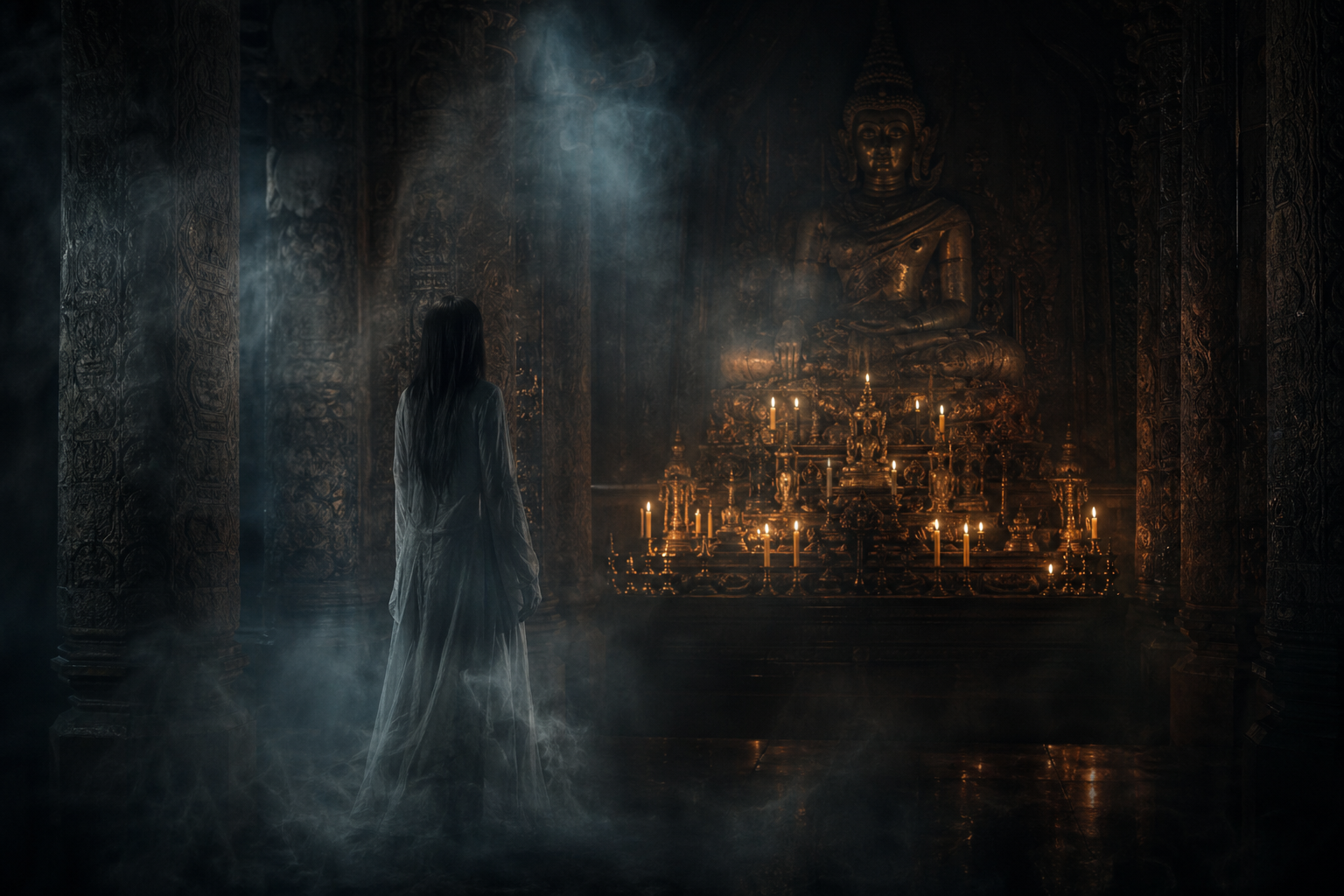
In the heart of Bangkok’s bustling Bang Kho Laem district, a chilling secret lay hidden behind the sacred walls of a local sanctuary, waiting for the wind to shift. What began as a routine investigation into a foul odor reported by neighbors soon spiraled into one of the most harrowing paranormal and criminal discoveries in modern Asian history. The events at Wat Phai Ngern would not only expose a dark underworld of illegal activity but would also ignite a national conversation about the restless spirits of the unborn.
The Discovery of the 2,002 Souls
In November 2010, the air around the temple grounds grew thick with a cloying, acidic stench that local residents could no longer ignore. When authorities finally breached the doors of the temple’s mortuary, they were met with a sight that defied human comprehension. Stacked within the damp, dimly lit storage rooms were hundreds of white plastic bags, each containing the remains of fetal corpses. Initial reports suggested a few hundred, but as the search deepened, the number climbed to a staggering 2,002 individual remains.
The atmosphere inside the room was described by investigators as oppressive and heavy, with paranormal activity reported almost immediately. Officers noted that the lights in the mortuary would flicker and dim without cause, and a profound sense of sorrow seemed to permeate the very walls. The remains were the result of a massive illegal abortion ring, where funeral directors had been paid to hide the evidence of these procedures within the sacred grounds of the temple, assuming the spirits would be pacified by the holy surroundings.
The sheer scale of the tragedy sent shockwaves through Thai society. As the news spread, the temple became a focal point for both mourning and terror. The physical evidence was eventually removed for proper cremation rites, but for many, the spiritual stain on the land remained. The “Temple of 2,000 Ghosts” became a permanent fixture in the annals of urban legends, drawing those curious about the thin veil between our world and the next.
Kuman Thong and the Spirits of the Unborn
To understand the profound fear and reverence surrounding this case, one must look toward Thai folklore and the ancient belief in child spirits. In traditional occult practices, the soul of a deceased fetus can be invited to inhabit a vessel, becoming a Kuman Thong, or “Golden Boy.” These spirits are believed to protect their owners and bring good fortune, provided they are treated with respect and offered sweets, toys, and prayers.
However, the discovery at Wat Phai Ngern represented a perversion of this tradition. These were not spirits invited into a home with love; they were discarded lives, hidden in darkness. Many practitioners of the supernatural believe that spirits who die under such traumatic and neglected circumstances become “Prae” or restless ghosts. Without the proper merit-making ceremonies, these souls are said to linger in the location of their death, crying out for the recognition they were denied in life.
In the years following the discovery, the rise of Luk Thep dolls—or “Child Angel” dolls—further complicated the narrative. These lifelike dolls are often blessed by monks and believed to carry a celestial spirit. While Luk Thep are seen as a modern, gentler evolution of the Kuman Thong, the tragedy at Wat Phai Ngern serves as a grim reminder of the darker side of these beliefs, where the line between devotion and obsession becomes dangerously blurred.
A Legacy of Hauntings and Healing
Even after the physical remains were given a dignified farewell, reports of ghost sightings at Wat Phai Ngern persisted. Locals have claimed to hear the sound of phantom crying echoing from the mortuary area late at night. Others have reported seeing the small, shadowy figures of children playing near the temple gates, only for them to vanish when approached. These spectral encounters have turned the temple into a site of pilgrimage for those seeking to appease the spirits of the “2,002 souls.”
The case also mirrors other famous hauntings involving children, such as the haunted orphanages of Europe or the “weeping woman” legends of Latin America. In each instance, the collective trauma of lost innocence seems to leave a permanent psychic imprint on the environment. At Wat Phai Ngern, the monks have spent years performing exorcism rites and chanting prayers to help transition the spirits to the next realm, yet the heavy energy of the site remains a palpable force for visitors.
Today, the temple stands as a somber monument to a national tragedy. It serves as a reminder of the consequences of hidden suffering and the enduring power of the spirit world. While the legal cases against the perpetrators have long since concluded, the metaphysical questions remain. Can a location ever truly be cleansed after such a massive loss of life, or do some echoes of the past vibrate forever in the silence of the night?
Do you believe that the spirits of the 2,002 infants have finally found peace, or does the energy of such a tragedy linger in the soil of the temple forever?
Recommended Resources
- 🤖 Viktor AI — The autonomous AI platform we use to run our marketing operations. Hire Viktor to handle blogging, lead research, audits, and more.
- 💳 Greenlight — The money app and debit card for kids and teens. Teach your kids to earn, save, and invest. Earn $30 when you sign up.
- ⛏️ GoMining — Earn Bitcoin through cloud mining without the hardware hassle. A passive way to get into crypto.
- 🏦 Mercury — The business banking account built for startups and small businesses. No fees, powerful tools, and easy to set up.
Leave a Reply