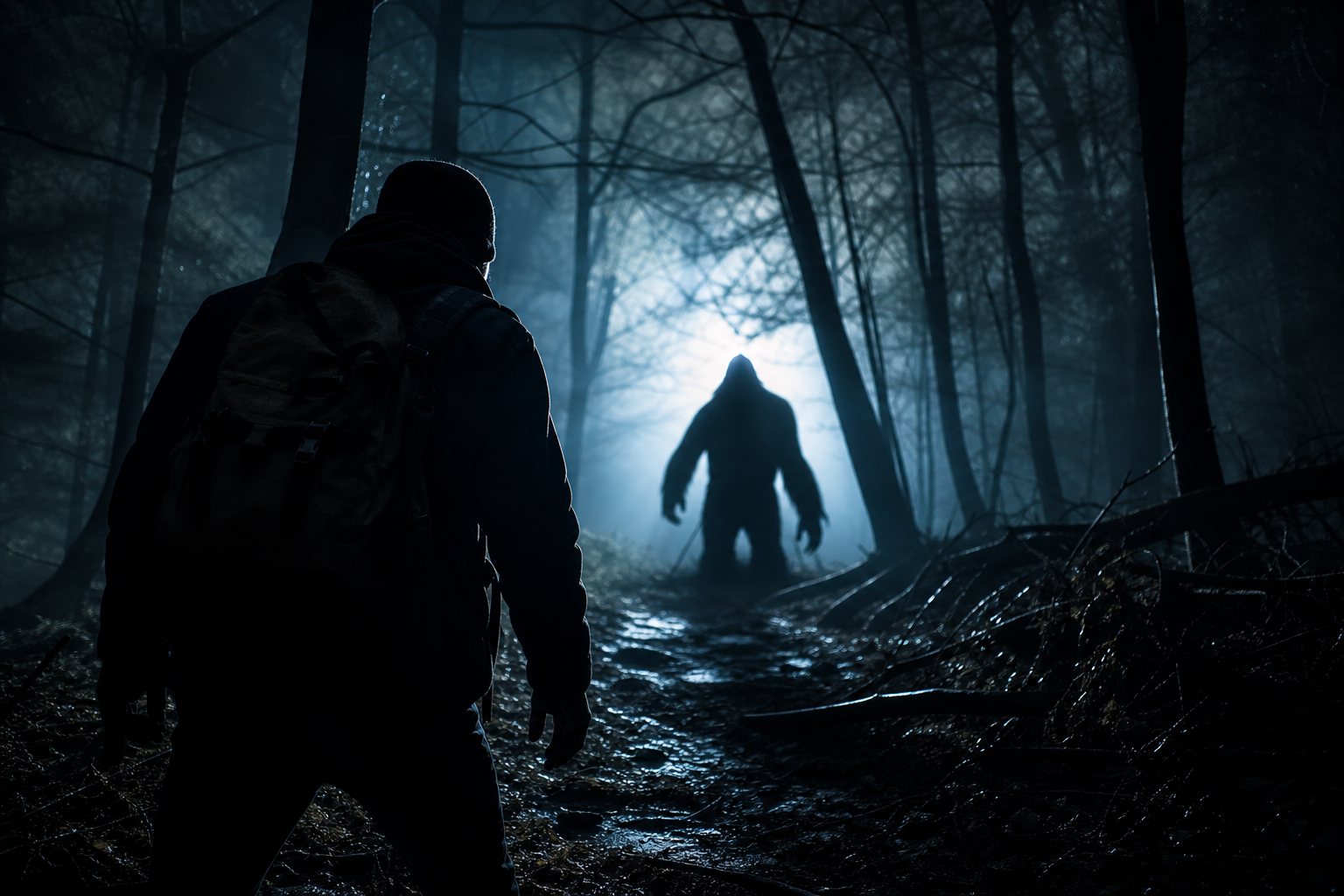
In the digital age, the line between terrifying folklore and viral internet culture has become increasingly blurred. While many of us spent our childhoods fearing the shadows of the woods, a new wave of artists is transforming these legendary monsters into something unexpectedly nostalgic. Recently, a talented artist on the r/Cryptids subreddit, known as /u/goldholsoe, captured the internet’s imagination by reimagining six iconic creatures in the whimsical, “rubber hose” style of 1930s animation.
The Intersection of Folklore and Vintage Animation
There is a peculiar synergy between the world of Cryptozoology and the golden age of animation. Both rely on exaggerated features, silhouettes that are instantly recognizable, and a sense of the “uncanny” that sits right on the edge of comfort and creepiness. By stripping away the grainy, low-resolution aesthetic of traditional “blob-squatch” photos and replacing it with bold ink lines and pie-cut eyes, these artists are breathing new life into legends that have persisted for decades.
This artistic trend highlights a shift in how we perceive the paranormal. No longer are these entities merely things to be feared in the dark; they have become cultural icons. From the Mothman of West Virginia to the elusive Bigfoot of the Pacific Northwest, these creatures have transitioned from terrifying eyewitness reports to beloved figures of modern mythology. Seeing them rendered in a style reminiscent of early Disney or Fleischer Studios reminds us that, like cartoons, these legends are timeless stories passed down through the generations.
The Heavy Hitters: Mothman and Bigfoot
Among the six cryptids featured in the viral artwork, the Mothman remains a perennial favorite. First sighted in Point Pleasant, West Virginia, in 1966, this winged humanoid with glowing red eyes has become a symbol of impending disaster—and, more recently, a quirky internet darling. In a vintage cartoon style, the Mothman’s terrifying features are softened, turning a harbinger of doom into a character that wouldn’t look out of place dancing alongside Mickey Mouse.
Then there is Sasquatch, perhaps the most famous cryptid in the world. Since the 1967 Patterson-Gimlin film captured a hairy bipedal figure walking through Bluff Creek, the world has been obsessed with the idea of a “hidden ape” in the wilderness. When reimagined as a cartoon, the lumbering giant takes on a more friendly, misunderstood persona. This reflects a broader trend in the community where Bigfoot is often viewed as a guardian of the forest rather than a predatory beast.
The Weird and the Wonderful: From Flatwoods to Fresno
The artist also delved into the more “alien” side of the cryptid spectrum, featuring the Flatwoods Monster. This entity, which allegedly terrorized a group of boys in Braxton County, West Virginia, in 1952, is known for its spade-shaped head and metallic “skirt.” Its mechanical, otherworldly appearance translates perfectly to the surrealist nature of 1930s animation, where physics and biology are often treated as mere suggestions.
Equally fascinating is the inclusion of the Fresno Nightcrawlers. These creatures, which first appeared on CCTV footage in California, are essentially a pair of long white legs with a small head. They are among the most bizarre sightings in modern paranormal history. Their simplistic, almost comical gait makes them the perfect candidates for a “rubber hose” makeover, emphasizing the inherent absurdity that often accompanies high-strung paranormal encounters.
Why We Are Drawn to the Paranormal Aesthetic
Why do we find such joy in seeing the Jersey Devil or the Chupacabra rendered in ink and paint? Perhaps it is because the paranormal represents the last great mystery in a world that feels increasingly mapped and explained. By turning these monsters into art, we are able to engage with the unknown on our own terms. We take the “spookiness” of the 18th-century Pine Barrens or the goat-farms of Puerto Rico and turn it into something tangible and expressive.
Furthermore, the “old cartoon” aesthetic carries its own weight of mystery. Early animation was often dark, surreal, and slightly unsettling, much like the stories of Urban Legends themselves. This stylistic choice bridges the gap between the historical roots of these sightings and the modern digital platforms where they now thrive. It reminds us that whether it is a campfire story from 100 years ago or a Reddit post from yesterday, our fascination with the things that go bump in the night remains unchanged.
As we continue to scan the skies for UFOs and the forests for footprints, art like this serves as a bridge between the skeptics and the believers. It celebrates the creativity of the human mind and the enduring power of a good mystery. Whether these creatures are flesh-and-blood animals or figments of our collective imagination, they have certainly earned their place in our cultural gallery.
Which of these legendary cryptids do you think would make the best star of its own vintage animated series? Let us know your thoughts in the comments below!
Recommended Resources
- 🤖 Viktor AI — The autonomous AI platform we use to run our marketing operations. Hire Viktor to handle blogging, lead research, audits, and more.
- 💳 Greenlight — The money app and debit card for kids and teens. Teach your kids to earn, save, and invest. Earn $30 when you sign up.
- ⛏️ GoMining — Earn Bitcoin through cloud mining without the hardware hassle. A passive way to get into crypto.
- 🏦 Mercury — The business banking account built for startups and small businesses. No fees, powerful tools, and easy to set up.
Leave a Reply